



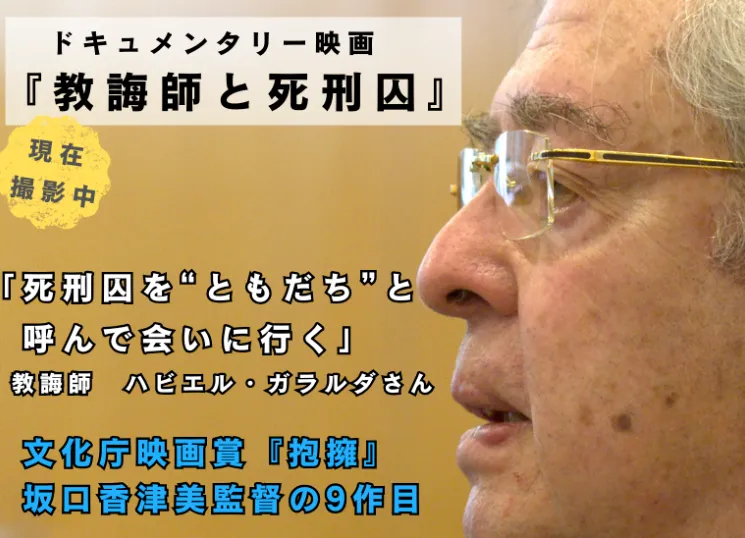
Exploring the Themes of Crime and Punishment Through 'The Chaplain and the Death Row Inmate'
A New Perspective on Justice in Japan
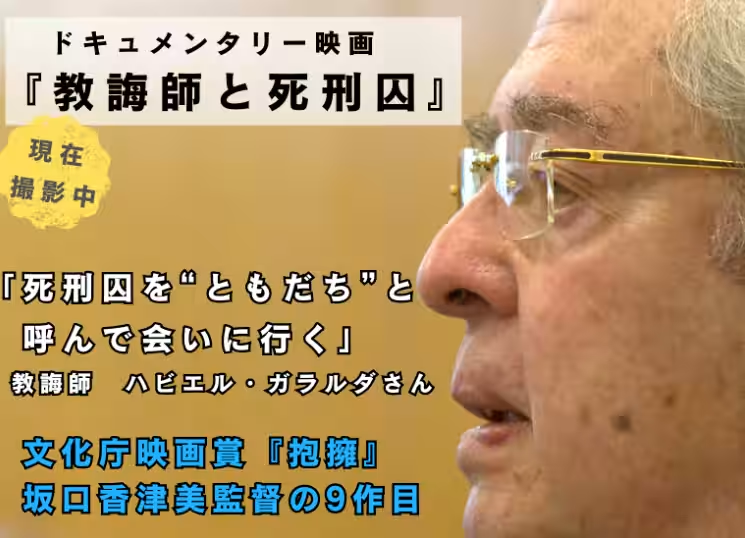
The documentary film 'The Chaplain and the Death Row Inmate' is set to challenge the themes of crime and punishment through the eyes of a 94-year-old Spanish priest, Father Javier Garralda. Produced in collaboration with C&R Company, this project seeks funding through the crowdfunding platform Motion Gallery. This initiative is not just about filmmaking but also about engaging with the pressing topic of capital punishment in Japan, a country where public opinion remains heavily in favor of the death penalty despite global movements towards its abolition.
Significance of the Film
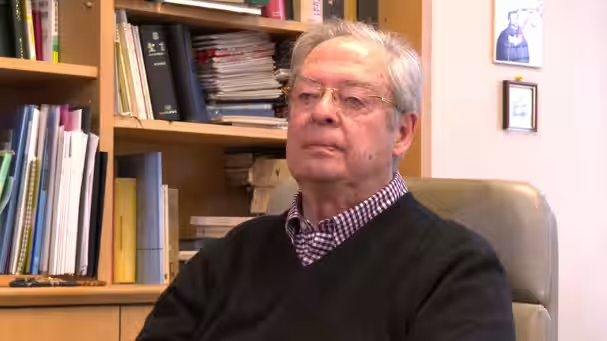
In Japan, where 80% of the population supports the death penalty, 'The Chaplain and the Death Row Inmate' offers a crucial exploration of the penal system through the lens of one dedicated chaplain. Father Garralda has been visiting death row inmates at the Tokyo Detention Center since 2000, providing spiritual guidance and advocating for their humanity even in the face of unforgivable crimes. The film aims to shed light on the complexities surrounding capital punishment, forcing viewers to grapple with questions of morality, redemption, and the value of human life.
The Journey of Father Javier Garralda
Father Garralda, a seasoned Jesuit priest born in Madrid in 1931, has had a long and impactful career in Japan. Since his arrival in 1964, he has dedicated his life to various forms of ministry, particularly focusing on the spiritual care of inmates. His ongoing relationship with inmates provides rich, emotional insights into the realities of life on death row. Viewers will witness the fragile yet intense bonds formed during the encounters between the chaplain and the inmates, revealing how these meetings serve as a lifeline in their isolated existence.
The documentary captures raw moments right after these visits. The candid expressions and words shared by Father Garralda convey the warmth and depth of their interactions, painting a picture of compassion against a backdrop of societal judgment. As he refers to the inmates as his 'friends,' audiences will come to understand the unique role he plays as their final emotional refuge.
Key Themes and Audience Impact
This film is not just about death row but also dives deep into fundamental questions about humanity, sin, and the necessity of atonement. After watching, audiences may feel compelled to discuss the intricacies of guilt and punishment, reflecting on their own beliefs regarding justice.
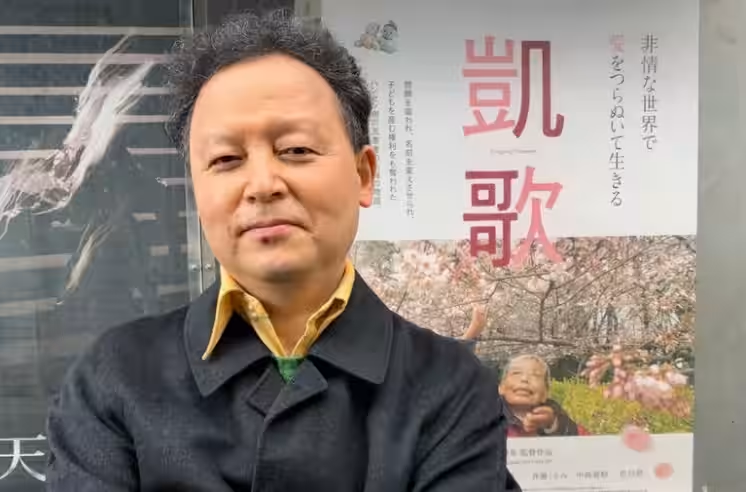
As confirmed by director Kazumi Sakaguchi, the intent behind this documentary goes beyond merely depicting the grim realities of capital punishment. Instead, it opens a dialogue on why Japan maintains such practices, urging individuals to evaluate their own perspectives on life and dignity. This evocative narrative is poised to evoke strong emotional responses, making it a must-watch for anyone concerned about humanity's moral compass.
Details of the Crowdfunding Project
Objective and Funding
The goal of this crowdfunding initiative is set at 3,500,000 yen to facilitate final editing processes and enhance production quality. The film's creation stems from the founders’ commitment to artistic freedom, refraining from accepting any organizational funding. Instead, resources are drawn from previous project earnings and personal contributions, ensuring the film can genuinely express its core themes without constraints.
Project Timeline
The documentary is expected to conclude filming by February 2026. Following this, editing and other production tasks will commence, with a planned release date in Tokyo in Fall 2027. The filmmakers are focusing on quality and aim to share this impactful story with international film festivals and audiences thereafter.
Through dedicated support and engagement of individuals interested in the documentary genre or those invested in social justice, 'The Chaplain and the Death Row Inmate' seeks to inspire a shift in perception surrounding crime and punishment. The film promises to resonate deeply, leaving viewers questioning not only the fate of the inmates featured but also their own views on justice in society.
Topics Entertainment & Media)

【About Using Articles】
You can freely use the title and article content by linking to the page where the article is posted.
※ Images cannot be used.
【About Links】
Links are free to use.