



A Detailed Survey on Selecting LLMO Support Companies for B2B Businesses
Unveiling the Challenges in Choosing LLMO Support Companies for B2B Businesses
In a comprehensive study conducted by IDEATECH, the selection process for LLMO (Large Language Model Optimization) support companies among B2B marketers has been put to the test. Targeting 329 marketing professionals involved in mitigating the impacts of conversational AI, the survey reveals insights into the challenges they face and the criteria they prioritize when selecting external support.
Overview of the Findings
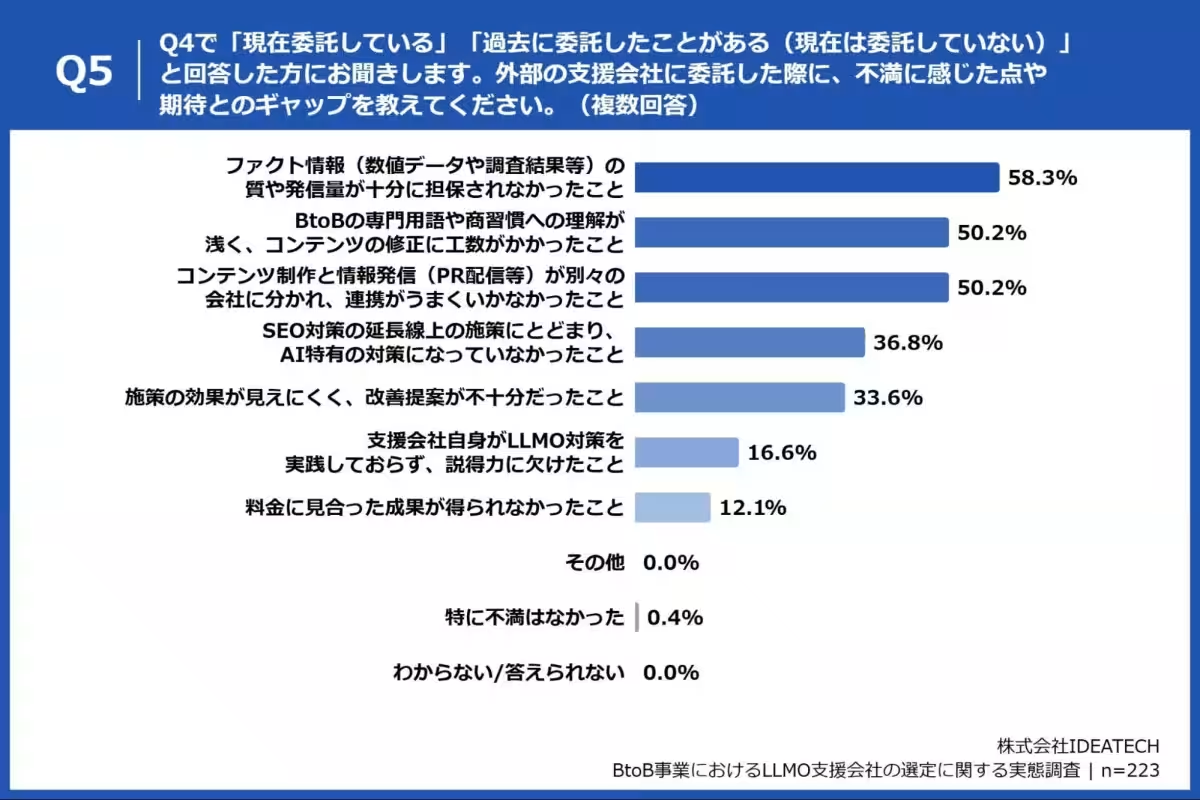
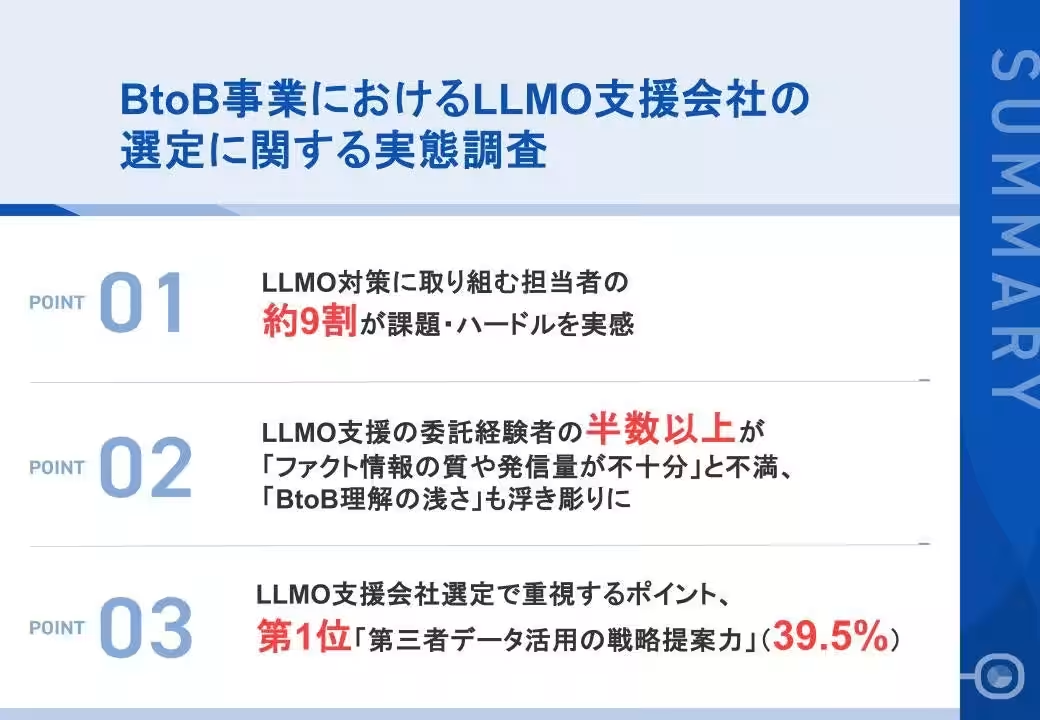
The survey indicates that 86.6% of marketers engaged in LLMO initiatives express that they encounter significant hurdles in their efforts. Among support company users, 58.3% report dissatisfaction concerning the quality and quantity of factual information. A remarkable 39.5% highlight that effective proposals utilizing third-party data stand out as the top criterion in the selection process.
Key Insights from the Survey
1. The Perceived Challenges
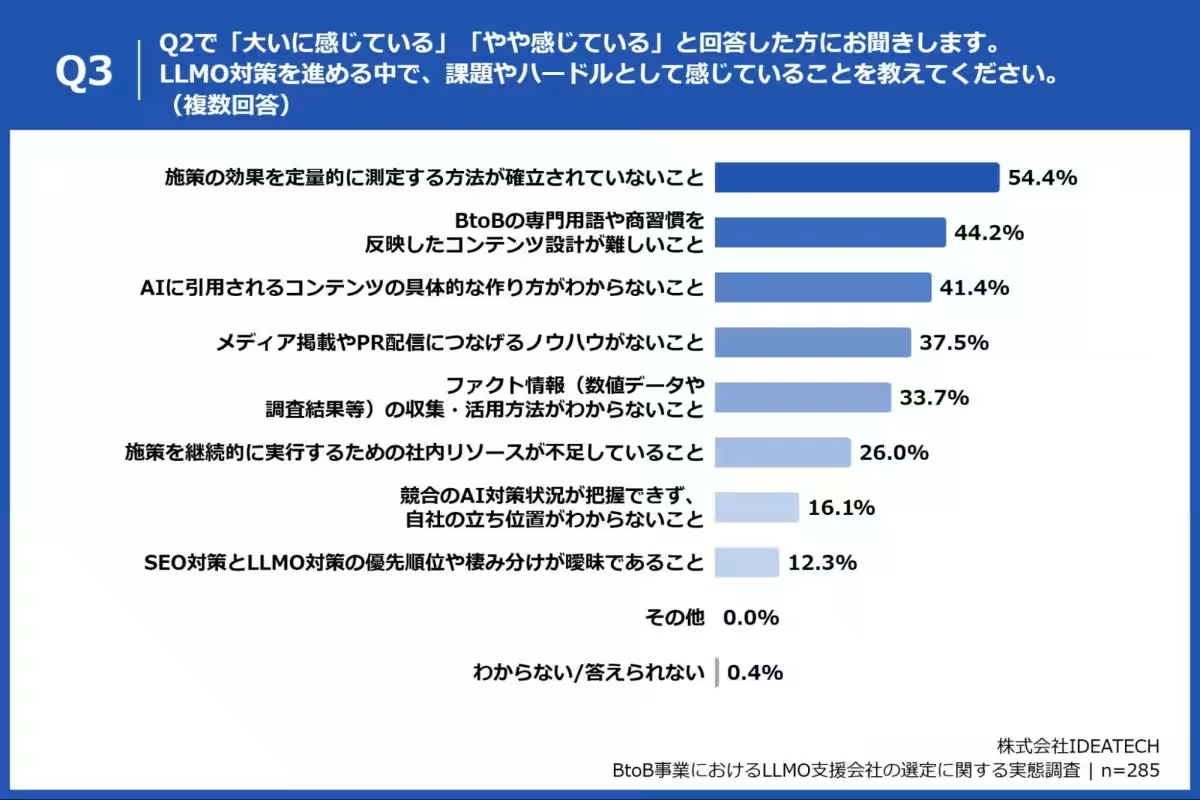
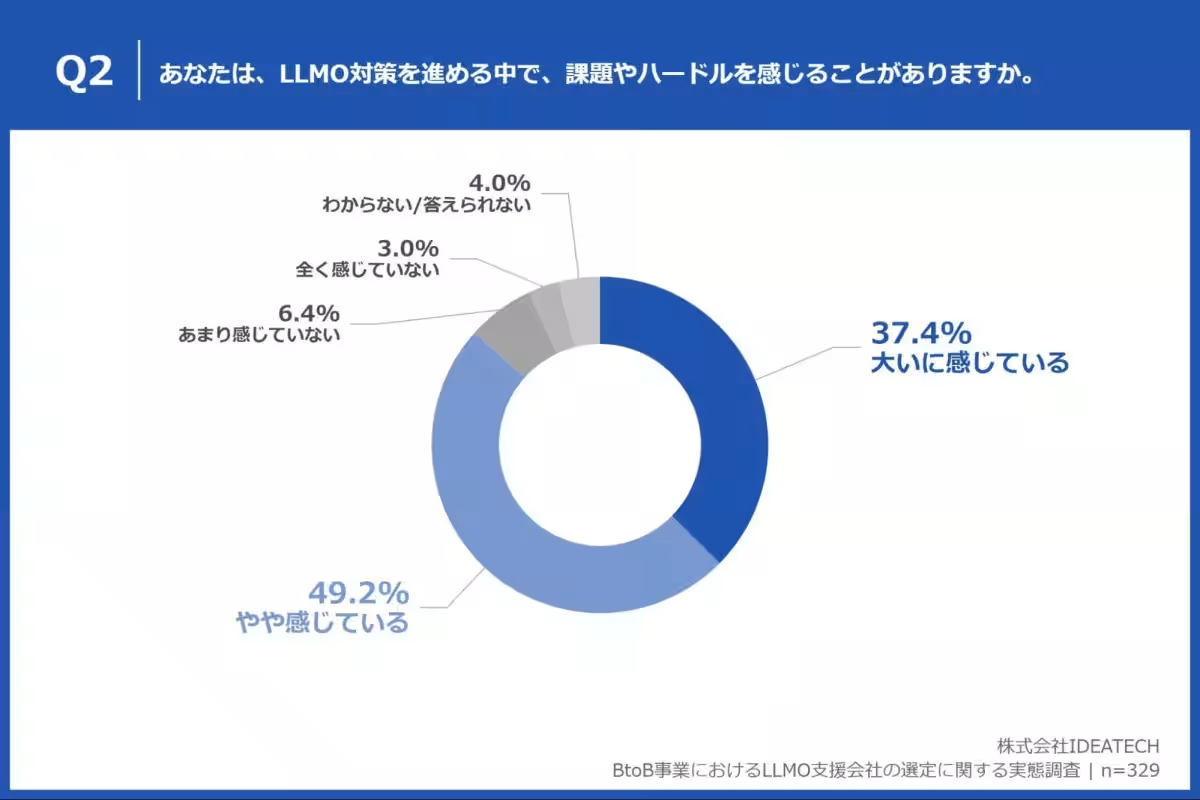
An overwhelming 90% of respondents acknowledge the challenges tied to LLMO initiatives. 37.4% report feeling these challenges significantly, while 49.2% indicate that they feel them to a lesser degree. The primary concerns identified include the absence of quantifiable methods to measure the effectiveness of strategies, which 54.4% of respondents stated as a significant hurdle.
2. The Demand for High-Quality Support
Half of the respondents who have outsourced LLMO support express concerns regarding the lack of quality and volume in the factual information provided to them. This indicates a gap in understanding the nuances of B2B sectors, with 50.2% also citing gaps in comprehending B2B-specific terminology and commercial practices as a major issue. Consequently, this emphasizes the importance of aligning support companies with the particular demands of the B2B landscape.
3. Selection Criteria for Support Companies
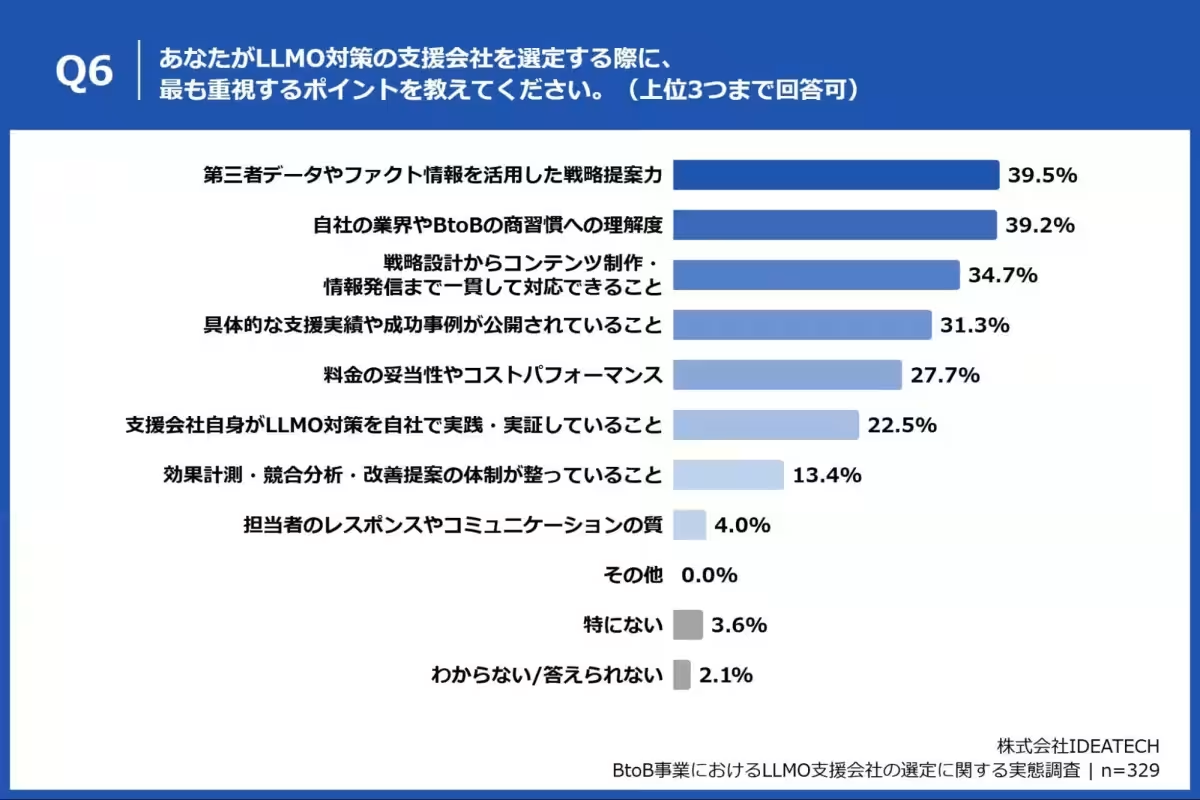
Amid the selection of LLMO support firms, the three critical factors identified by 39.5% of marketers are:
- - Strategic proposals utilizing third-party data
- - The understanding of B2B commercial practices
- - Ability to manage comprehensive processes from strategy to content dissemination
Overview of Current Strategies by Marketers
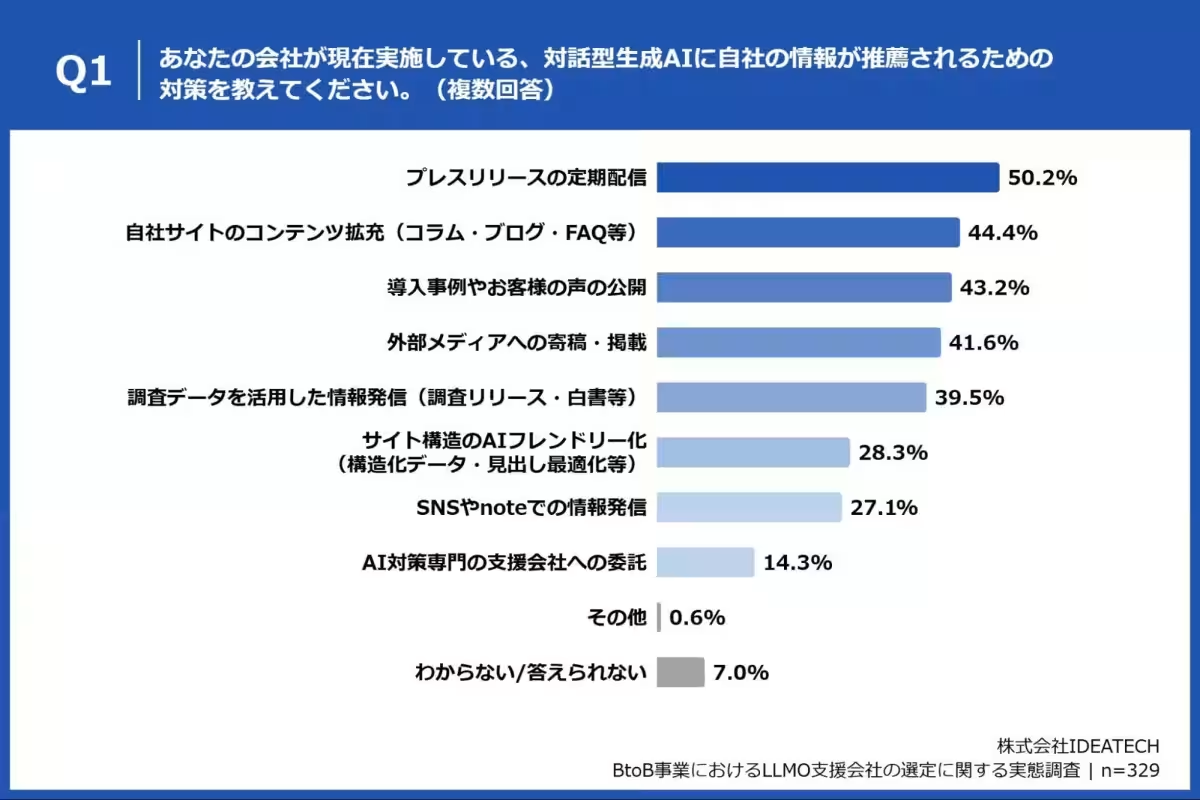
According to the study, the most frequently adopted strategies involving LLMO frameworks include:
- - Regular press releases (50.2%)
- - Content enrichment on corporate websites (44.4%)
- - Publication of case studies (43.2%)
Understanding the B2B Perspective
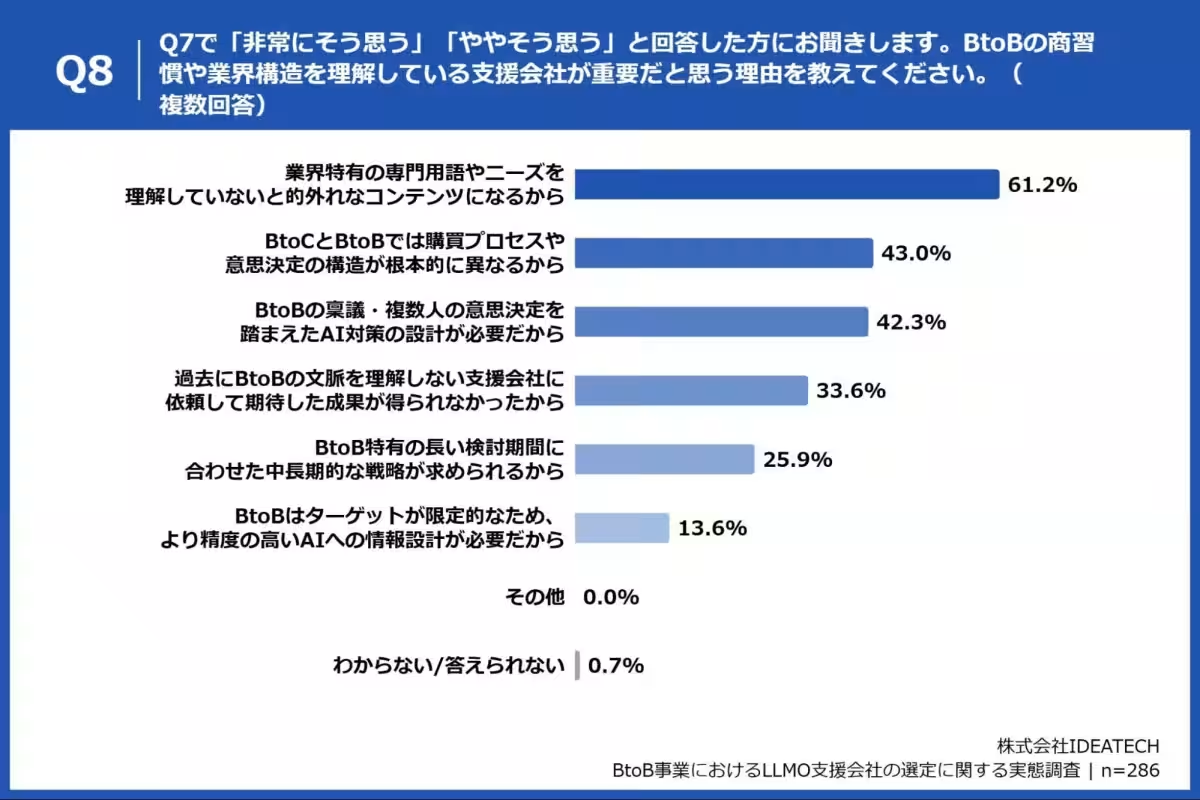
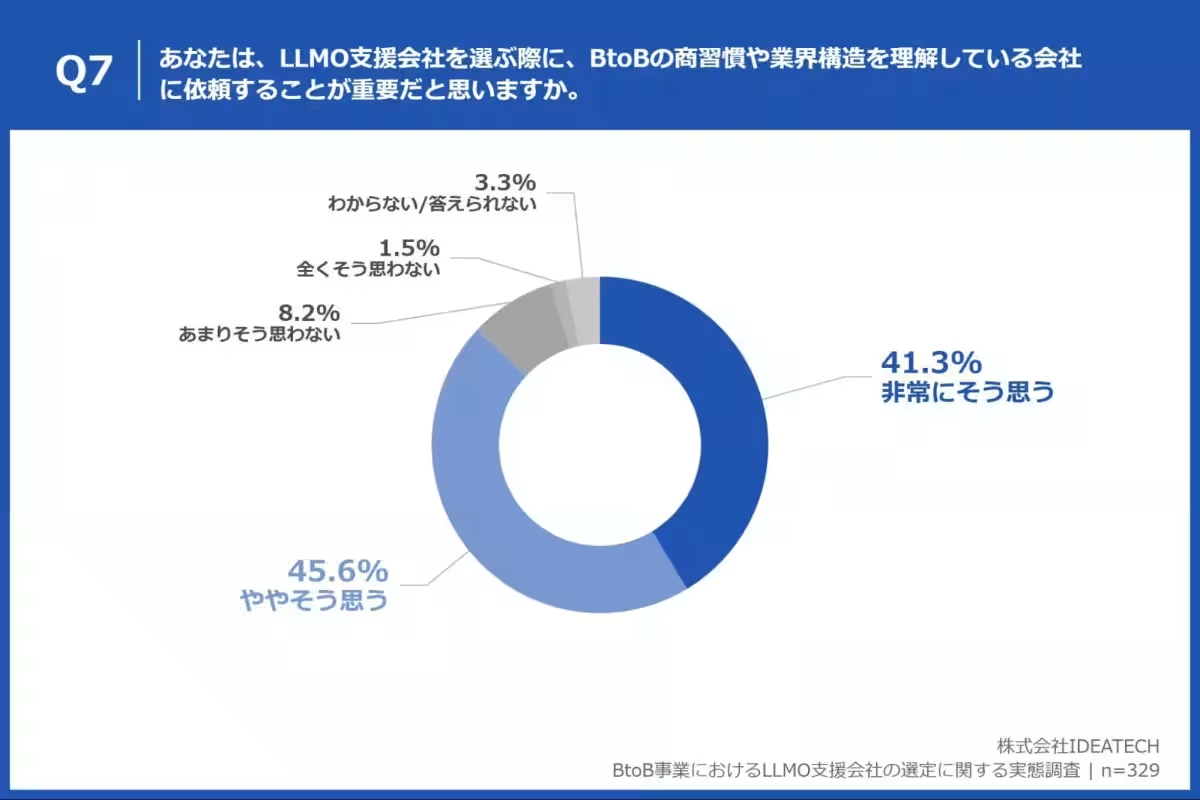
The survey also sheds light on why 86% of marketers believe that working with companies that understand B2B practices is crucial. Respondents emphasize that not grasping the unique needs and terminologies can lead to off-target content, a concern raised by over 61% of them. Marketers recognize the distinct differences in purchasing processes and decision-making structures between B2B and B2C, thereby necessitating adaptive strategies and solutions.
Conclusion
This investigation provides essential insights into the practical hurdles faced by B2B marketers in fortifying their LLMO strategies. The findings clearly articulate a pressing need for tailored support reflecting the intricacies of B2B environments. Moving forward, the selection of LLMO support partners should hinge on their audit capabilities vis-à-vis B2B intricacies and their facility with third-party data analysis.
For professionals eager to delve deeper into LLMO strategies and needs, IDEATECH's Risa-Pei® services offer robust methodologies and insights tailored to discerning markets.
To access the complete findings of this survey, please visit here.
For further inquiries and support regarding content strategies, IDEATECH invites you to reach out through our contact page.
Topics Business Technology)
【About Using Articles】
You can freely use the title and article content by linking to the page where the article is posted.
※ Images cannot be used.
【About Links】
Links are free to use.