



Master Lock Sentry Introduces New Disaster Preparedness Concept to Protect Valuables
Master Lock Sentry's Innovative Approach to Disaster Preparedness
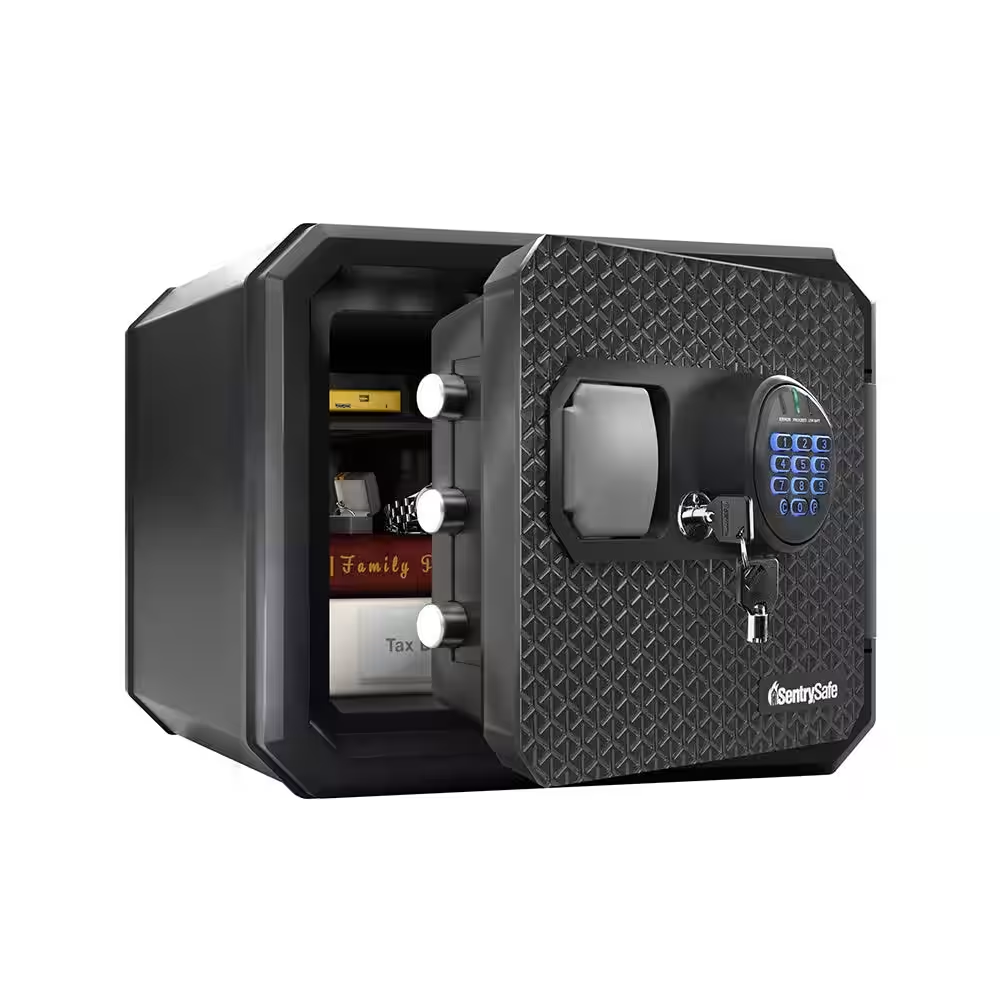
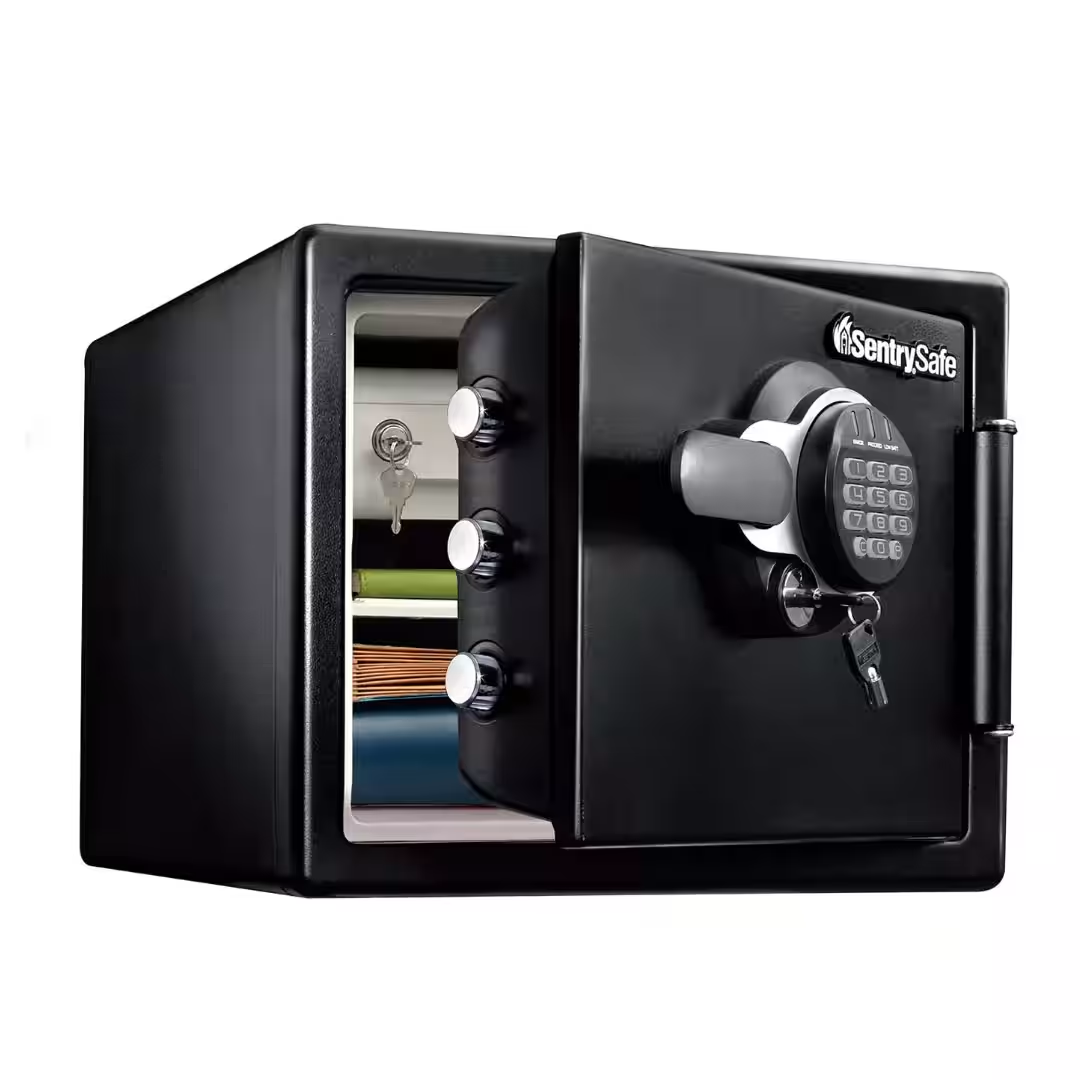
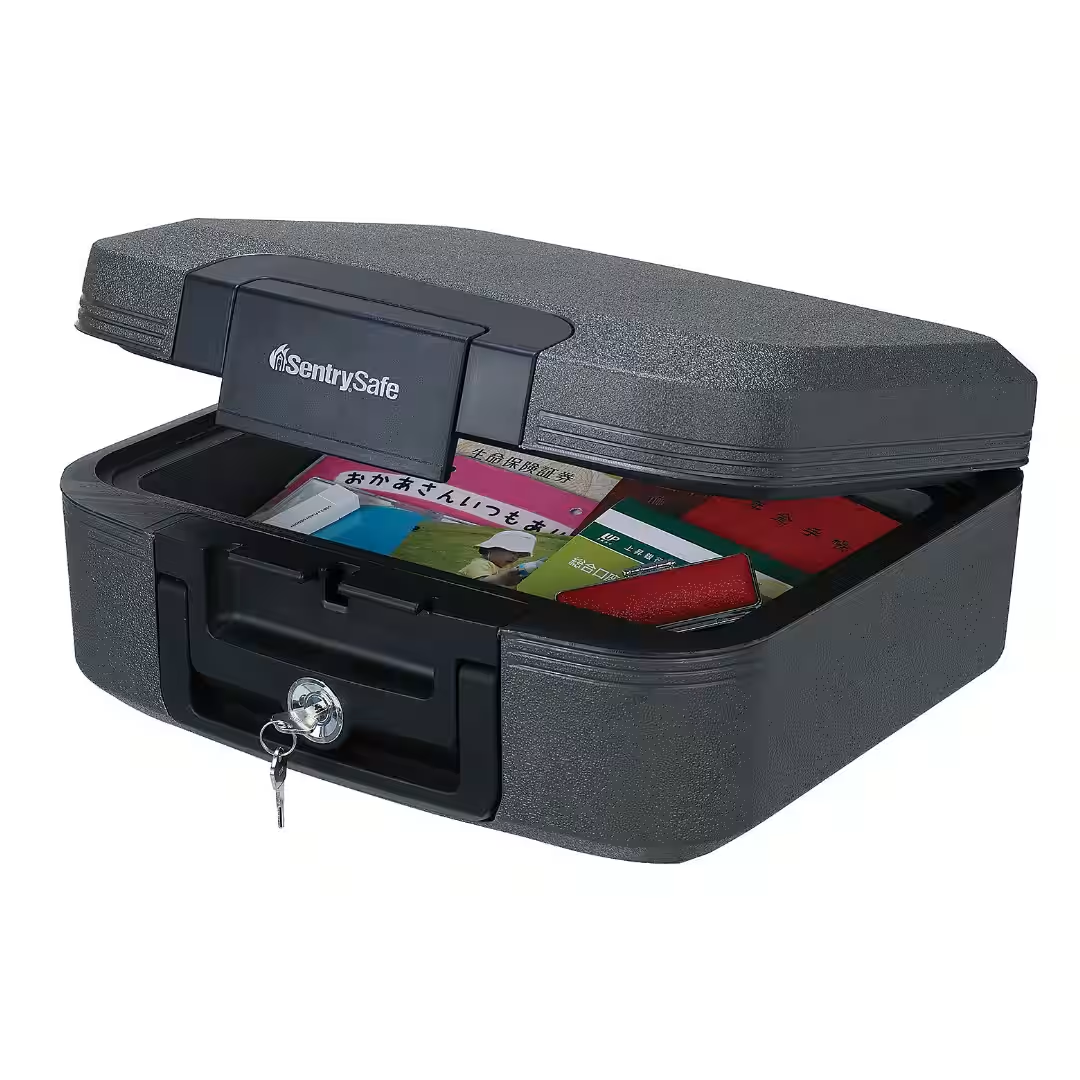
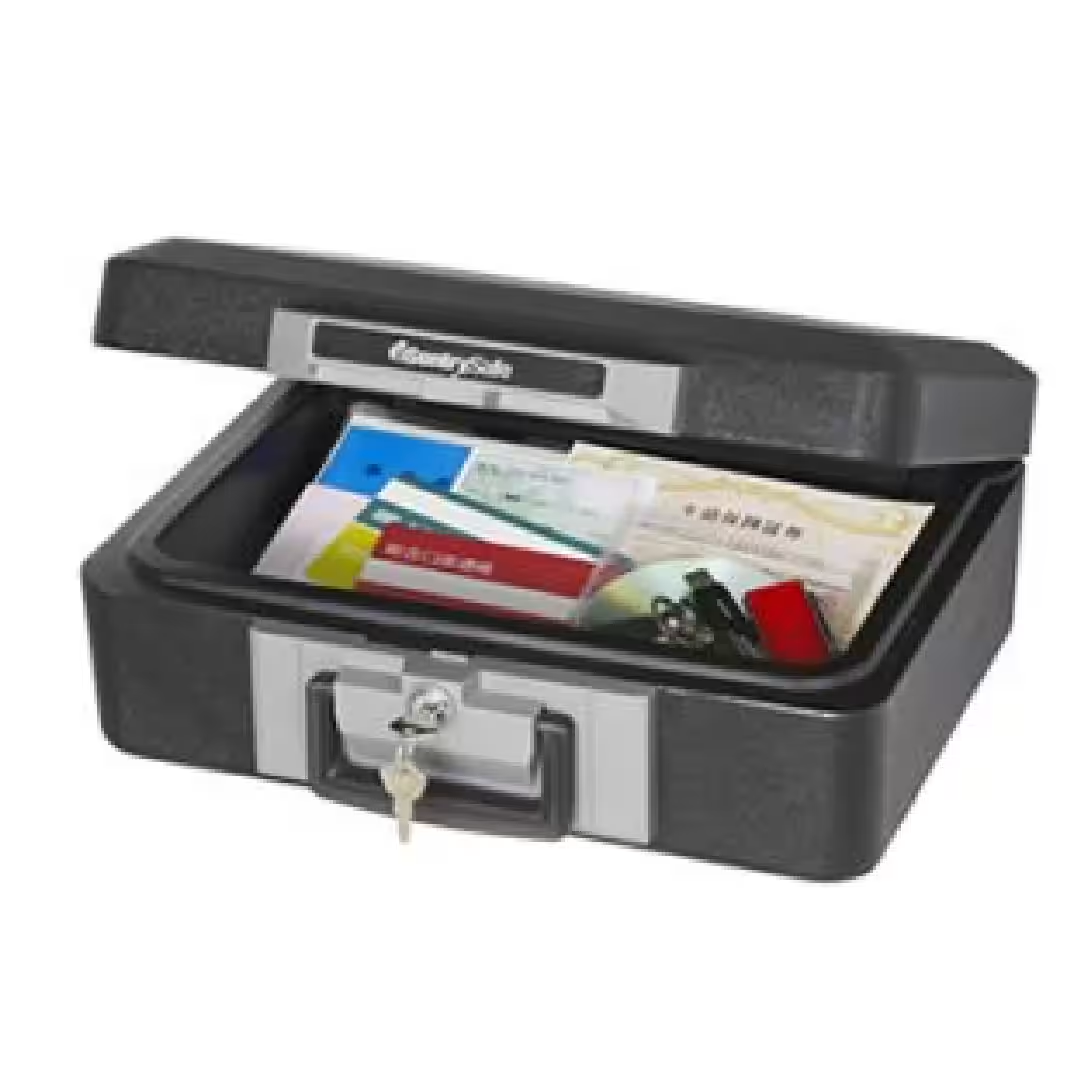
In a world where disasters can strike at any moment, preparedness is not just an option, but a necessity. Master Lock Sentry Japan, based in Shinagawa, Tokyo, is advocating for a fresh perspective on disaster readiness through its new initiative called "Escape-Only Disaster Preparedness". This approach emphasizes the importance of protecting cherished belongings using fireproof and waterproof safes, promoting the idea that while one must evacuate quickly during an emergency, it is equally vital to safeguard what matters most left behind at home.
Understanding the Concept of Escape-Only Disaster Preparedness
The concept of "Escape-Only Disaster Preparedness" combines traditional evacuation practices with an innovative twist. Traditionally, individuals have relied on emergency bags to carry essential items, termed as "bring-it-along" preparedness. However, this new methodology suggests that individuals should also focus on preserving items they value deeply. It recognizes the emotional attachments and practical needs that people often have for their personal items during an evacuation, thus categorizing them as "leave-it-behind" preparedness.
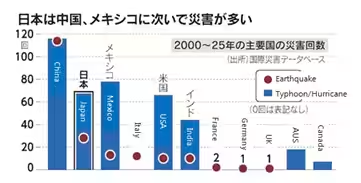
The urgency for such initiatives is underscored as Japan marks the 15th anniversary of the East Japan Earthquake in 2026, alongside the establishment of the Disaster Management Agency. With seismic activity being a regular occurrence in Japan, where earthquakes of magnitude 5 and above reportedly account for nearly one-tenth of global seismic incidents, and alarming predictions indicating a 70% chance of an M7 earthquake in the Southern Kanto region within the next 30 years, the need for robust disaster preparedness has never been greater.
Recent Trends Highlighting the Need for Disaster Readiness
Moreover, with climate-related phenomena escalating, there has been a 1.5-fold increase in heavy rainfall events over the last 40 years, as noted by the Ministry of Land, Infrastructure, Transport and Tourism. Given these statistics, Master Lock Sentry’s innovative use of safes as a vital disaster preparedness element is a step towards a more comprehensive safety strategy for homes in disaster-prone regions.
Insights from Disaster Preparedness Expert
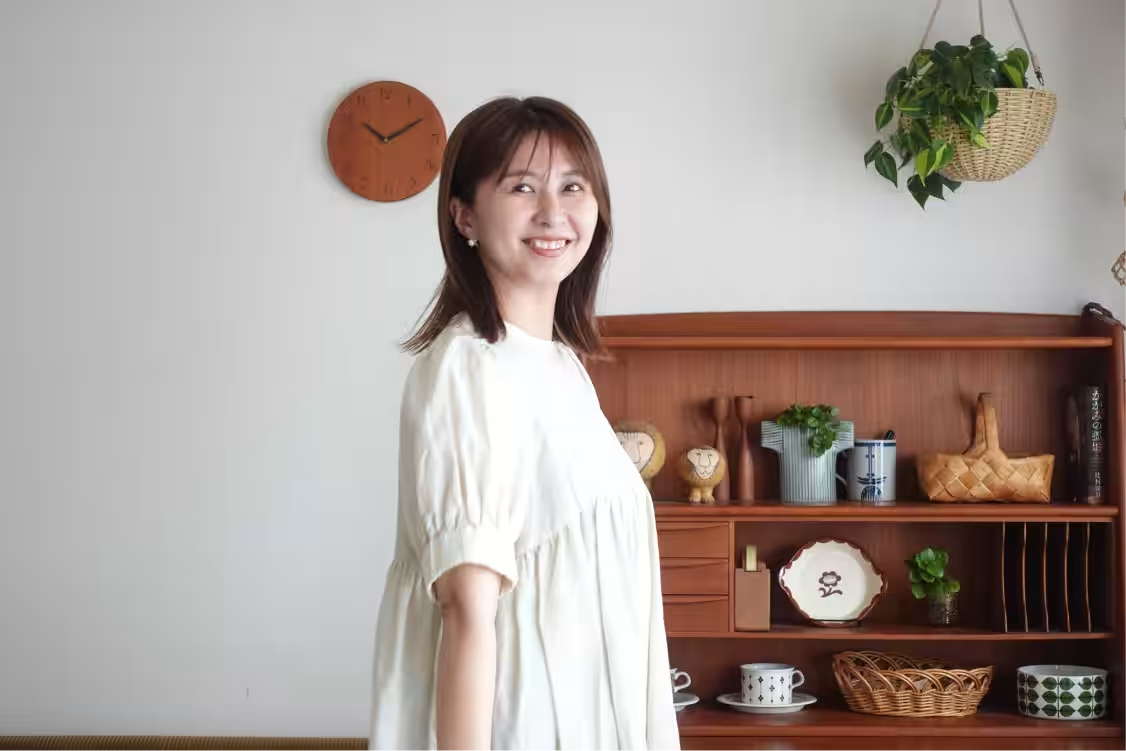
Disaster preparedness specialist and organizer, Ms. Misa Fujita, emphasizes the significance of understanding what constitutes invaluable items for families. Every individual possesses certain belongings that evoke strong emotions, and making decisions about what to carry during an evacuation can be stressful, particularly for the elderly. For effective preparedness, Ms. Fujita recommends establishing a second-choice bag, which can ease anxiety for those who may worry about leaving important items behind.
"A backup bag can provide tremendous reassurance. By having predetermined categories, including a safe that couples as a decorative household item, families can engage in discussions about what constitutes valuable items without feeling overwhelmed," says Fujita.
How to Implement Escape-Only Disaster Preparedness
Master Lock Sentry suggests the following actionable steps to implement this new approach:
1. Study the Hazard Map: Familiarize yourself with the risks in your area.
2. Choose Amenities Wisely: Identify personal belongings that are crucial but do not need to be transported during an evacuation.
3. Designate a Safe Storage Location: Utilize the safe for keeping valuable items, whether locked or not, based on your routine and needs.
Important Considerations for Using Safes
Ms. Fujita urges individuals to check hazard maps pertinent to their residences and evaluate evacuation necessities. Having this knowledge can streamline preparations and yield a more effective response when a disaster strikes.
Essentials to Carry During an Evacuation
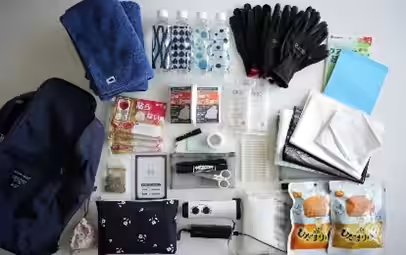
Based on her extensive research, here are items Ms. Fujita includes in an emergency supply set:
- - Cash (small denominations)
- - Water supply for each family member
- - LED flashlight (ideally multifunctional with radio and siren capability)
- - Portable battery
- - Extra clothing and light snacks
- - Hygienic supplies like masks and sanitizing wipes
Items to Safeguard at Home
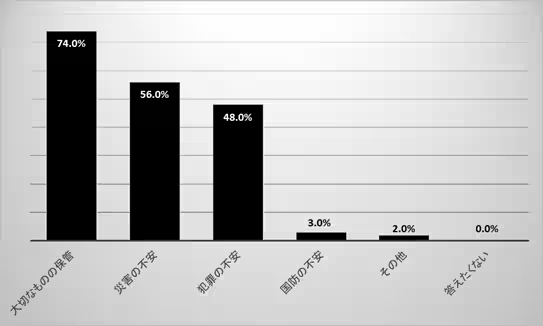
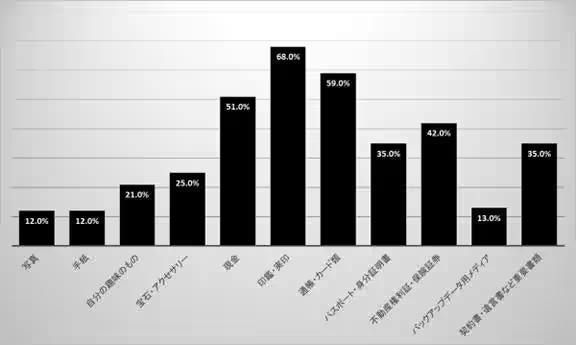
Conversely, rather than placing items into evacuation bags, it’s advisable to categorize priceless belongings that can remain at home for future use, fostering a positive mindset during the evacuation process. Individuals are urged to consider this balance, especially in light of data indicating that cash, legal documents, and sentimental items are commonly stored in safes.
As Japan navigates its challenges posed by natural disasters, mastering preparedness through initiatives like Master Lock Sentry's will foster a more secure environment, encouraging families to thrive despite uncertainties.
For further information on Master Lock’s safes that align with the “leave-it-behind” and “bring-it-along” concepts, visit their official website.
Topics Policy & Public Interest)
【About Using Articles】
You can freely use the title and article content by linking to the page where the article is posted.
※ Images cannot be used.
【About Links】
Links are free to use.