




New Survey Reveals Insights on Bicycle Blue Ticket Awareness and Usage in Japan
Understanding the Bicycle Blue Ticket System in Japan
In a recent survey conducted by Loyalty Marketing Co., Ltd., in collaboration with the popular radio program, "Mabuchi & Watanabe’s #BizTopi," the awareness and impact of the Bicycle Blue Ticket system, implemented on April 1, 2026, were thoroughly analyzed. This investigation focused particularly on those aged 20 to 60 who bike several times a year, and the results revealed significant insights into user behavior and compliance with cycling laws.
The Awareness Level of the Blue Ticket System
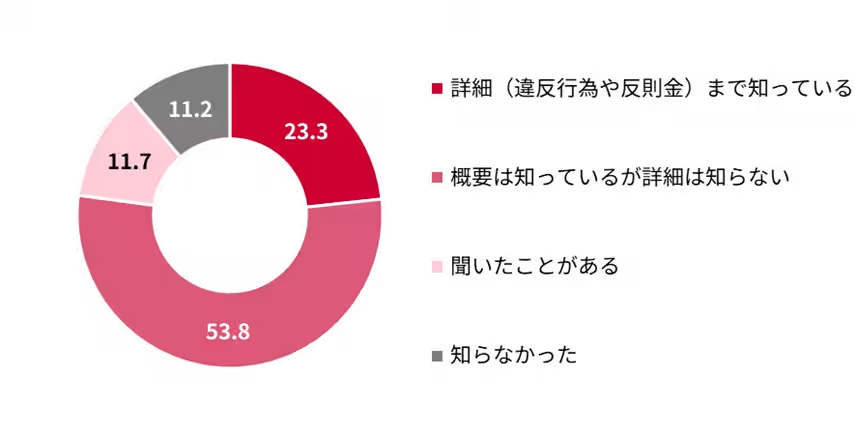
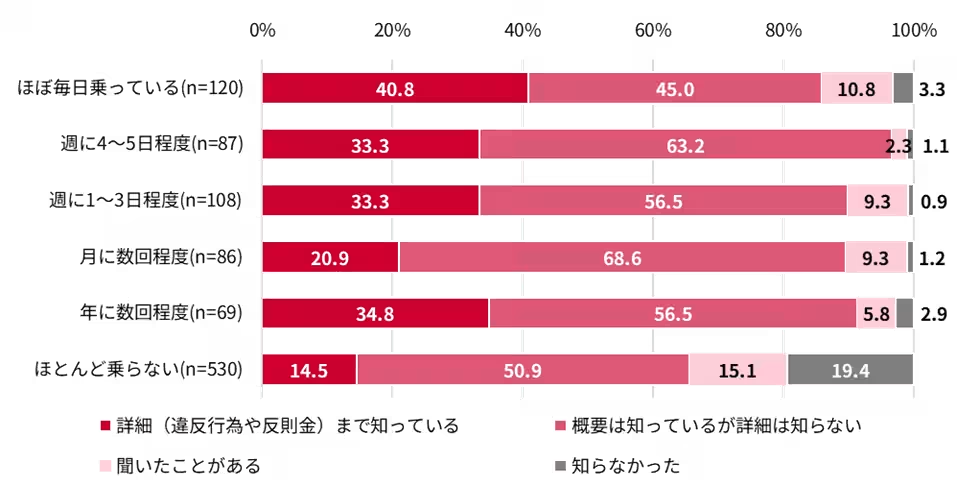
The survey found that overall awareness of the Blue Ticket system stands impressively at 88.8% among the general cycling population. When narrowed down to users who bike a few times a year or more, this awareness skyrockets to over 95%. Specifically, among those cycling nearly every day, 40.8% claim to know the rules in detail. This high level of recognition highlights the effectiveness of public awareness campaigns and the importance of education in promoting road safety amongst cyclists.
Breakdown of Awareness Levels
The survey categorized awareness levels as:
- - Knowledge of Details (23.3%): Understanding the specific violation actions and related fines.
- - Overview Awareness (53.8%): Familiarity with the system but lacking detailed knowledge.
- - Heard of It (11.7%): Just a general awareness without specifics.
These results suggest that while many recognize the Blue Ticket, there remains a need for deeper education on specific rules and penalties, especially among those new to cycling.
Common Violations Associated with the Blue Ticket
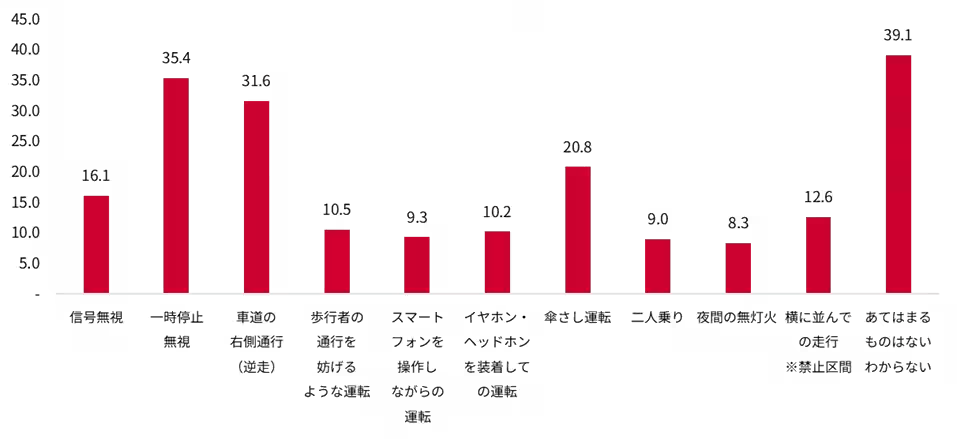
Participants were asked to disclose any violations they had committed or might commit under the Blue Ticket system. The results were concerning:
- - Ignoring Stop Signs (35.4%): The most common behavior.
- - Riding on the Wrong Side of the Road (31.6%): Often leading to dangerous situations.
- - Using an Umbrella While Riding (20.8%): Highlighting a disregard for safety.
Additionally, 9.3% of respondents admitted to using a smartphone while cycling, demonstrating a worrying trend in distracted biking. This underscores the need for constant dialogue and education on safe cycling practices to ensure user accountability.
Increase in Safety Awareness Post-Implementation
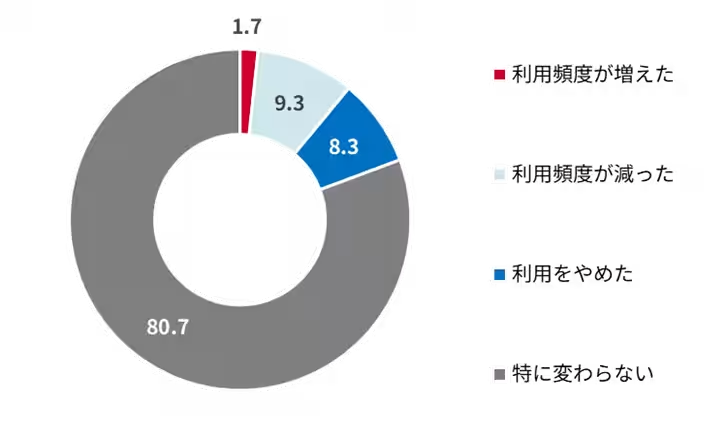
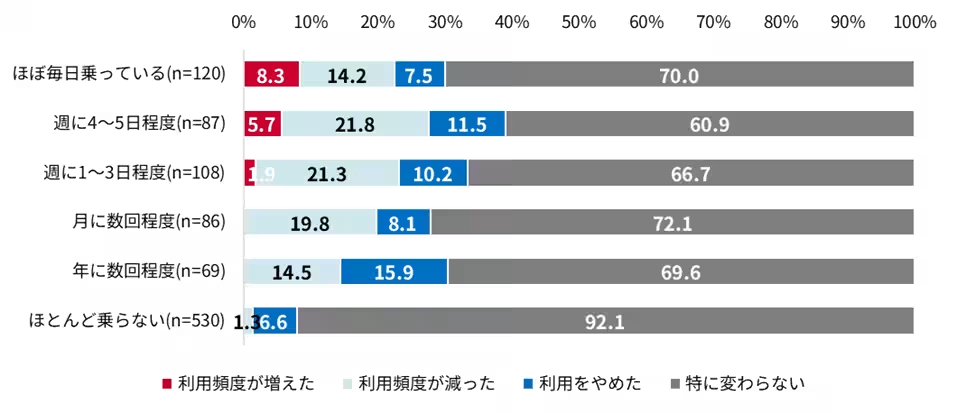
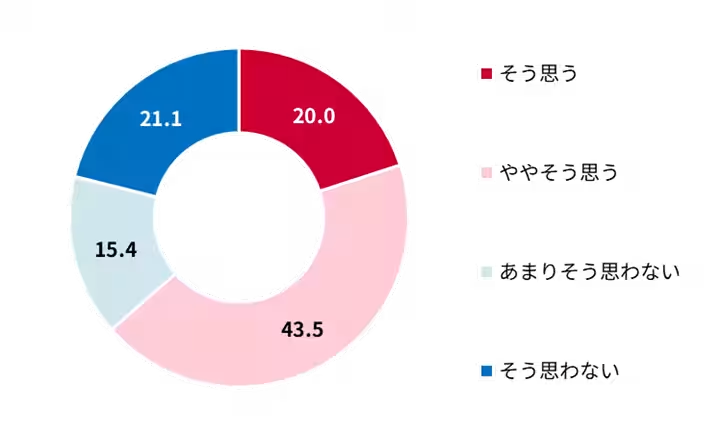
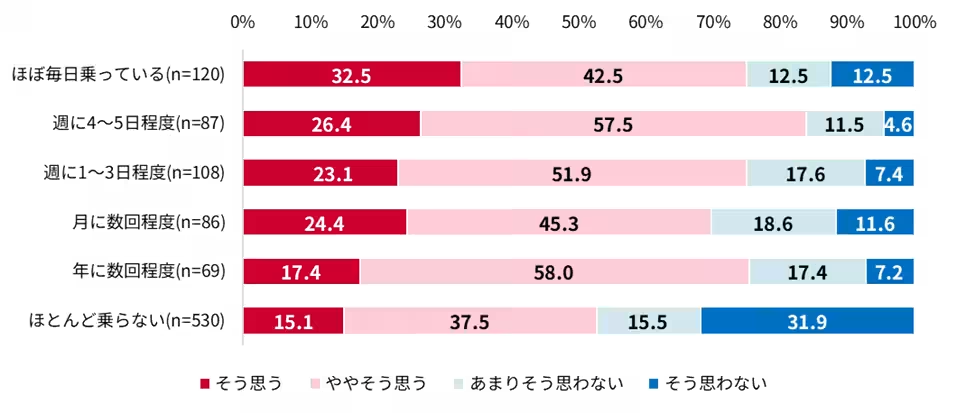
Post-implementation responses indicated that 63.5% felt their cycling awareness had heightened since the introduction of the Blue Ticket system. Though 80.7% claimed their cycling frequency had remained constant after the policy was introduced, around 20% of frequent users noted a reduction in their biking activity. This shows that while many maintain their cycling habits, there is a prevailing attitude towards greater safety consciousness among those affected.
Actions Taken Regarding Children’s Cycling
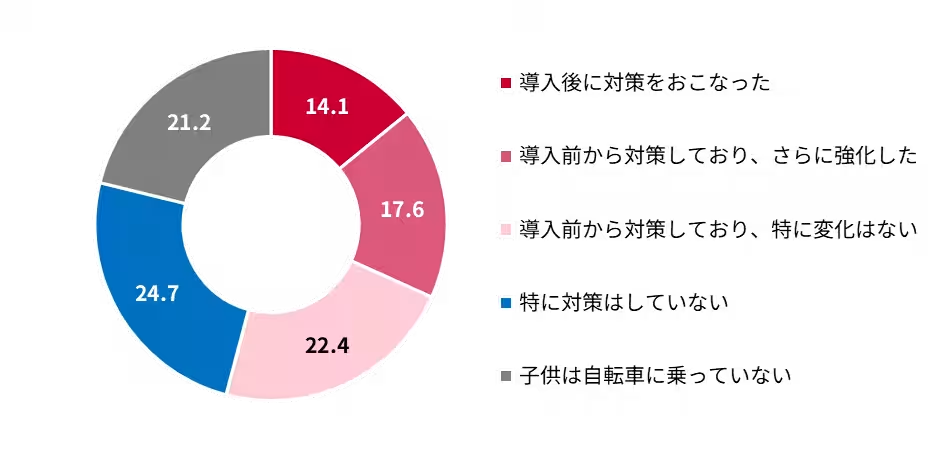
The survey also explored how parents of children living with them approached cycling regulations after the Blue Ticket’s rollout. Among respondents with children under high school age:
- - 14.1% started new safety measures post-implementation.
- - 17.6% had already been educating their children but stepped up efforts.
Specific strategies included explaining the rules, discussing violations through brochures, and accompanying their children to model safe riding practices. This illustrates a proactive effort among parents to instill responsible cycling habits in their children.
Expert Comments from the Radio Show
Economist Mariko Mabuchi emphasized that the high 88.8% recognition of the Blue Ticket among cyclists warrants attention, especially considering the 63.5% of respondents reported heightened awareness of cycling safety. She pointed to deterrent theories advocating for continuous education and enforcement to combat cycling violations.
Economic analyst Hiroaki Watanabe expressed surprise at the rapid increase in recognition attributed to media and public announcements. He noted potential gaps in understanding basic cycling laws, indicating a necessity for ongoing education efforts to facilitate safe cycling practices, especially for those without drivers' licenses.
In summary, while the Blue Ticket initiative reflects a promising stride towards enhancing cycling safety, persistent challenges, including understanding and infrastructural development, require collaborative efforts moving forward. Balancing enforcement with education and infrastructure improvements is key to fostering a safer cycling environment in Japan.

Topics Other)




【About Using Articles】
You can freely use the title and article content by linking to the page where the article is posted.
※ Images cannot be used.
【About Links】
Links are free to use.