



Ichikakuya and Abura Soba: The Hybrid Store Concept Revolutionizing Japanese Noodle Chains
Innovating Japanese Noodle Chains: The Rise of Ichikakuya and Abura Soba Hybrid Stores
Introduction to a Revolutionary Concept
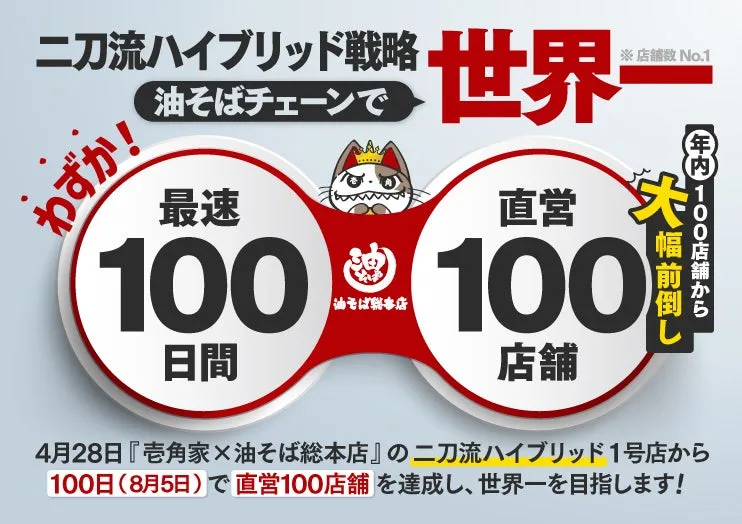
In a groundbreaking move, Garden Co., Ltd., headquartered in Shinjuku, Tokyo, has accelerated the expansion of its renowned Abura Soba chain through a unique hybrid store model named the "Nido-Ryu Hybrid Strategy" (二刀流ハイブリッド). This innovative approach integrates Abura Soba with the existing Ichikakuya locations, aiming to reach an impressive milestone of 100 stores within just 100 days since the renovation of the first outlet in Shibuya. This ambitious goal is not merely a number; it signals a strategic push to become the leading Abura Soba chain globally.
Understanding the Nido-Ryu Hybrid Strategy
The Nido-Ryu Hybrid Strategy stands out by merging two distinct brands under one roof. Each Ichikakuya outlet now offers not only its signature Yokohama-style ramen, known for its flavorful, creamy tonkotsu broth and chewy medium-thick noodles, but also the delightful Abura Soba, which highlights its unique oily noodles paired with carefully crafted sauces.
This dual branding utilizes existing assets such as prime locations, equipment, and workforce, enabling Garden Co. to minimize initial investments significantly. Consequently, the model effectively emphasizes rapid expansion and enhanced profitability, a combination that is vital in today's competitive foodservice industry. Operating in densely populated urban areas enhances this model's effectiveness, allowing for a faster rollout and greater customer reach.
The Iconic Ichikakuya Legacy
Ichikakuya has established itself as a beloved brand in Japan, famed for its delectable ramen that becomes irresistible after just one taste. The motto, "once you try it, you crave it; after the second serving, you can't forget it; and by the third, you can't stop indulging," perfectly encapsulates the experience. With over 100 establishments across Japan, Ichikakuya strives to bring the rich flavors and comforting essence of its ramen to the masses.
Visit Ichikakuya's official website for further information on their offerings and locations.
Dive into Abura Soba
Abura Soba specializes in delivering a lighter alternative to traditional ramen. Each bowl consists of perfectly cooked noodles, enveloped in a fragrant and savory dip, allowing patrons the flexibility to customize their dining experience with an array of toppings and sauces. The result is a dish that maintains the satisfying depth of flavor while offering a healthier alternative, making Abura Soba an appealing choice among health-conscious diners.
For a closer look at their menu, visit Abura Soba's official website.
Garden Co.: A Commitment to Excellence
Founded with the mission of creating spaces where people thrive and share joy, Garden Co., Ltd. has expanded its culinary and real estate ventures significantly since its inception. The company, which includes more than 12 restaurant brands such as Ichikakuya and Yamashita Honki Udon, has achieved remarkable success in business revitalization through M&As.
As of February 2026, employing nearly 4,000 individuals, Garden Co. has made substantial progress. The company's strategic placement of eateries in prime locations has proven advantageous in navigating Japan's dynamic food industry.
With their comprehensive approach to blending culinary arts and business strategy, Garden Co. continues to lay the groundwork for ongoing growth, aspiring to position itself as a leader in the noodle market landscape.
Conclusion
The combination of Ichikakuya and Abura Soba under the Nido-Ryu Hybrid Strategy marks a significant step in the evolution of Japanese dining. By investing in existing infrastructures, leveraging established brand equity, and prioritizing rapid expansion, Garden Co. aims not only to elevate its own status in the competitive food sector but also to set a new standard for others in the industry. With their eyes set on becoming the top Abura Soba chain worldwide, this innovative restaurant model may soon become the blueprint for future market entrants and existing competitors alike.
With the hybrid model demonstrating tangible success in just the first 100 days, observers eagerly anticipate how this strategy will shape the future of noodle chains in Japan and beyond.



Topics Consumer Products & Retail)


【About Using Articles】
You can freely use the title and article content by linking to the page where the article is posted.
※ Images cannot be used.
【About Links】
Links are free to use.