



Challenges Faced by Export-Import Companies Amid Global Economic Changes
Overview of Survey Findings
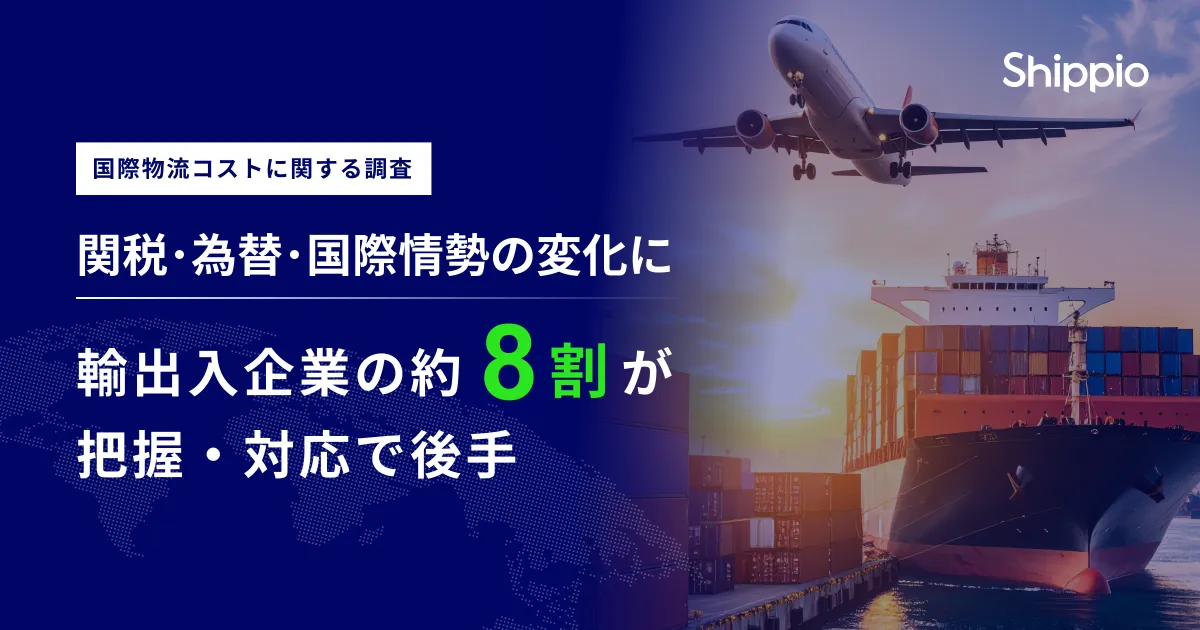
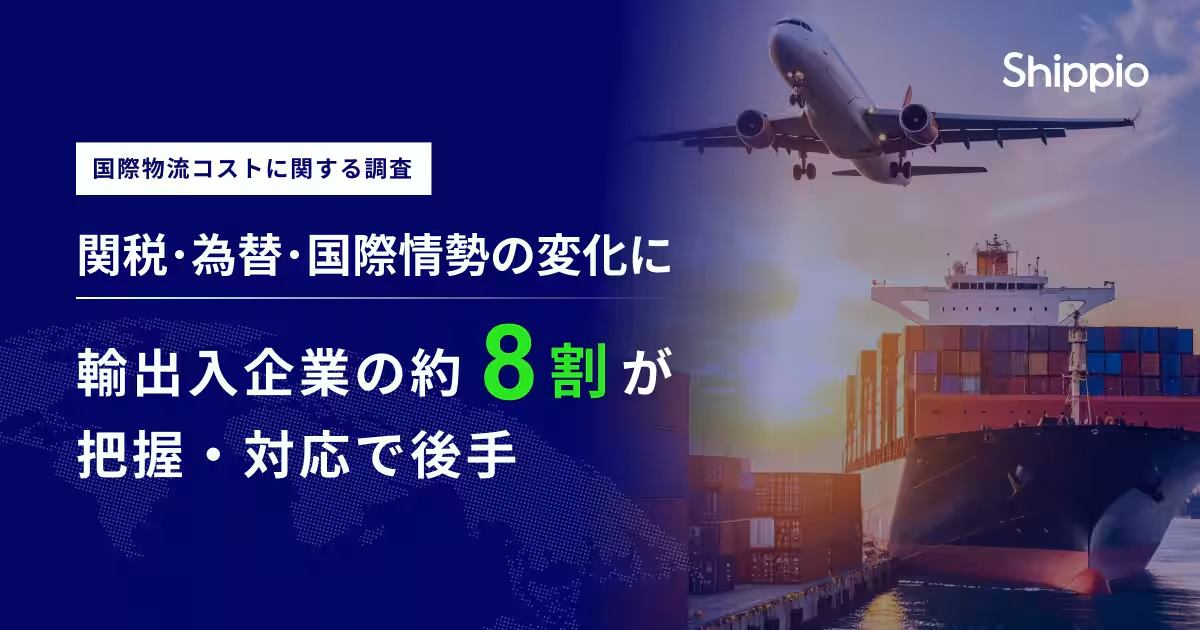
A recent survey conducted by Shippio, a logistics technology company based in Tokyo, has revealed alarming trends among export-import businesses regarding their response to fluctuating global conditions. The survey, which addressed 300 supply chain professionals in various sectors including manufacturing, wholesale, retail, and commerce, highlighted that nearly 80% of these companies feel they are lagging in their responses to significant changes in tariffs, exchange rates, and geopolitical situations.
Key Findings of the Survey
1. Inadequate Response to Global Changes
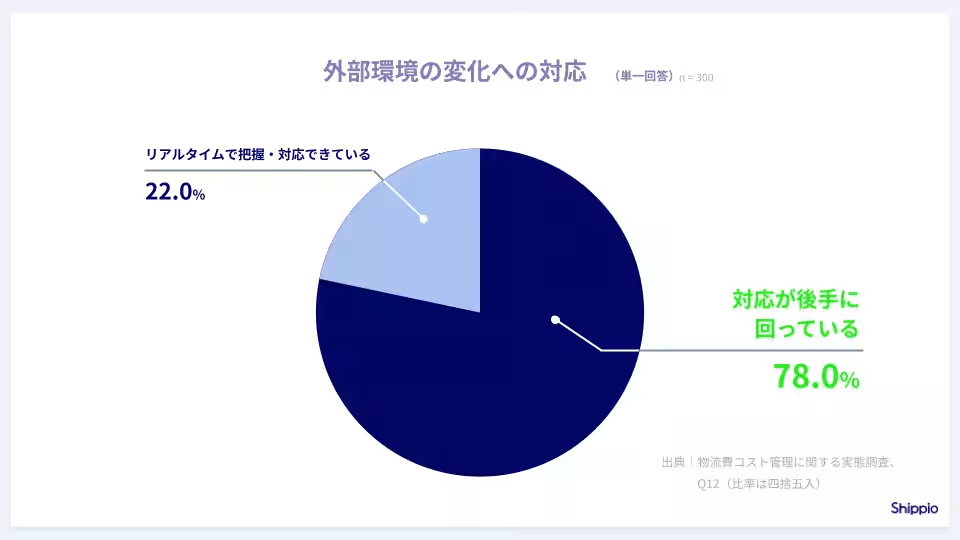
The survey sheds light on a concerning reality. Only 22% of companies report an ability to understand and react quickly to the rapid changes in tariffs and currency fluctuations, indicating a substantial gap. The majority, around 78%, find themselves responding reactively rather than proactively. This lack of readiness poses substantial risks to their operations as they fail to adapt their strategies to the increasingly volatile international trade environment.
2. Undetected Costs are Affecting Profitability
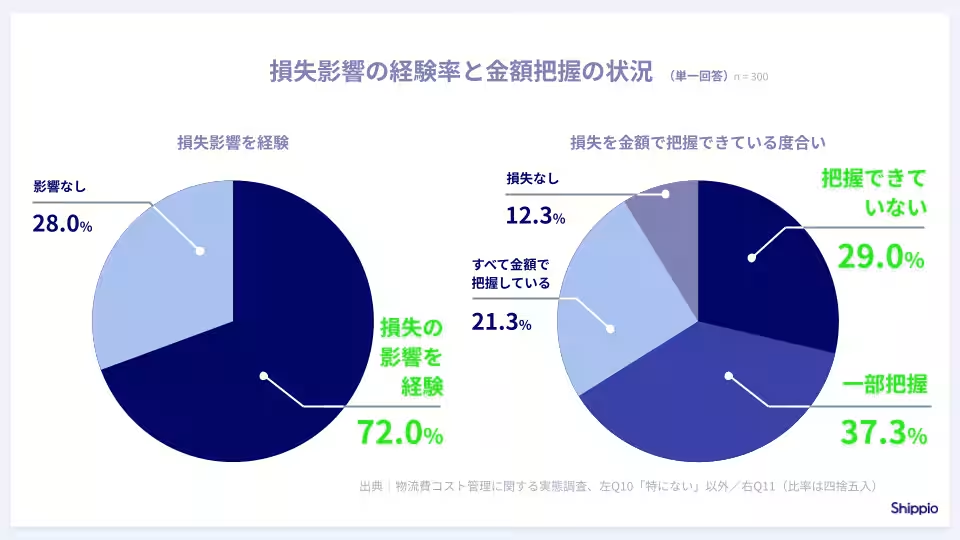
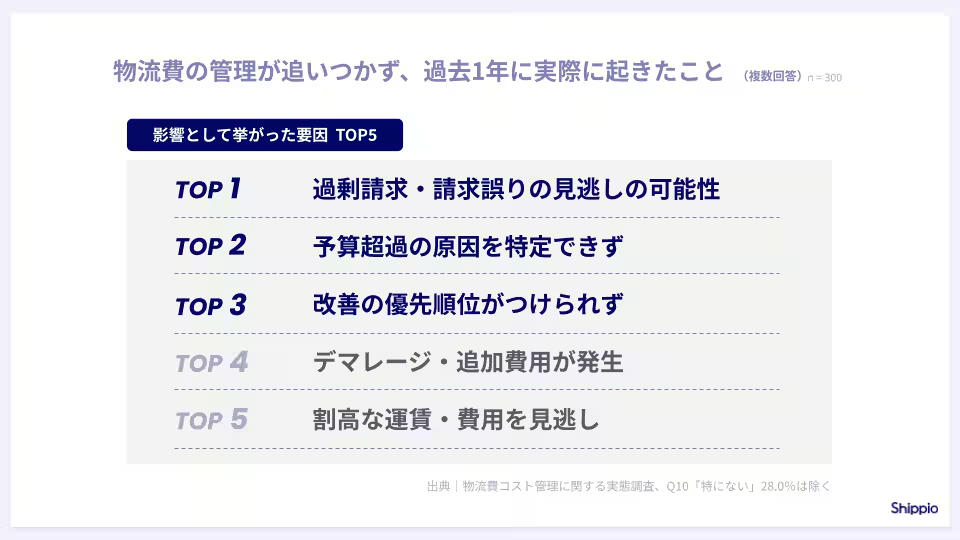
Among the respondents, 72% admitted to experiencing what they describe as 'invisible losses' due to insufficient management of logistics costs. This includes issues such as overlooking higher shipping costs, instances of overcharging by suppliers, additional charges, and unknown budget overruns. Alarmingly, 28.7% of these companies do not have a clear grasp of the monetary impact of these losses, reflecting a significant gap in visibility within logistics cost management.
3. Recognition of the Need for Data Utilization
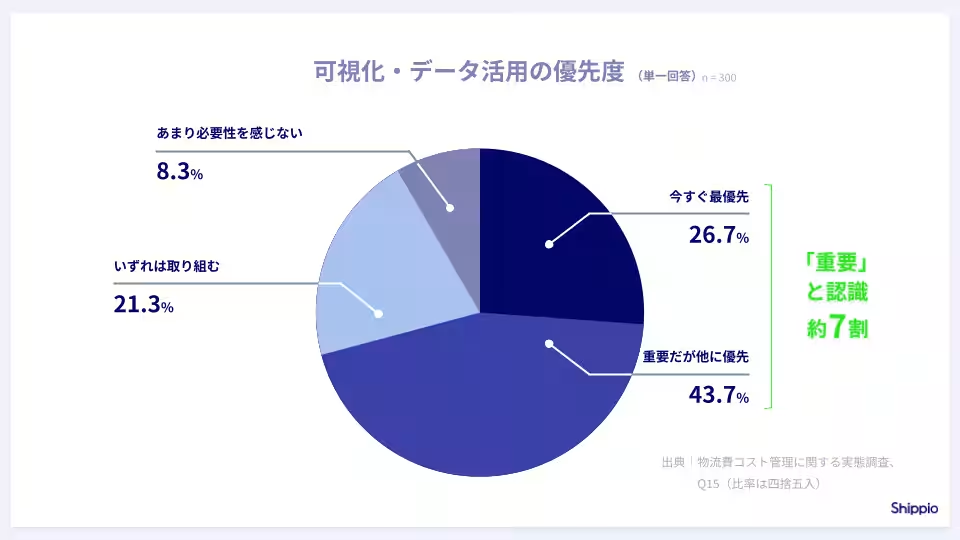
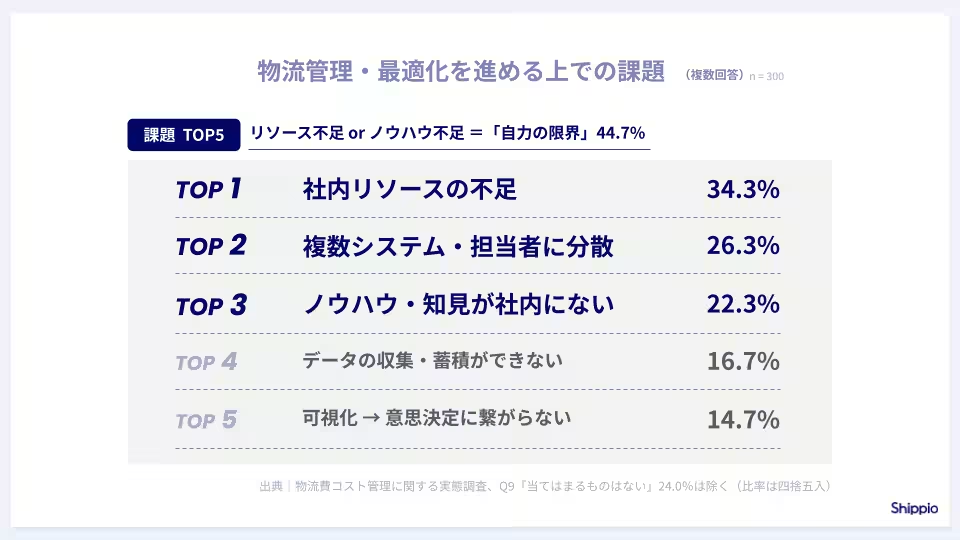
Approximately 70% of businesses acknowledge the importance of visualizing logistics costs and leveraging data analytics. Yet, nearly 45% express feeling overwhelmed by limitations in their internal resources and expertise to actualize this objective effectively. While 80.7% show interest in exploring external tools to aid in their logistics management, recognizing the necessity and translating that into action remains a significant hurdle.
4. Digital Transformation Lag
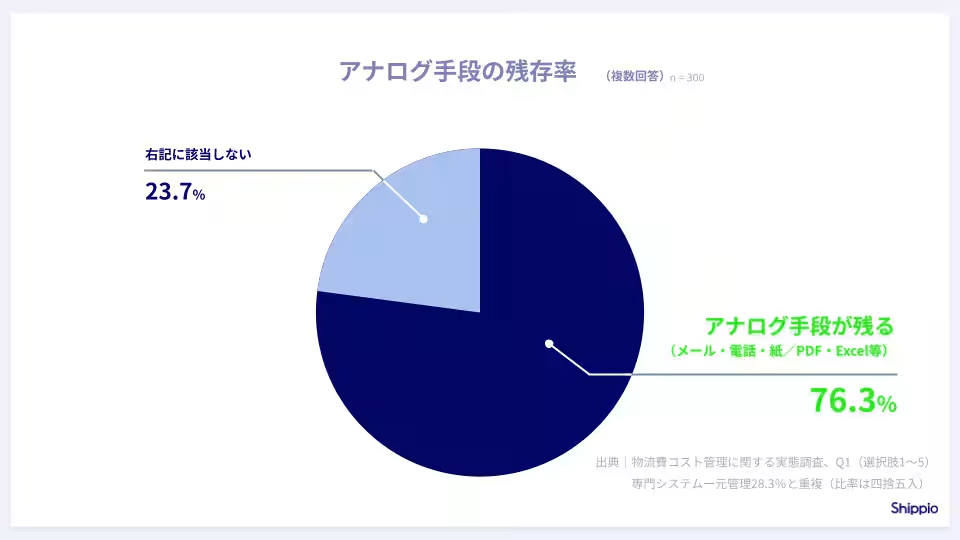
Despite the recognition of digitalization's critical role, there persists a reliance on outdated methods, with 76.3% of businesses still heavily dependent on manual processes like phone inquiries and handwritten records. Only 28.3% utilize specialized systems for centralized management. This reliance on analog processes hinders the ability to assess and analyze losses accurately, leaving companies exposed to continued inefficiencies and potential for increased financial strain.
Assessing the Current Environment
The findings from Shippio's report illustrate a stark contrast between the desire for initiatives aimed at overcoming logistics challenges and the practical realities of operational readiness. Corporations must embrace the digital transformation necessary to thrive amidst constant economic uncertainty.
The government has also recognized the importance of 'trade DX' as a movement to upgrade and streamline processes across international trade, aiming for a 10% digitalization rate by 2025, which underscores the urgency for companies to adapt.
Strategic Recommendations
To mitigate these issues, companies must prioritize the digitalization of processes that will enable them to effectively analyze and manage logistics-related costs in real-time. An investment in technology and training for personnel to utilize data effectively will be crucial in gaining competitive advantages in a rapidly shifting global landscape. Companies like Shippio are paving the way for this transformation, offering innovative solutions that aim to fortify international logistics frameworks.
Shippio's vision emphasizes the need for a robust logistics management platform that allows for real-time tracking, document handling, and enhanced communication, ultimately driving efficiency and transparency in trade practices.
Through these initiatives, businesses can hope to alleviate the undue strains of their current conditions, fully embracing the demands of modern international trade and positioning themselves as forward-thinking players in their respective markets.
Topics Business Technology)
【About Using Articles】
You can freely use the title and article content by linking to the page where the article is posted.
※ Images cannot be used.
【About Links】
Links are free to use.