



Hitachi Solutions Launches AI-Driven Vulnerability Assessment Service for EU Markets
Introduction
Hitachi Solutions, headquartered in Shinagawa, Tokyo, is proud to announce the launch of its new AI-driven service, aimed at assisting businesses in navigating the complexities of software vulnerability assessments. Starting September 19, this service will specifically aid companies in compliance with the Cyber Resilience Act (CRA) mandated by the European Union (EU).
Background on Cyber Resilience Act
As the world moves forward with the digitalization of products across various sectors, including automotive and healthcare, the potential for cyber attacks has significantly increased. The CRA was introduced by the EU to enhance the overall cybersecurity landscape, obligating manufacturers, importers, and vendors to report significant vulnerabilities in their digital products within 24 hours of detection. This legislation impacts not only EU-based companies but also those outside of the EU exporting goods into the region.
About the Vulnerability Assessment Support Service
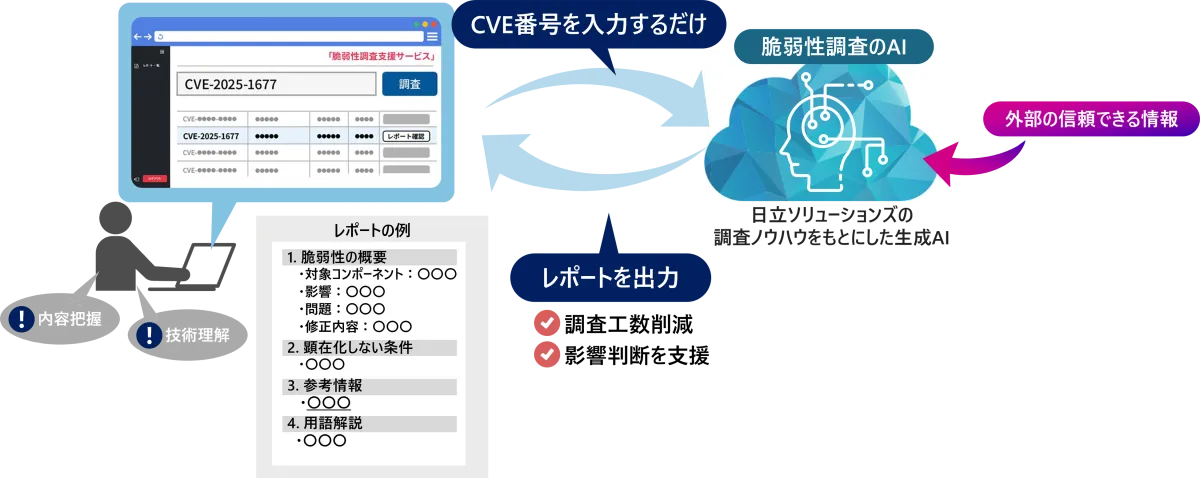
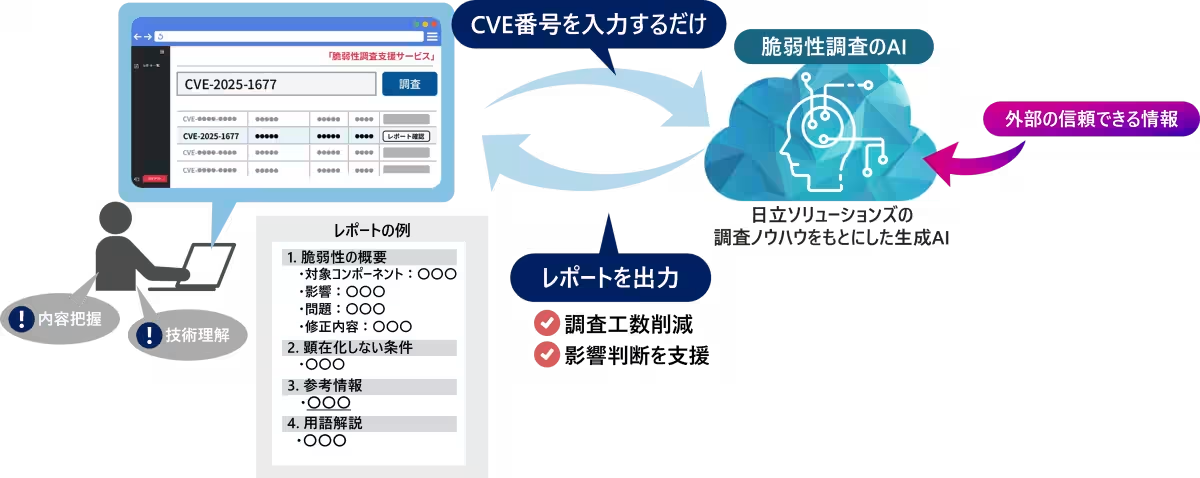
This innovative service leverages generative AI to streamline the process of vulnerability assessment for digital products, such as smart appliances and wearable technology. By inputting the Common Vulnerabilities and Exposures (CVE) identifier into the system, users receive a comprehensive report generated by AI, detailing the nature of the vulnerability, conditions under which it may be ignored, and additional relevant information sourced from reliable external platforms like GitHub.
The approach adopted by Hitachi Solutions integrates extensive expertise in security design with external data to generate clear and understandable insights. This enables businesses to efficiently prioritize their response efforts, particularly amidst a rising number of detected vulnerabilities.
Key Features of the Service
1. CVE-Based Reporting: Users can input CVE numbers, allowing the AI to provide a structured overview of vulnerabilities based on credible sources.
2. Streamlined Decision-Making: The service specifies conditions where vulnerabilities may not apply, such as “not accessible from external sources” or “not implementing specific functions,” which helps in triaging vulnerabilities that need immediate attention.
3. Expertise-Driven Insights: Grounded in Hitachi Solutions' experience with security design, the AI service collates necessary information into a methodical report.
Future Developments
Hitachi Solutions is committed to expanding the scope of this service, facilitating consulting for securing digital products throughout all stages of development and manufacturing. As cybersecurity measures in manufacturing become mandatory, the offerings will continue to evolve to meet escalating compliance demands.
Conclusion
With the increasing digitization of products, Japanese businesses selling to the EU must ensure robust security measures and comply with reporting obligations surrounding vulnerabilities. The newly launched AI service by Hitachi Solutions stands as a vital resource, easing the operational burden associated with identifying and addressing security issues within digital products.
For more information on this innovative vulnerability assessment service, please visit Hitachi Solutions' official website or reach out via inquiry at Hitachi Solutions Contact. Join us in transforming cybersecurity into a sustainable, secure, and efficient practice across markets worldwide.
Topics Business Technology)
【About Using Articles】
You can freely use the title and article content by linking to the page where the article is posted.
※ Images cannot be used.
【About Links】
Links are free to use.