



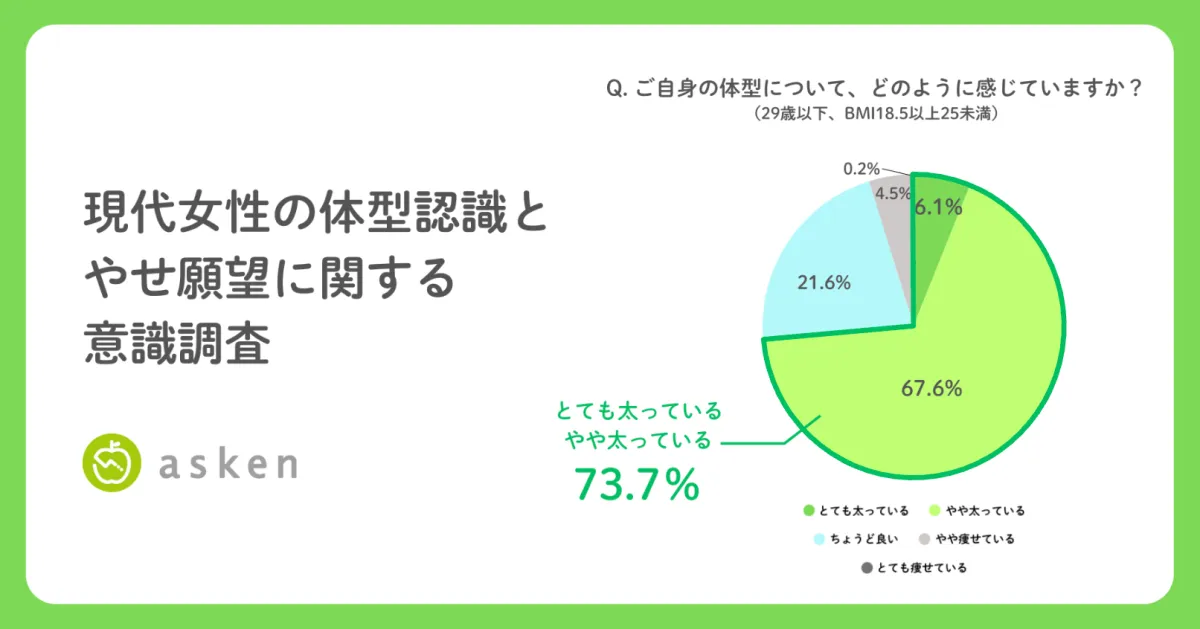
Study Highlights Young Women's Perception of Body Image and Weight Loss Aspirations
Understanding Body Image Among Young Women
Recent findings from a survey conducted by Asken, the leading AI meal management app in Japan, indicate a significant disconnect between actual body metrics and personal perceptions among young women. The survey involved 12,882 female users of the app and was aimed at understanding modern women's perspectives on body image and their aspirations for weight loss.
Key Findings
Overwhelming Self-Critique
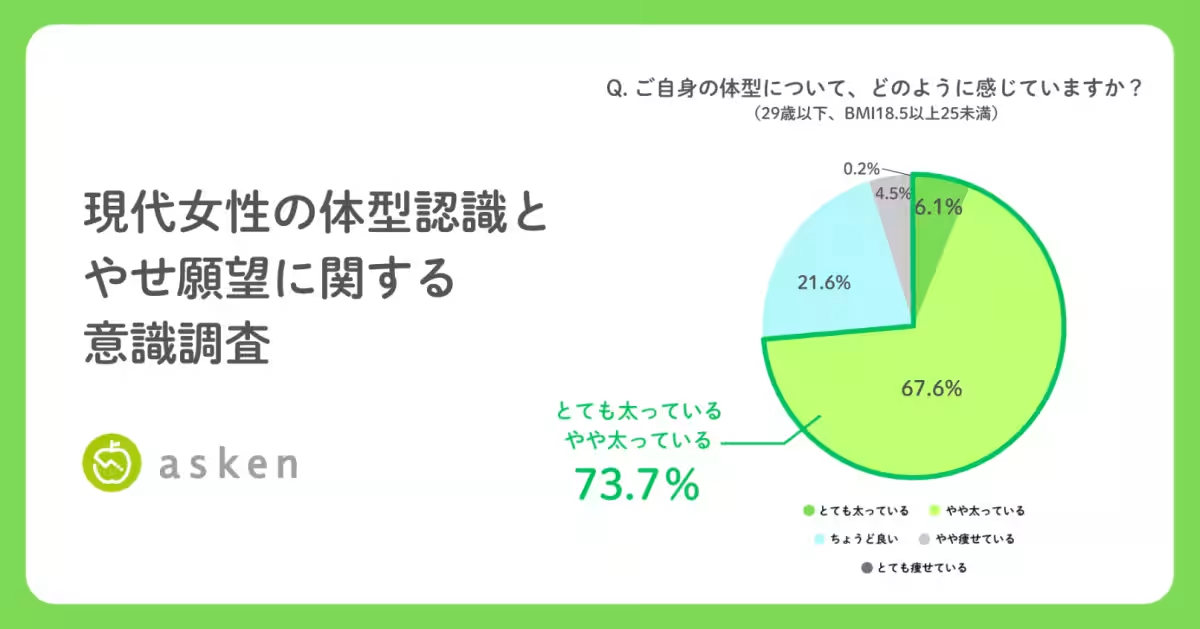
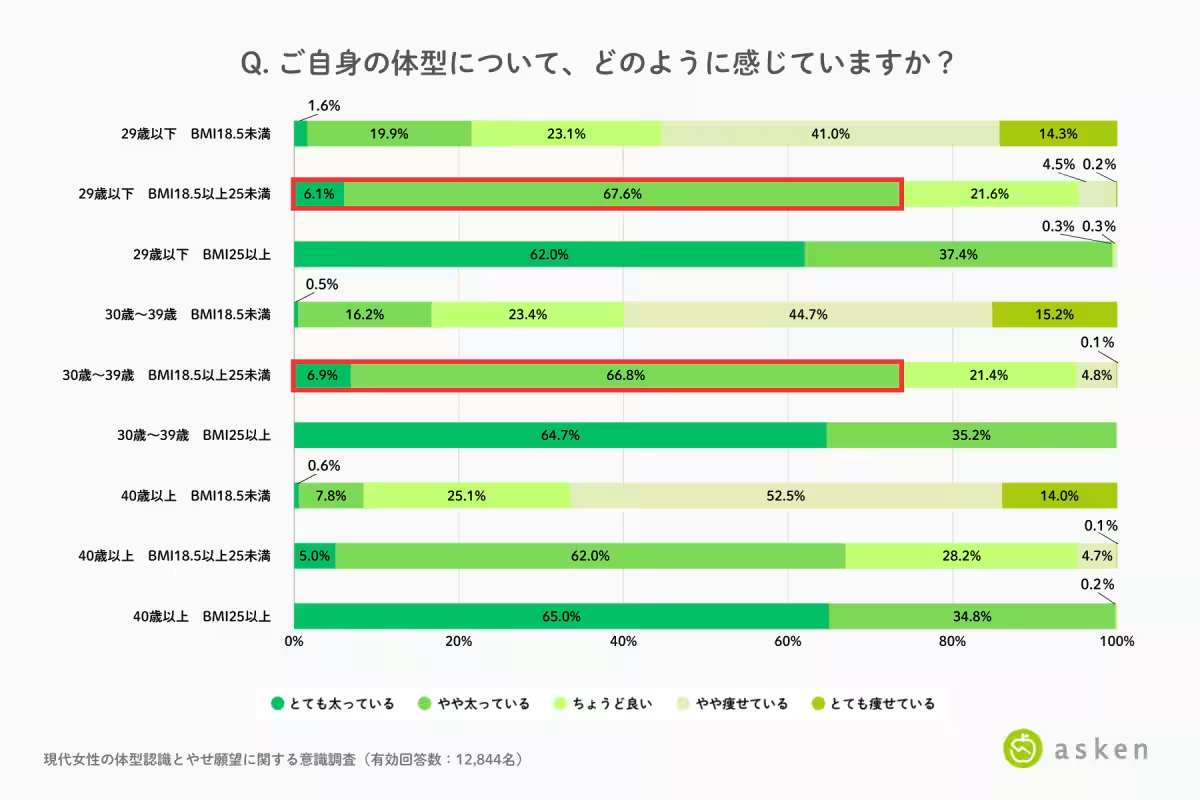
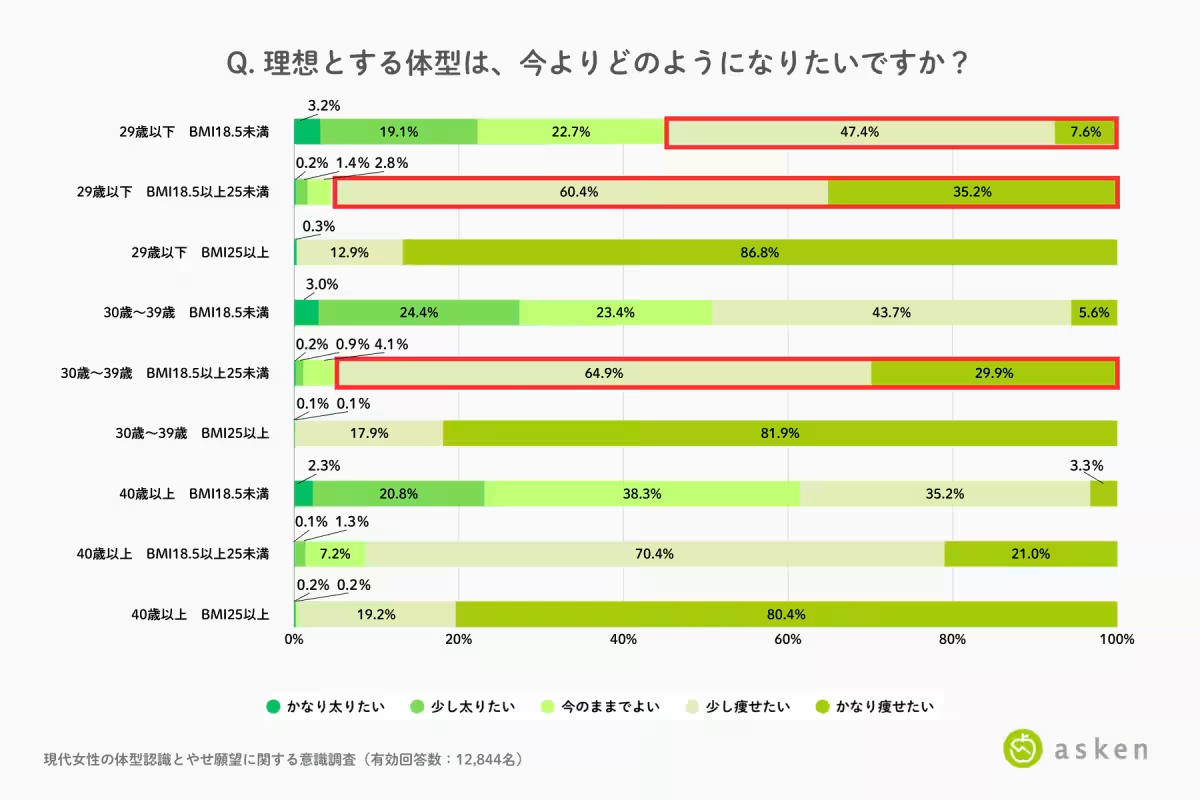
More than 70% of respondents aged 29 and below, as well as those aged 30 to 39, who fall within the medically recognized 'normal' body mass index (BMI) range of 18.5 to 25, perceive themselves as 'overweight.' Furthermore, over 90% of young women in the same BMI category expressed a desire to lose some weight, illustrating a deep-rooted aspiration for slimmer figures, even if it may not be necessary for their health.
Social Media's Influence
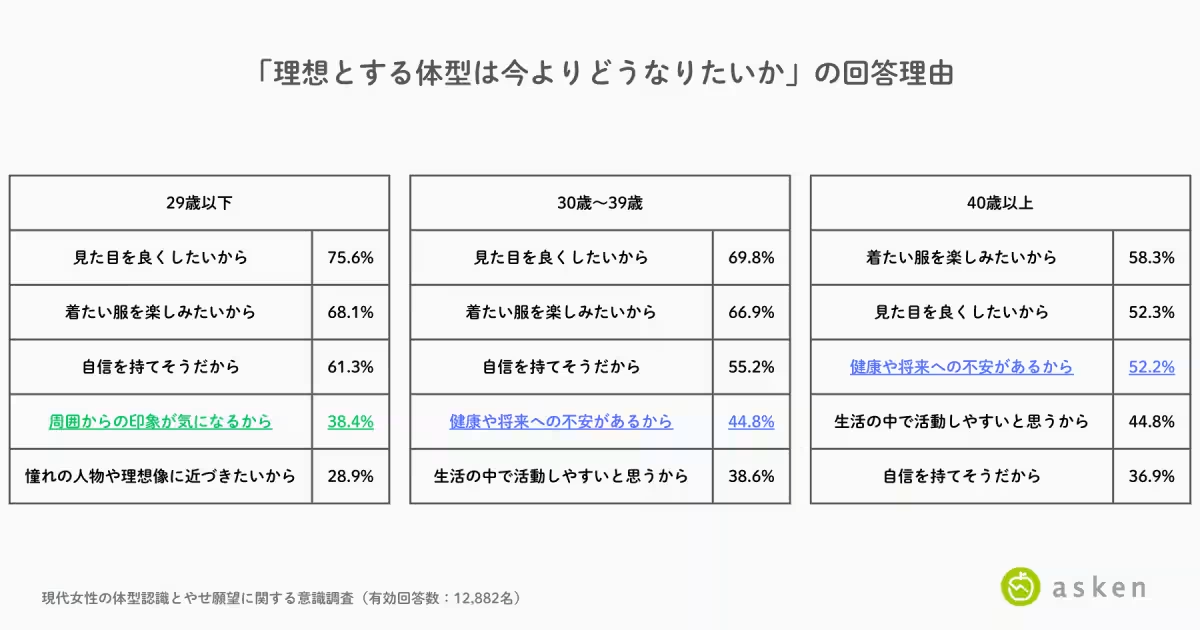
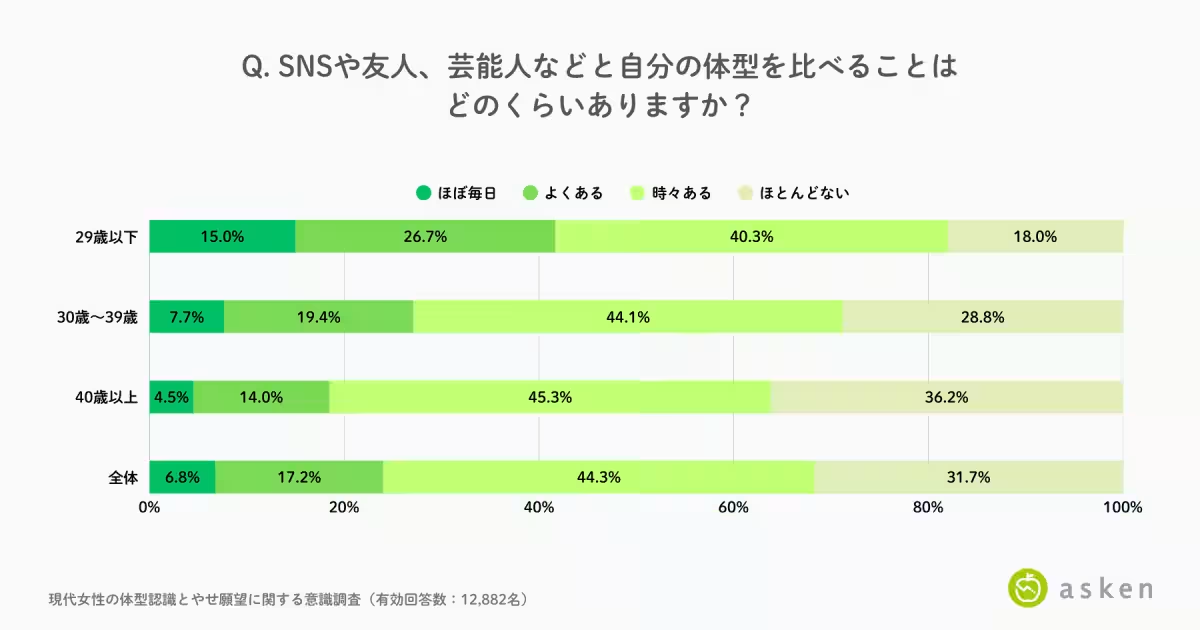
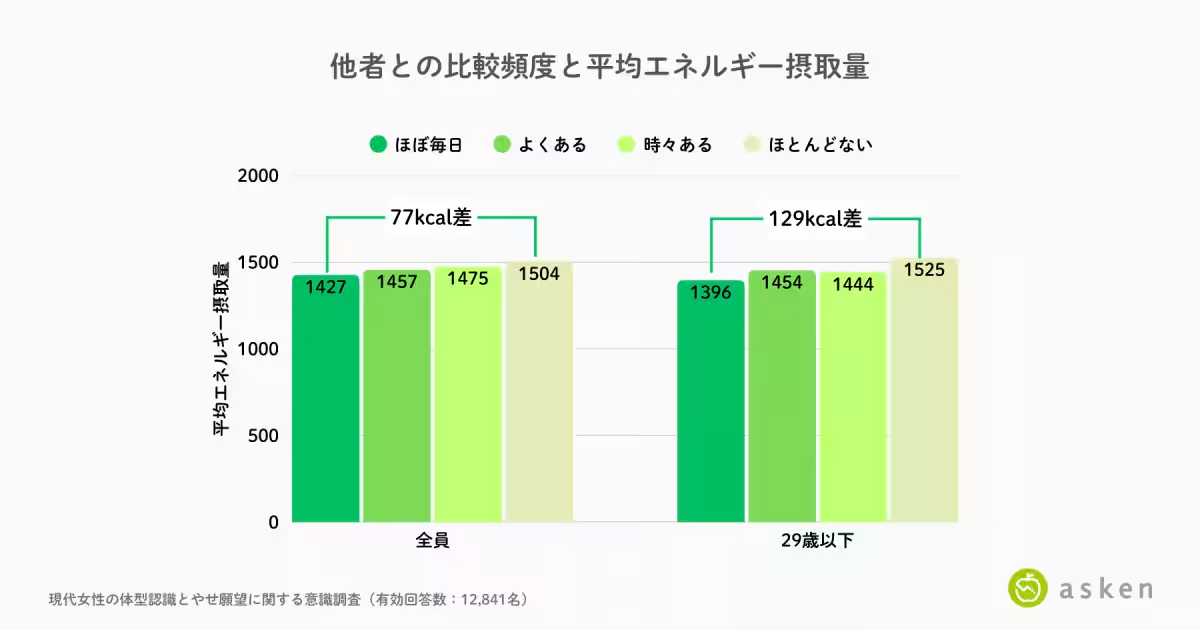
A concerning trend emerges from the data showing that women frequently compare their bodies with those of their peers, celebrities, and social media influencers. Nearly 40% of women under 29 reported feeling pressured about their appearance based on societal standards, underscoring how internet culture propagates unrealistic ideals of beauty. The survey points out that this comparison culture leads to tangible changes in eating behaviors. The younger the demographic, the more significant the impact appears to be on their daily caloric intake. Those who frequently compare their bodies consume an average of 129 fewer calories per day than those who do not engage in such comparisons.
Emotional Implications of Body Comparison
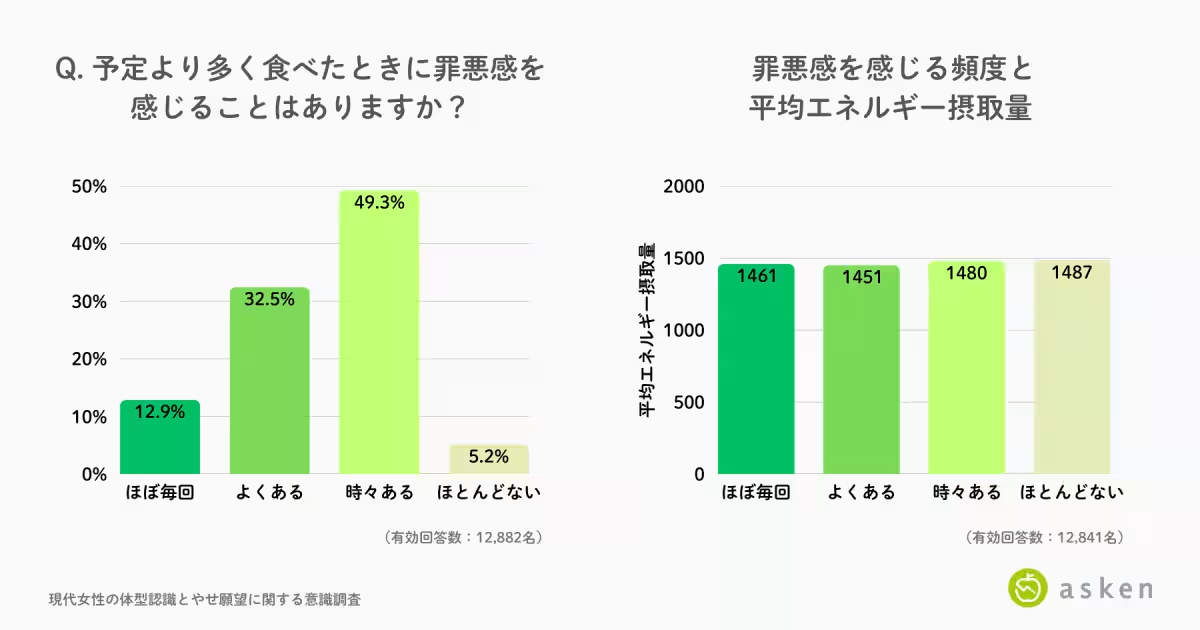
The survey results revealed that a significant portion of respondents felt guilt regarding their food choices. Nearly half reported feeling guilty about their meals regularly. However, this emotional distress around eating does not correlate significantly with their actual energy intake, pointing to a psychological burden stemming from the pressures of body image comparisons.
Recommendations from Asken
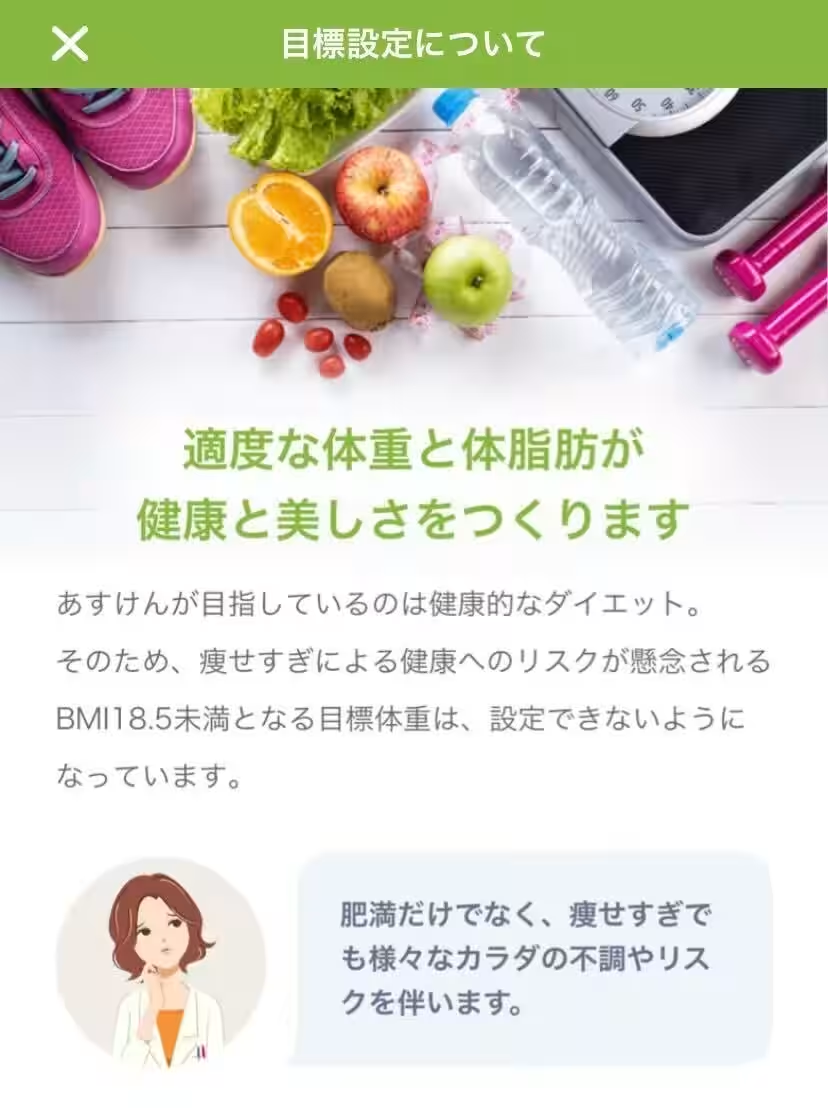
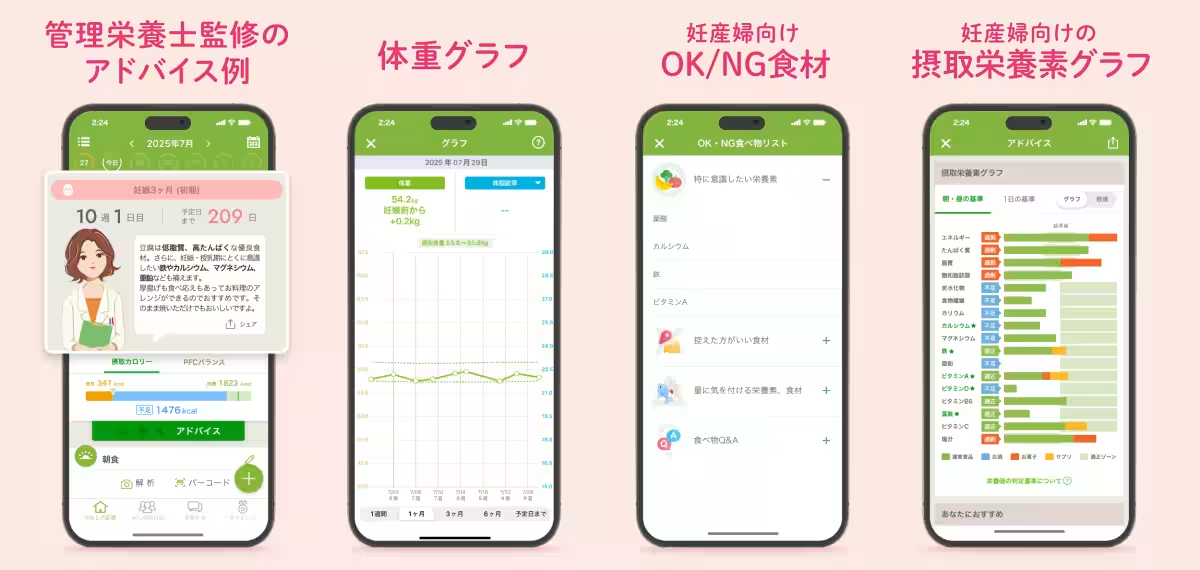
In light of these troubling findings, Asken reaffirms its commitment to promoting healthy lifestyles free from the pressures of extreme dieting. Through various tailored programs, including the 'Asu Mama Course' aimed at pregnant and nursing women, Asken prioritizes health over mere weight loss. The application restricts users from setting target weights that fall below a BMI of 18.5 to help combat the risks associated with excessive dieting.
Future Directions
Asken aims to leverage the insights from this survey for future improvements in their offerings, focusing on empowering users to adopt healthier habits while developing a positive body image. This includes increasing awareness about the health consequences of both undernourishment and weight obsession. By fostering a culture of acceptance towards varied body shapes and promoting comprehensive health, Asken envisions a supportive community empowered to cultivate positive relationships with their bodies.
Conclusion
This survey sheds light on the urgent need for addressing body image perceptions among young women in Japan. The influence of social media and societal expectations remains a critical issue, emphasizing the need for ongoing dialogue and solutions that prioritize mental and physical health. Asken continues to advocate for realistic and healthy lifestyles through their technology-driven approach, assisting individuals in realizing their personal health goals without compromising their well-being.
Survey Overview
- - Survey Conducted By: Asken Inc.
- - Survey Period: August 18-21, 2025
- - Participants: 12,882 users of the Asken app
- - Focus Areas: Body image perception, nutritional habits, social media influence
By addressing these issues, we aim to help women embrace their bodies and promote healthier, more balanced perspectives on beauty and health.
Topics Health)
【About Using Articles】
You can freely use the title and article content by linking to the page where the article is posted.
※ Images cannot be used.
【About Links】
Links are free to use.