



Survey Reveals Japan's Corporate Preparedness for Nankai Trough Earthquake Is Lacking
Corporate Preparedness in the Face of Nankai Trough Earthquake
A recent study conducted by JX Press, based in Chiyoda, Tokyo, has shed light on the alarming lack of preparedness among Japanese companies regarding the potential impact of the Nankai Trough earthquake. The research specifically targeted individuals involved in business continuity planning (BCP) across various sectors in Japan.
Key Findings of the Survey
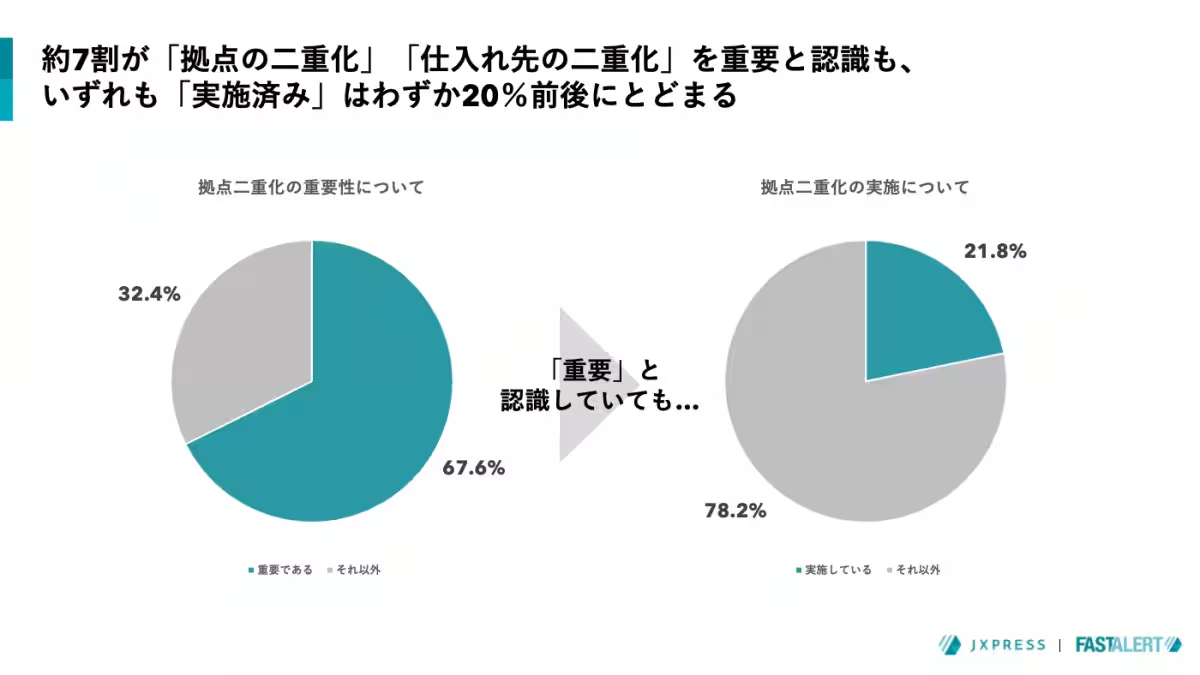
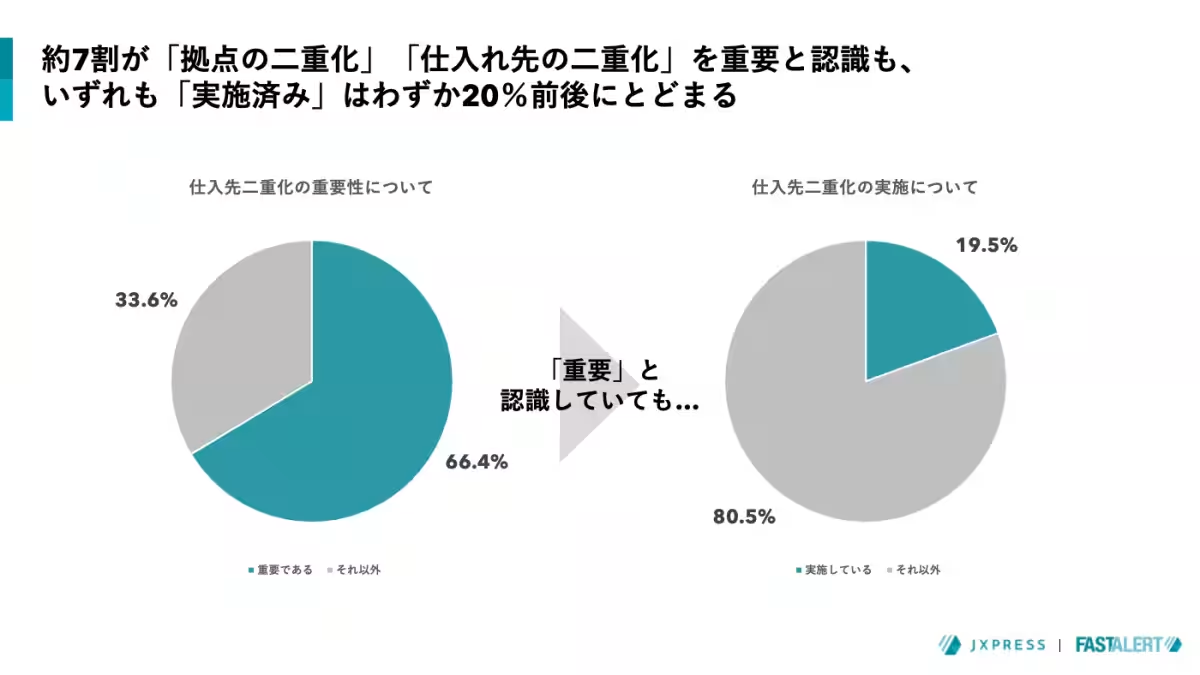
According to the results, approximately 70% of participants acknowledged the need for measures such as relocating or duplicating operational bases in response to the Nankai Trough earthquake. However, only a mere 22% have actively considered or implemented such strategies. This significant gap between awareness and action raises serious concerns about the existing risk management frameworks in place.
Importance of BCP
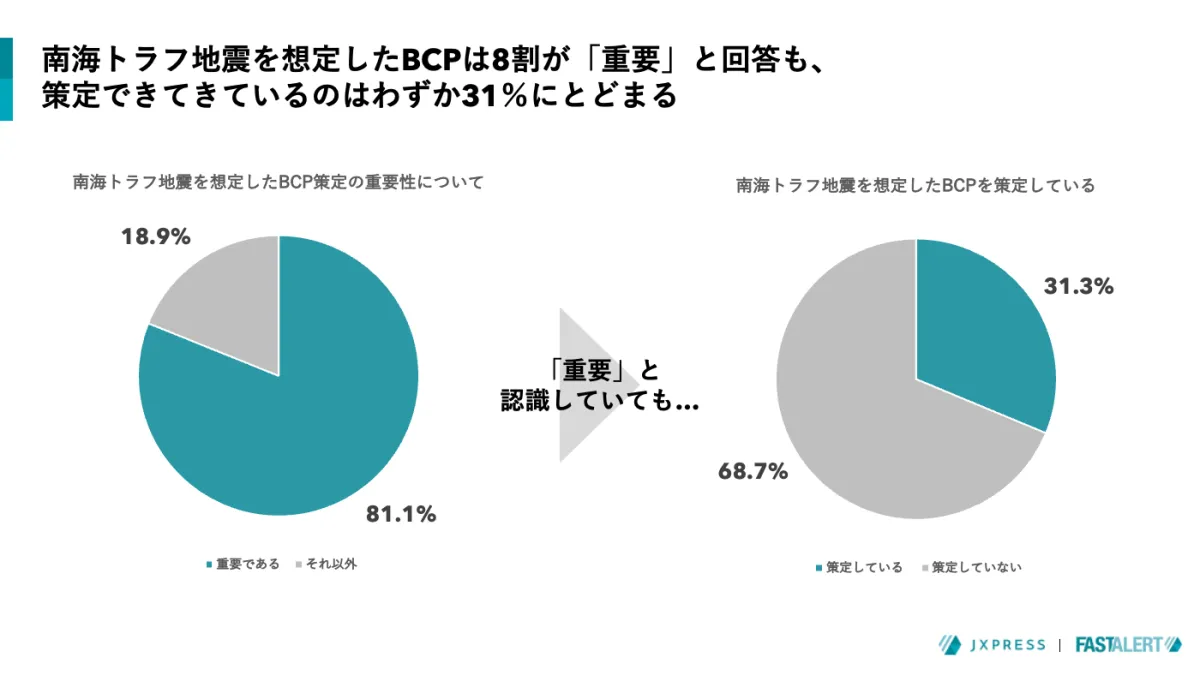
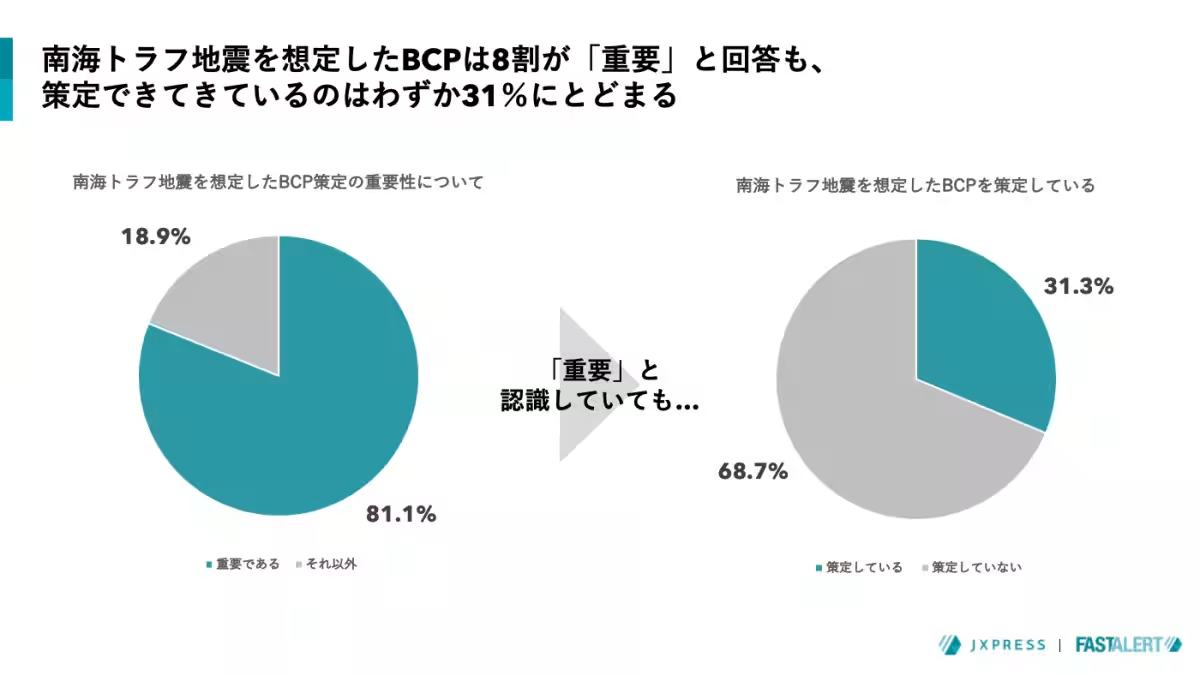
The survey revealed that 81.1% of the 550 respondents considered establishing a BCP relevant to the Nankai Trough earthquake as either 'important' or 'very important'. Despite this, only 31% have actually developed such plans. The need for duplication or decentralization of production facilities was recognized by 67.6% of participants, yet only 21.8% had undertaken practical steps in that direction. This discrepancy underscores a critical issue: organizations recognize the threat but fail to act sufficiently.
Reasons for Inaction
Several barriers to implementing disaster preparedness measures emerged from the survey:
1. Cost and Resource Constraints: 49.7% of participants cited financial and resource limitations as significant hurdles.
2. Unclear Damage Estimates: 44.9% expressed uncertainty regarding potential disaster impacts, making it difficult to prioritize resources appropriately.
3. Lack of Clarity on Effective Measures: 44.3% indicated that they were unsure about what effective measures to undertake, highlighting a gap in knowledge regarding disaster preparedness practices.
Upcoming Initiatives
In light of these findings, JX Press will publish a comprehensive report titled "BCP Essentials: Nankai Trough Earthquake Edition" which will be made available for free. The report aims to educate organizations about essential strategies for maintaining business continuity in the aftermath of a disaster. Alongside this, a webinar will also be conducted in collaboration with Newton Consulting, scheduled for June 2026, to discuss practical BCP strategies for mitigating the impact of earthquakes on businesses.
Regional Awareness Disparities
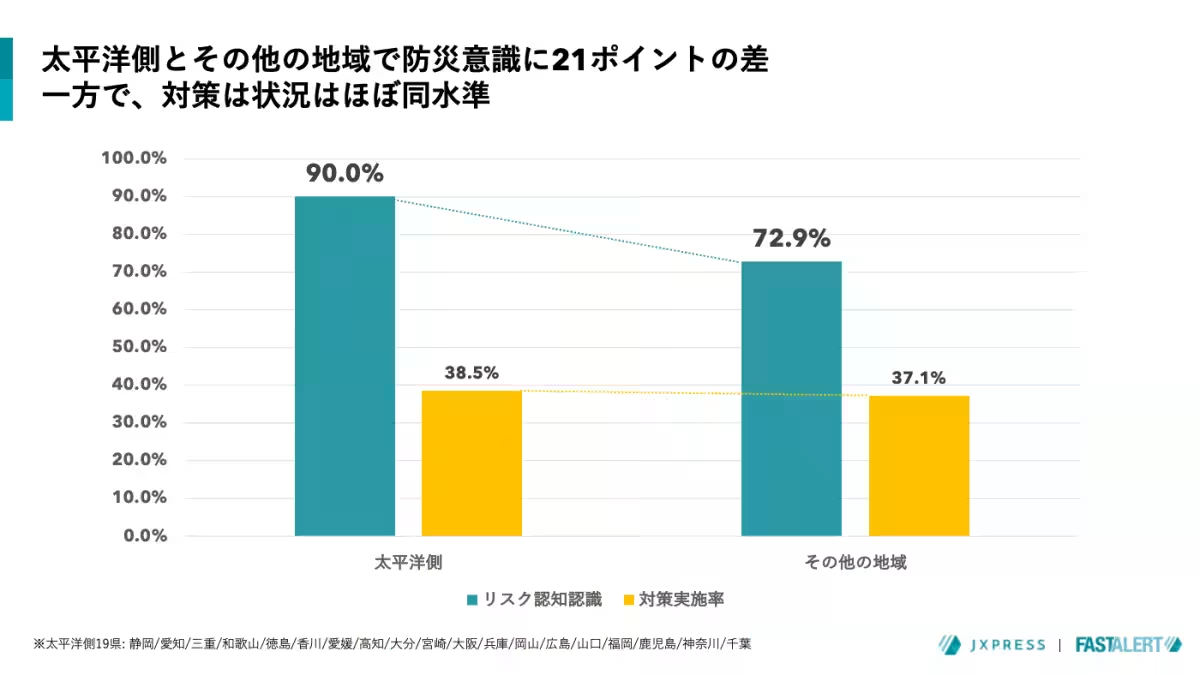
The survey additionally indicated behavioral differences based on geographic location. Companies situated on the Pacific side recognized the Nankai Trough earthquake as a major risk (61.1%) more than their counterparts in other regions (40.0%). Despite this heightened acknowledgment of risk among those near the fault line, the implementation of effective countermeasures remained alarmingly similar across regions, illustrating a widespread deficiency in proactive disaster preparation.
Demand for External Support
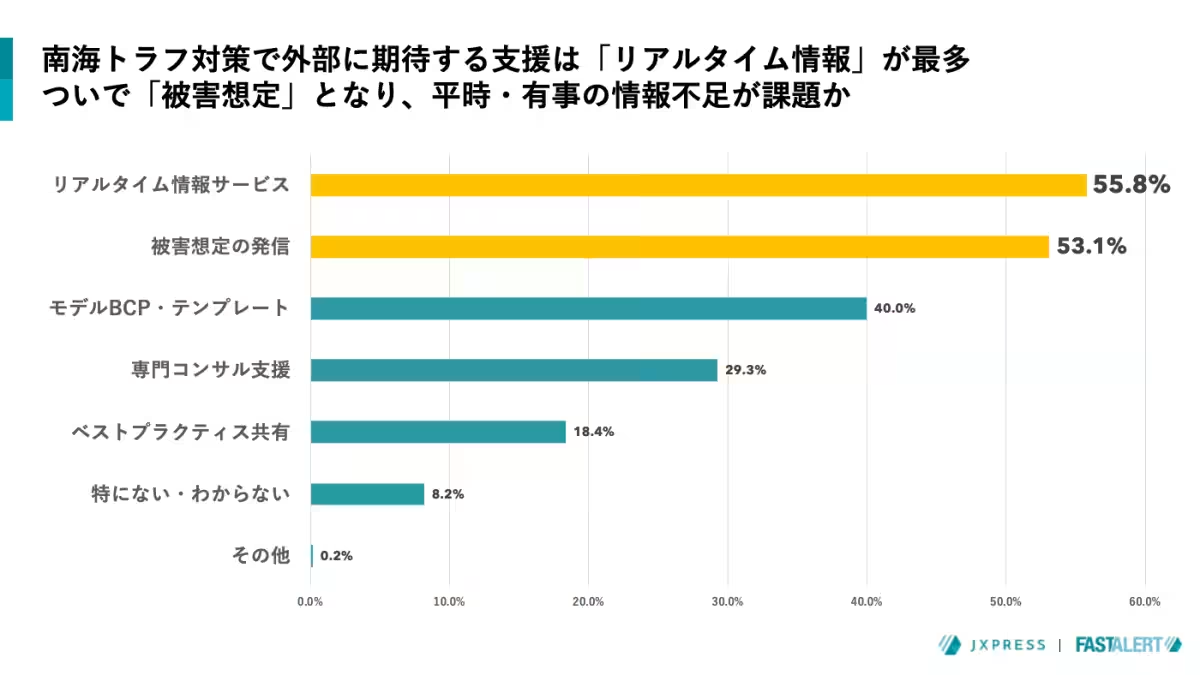
Interestingly, when asked about the type of external support they would find most beneficial, 55.8% of respondents pointed towards the necessity for real-time information regarding disasters and damage assessments. Additionally, 53.1% wished for clearer communications from governmental bodies regarding potential damages. As identified in the survey, a significant portion of the respondents expressed uncertainty about the expected level of damages, emphasizing the fundamental need for reliable and timely information both during normal times and emergencies.
Commentary from BCP Specialists
To further contextualize these findings, Yoichiro Kuno, Chief Strategy Officer and Executive Consultant at Newton Consulting, provided insights. He noted that the forthcoming Nankai Trough earthquake may cause widespread damage surpassing that of the Great East Japan Earthquake. Despite this knowledge, many companies still fall short on implementing critical redundancy measures and plans necessary to sustain supply chains, indicating a detrimental oversight in risk management methodologies.
Kuno advocates for various strategies such as diversifying supply sources, enhancing facility resilience to minimize damage, and ensuring rapid recovery capabilities. The establishment of multiple operational bases and forming collaborative agreements can also serve as effective contingencies against supply chain disruptions. These strategies require investment and strategic decision-making from leadership based on a careful evaluation of expected risks.
Conclusion
Given the sobering results of this survey, it is clear that heightened awareness must translate into actionable strategies to mitigate risks associated with the Nankai Trough earthquake. Effective communication, resource allocation, and engaging in thorough planning are essential steps that organizations must prioritize to safeguard their operations against future disasters. The forthcoming publications and webinars from JX Press aim to support organizations in taking these critical steps toward establishing comprehensive business continuity plans.
Topics Policy & Public Interest)
【About Using Articles】
You can freely use the title and article content by linking to the page where the article is posted.
※ Images cannot be used.
【About Links】
Links are free to use.