



Middle School Students from Ogawajima Experience Future Building in Karatsu
Discovering Sustainable Development on Ogawajima
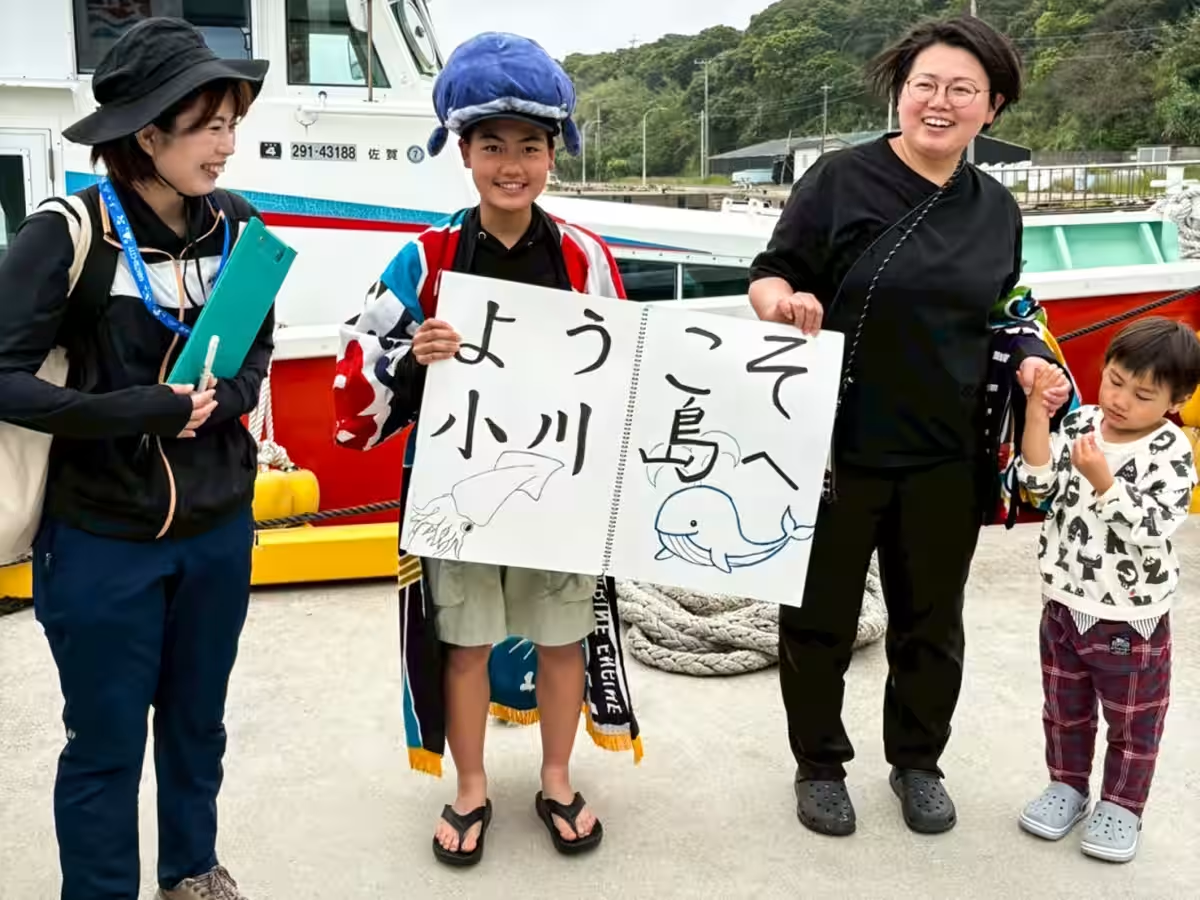
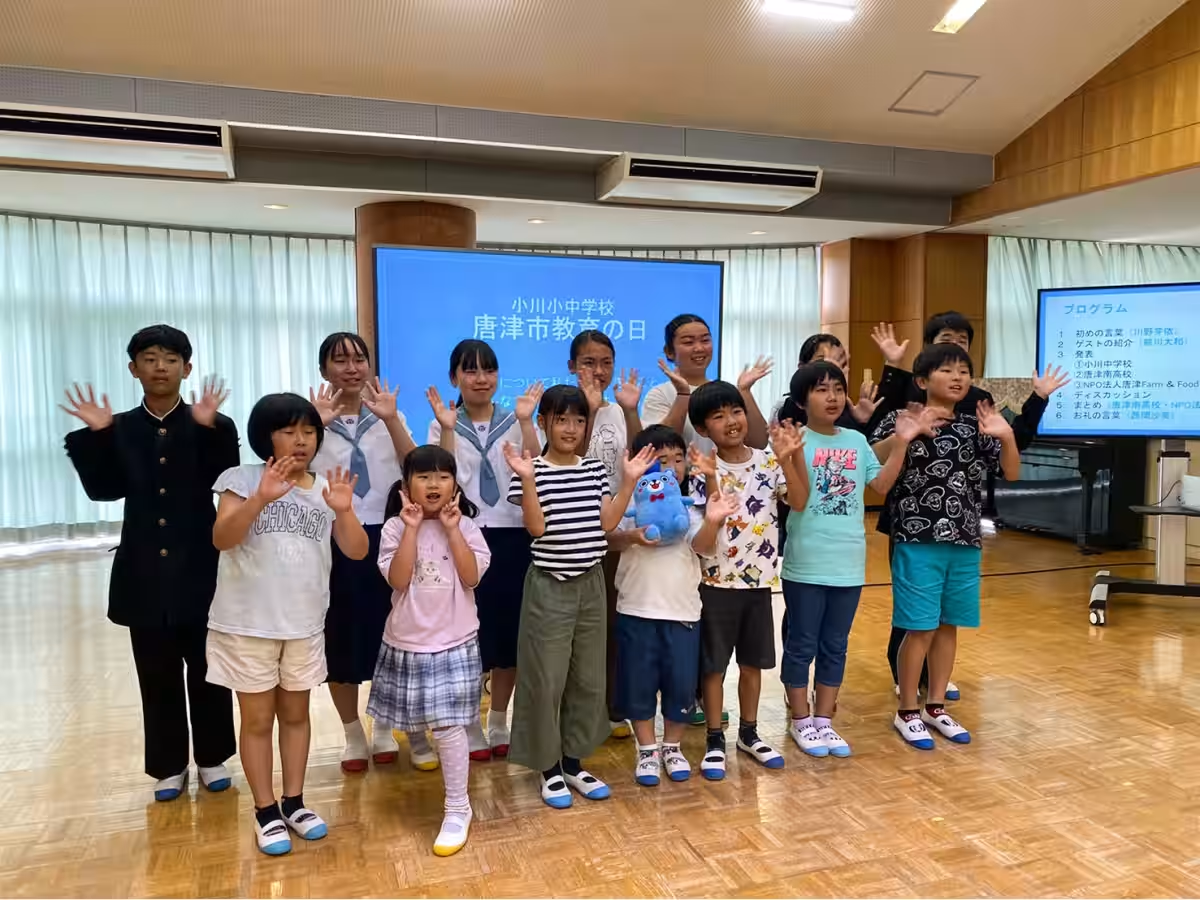
In a remarkable initiative aimed at environmental education, Karatsu Farm & Food, a non-profit organization based in Karatsu City, welcomed middle school students from Ogawajima Island for a two-day internship on October 22 and 23. These students delved deep into the importance of marine and forest sustainability, learning about local resources and practices that foster a sustainable future. This program reflects a pivotal shift towards sustainability in the region, addressing pressing concerns such as marine plastic pollution and promoting ecological well-being.
Background of Ogawajima
Ogawajima, a picturesque island located off the coast of Karatsu City, has a rich history, once thriving as a whaling hub bustling with fishermen and whaling ships. In recent years, however, the island has faced challenges like depopulation and an aging demographic. Despite these hurdles, the island's natural environment and cultural heritage have become focal points for environmental education and tourism. With attention growing on ways to revitalize both the land and life of the community, the engagements led by Karatsu Farm & Food highlight the exceptional qualities of Ogawajima.
Addressing Plastic Pollution
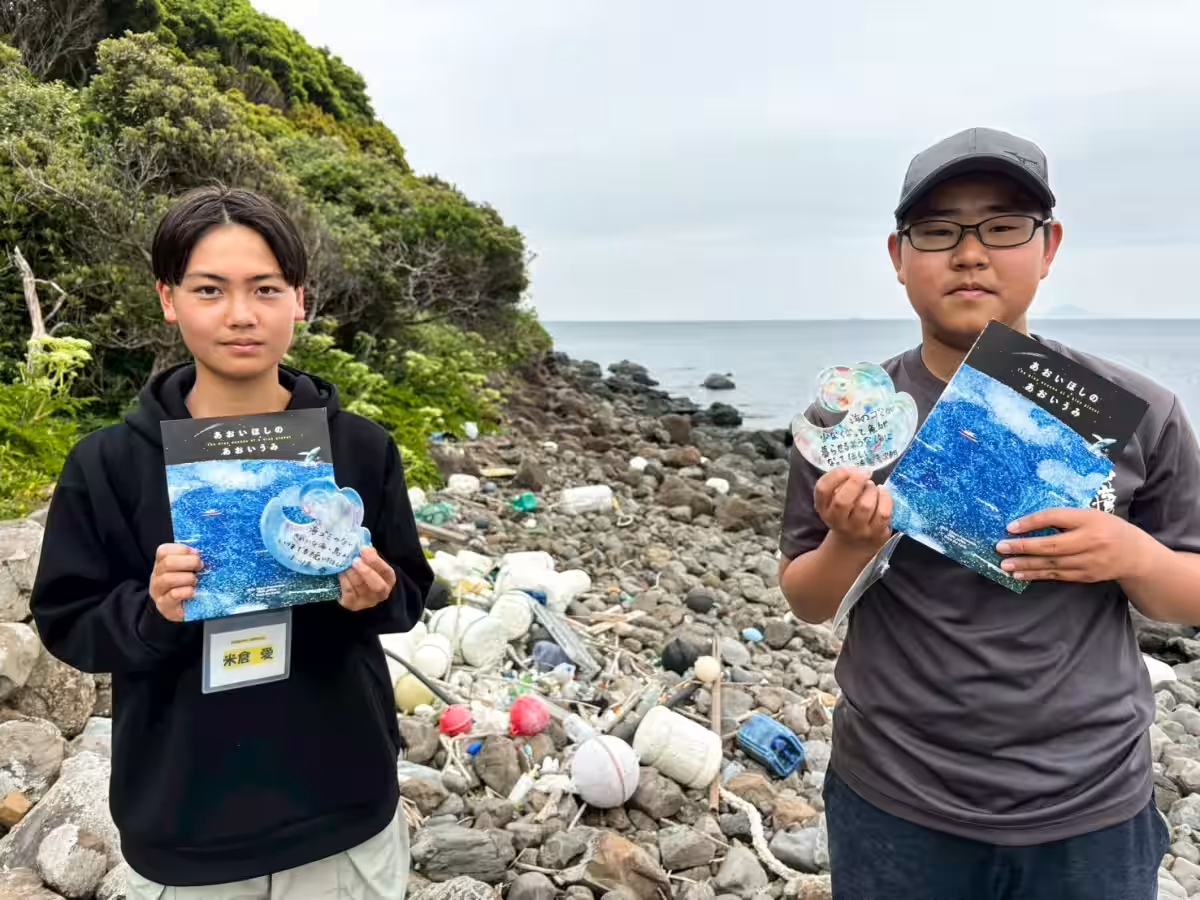
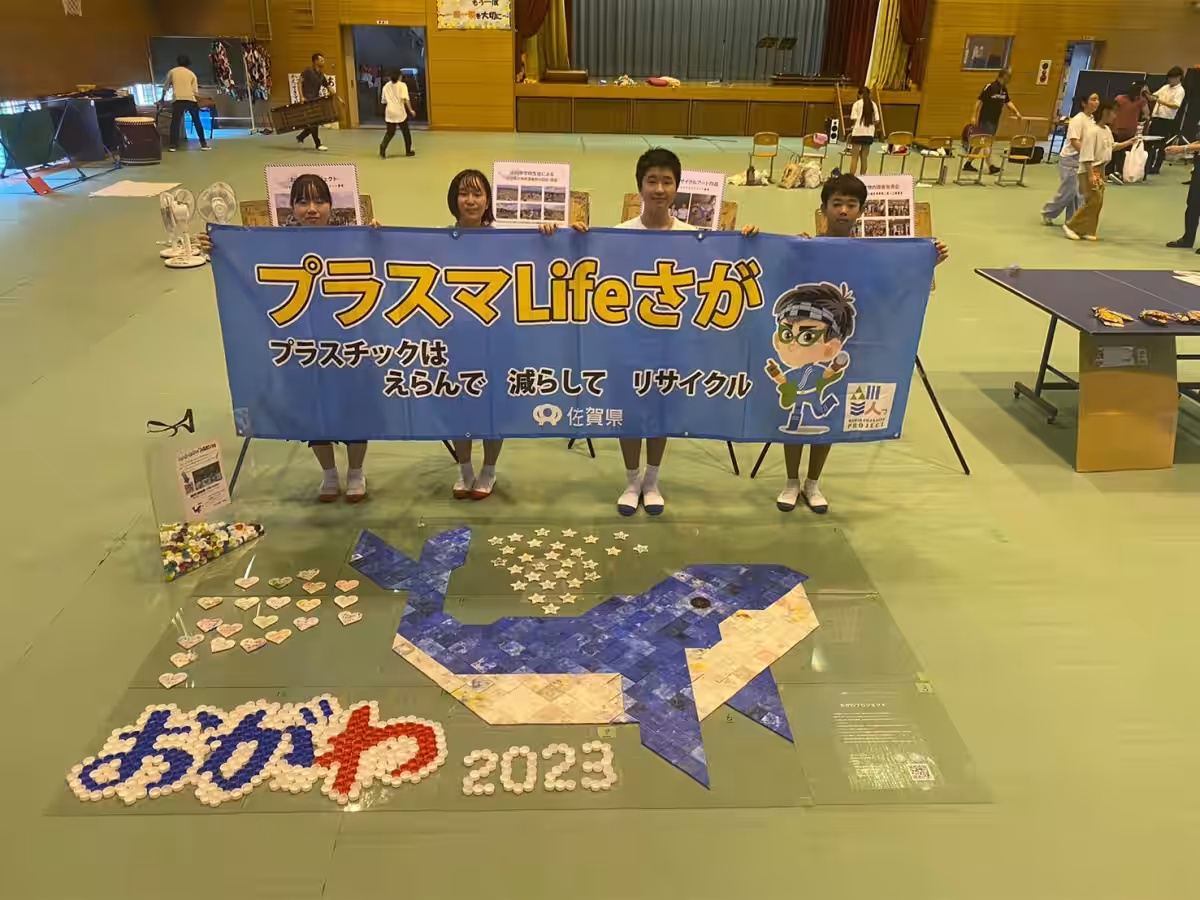
One of the significant issues confronting the region is the increasing volume of marine plastic waste drifting into the Genkai Sea. The NPO has championed environmental education since 2021, spearheading initiatives centered on the upcycling of marine plastics and local resource circulation. Through programs like Precious Plastic Karatsu and the creation of nature conservation sites, they are fostering a new generation's commitment to sustainability.
Day 1: Learning about Marine Resource Circulation
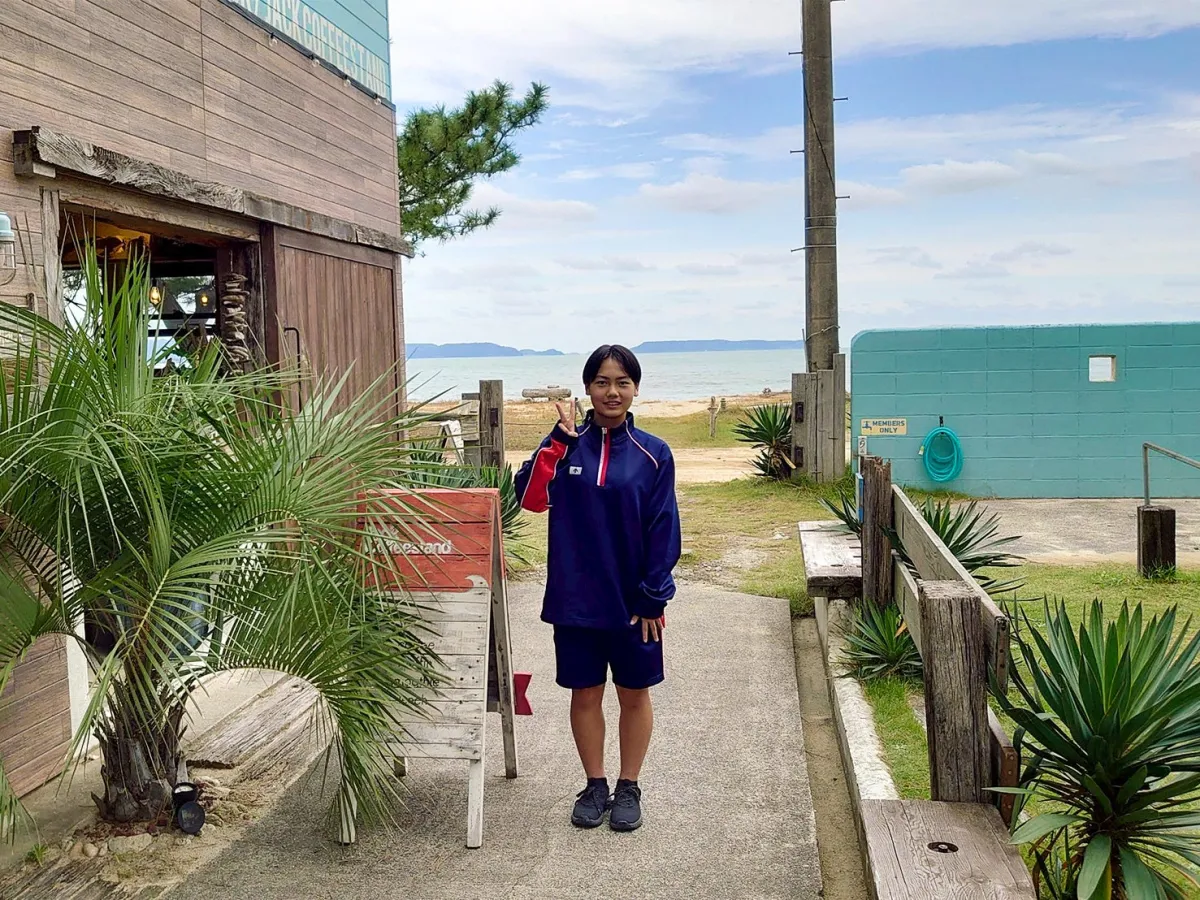
On the first day of their program, the students visited Hamazaki Beach and Higashi-no-Hama in Karatsu to observe the current situation of microplastics in the marine environment. During this visit, they learned from local initiatives at Jack Coffee Stand, a café recognized for its high environmental awareness.
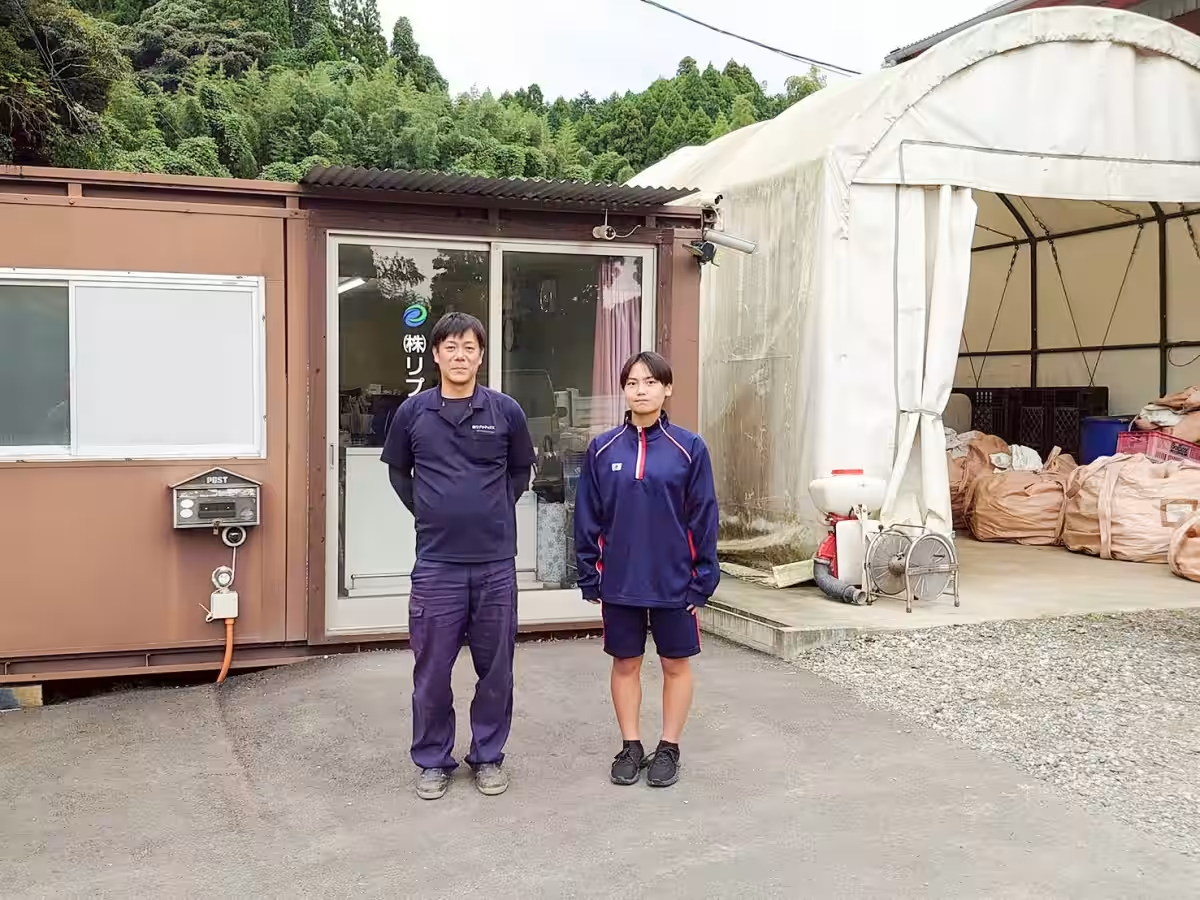
In the afternoon, they toured Replatex Co., Ltd., a company focused on plastic recycling. The students had a hands-on experience using shredders to process plastics, witnessing firsthand the transformation of debris collected from Ogawajima into recyclable materials. This experience empowered them with practical knowledge about the importance of recycling in preserving their island's natural beauty.
Day 2: Enhancing Creativity and Future Tourism
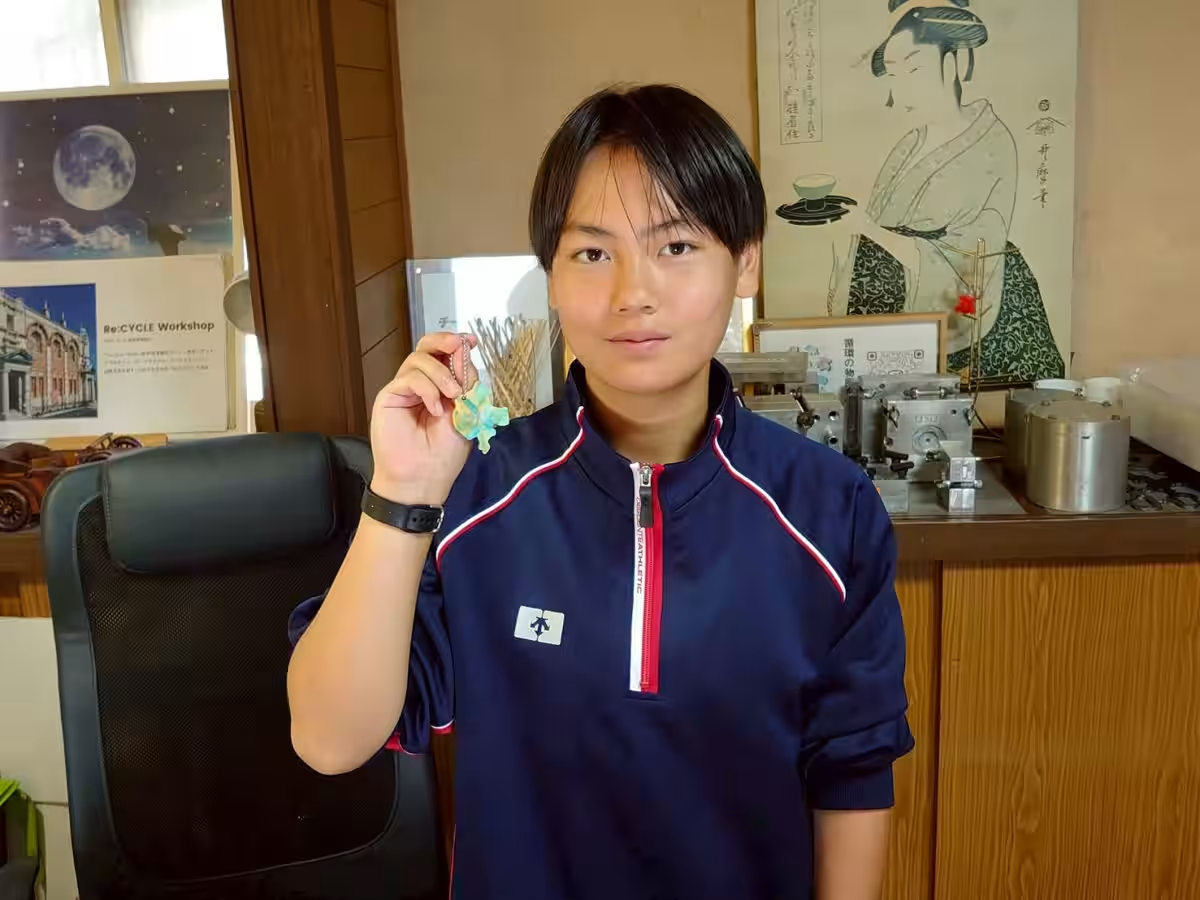
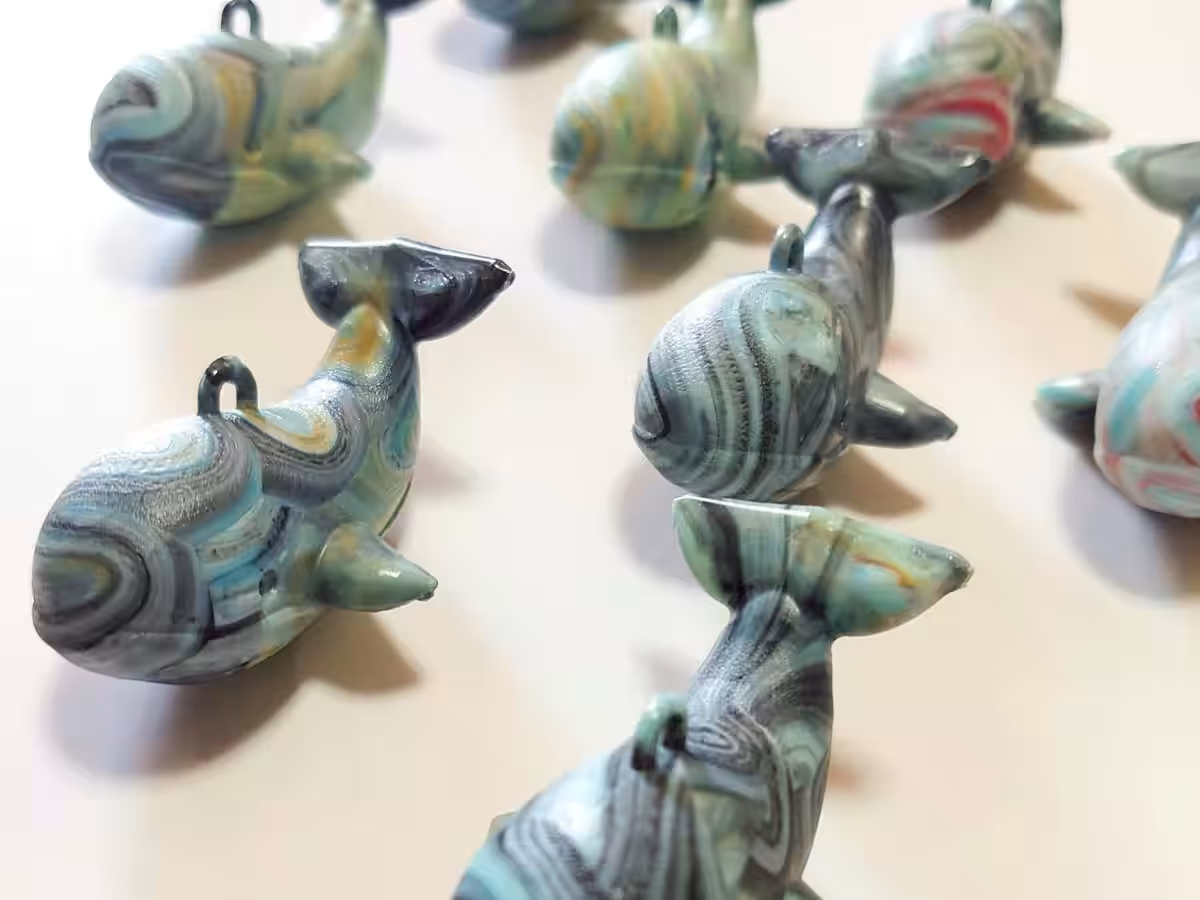
On day two, the creativity blossomed at the Precious Plastic Karatsu workshop, where students utilized injection molding machines to create keychains shaped like Ogawajima. They also designed keychains inspired by the island's marine life, particularly whales. This excitable process involved upcycling local plastic waste, generating potential for tourism products that resonate with the island's unique culture.
The students presented their finished products to officials at the Karatsu City Hall’s Brand Promotion Section. During discussions, one student, Aiko Yonekura, expressed her desire to generate new attractions for the island amid declining squid catch rates. Such engagements highlight the youthful aspirations of these students, who are keen on advocating Ogawajima's charm and potential as a tourist destination.
Understanding Nature Conservation
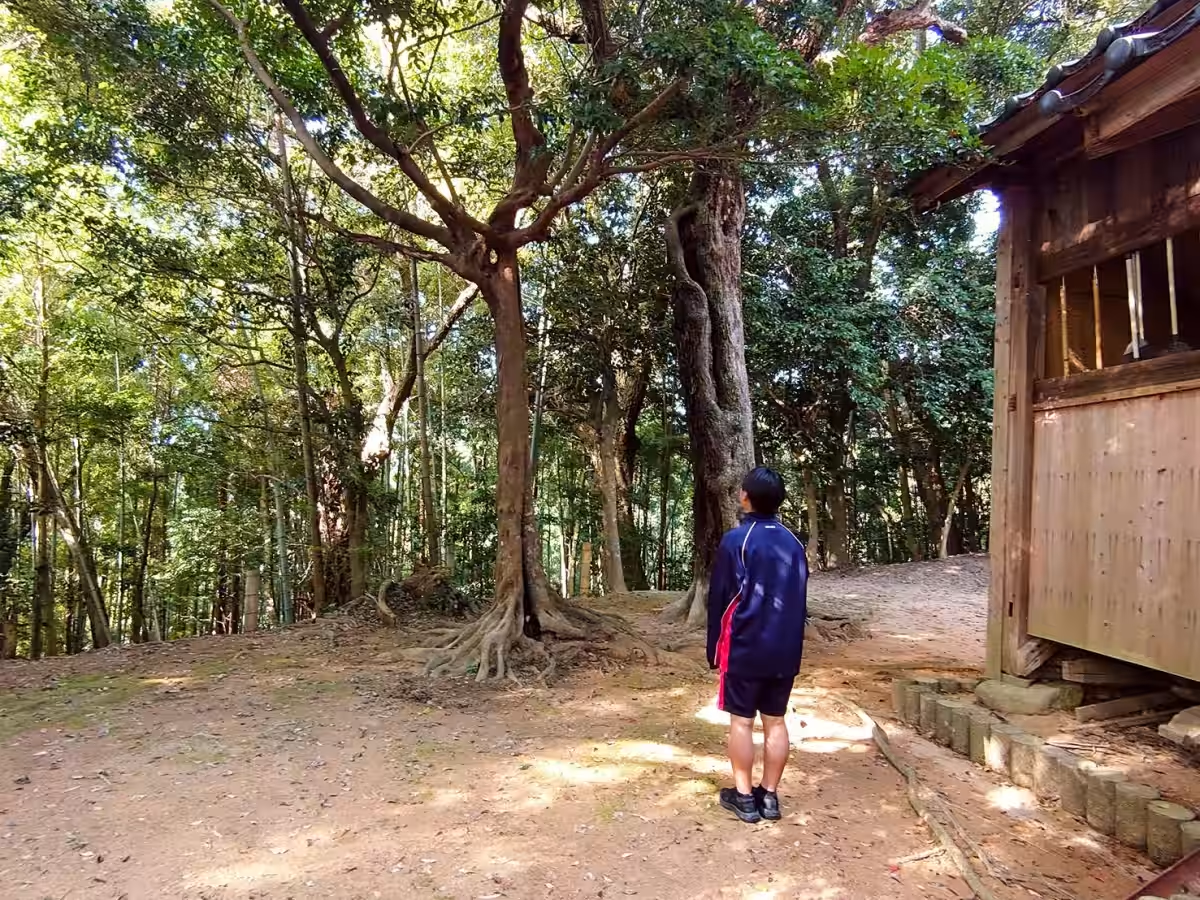
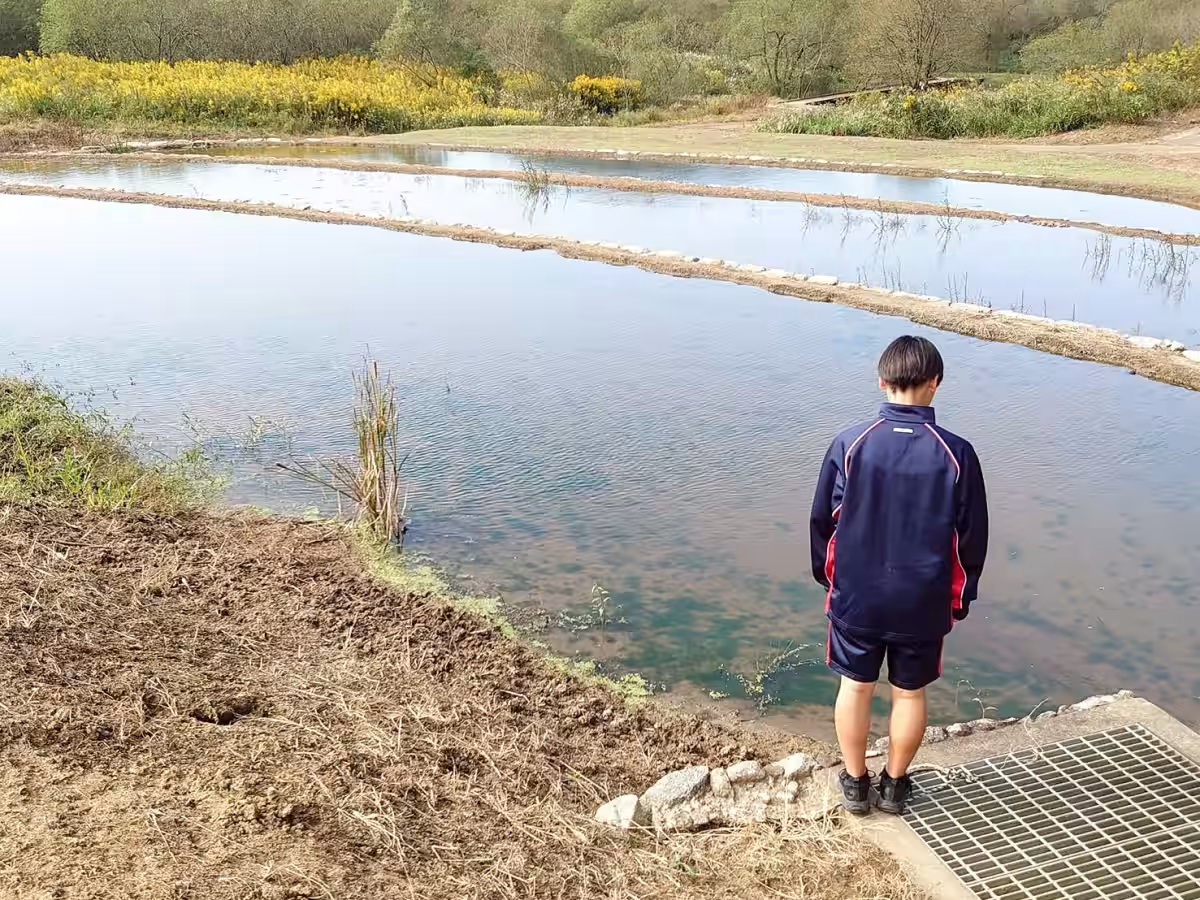
In the afternoon, the group traveled to the Yokokamura area, which was recently recognized as the first natural co-existence site (OECM) in Saga Prefecture. The area was lauded for its diverse ecosystems, including secondary natural environments like satoyama forests and wetlands. They were particularly fascinated by local traditional events that utilize bamboo resources and the habitat of rare amphibians such as salamanders.
They learned about projects like the Karatsu Beehive Project and saw unique biodiversity through a visit to the Bijoubaki Falls and several local biotopes. Such experiences deepened their understanding of how human activities can harmonize with nature, encompassing concepts of volunteer tourism and regenerative tourism.
The Role of ESD
The impact of these initiatives on the students indicates a successful model of Education for Sustainable Development (ESD). Educators and community members in Saga are dedicated to preserving the rich natural heritage for future generations. Narita emphasizes the spirit of sustainability that has been cultivated through these educational experiences, exemplifying how local youth can boldly shape a brighter future.
Looking Ahead
Karatsu Farm & Food is committed to continuing educational programs for local high school and middle school students, emphasizing marine plastic resource circulation and nature conservation. They envision evolving these programs into a broader model that interlinks local culture and the environment, furthering the principles of regenerative tourism across Kyushu.
About the Organization
Karatsu Farm & Food (Precious Plastic Karatsu)
Location: Karatsu City, Saga Prefecture
Activities: Environmental Education, Local Resource Circulation, Management of Natural Co-existence Sites, Promotion of ESD
Official Website | Instagram
Join the dedicated efforts of students like those from Ogawajima as they pave the way for a sustainable future through hands-on learning and community engagement. Together, they aim to inspire a deeper connection with the island's natural resources, fostering a commitment to long-lasting environmental stewardship.
Topics Other)
【About Using Articles】
You can freely use the title and article content by linking to the page where the article is posted.
※ Images cannot be used.
【About Links】
Links are free to use.