



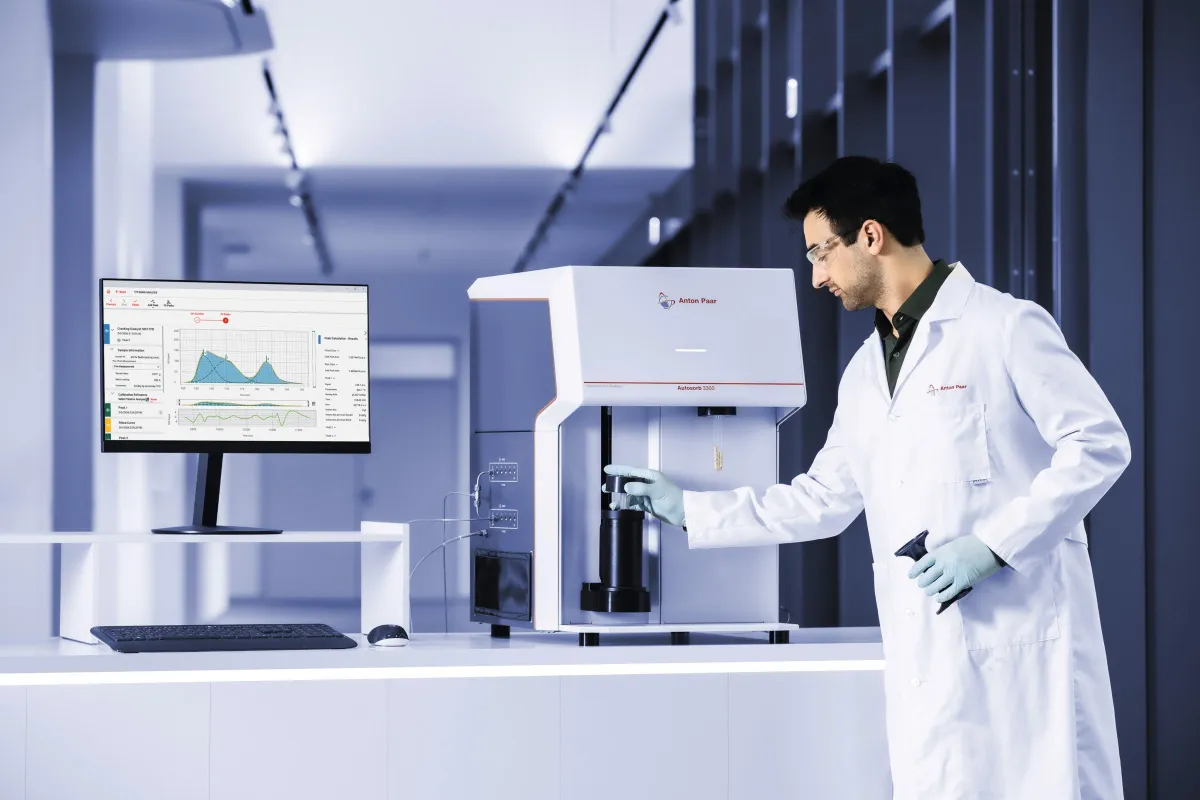
Introducing the Cutting-Edge Autosorb 3300: A New Standard in Chemical Adsorption Technology
The Future of Chemical Adsorption: The Autosorb 3300
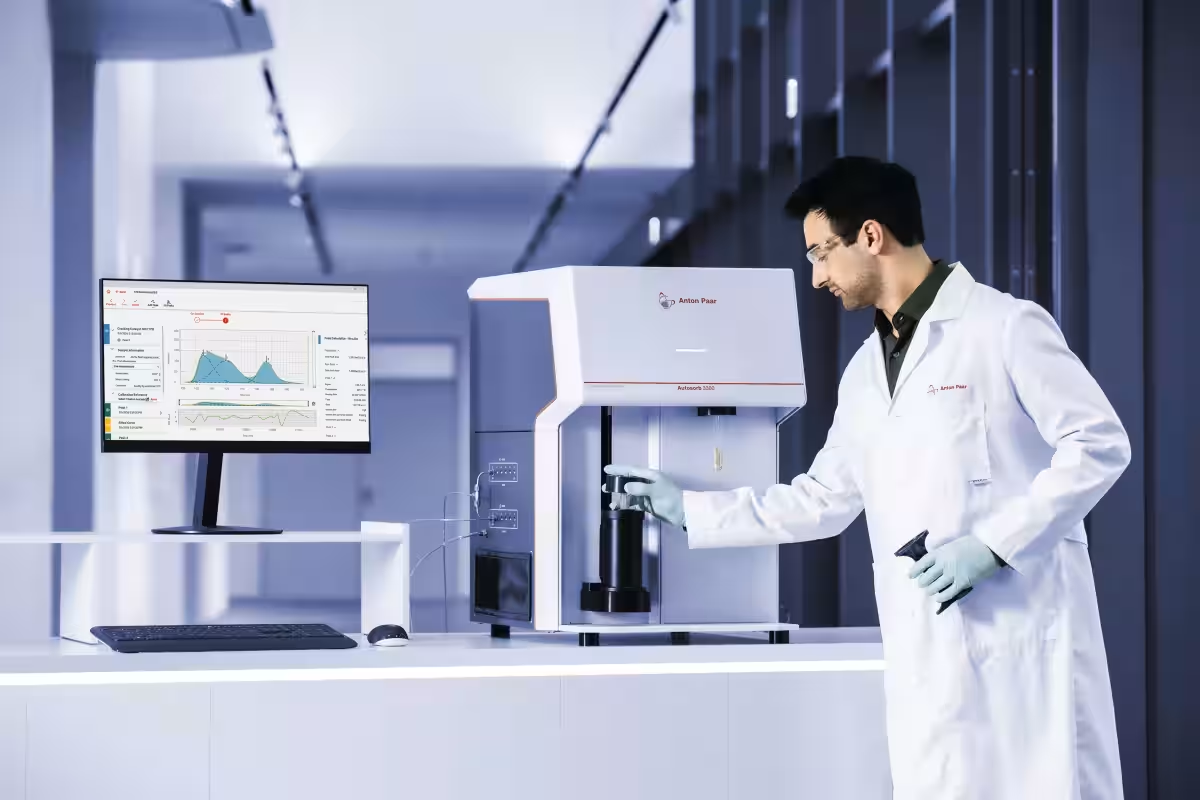
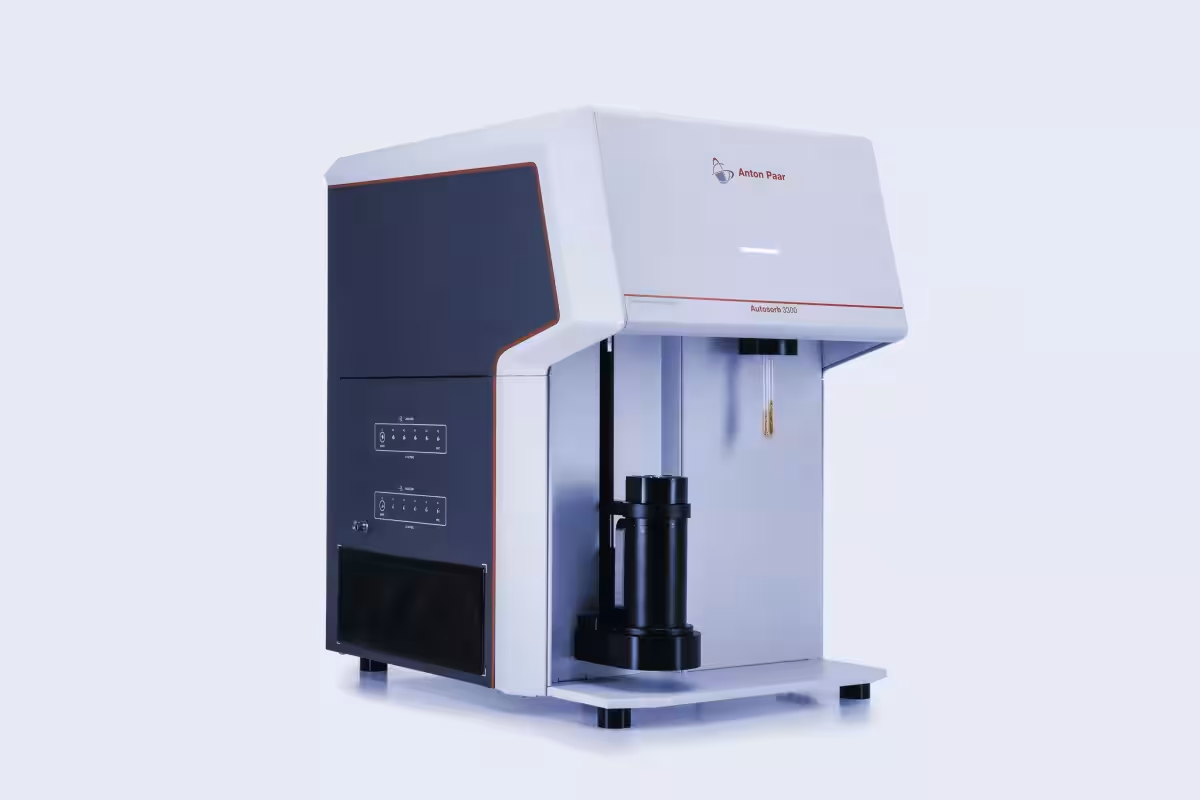
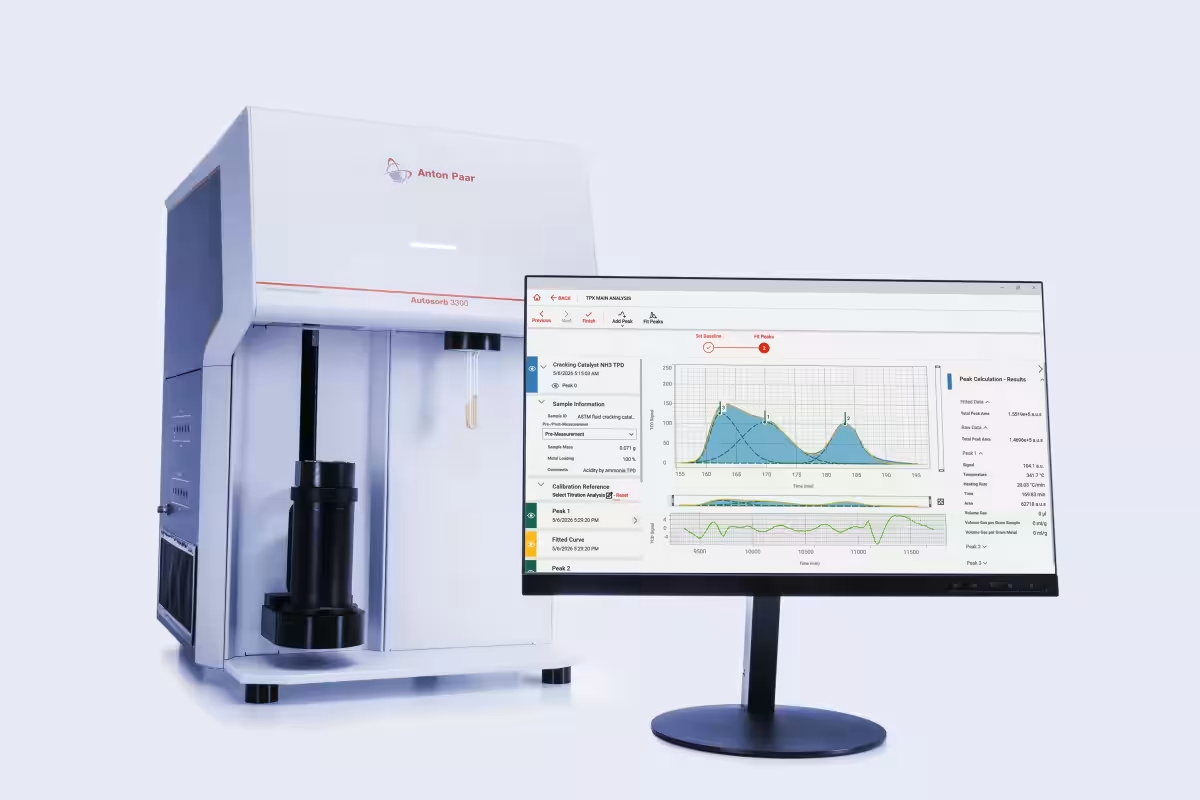
In July 2026, Anton Paar Japan, headquartered in Sumida-ku, Tokyo, proudly launched the Autosorb 3300. This state-of-the-art device is set to revolutionize the landscape of chemical adsorption by offering high precision and ease of operation, making catalyst evaluation safer and more efficient than ever before. Details about the product can be found on Anton Paar's official website.
Features of the Autosorb 3300
The Autosorb 3300 is designed to address the complexities and inefficiencies that have traditionally plagued catalyst evaluation processes. It boasts three primary features that significantly enhance laboratory operation:
1. Automatic Control for Ease of Use
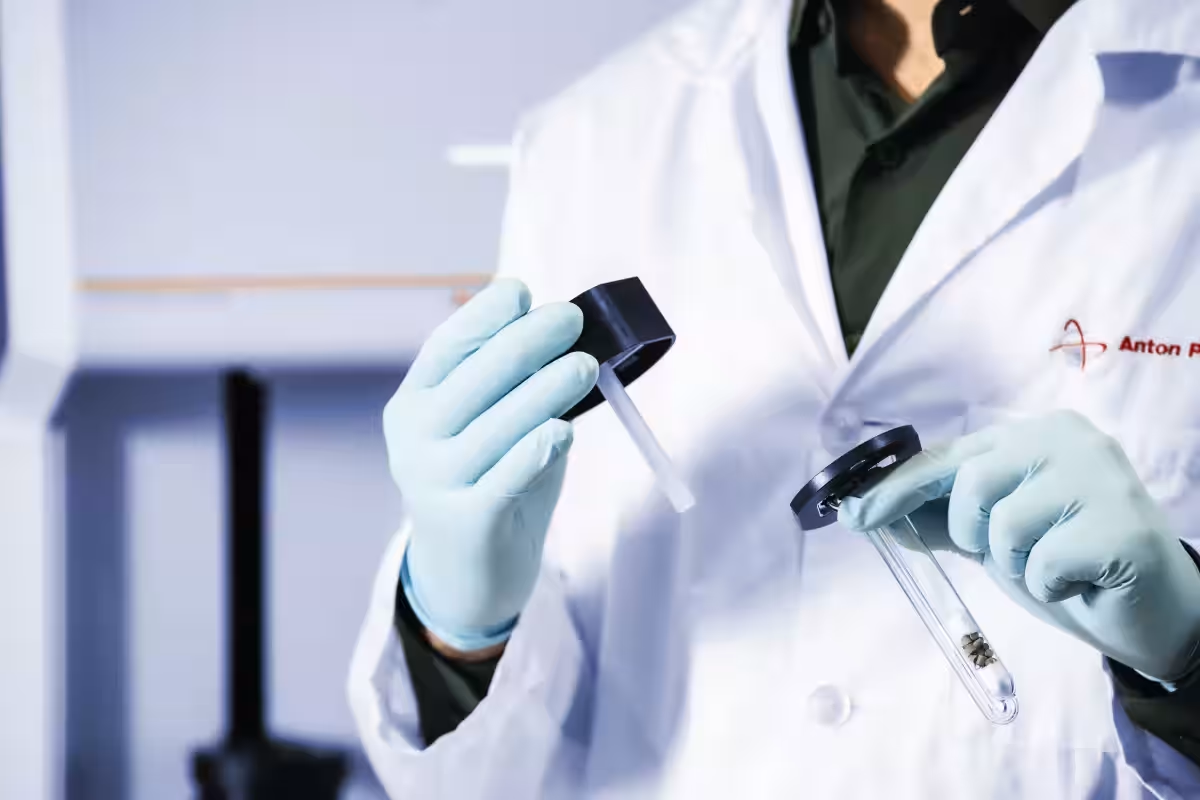
With its proprietary workflow, the Autosorb 3300 automates the entire evaluation process from automatic cell connection and leak checks to fully automated positioning and loop selection. This means that operators need only set the sample cell and press the start button—manual adjustments are completely eliminated. This design minimizes the dependency on operator expertise, leading to enhanced efficiency within the lab environment.
2. Minimized Operating Costs
The Autosorb 3300 reduces the need for consumables and minimizes gas usage, significantly lowering the cost per analysis. Its built-in gas mixing function cuts down on the number of necessary gas cylinders and pressure regulators. Moreover, the use of a renewable zeolite vapor trap eliminates the need for liquid nitrogen cooling during temperature-programmed reduction (TPR) processes. Optimization of the gas flow path further decreases gas flow rates while ensuring rapid gas replacement. This thoughtful design also removes the need to replace septa, syringes, ferrules, and O-rings, along with eliminating the requirement for compressed air cooling, making it a lab-friendly solution.
3. High-Precision Catalyst Evaluation
The Autosorb 3300 is capable of accurately evaluating even the most challenging catalysts. It can distinctly separate small titration peaks and effectively assess catalysts with exceedingly low metal loadings. With the ability to detect active surface areas of less than 0.03 m² and a reproducibility of less than 0.5% for calibration peaks, it sets a new benchmark for precision. Additionally, the device supports sample heating up to 1,200 °C and rapid cooling from 800 °C to 50 °C in just 28 minutes, reducing waiting times significantly.
The dedicated software, Kaomi React, provides intuitive control over evaluations and further facilitates seamless analysis.
Performance Specifications
The Autosorb 3300 supports various measurement types, including:
- - TPR (Temperature Programmed Reduction)
- - TPO (Temperature Programmed Oxidation)
- - TPD (Temperature Programmed Desorption)
- - TPSR (Temperature Programmed Surface Reaction)
- - Pulse Titration
- - Breakthrough Curve Analysis
It can analyze key metrics such as active metal surface area, dispersion, crystallite size, activation energy, acid strength, quantitative desorption, peak fitting, and deconvolution. Reproducibility measures include:
- - Injection reproducibility of less than 0.4% of loop volume
- - Peak temperature reproducibility of less than 0.8% for zeolite ammonia TPD
- - Active area reproducibility of 4% measured with alumina-supported 2% platinum reference samples.
To see the Autosorb 3300 in action, watch the product demonstration video showcasing its simple design and operation.
Inquiries and Further Information
For detailed specs, application notes, or to request a demonstration, please contact Anton Paar Japan at:
- - Address: 1-19-9 Tsutsumi, Sumida-ku, Tokyo 131-0034
- - Phone: 03-4563-2500
- - Email: [email protected]
- - Official Website: Anton Paar
About Anton Paar
Founded in 1922 in Graz, Austria, Anton Paar has established itself as a leader in density and concentration measurement, rheometry, viscosity measurement, and dissolved carbon dioxide measurement. The company also offers cutting-edge analysis technologies including Raman spectroscopy, X-ray diffraction, particle size analysis, and surface analysis. Anton Paar’s products are widely used by leading beverage manufacturers, food, chemical, oil, and pharmaceutical industries, as well as top academic research institutions. The company is dedicated to innovation, investing 14.5% of its annual sales into R&D to contribute to scientific and industrial advancements.

Topics Consumer Products & Retail)

【About Using Articles】
You can freely use the title and article content by linking to the page where the article is posted.
※ Images cannot be used.
【About Links】
Links are free to use.