



Innovative Project to Cultivate Wasabi in Bean Sprout Factories Revolutionizes Food Production
Revolutionizing Food Production: Wasabi in Bean Sprout Factories
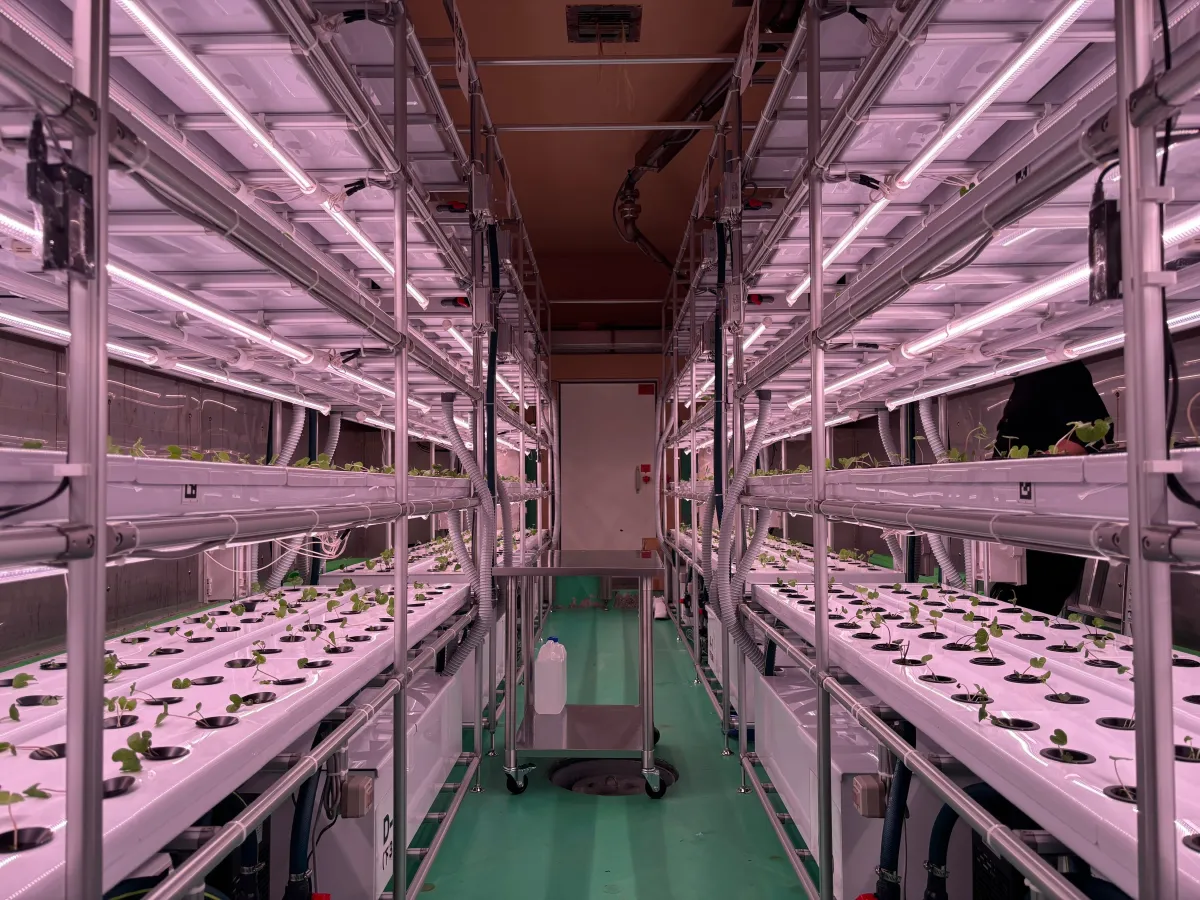
In a groundbreaking collaboration, NEXTAGE, a company based in Tokyo, has partnered with Maruichi Food, known for its bean sprout production, to launch an innovative project that integrates wasabi cultivation into existing food factories. This initiative aims to automate the growth of wasabi—a highly valued crop—using a built-in cultivation module, creating a revolutionary model for food production.
Project Overview
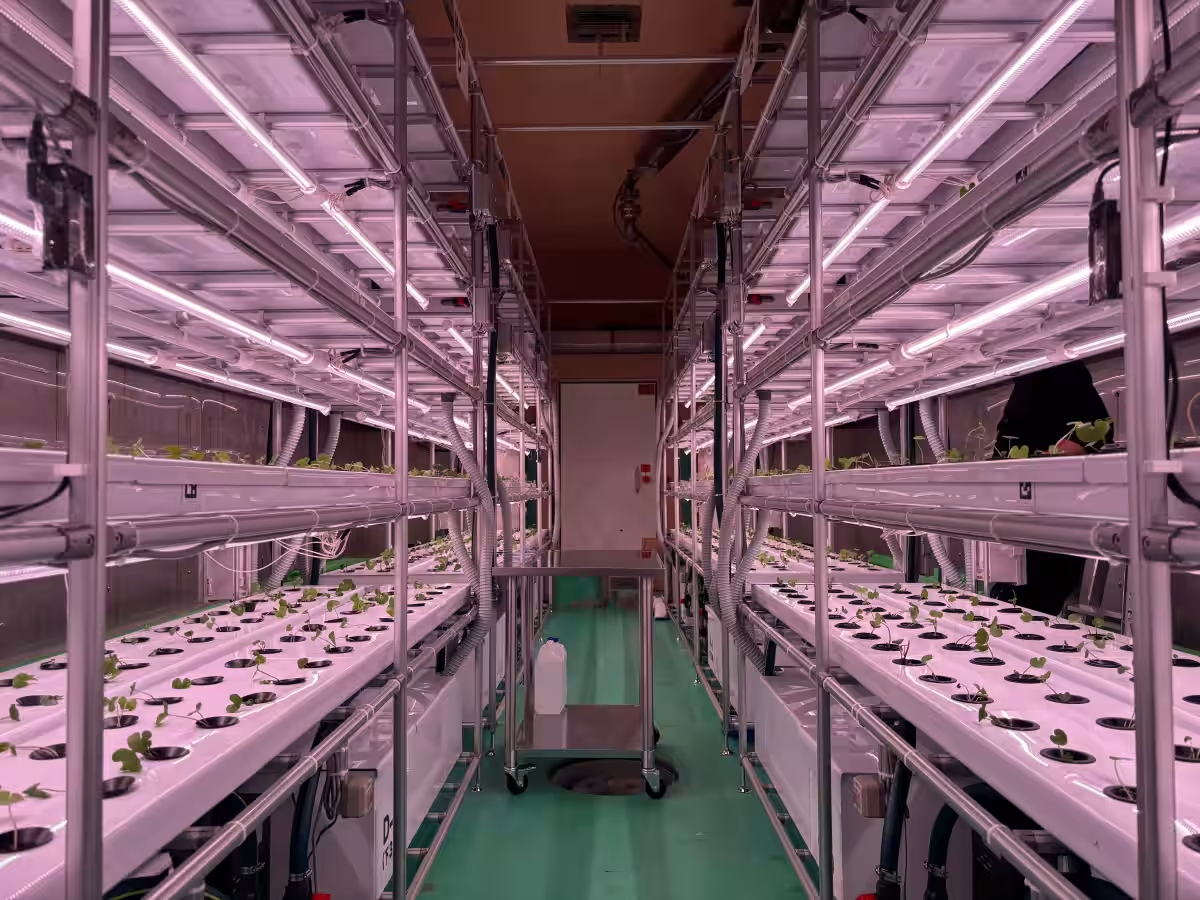
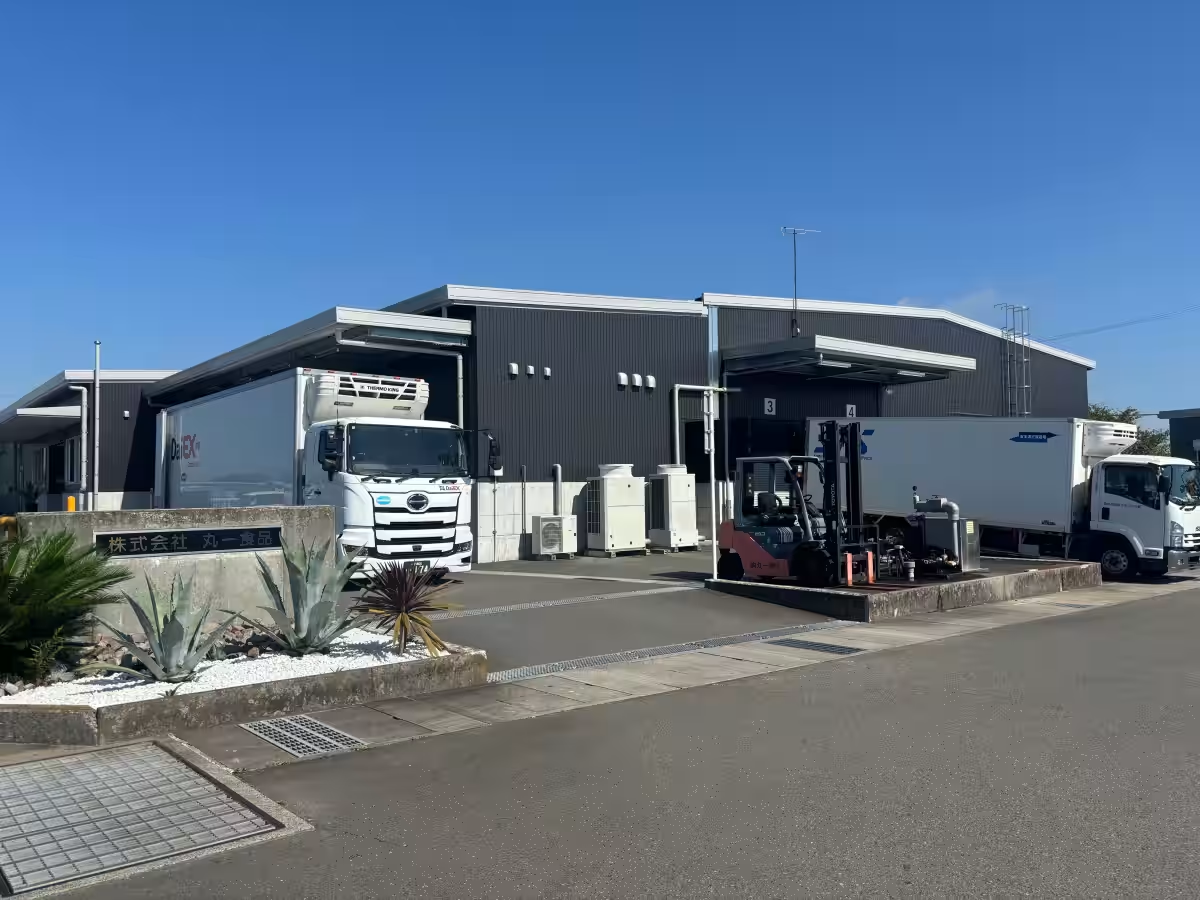
The project specifically involves the implementation of NEXTAGE's wasabi cultivation module within Maruichi Food's bean sprout factory located in Shizuoka Prefecture. This integrated approach allows for the hydroponic cultivation of wasabi on the factory floor, utilizing advanced environmental control techniques. This marks a significant shift from traditional wasabi farming, which largely depends on natural environments and specific climatic conditions.
By harnessing these advanced techniques, the project aims to secure stable and sustainable production of wasabi, irrespective of external variables such as weather and location. This is particularly crucial given the rising domestic and international demand for wasabi, accompanied by a decline in supply.
Background of the Project
1. Increasing Demand for High-Value Food Products
Maruichi Food, while focusing on its primary business of bean sprouts, has recognized the necessity to diversify its offerings with more high-value food products. Wasabi presents an excellent opportunity, given its growing popularity and potential for increased market share.
2. Utilizing Regional Resources
Operating in Shizuoka Prefecture, famous for its wasabi production, Maruichi Food wishes to leverage local resources to foster new industries and contribute to the regional economy. This project serves as a vital step toward creating a sustainable agricultural framework that benefits the local community.
3. Enhancing Operational Efficiency
Bean sprout production is characterized by rapid growth cycles, often leading to underutilization of factory resources. By integrating wasabi cultivation, this project not only maximizes the use of existing equipment and personnel but also enhances overall productivity and revenue generation for the factory.
Features of the Built-In Cultivation Module
The built-in module boasts several standout characteristics:
- - Integration: Seamlessly fits into existing food factories.
- - Environmental Control: Ensures stable year-round production by regulating environmental conditions.
- - Automation: Reduces operational burdens through mechanization and minimal labor requirements.
- - Companion Cultivation: Allows for simultaneous production of multiple crops, maximizing profitability and resource efficiency.
This module embodies the idea that growing wasabi does not require specific locations, creating new value within the food production landscape.
Future Outlook
With the launch of this project, NEXTAGE aims to establish a 'multi-crop production model' within food factories. This approach is not just limited to wasabi; it sets a precedent that can benefit various food manufacturers and agricultural enterprises facing similar challenges.
By facilitating the stable supply of wasabi domestically, effectively utilizing idle resources, and contributing to regional industrial revitalization, this model promises significant advancements in agricultural practices.
NEXTAGE is committed to exploring the fusion of agriculture and industry, continuing to innovate and deliver new value to the food sector.
Statements from Company Leaders
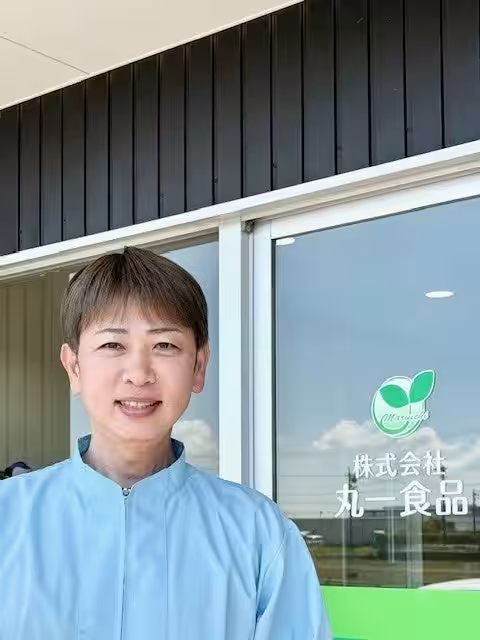
Kohei Nakao, CEO of Maruichi Food
"We have been dedicated to providing stable food supplies through bean sprout production. However, we feel the pressing need for new value creation and growth opportunities. Meeting high-value crops like wasabi, paired with NEXTAGE's cutting-edge technology, has made this project a reality. We see tremendous potential in utilizing existing facilities and expertise to carve out new revenue streams."
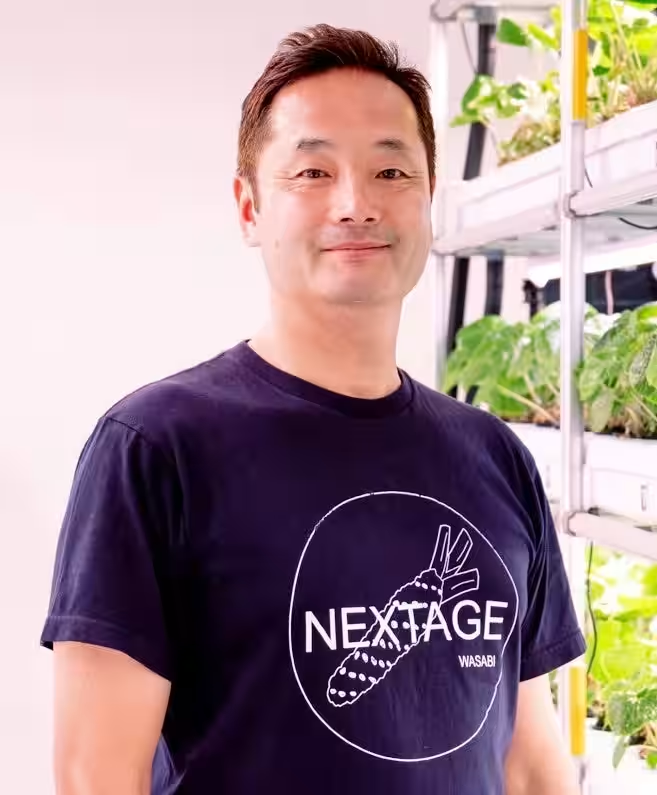
Takuya Nakamura, President of NEXTAGE
"This project challenges the traditional notion that agriculture is location-bound. By incorporating wasabi cultivation within food factories, we can generate new revenues using existing equipment, personnel, and time. We plan to expand this 'integrated agriculture model' across various industries, aiming to share Japan's culinary and technological advancements with the world."
Topics Consumer Products & Retail)
【About Using Articles】
You can freely use the title and article content by linking to the page where the article is posted.
※ Images cannot be used.
【About Links】
Links are free to use.