



Survey Unveils Conditions for Rural Relocation and Telework Preferences
Conditions for Rural Relocation: Insights from a Recent Survey
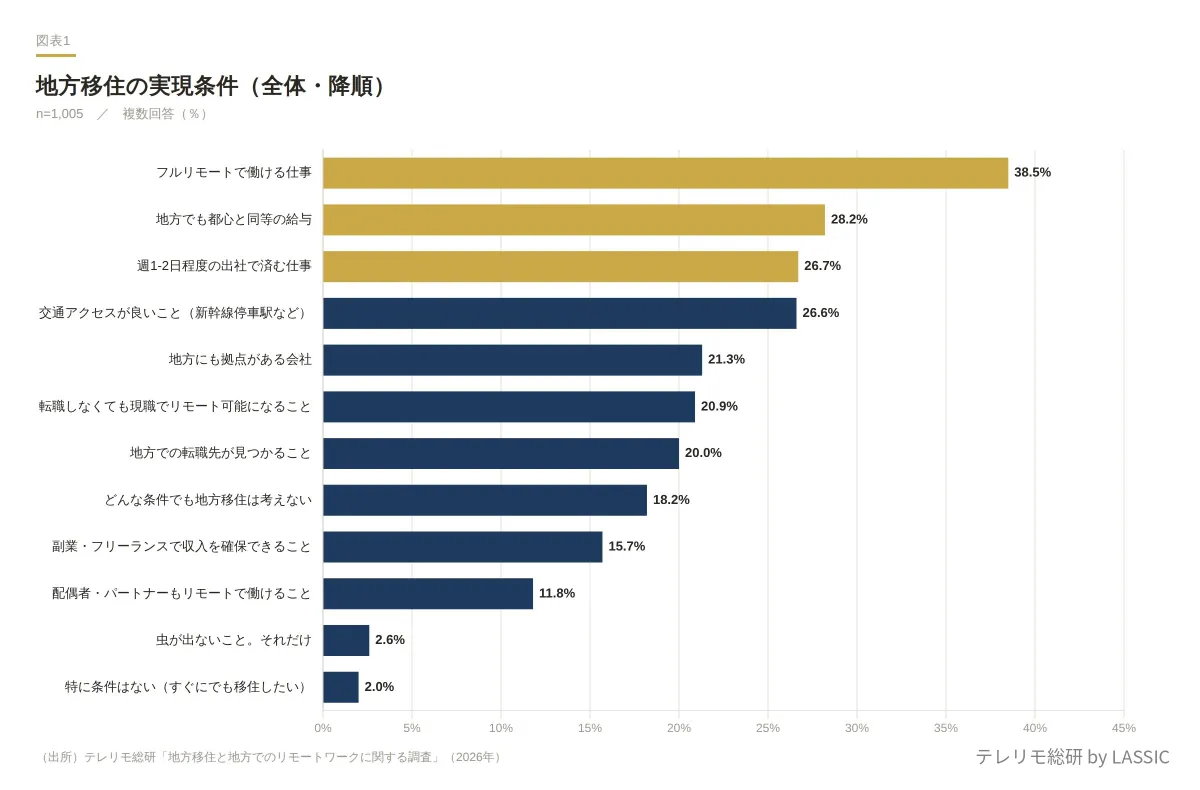
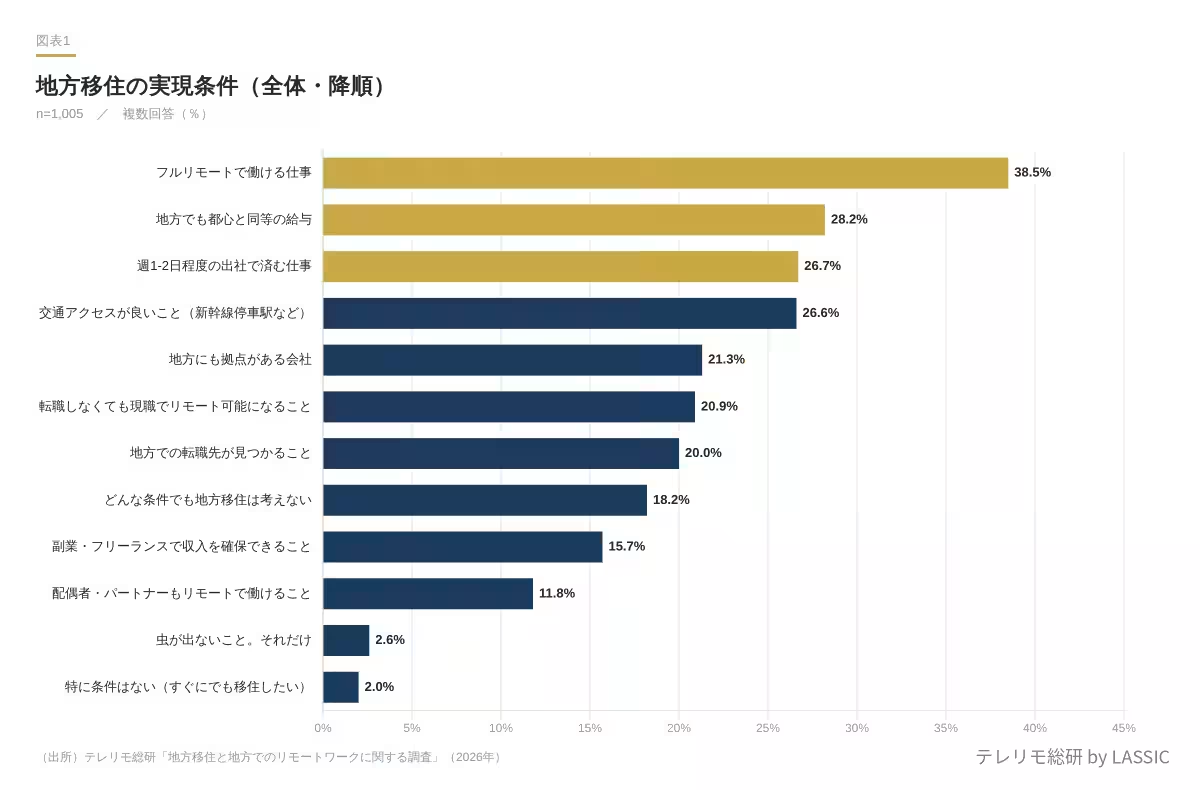
In a study conducted by LASSIC's Telework and Remote Work Research Institute, 1,005 individuals with remote work experience were surveyed to gauge their preferences regarding rural relocation and remote work conditions. The results have shed light on what factors are deemed essential for people contemplating a move to a rural area.
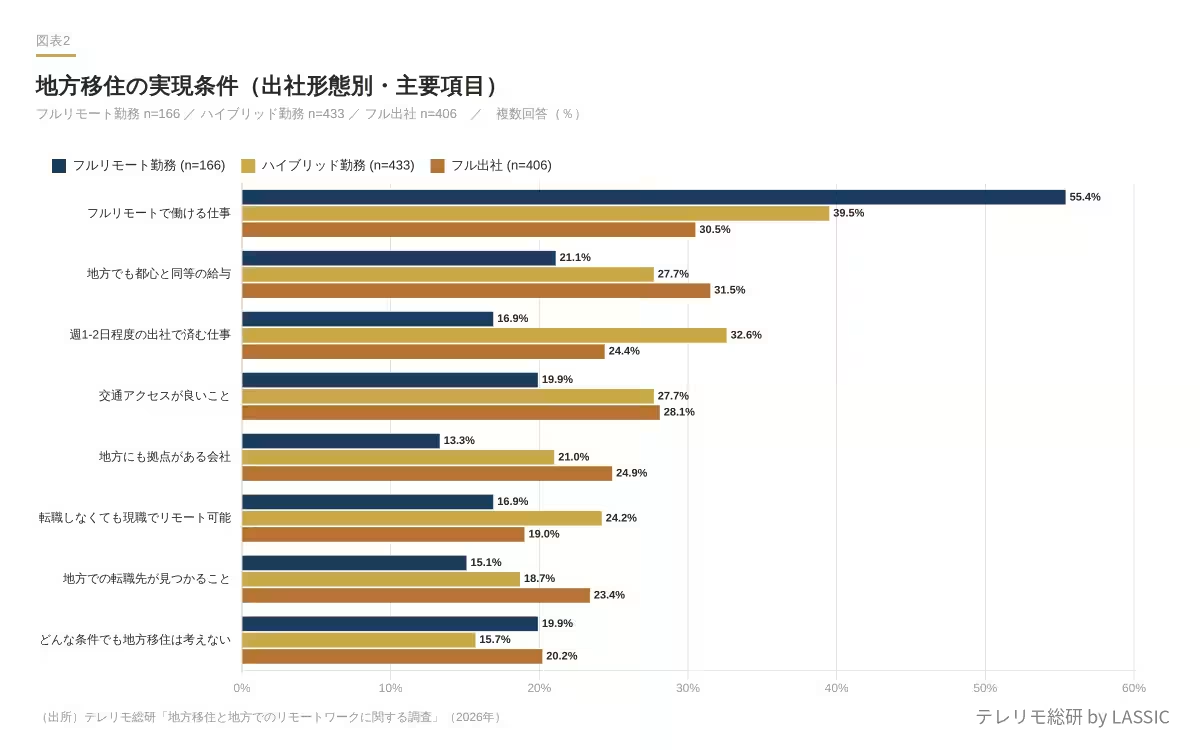
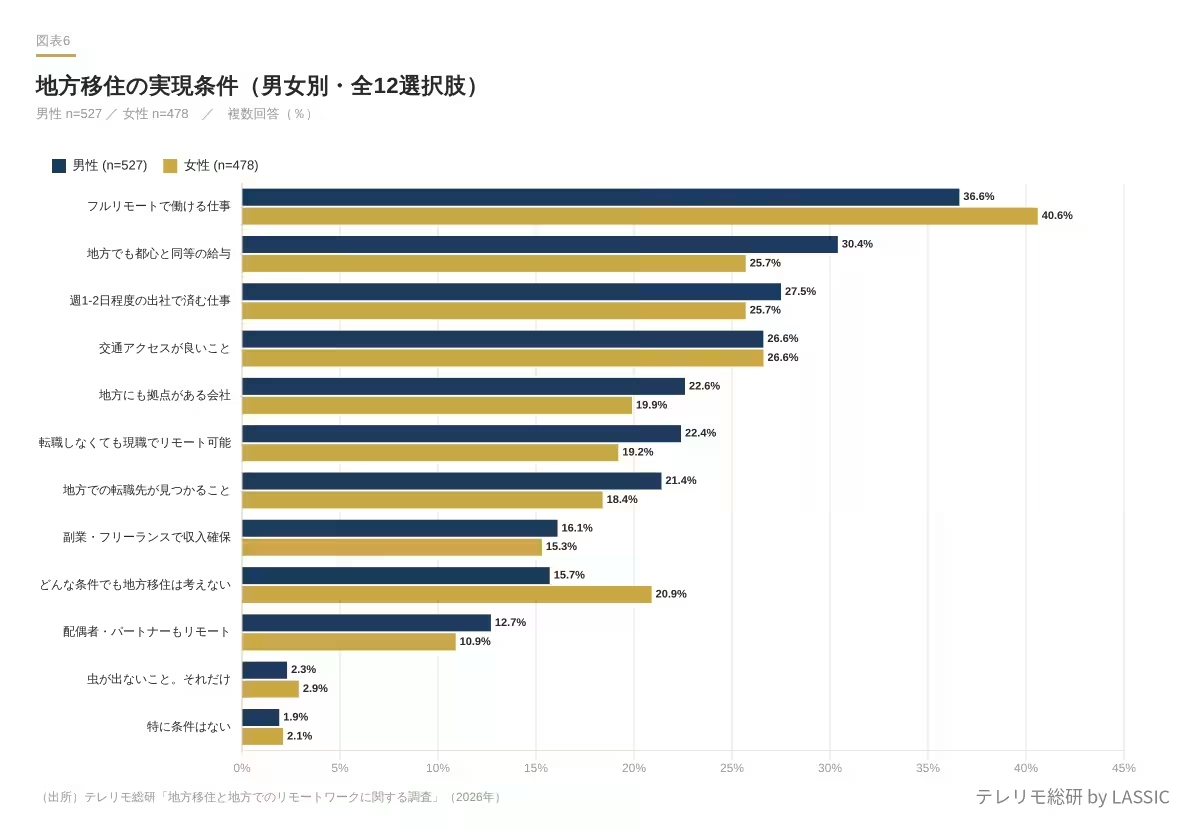
The leading condition for successful rural relocation, identified by 38.5% of respondents, is the availability of a full remote work position. This emphasizes the growing trend of workers seeking flexibility in their employment arrangements. Among full remote workers, this preference is notably higher, with 55.4% specifying the need for remote job opportunities. In stark contrast, for those who predominantly work in office settings, the priority shifts towards maintaining salaries comparable to urban standards, as 31.5% favored this condition.
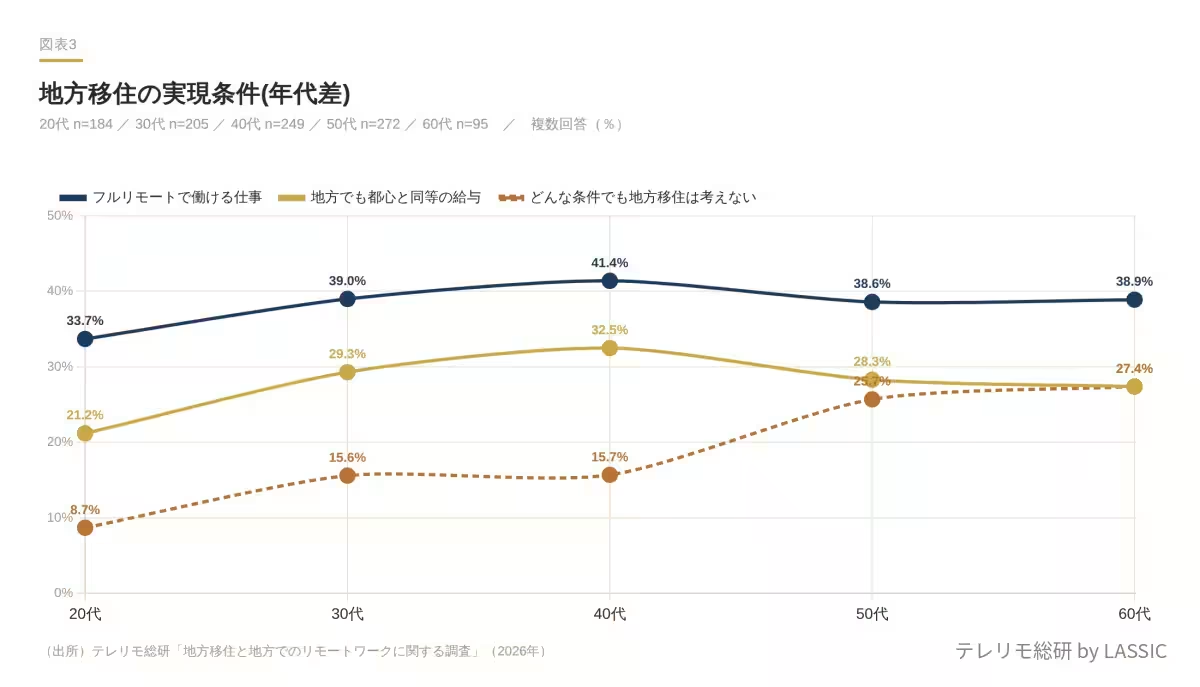
The survey results also highlighted significant age-related trends in willingness to consider moving. Specifically, the reluctance to relocate increased with age, revealing that only 8.7% of individuals in their 20s dismiss the idea of relocation outright, while this figure rose to 27.4% among those in their 60s, resulting in an 18.7-point gap between the two groups. Conversely, the desire for remote work remains fairly consistent among all age groups, with a selection rate for full remote opportunities ranging between 33% and 41% across the board.
Survey Highlights
1. Full Remote Work is Paramount: A clear majority prioritize positions that allow them to work remotely. This condition was notably ranked first overall and has widespread appeal among different age groups and employment types.
2. Age Gap in Relocation Interest: Younger individuals exhibit a stronger interest in rural relocation when compared to older generations, showcasing a demographic shift in how work location is valued.
3. Remote Work vs. Salary Expectations: While remote work options are essential for many, there still exists a substantial portion of employees who emphasize salary parity with urban jobs, particularly among those who do not work remotely.
Notably, hybrid workers also show an inclination towards full remote jobs, with 39.5% affirming the same. This signifies a shift in workplace culture where flexibility and adaptability continue to dominate professional expectations.
Detailed Analysis
It's evident from the survey that the varying preferences between remote and in-office workers influence their responses significantly. The fact that full remote workers overwhelmingly prioritize remote working options illustrates a fundamental change in job fulfillment attitudes.
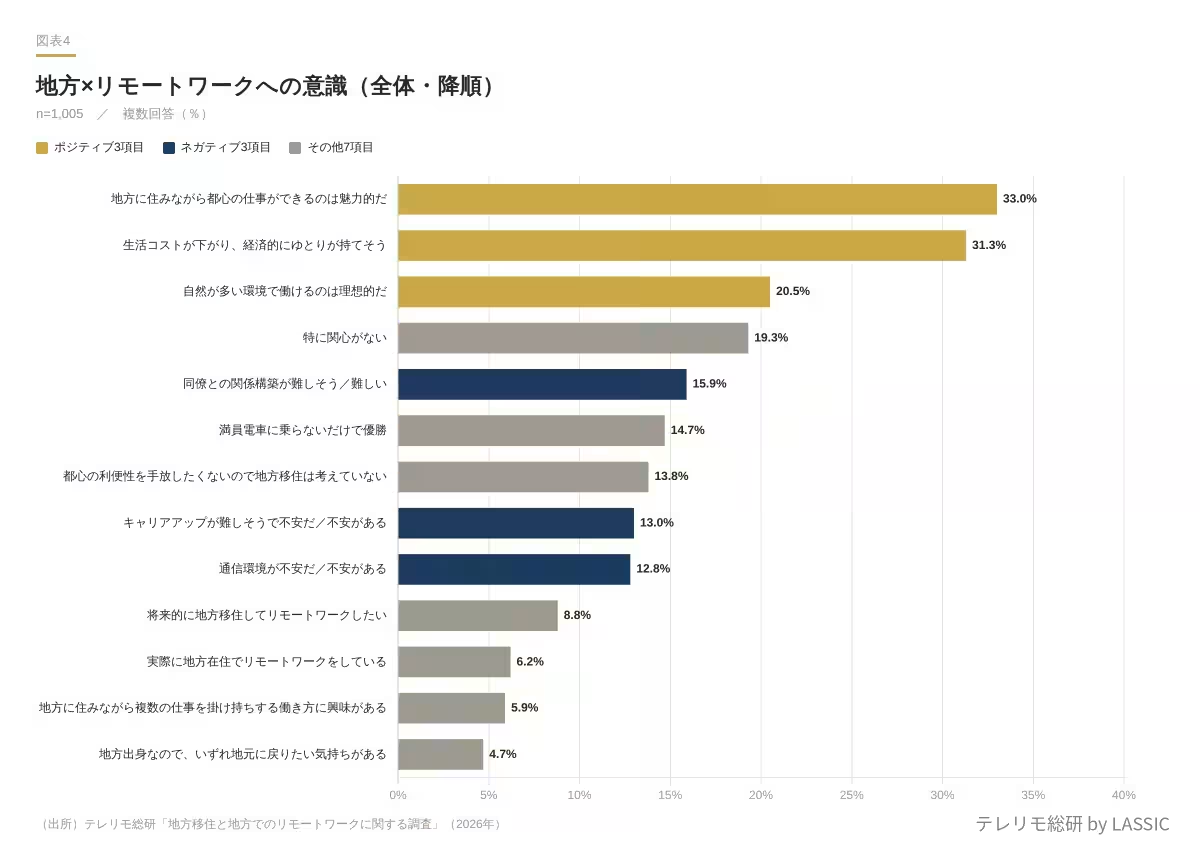
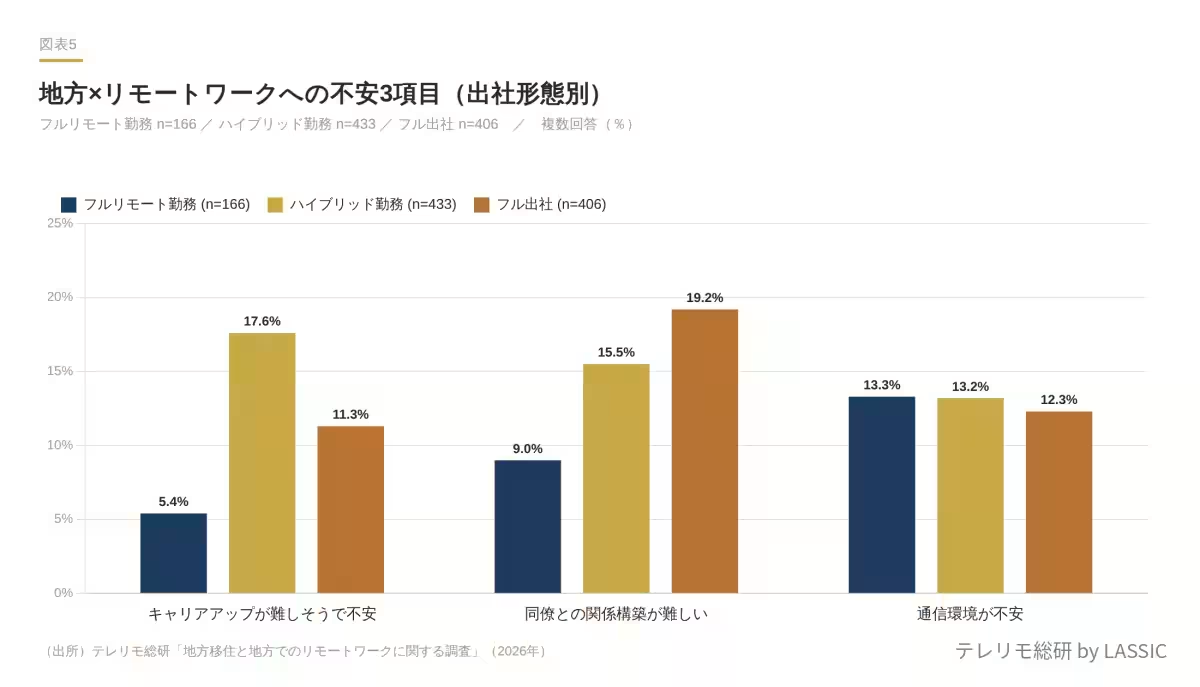
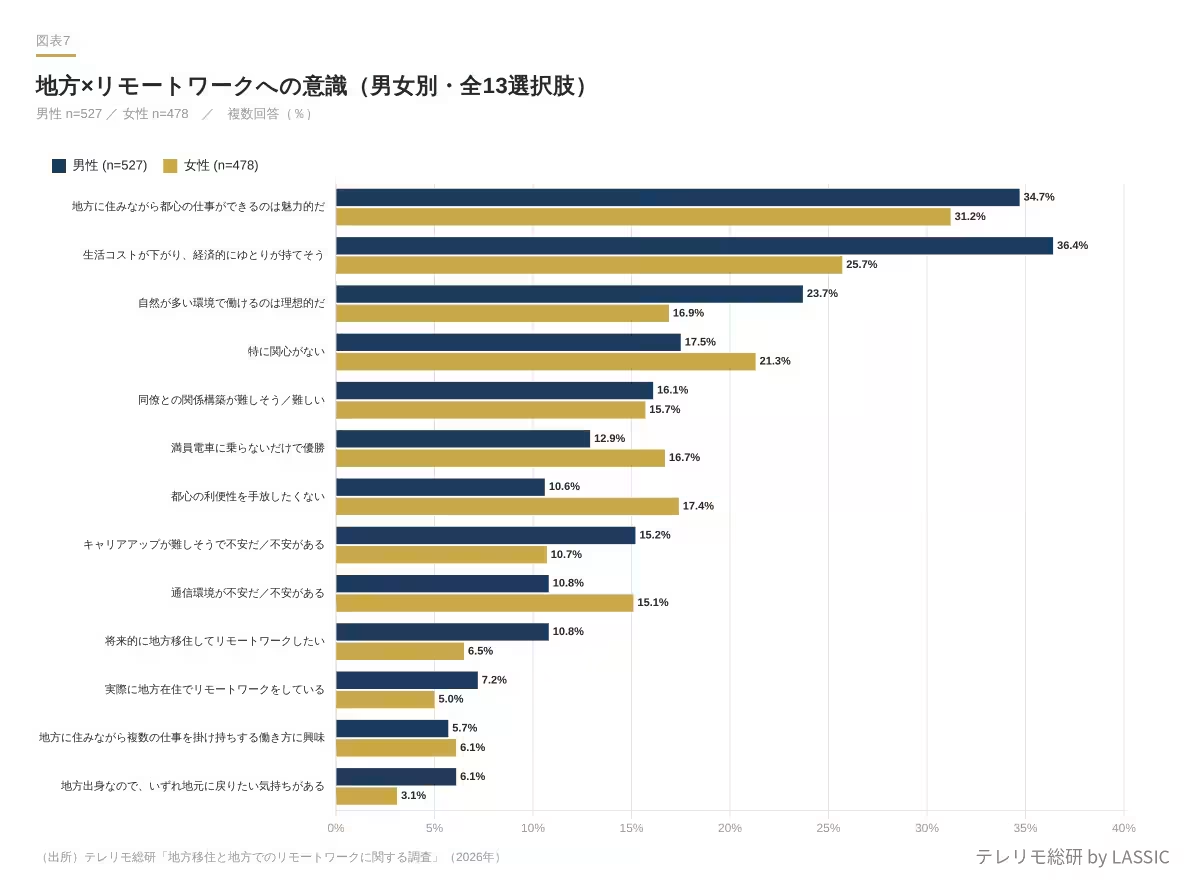
In terms of specific work-related anxieties, remote workers voiced lower concerns regarding career advancement and building connections with colleagues compared to their hybrid or fully office-working counterparts. This suggests that the traditional office environment, which fosters direct personal interaction, still holds its importance for some employees. At the same time, remote workers are finding ways to integrate into collaborative cultures without the need for physical presence.
Flexibility in the modern workforce is not only a matter of choice but is increasingly becoming a condition for job satisfaction and productivity. As such, it’s crucial for employers to create policies that enhance remote work options and address concerns tied to in-office dynamics, particularly among hybrid or traditional workers.
Conclusion
The survey from LASSIC illustrates the evolving landscape of work, drawing a clear distinction between the conditions required for rural relocation and the underlying preferences for flexible working arrangements. Understanding these dynamics is essential for companies looking to attract talent in a post-pandemic world, where the allure of remote work continues to shape employment trends. The shift towards remote possibilities signifies a new era in how work-life balance is perceived, leading to enhanced opportunities for individuals across diverse backgrounds.
For further insights, the complete report can be accessed at LASSIC’s Telework Research Institute.



Topics Consumer Products & Retail)



【About Using Articles】
You can freely use the title and article content by linking to the page where the article is posted.
※ Images cannot be used.
【About Links】
Links are free to use.