



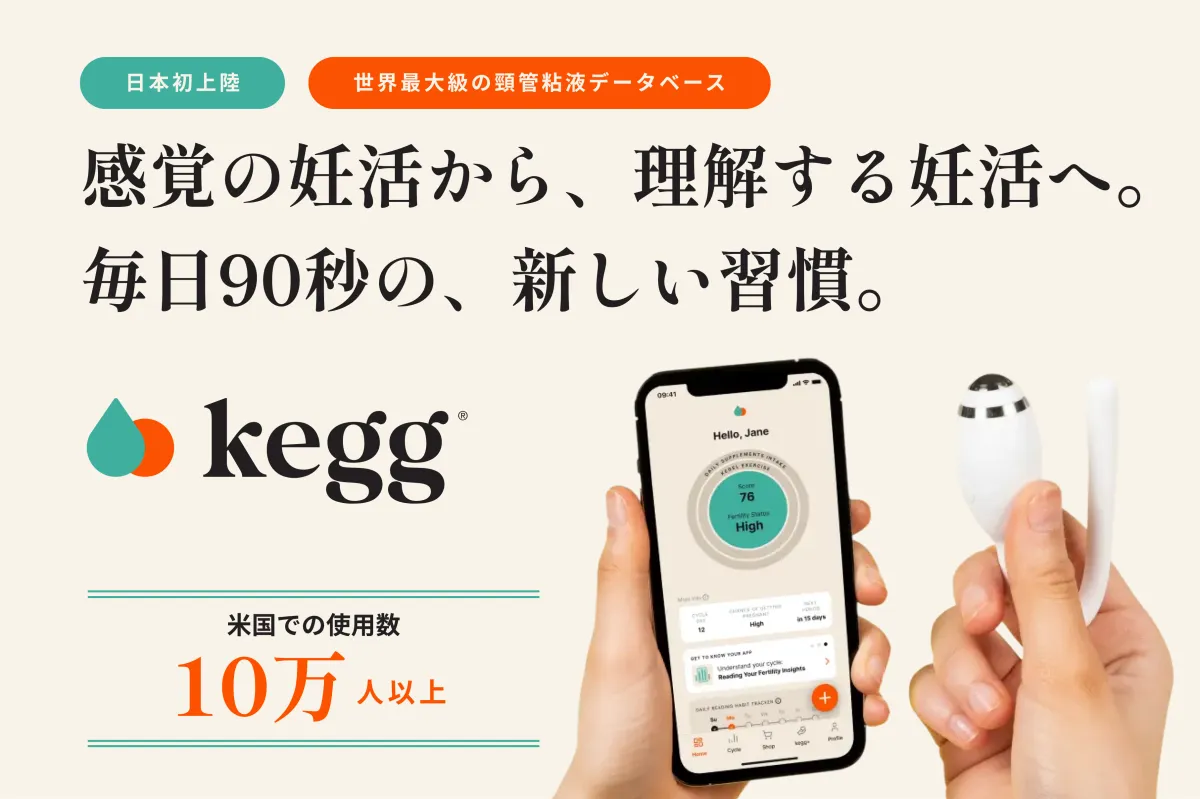
Pioneering Fertility Device Kegg Challenges Conventions in Japan’s Reproductive Health
Kegg: A Revolutionary Fertility Assistant for Japanese Women
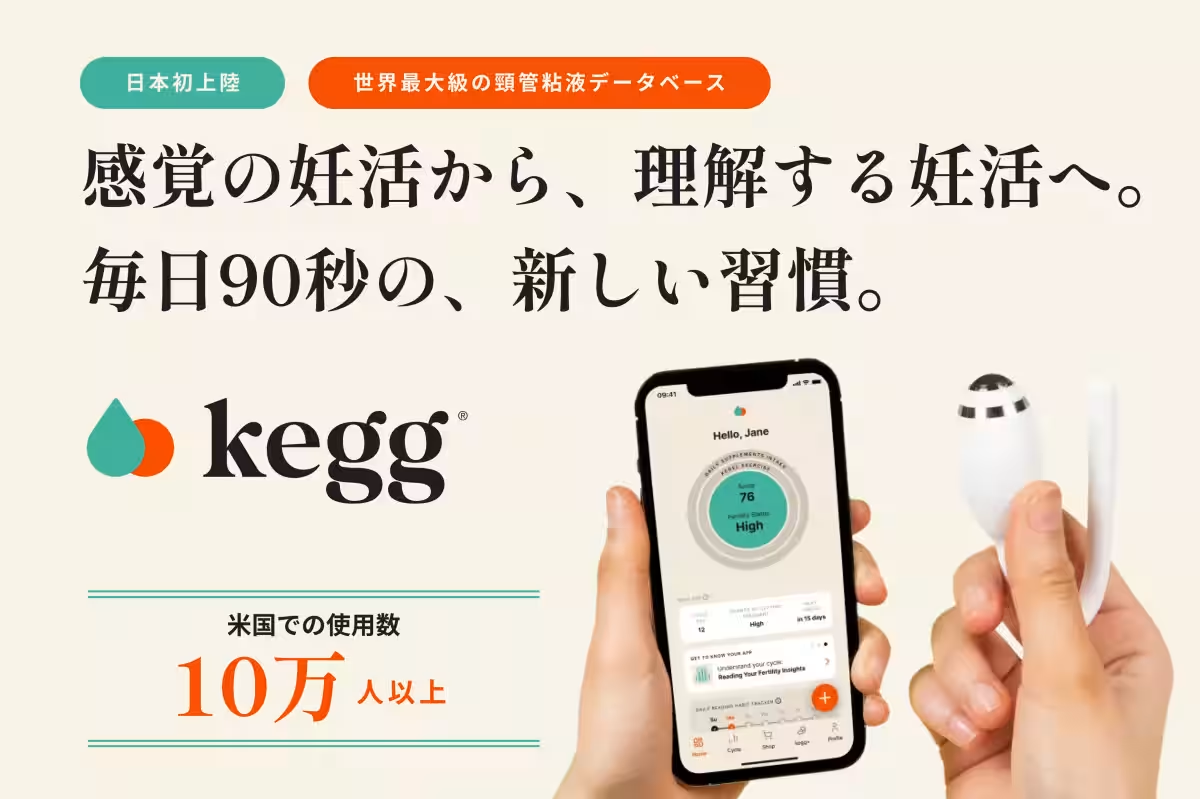
In an exciting breakthrough for fertility awareness in Japan, fermata Inc., in collaboration with the innovative Lady Technologies Inc., is set to launch the kegg device, aimed at transforming the way women monitor their reproductive health. With over 100,000 users already experiencing its benefits in the United States, kegg has positioned itself as a data-driven alternative to traditional fertility tracking methods.
What is Kegg?
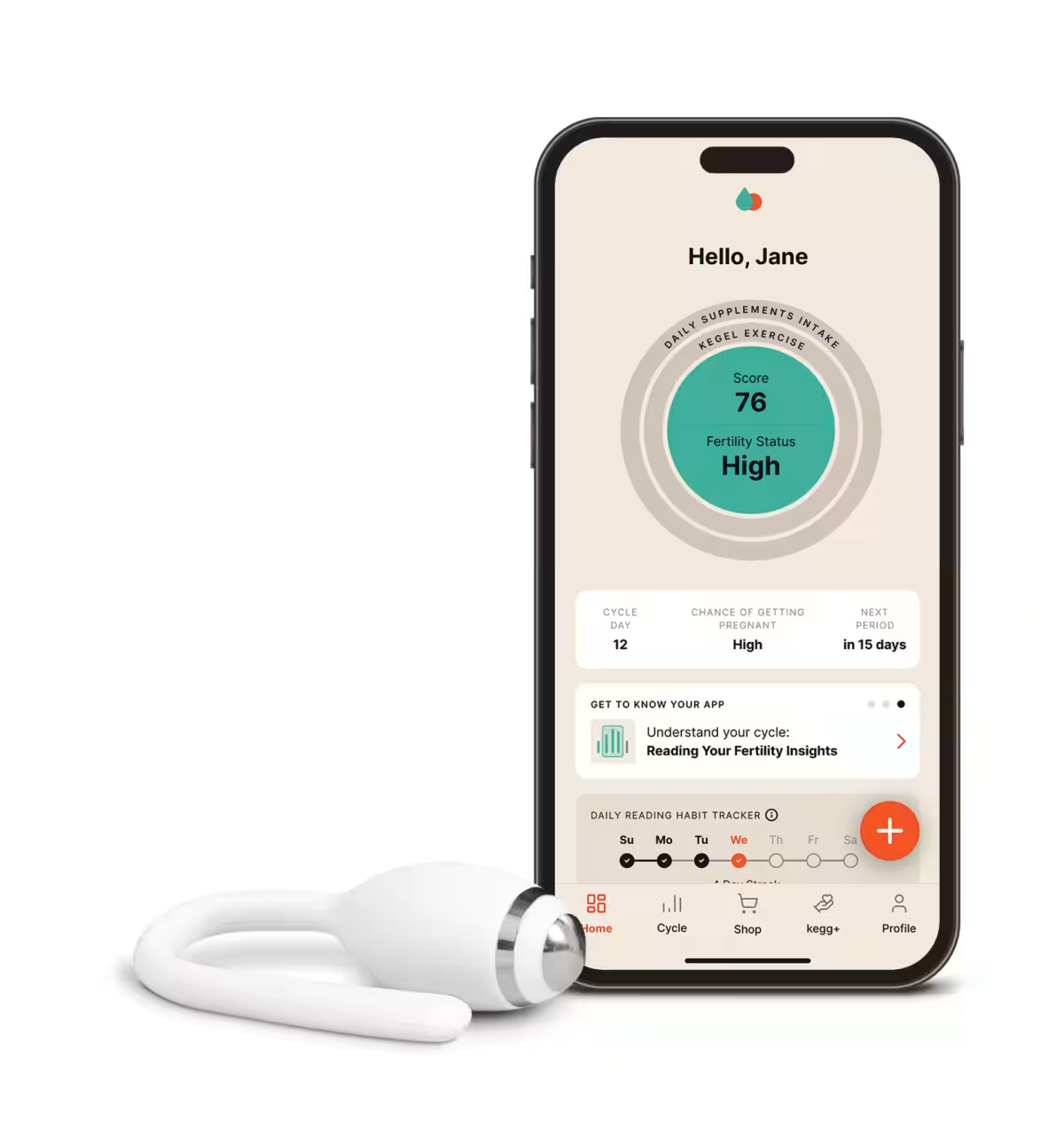
The kegg device is specifically designed to track changes in cervical mucus, an essential biological indicator of ovulation. By simply inserting the device for about 90 seconds daily, users can obtain crucial insights about their bodies through an accompanying mobile app that visualizes the data collected. This technology stands out not only for its user-friendly approach but also for utilizing electrochemical impedance spectroscopy (EIS) for precise measurements.
The Need for Change in Japan
Fertility awareness in Japan has crucial implications, particularly as approximately one in three couples are concerned about infertility. Current methods for tracking ovulation are often limited and can involve significant physical and emotional burdens, as well as creating constraints for working individuals.
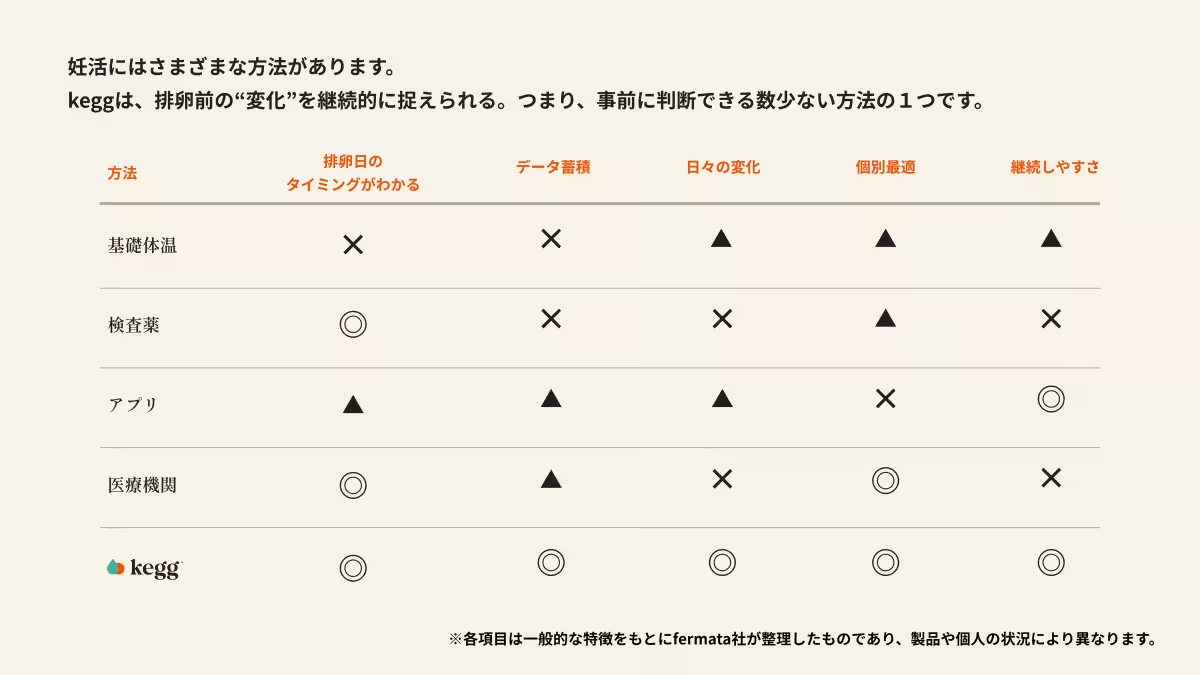
Women have typically relied on either clinic visits or self-tracking methods like basal body temperature charts and ovulation test kits. However, these traditional methodologies often leave gaps in understanding and can be overwhelming due to the complexities of individual cycles and the 10-day variance in ovulation timing.
The kegg device provides a much-needed third option by offering users continuous data that fosters a deeper understanding of their own cycles in the comfort of their daily routines—transitioning from subjective guesswork to informed decision-making in fertility planning.
Enhancing Fertility Awareness
The changes in cervical mucus begin to evolve around five days prior to ovulation, serving as early signals for potential fertility windows. Until now, the recognition of these physiological signs relied mostly on personal observation, which varies greatly among women. Kegg transforms this process by transforming natural bodily changes into quantifiable data, promoting a proactive approach for women and couples trying to conceive.
Within a culture that faces rising infertility concerns, the advent of kegg is particularly significant. The increased accessibility and understanding of reproductive health can alleviate both emotional stress and systemic pressures at play in fertility treatments.
A New Era of Technology in Women’s Health
Japan has seen a surge in interest towards health technology that supports women's unique health needs; however, barriers such as regulatory restrictions and cultural misconceptions have limited the adoption of innovative products. The launch of kegg is poised to change this narrative, providing a response to the identify-a-need ethos emerging in the Japanese health landscape.
As societal interest surrounding fertility treatments continues to increase—especially with measures taken in 2022 to expand insurance coverage for fertility treatment—the onus is placed not only on healthcare providers but also on individuals to understand their health more thoroughly. Kegg empowers users to do exactly that, fostering early detection of their reproductive health patterns.
The Journey to Release
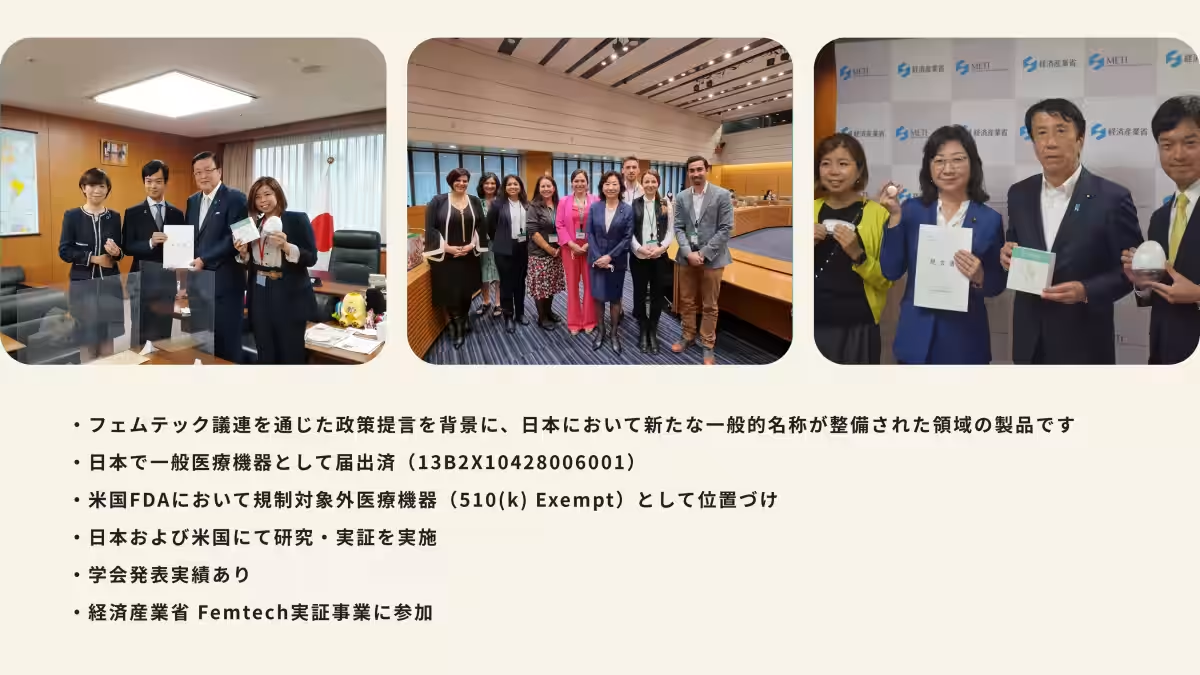
The collaboration between fermata Inc. and Lady Technologies Inc. has been in the making for several years, spanning from discussions that began in 2018, to full-scale product localization and pilot studies supported by Japan's Ministry of Economy, Trade and Industry. The device has cleared its regulatory pathways, with pre-orders commencing via Green Funding on April 20, 2026, and subsequent sales anticipated later that summer.
Looking Ahead
As kegg prepares for its debut in Japan, the broader implications of this technology extend beyond individual use. They also signal a significant advancement in how fertility health is perceived and addressed at a societal level. There is immense potential for this device to play a role in healthcare conversations, simplifying communication between users and medical professionals, and fundamentally altering Japan's approach to reproductive health challenges.
The future of fertility tracking in Japan is bright with the introduction of kegg, marking a crucial turning point wherein women are not just passive observers of their health but active participants empowered with progressive technology.
With such promising developments on the horizon, the anticipation of kegg’s impact throughout Japan marks a hopeful transition in both personal and collective health narratives.

Topics Health)


【About Using Articles】
You can freely use the title and article content by linking to the page where the article is posted.
※ Images cannot be used.
【About Links】
Links are free to use.