



A Deep Dive into Cybersecurity Operations for SMEs: Findings from a Recent Survey
A Comprehensive Study on Cybersecurity in Small and Medium Enterprises
As the demand for robust cybersecurity increases, particularly in the wake of advancing threats targeting supply chains, the need for effective security operations has never been more pressing for small and medium enterprises (SMEs). A survey conducted by Technol Co., Ltd., based in Hachinohe, Aomori Prefecture, aimed to illuminate the current state of security operations within organizations that have fewer than 200 employees. This research provides valuable insights into how SMEs can navigate the evolving landscape of cybersecurity effectively.
The Survey Overview
The survey, conducted from March 24 to March 25, 2026, targeted individuals responsible for information systems or security within SMEs while they also managed other duties. Out of 1,004 respondents, critical findings emerged regarding their perceptions and realities of security operations within their organizations. It is imperative to understand how SMEs perceive their security readiness, especially as the Ministry of Economy, Trade and Industry (METI) plans to implement a security assessment system for supply chains by the end of fiscal 2026.
Key Findings on Security Operations
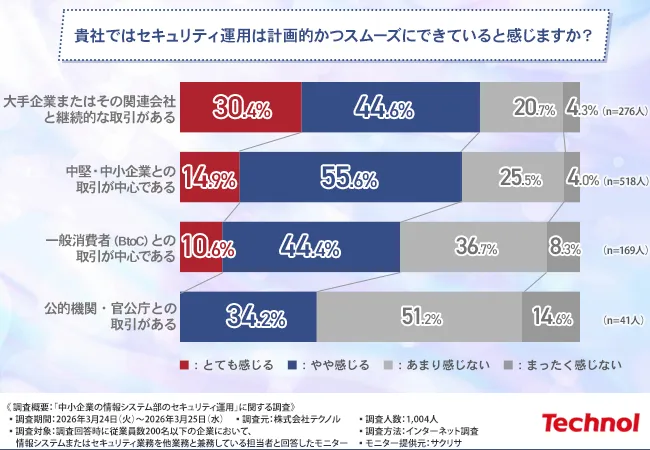
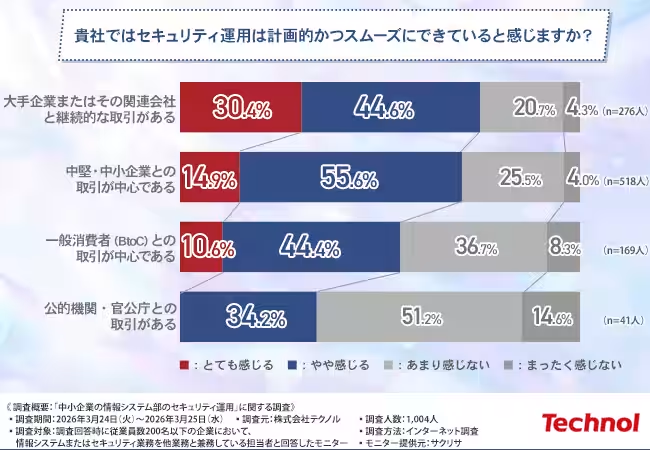
The survey unveiled that a significant share of respondents (over 70%) who maintain relationships with major corporations felt their security operations were smooth. In contrast, those primarily dealing with individual consumers or public institutions reported complicated operations. This disparity suggests that ongoing transactions with larger entities could enhance an SME’s security maturity.
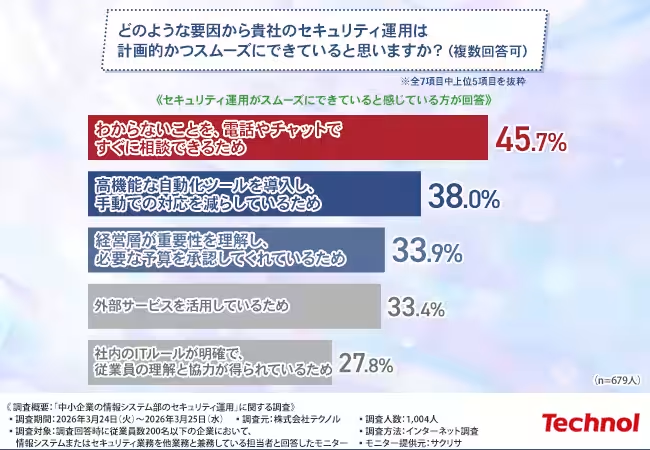
Respondents attributing their smooth security operations to factors such as immediate access to support via phone or chat (45.7%) and the implementation of high-function automation tools (38.0%) highlight critical elements of successful security management. Furthermore, an understanding from executive leadership regarding the significance of cybersecurity and the allocation of necessary budgets also plays a crucial role.
Confidence in Basic Security Measures
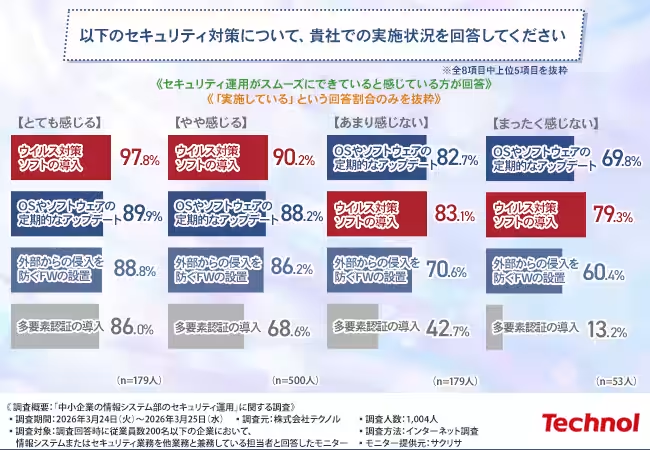
Interestingly, organizations that felt confident in their operations tended to prioritize foundational security measures. Respondents confirmed the implementation of essential strategies such as antivirus software and regular OS or software updates, reinforcing the notion that a strong foundation leads to confidence in overall security practices.
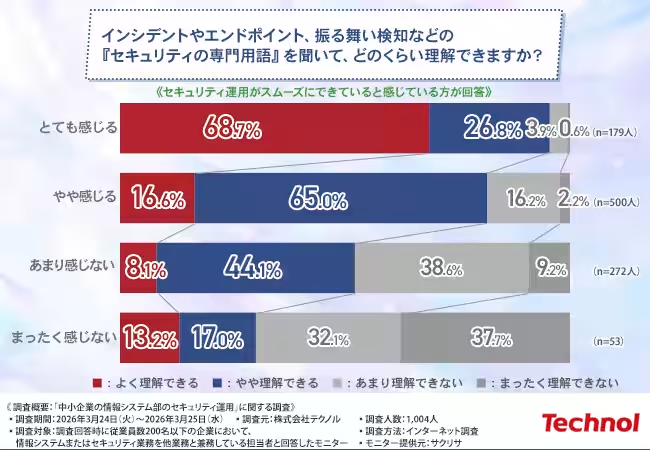
Conversely, those less confident seemed to struggle with understanding essential security terminology related to incidents and endpoint detection. This lack of comprehension naturally correlates with a decrease in the perceived efficacy of their security operations.
Response to Security Alerts
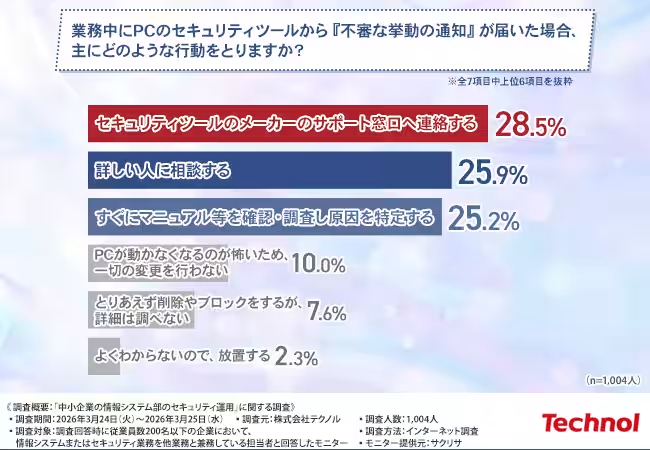
It was further highlighted that when notified of suspicious activity by security tools, many respondents relied on external assistance. A substantial proportion relied on contacting the tool's manufacturer for support (28.5%) rather than attempting to troubleshoot independently, showcasing a dependence on external expertise during crises.
Preparation for New Security Regulations
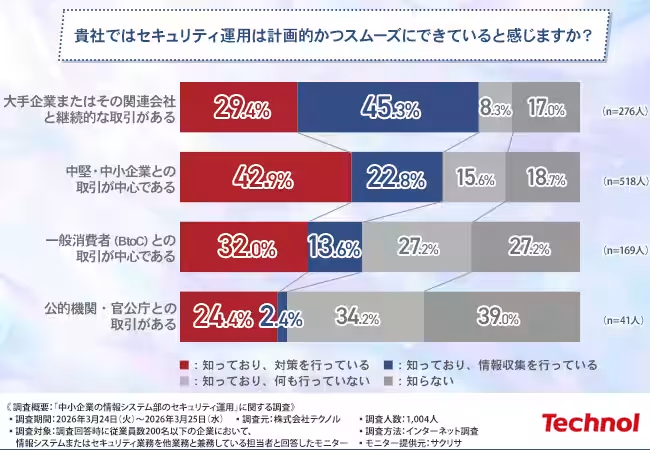
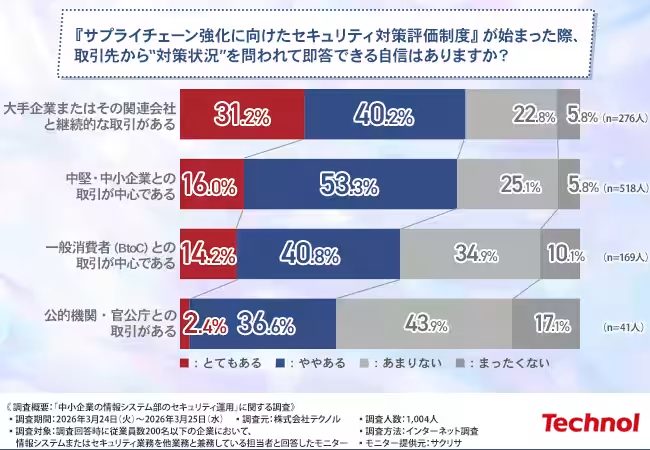
As the new security assessment system from METI approaches, respondents were divided in their preparedness to articulate their security measures to partners. Those with secure relationships with larger businesses expressed higher confidence in their ability to communicate their security status effectively.
Challenges in Implementing Security Measures
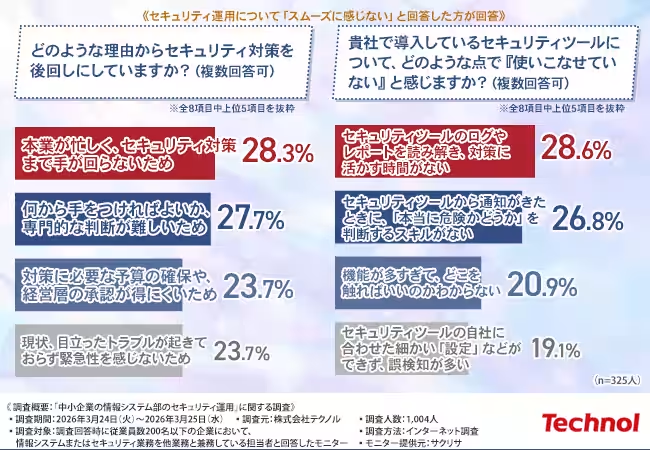
A troubling trend emerged among those who indicated that they did not feel confident in their security measures—many cited busy schedules as the primary reason for deprioritizing security (28.3%). Coupled with difficulties in obtaining budgets or approvals from executives, this paints a picture of overwhelmed personnel grappling with the pressures of day-to-day operations.
Additionally, respondents expressed concerns about effectively utilizing cybersecurity tools, often feeling they lacked the expertise to analyze logs or respond to alerts appropriately. This insight underscores the growing need for tools that prioritize usability and support without requiring extensive prior knowledge.
The Path Forward for SMEs
The findings suggest that as businesses adapt to increasing regulatory demands regarding cybersecurity, they must also ensure their security measures are both comprehensive and accessible. The importance of having streamlined processes supported by expert advice and efficient tools cannot be overstated. Addressing these issues can alleviate burdens on personnel, allowing SMEs to enhance their resilience against cyber threats.
Conclusion
Technol Co., Ltd. is committed to providing powerful security solutions designed specifically for SMEs, facilitating easier management of cybersecurity tools like the MR-EP Plus that integrates various protective functions while being user-friendly.
For more information on comprehensive cybersecurity solutions tailored for your needs, visit Technol Co., Ltd..


Topics Consumer Products & Retail)




【About Using Articles】
You can freely use the title and article content by linking to the page where the article is posted.
※ Images cannot be used.
【About Links】
Links are free to use.