



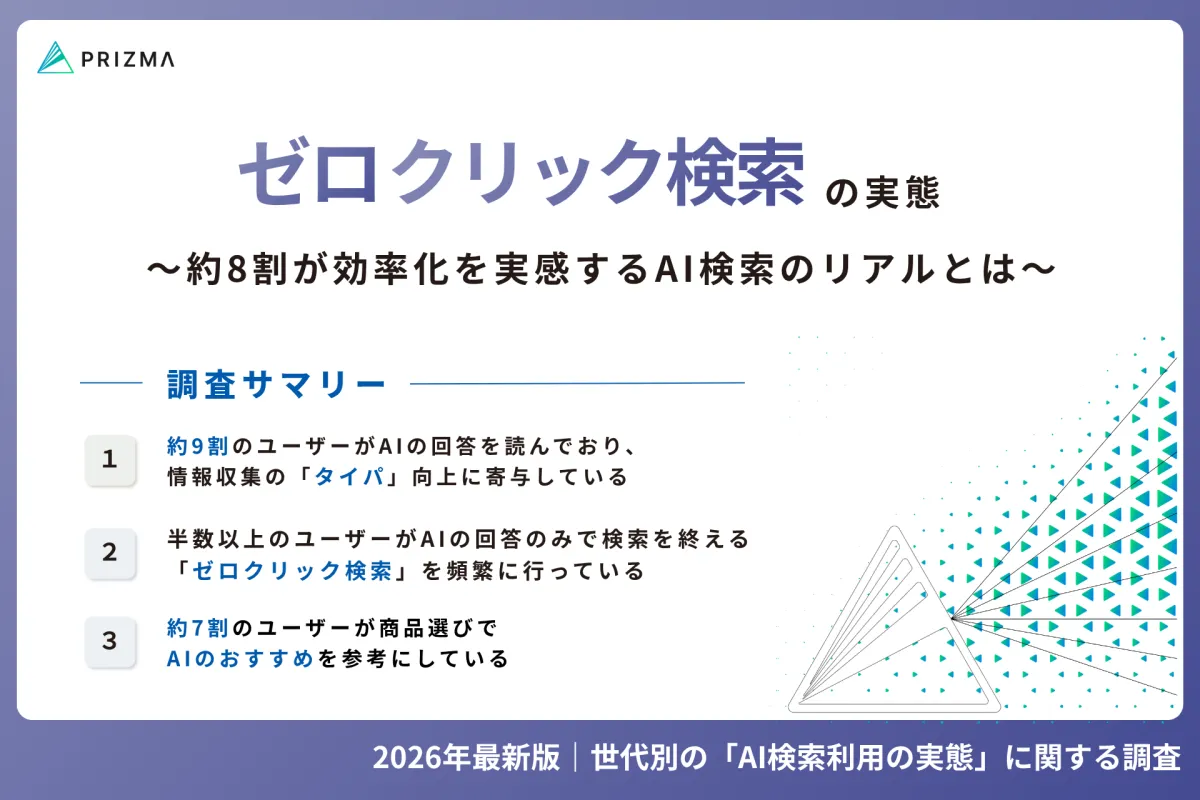
The Latest Insights of AI Search Usage by Generation in 2026
Understanding AI Search Usage Trends Across Generations
In a rapidly evolving digital world, the landscape of how individuals interact with artificial intelligence is continuously transforming. A recent study conducted by PRIZMA provides critical insights into the generational habits surrounding AI search engine utilization. This research involved over a thousand participants, aged between 20 and 60, and delved into the nuances of how different age groups engage with AI-generated content.
The Growing Influence of AI in Daily Searches
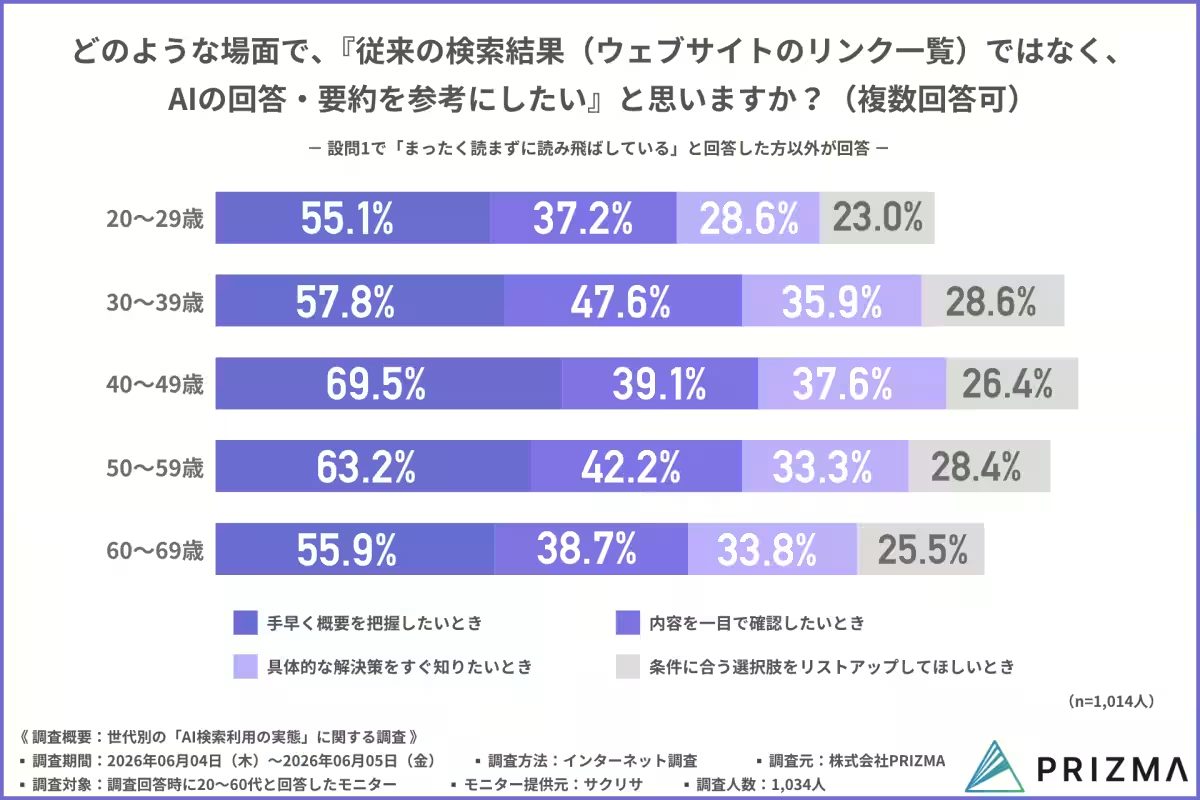
With the increasing prevalence of AI tools in everyday life, marketers and decision-makers face significant challenges as they adapt their strategies to these changes. Historically, the top results of search engines like Google significantly influenced website traffic. However, the introduction of AI-generated responses, commonly referred to as AI Overviews, raises the question: Are users genuinely engaging with these AI responses, or are they still clicking through to traditional websites?
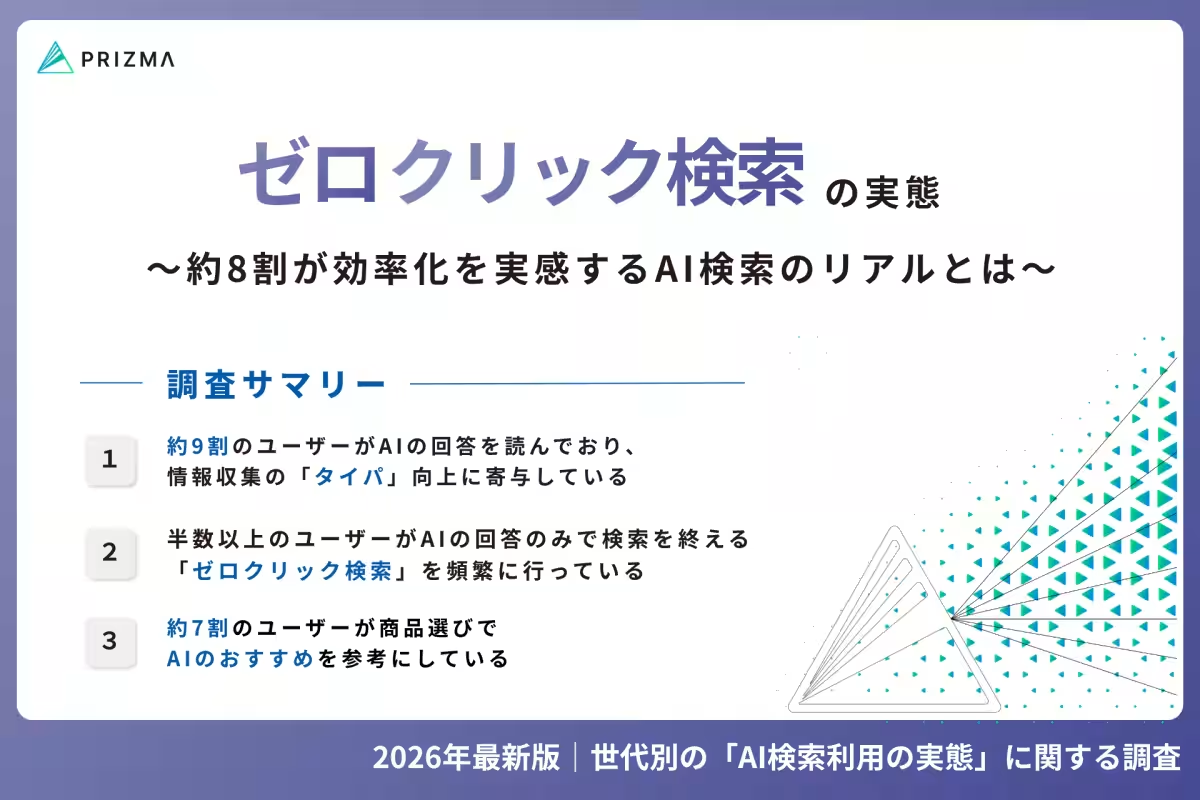
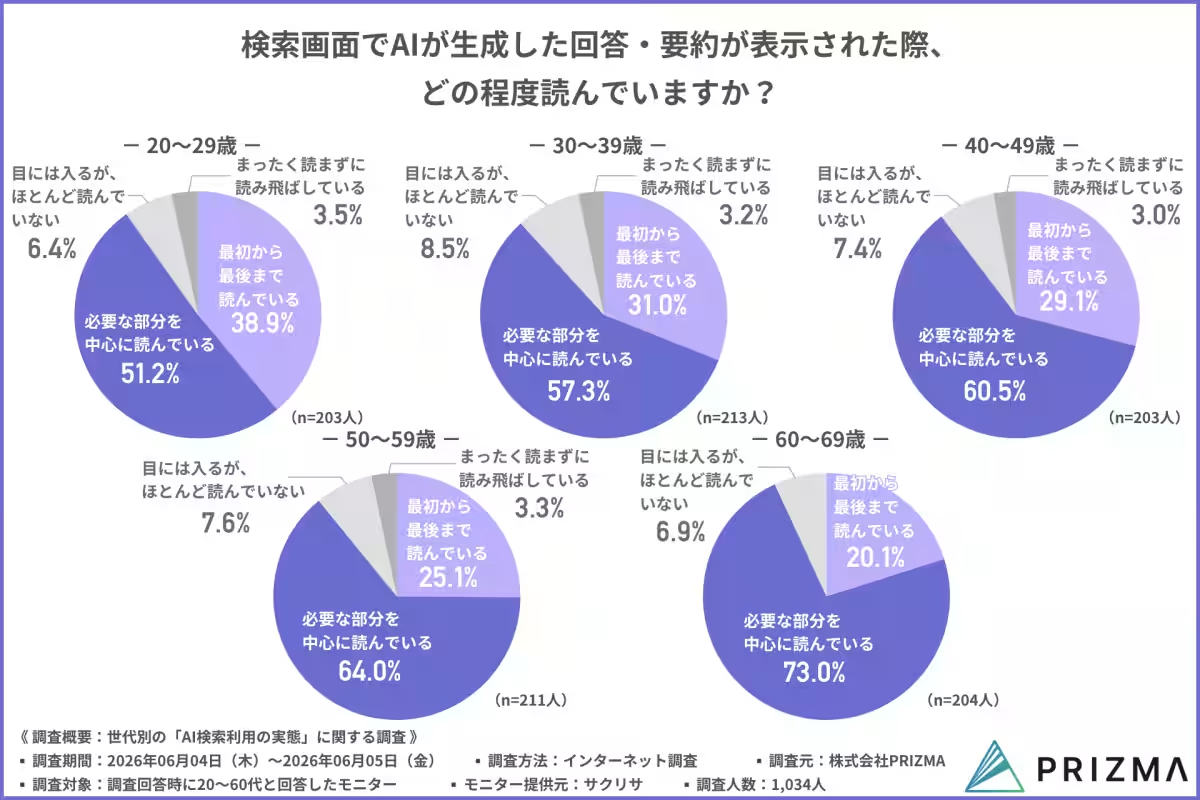
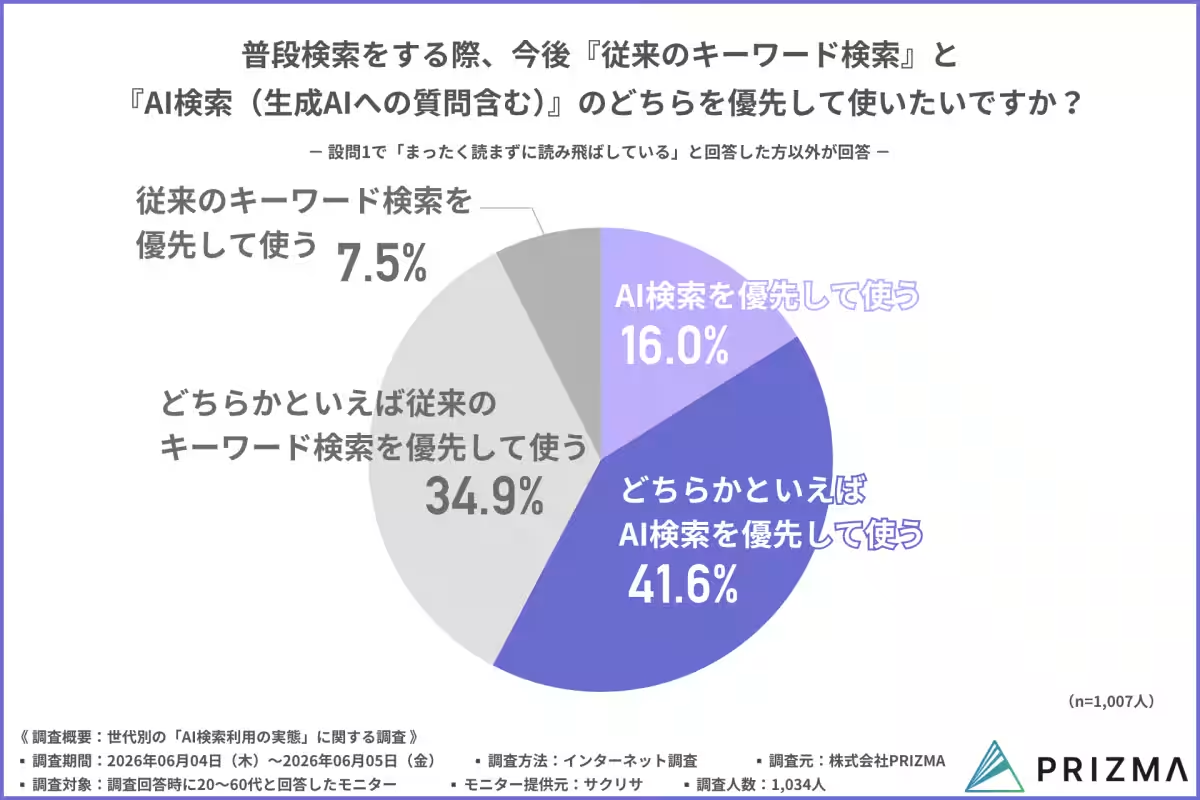
The findings from PRIZMA highlight a crucial shift in user behavior. Approximately 90% of users across all age groups, from their twenties to sixties, reported looking at AI summaries when displayed on search engine results pages. In fact, as the report indicates, only about 16% of users prefer traditional keyword searches moving forward, while a combined 57.6% express a preference for AI searches. This trend suggests that businesses must reconsider their web strategies.
AI Search Efficiency and User Experience
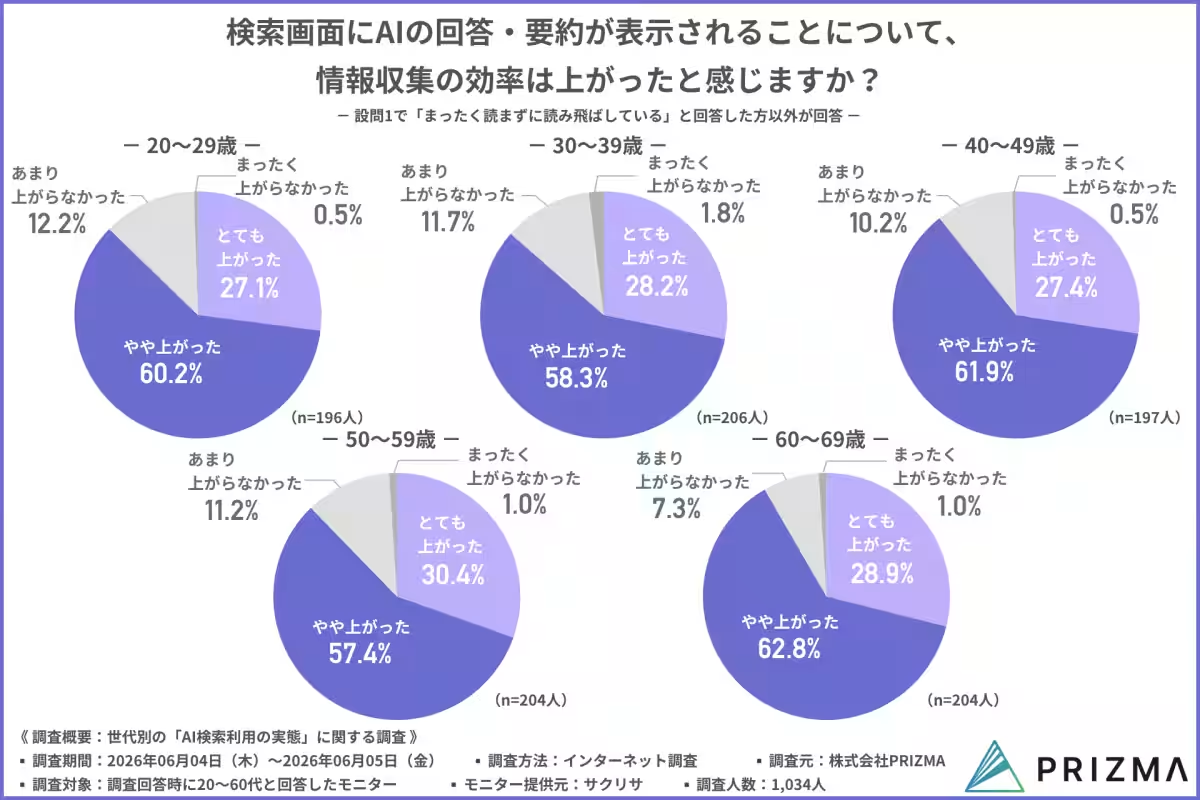
The survey conducted by PRIZMA also revealed that users perceive significant efficiency gains when utilizing AI search responses. Many felt that their time spent collecting information had drastically improved, with 91.7% of users aged 60 and 86.5% of those in their thirties confirming increased efficiency
A defining metric in this research was how users interact with AI responses. The data indicates a noteworthy decline in the frequency of clicks for traditional links after users consulted AI-generated results. An overwhelming majority mentioned they now often conclude their search entirely with the information provided by AI, foregoing the need for further exploration. This shift raises questions for SEO strategies currently in play—can businesses maintain visibility in a world where users prefer AI responses?
Trust and Skepticism in AI Information
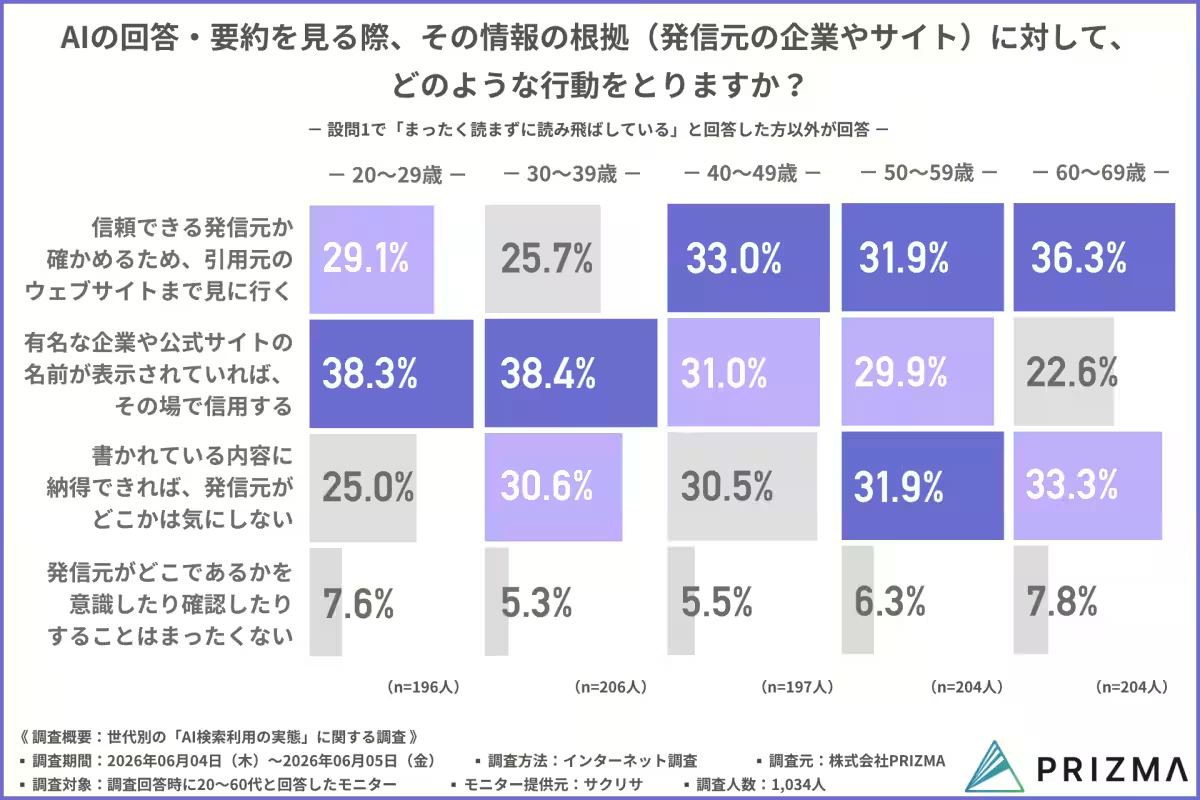
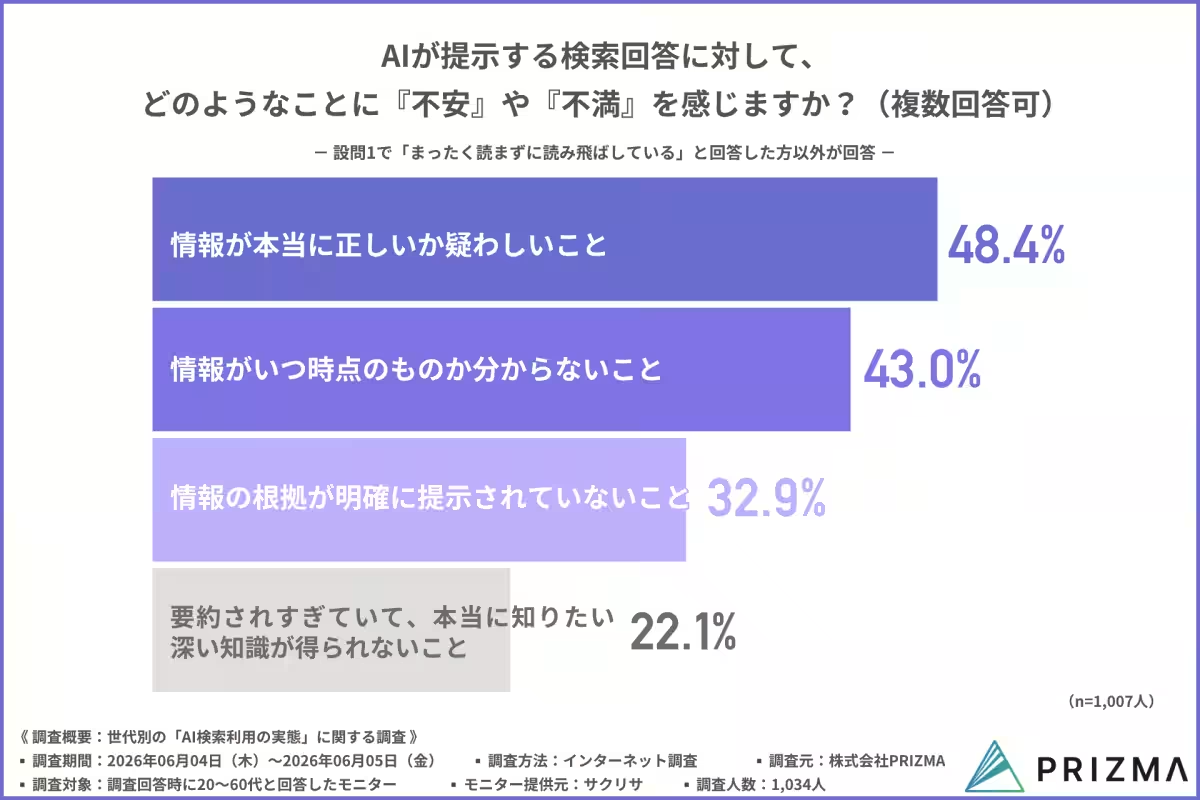
Despite the growing reliance on AI, many users harbor concerns regarding the reliability of the information presented. Approximately 48.4% cited doubt about the authenticity of the information, highlighting a critical area of focus for companies aiming to leverage AI effectively. As users become accustomed to AI, the need for traceable sources becomes paramount. The survey showed that older generations, particularly those in their forties to sixties, prefer to verify the credibility of AI responses by checking the original source. These findings emphasize the importance of ensuring that businesses present reliable and recognizable branding alongside their use of AI tools.
The Future of AI in Web Marketing
This research underscores a profound transition; users are eager for speed and efficiency but also demand accountability. The results indicate that approximately one-third of users are actively seeking out traditional links to verify AI-generated information.
As AI continues to grow in prevalence, businesses must pivot their strategies to encompass the nuances of user behavior surrounding AI searches. The desire for concise information, coupled with a critical eye towards sources, reveals a dual need for speed and skepticism among users. Therefore, adopting a comprehensive search engine optimization strategy that integrates AI responsiveness while ensuring trustworthiness is essential.
In conclusion, the findings put forth by PRIZMA also call for an evolution in marketing tactics. Companies that want to thrive must recognize that information generation is shifting towards a model that favors primary data sources and recognizable brands. As AI generation becomes the norm, the need for businesses to engage with their audiences through meaningful content is more crucial than ever. Preparing for this future with a robust strategy that balances speed, efficiency, and trust will dictate success in this new age of information retrieval.

Topics Other)
【About Using Articles】
You can freely use the title and article content by linking to the page where the article is posted.
※ Images cannot be used.
【About Links】
Links are free to use.