




Are English Learners Sustainable? Analyze the Causes of Students' Failures
Overcoming English Learning Challenges
Learning a new language like English can often feel overwhelming, leading many students to abandon their studies even after setting high goals at the beginning of the year. For many, the motivation fades away, and textbooks become mere decorations on the shelf.
One of the main factors contributing to this decline in motivation is the sense of solitude that accompanies English learning. Even when participating in online conversation classes, turning off the camera often signifies a return to solitary study, which can be discouraging for learners.
A common sentiment expressed among students is, "I guess I'm just not cut out for English." This feeling leads many to silently give up learning altogether. However, a compelling observation can be made regarding those who have successfully maintained their English studies for over a year: they share a common trait—a clear sense of purpose.
Importance of a Purposeful Mindset
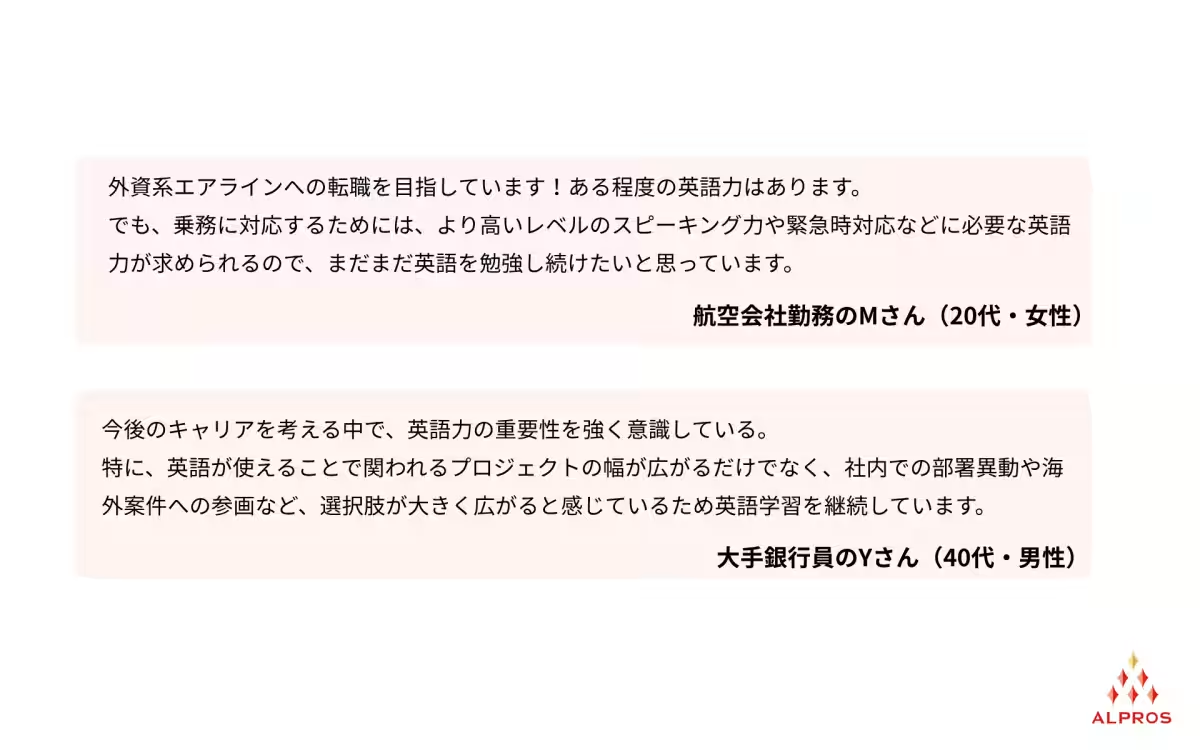
At Alpros, intensive interviews with long-term English learners have revealed that successful students consistently possess a well-defined goal—"What do I want to achieve with my English skills?" This clarity of purpose serves as a primary motivation for keeping them on track. Responses from the interviews indicated a variety of purposes, such as career advancement or achieving personal dreams, which further emphasize the role of clear intentions in sustaining learning efforts.
Indeed, having a specific reason behind learning English is crucial. The key to long-term success lies in maintaining that sense of purpose throughout the journey.
The Need for a Strong Start
While purpose is essential, simply wanting to learn English is often not enough for success. Many students face setbacks before they can hone their purpose, leading to discouragement. The feeling of being unable to excel in English can act as a significant barrier to retention.
It's not uncommon for learners, even those utilizing various tools—self-study, online classes, or language apps—to encounter obstacles that trigger a sense of helplessness. Experiences such as receiving disappointing test scores or struggling to articulate thoughts can accumulate, instilling a belief that learning English might be an insurmountable challenge.
It's paramount to clarify that this is not a failure of willpower or an inherent lack of talent. The true underlying issue often lies in the inadequacy of the methods employed to learn English.
Understanding Effective English Learning Systems
An effective English learning system should not entail years of fragmented study but aim to cultivate a 'language mind' that enables quick, autonomous usage of English. For many Japanese learners, almost a decade of formal education has predominantly involved repetitive exercises rooted in textbooks, which rarely prepares them for engaging in conversations with native speakers.
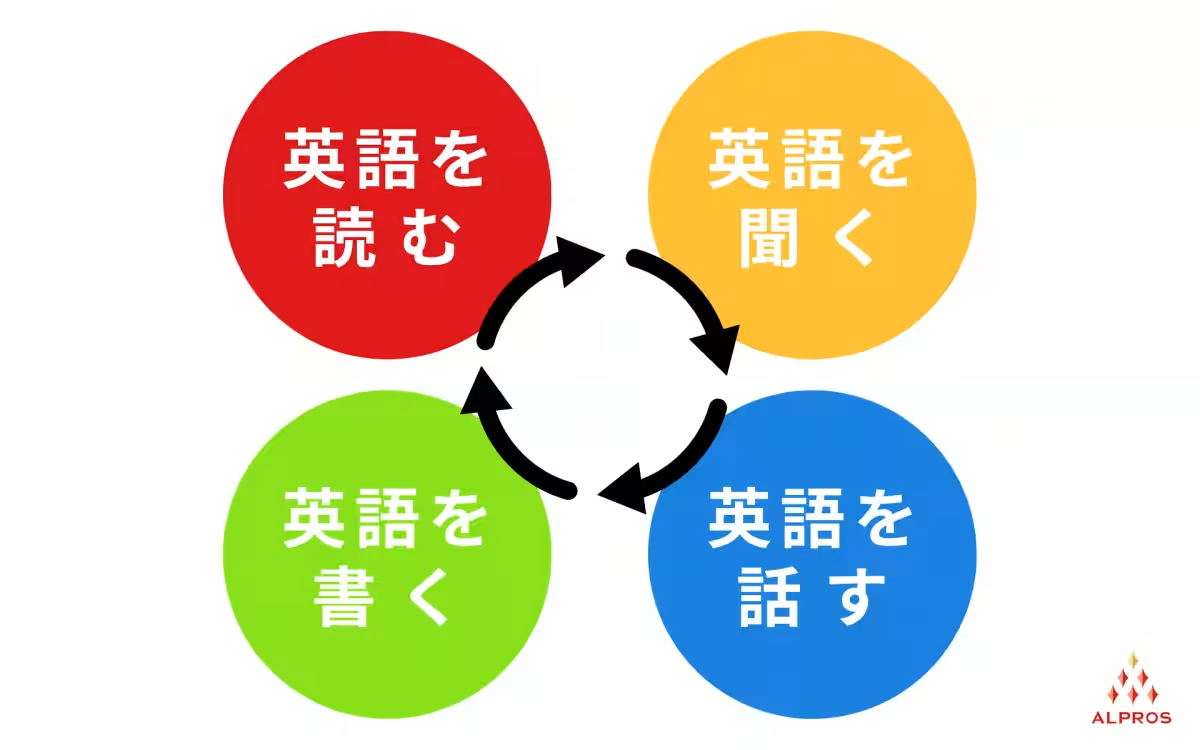
Consider this: if you simply listen to English or practice writing separately, can you genuinely expect to converse fluently and confidently? Each component—listening, speaking, reading, and writing—plays a crucial role in the learning process.
For learners to genuinely acquire applicable English, these four skills must be learned in a synchronized and integrated manner. Just as children pick up their native language through practical usage, adults must also engage with English in real-life contexts to internalize necessary expressions effectively.
The Alpros Approach to English Learning
At Alpros, our English program stands out due to its design, which allows simultaneous training of all four essential skills—reading, listening, writing, and speaking—using a single resource. Many learners often separate their skill training, such as using one material for listening and another for speaking. While this fragmented approach yields some results, each resource’s unique structure and focus can lead to disorganized knowledge retention.
Consequently, the lack of fluid continuity in learning hampers the integration of vocabulary and grammar, which can transform known knowledge into unusable information. For those seeking practical language skills, they must be developed within a cohesive framework that correlates all four skills.
Facilitating Effective Language Acquisition
Even dedicated learners may encounter moments where they struggle to communicate effectively in real-life scenarios, such as when traveling abroad or interacting with native speakers. Whether giving up or relentlessly studying without meaningful achievements, many ultimately conclude, "Perhaps I'm just not good at English."
If you find yourself feeling overwhelmed or on the verge of quitting your English studies, it might be time to reconsider how you’re approaching language learning.
Alpros offers a concentrated one-month program designed to create an immersive English environment akin to learning overseas. With professional foreign coaches providing one-on-one sessions, this short-term, results-oriented course focuses on enhancing practical communication skills in areas such as pronunciation and conversational fluency. In just one month, we can elevate your English proficiency to a practical level.
For those determined to acquire truly useful English skills in a short period, Alpros is your ideal partner.
Reflecting on the Meaning of Learning English
As we navigate a world increasingly influenced by AI, let's consider the significance of learning English as human beings. Alpros will host an online seminar titled "What It Means for Japanese People to Learn English in the AI x Global Era" on October 17, 2025. This is an opportunity to deepen your understanding of the value behind learning the language.
Company Overview
Company Name: Alpros Co., Ltd.
CEO: Masakazu Yamamoto
Established: December 2009
Location: 8th Floor, Frontier Gran Nishi-Shinjuku, 3-7-30 Nishi-Shinjuku, Shinjuku, Tokyo
Official Website: Alpros


Topics Other)
【About Using Articles】
You can freely use the title and article content by linking to the page where the article is posted.
※ Images cannot be used.
【About Links】
Links are free to use.