




The Shift from Having One Credit Card to Strategically Using Multiple Cards
The Shift from Having One Credit Card to Strategically Using Multiple Cards
In a recent survey conducted by For-It Co., the operators of the Web3 media platform Mediverse, an intriguing shift in consumer behavior towards credit card use has been observed. Previously, it was common for individuals to rely on a single credit card for transactions. However, the landscape is changing, as many now utilize multiple cards tailored to specific needs, preferences, and advantages. This article explores the insights gained from the survey on credit card ownership, usage patterns, and the significant factors influencing the decision to acquire a second card.
Overview of the Survey
The survey targeted 500 individuals across Japan aged 15 and above, gathering data through online research conducted from April 2 to April 3, 2026. The results revealed a notable trend in credit card ownership and the decision-making process behind acquiring a second card.
Results
Credit Card Ownership Trends
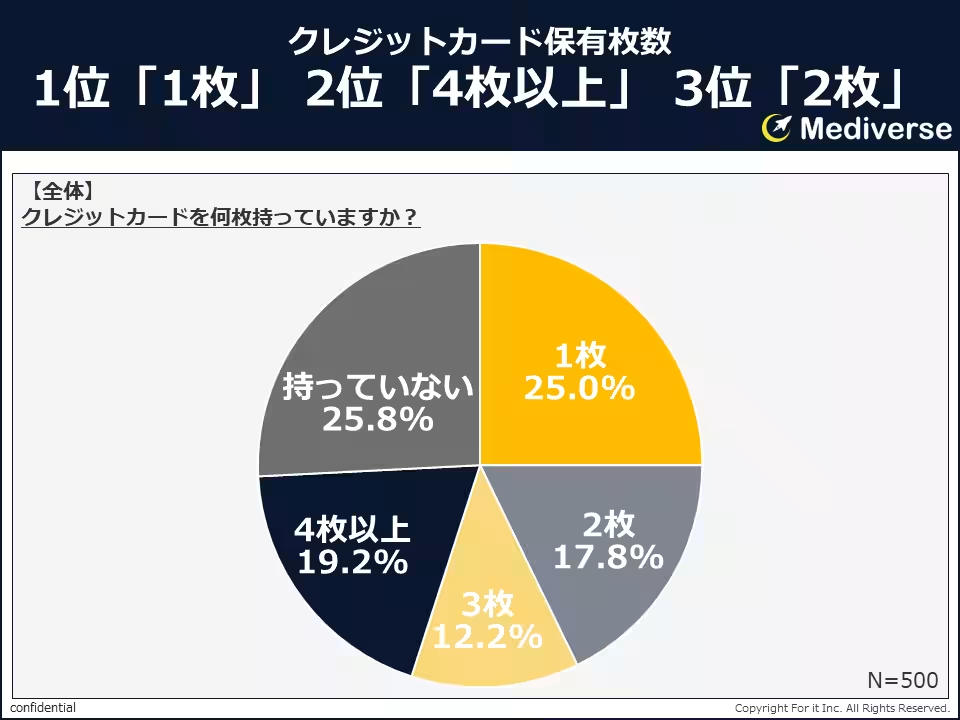
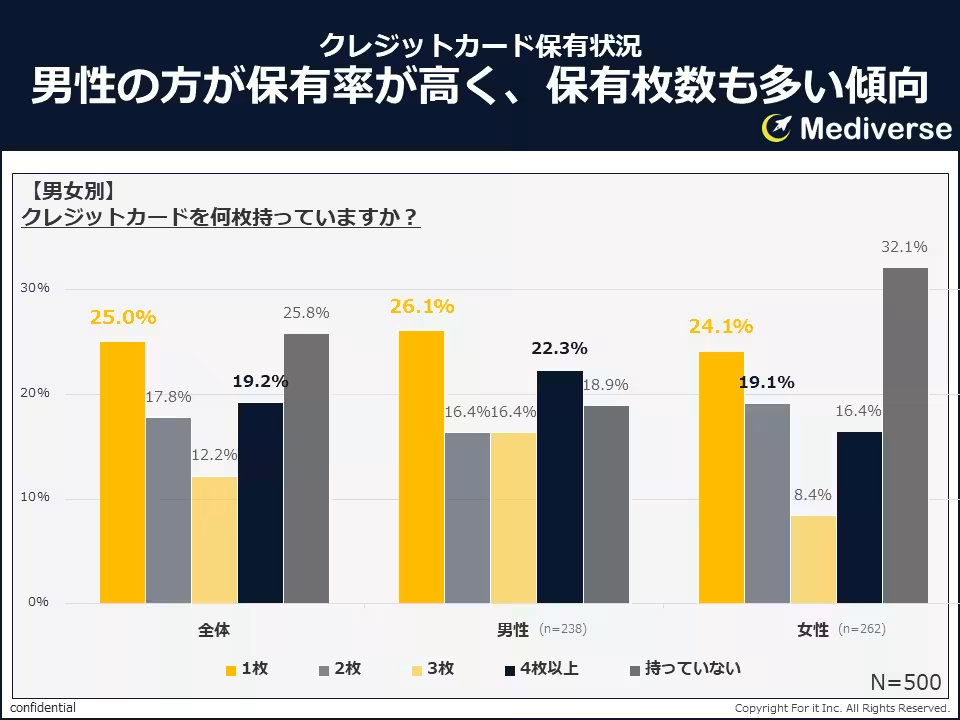
The survey revealed that approximately 74.2% of respondents own at least one credit card. Among cardholders, the most common scenario is holding a single card, followed by 4 or more cards. When diving into gender differences, more women than men reported not owning a credit card. Moreover, men are more likely to possess either one or four cards while women tend to gravitate towards no card or just one.
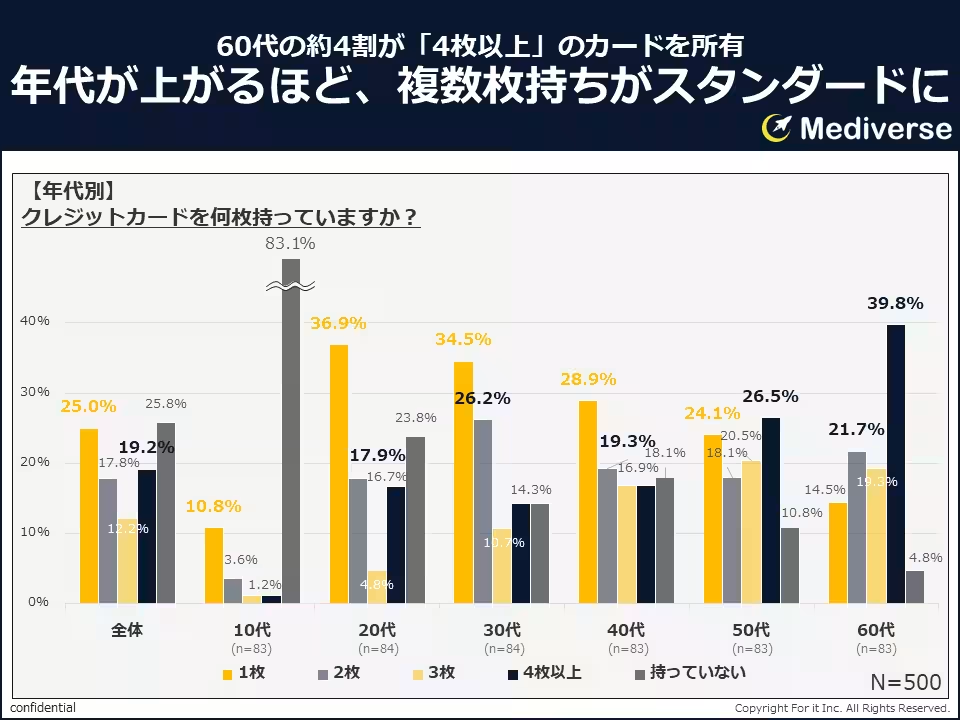
Analyzing the results by age, it becomes clear that older individuals tend to have more cards. Approximately 40% of respondents in their 60s indicated having four or more cards, suggesting that card ownership increases as life stages evolve.
Factors Influencing the Acquisition of a Second Credit Card
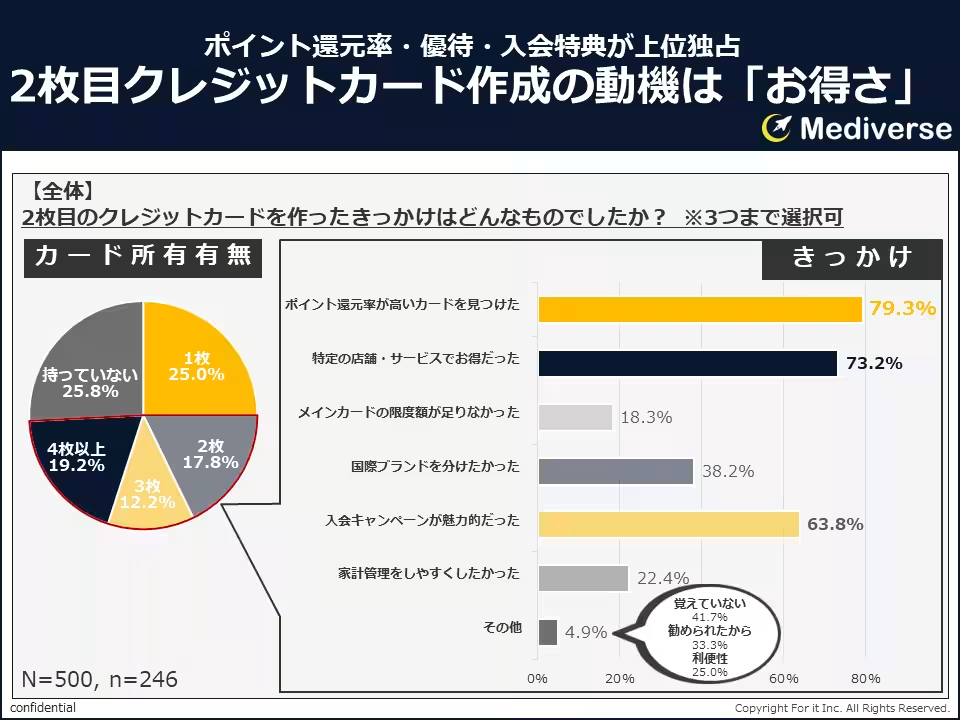
When examining the reasons for obtaining a second credit card, the most frequently cited reason among those with multiple cards (49.2% of 500 surveyed individuals) was discovering a card with high reward points. Other significant motivations included promotional offers linked to specific stores or services as well as attractive enrollment campaigns.
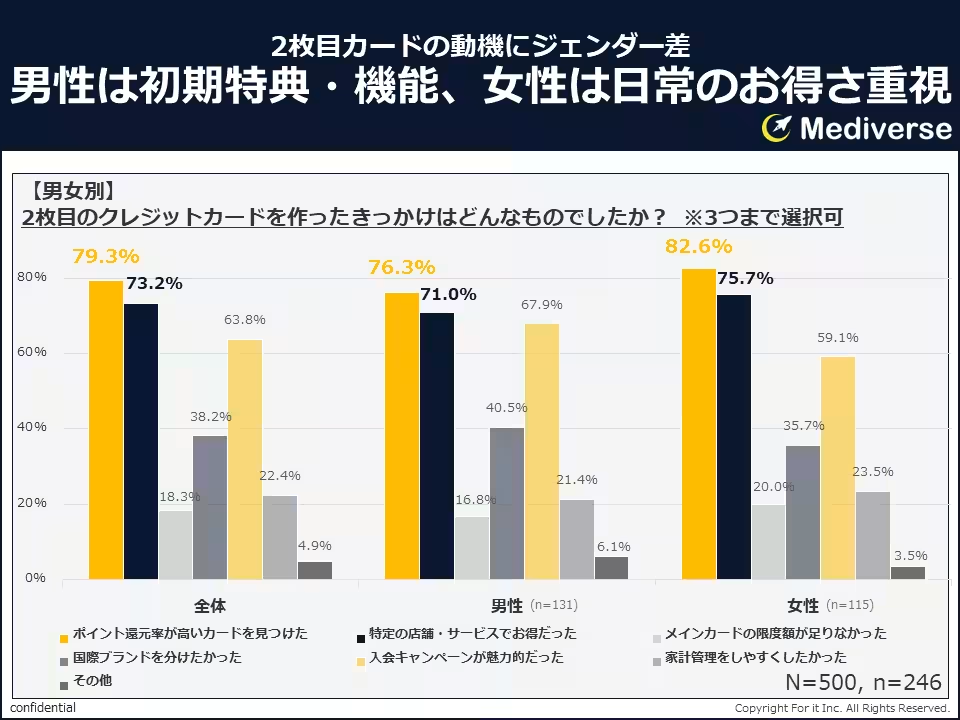
Interestingly, the priorities differ between genders: while women focus more on immediate everyday savings through points and store benefits, men prioritize initial costs and functionality, such as enrollment campaigns and brand differentiation.
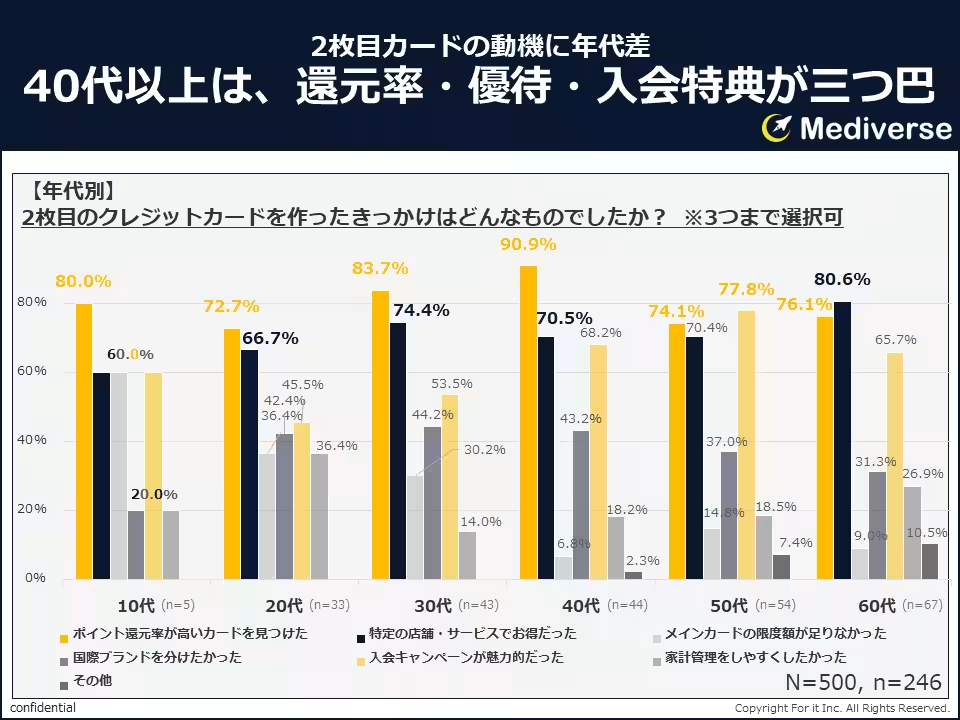
As for age groups, individuals in their 40s exhibited a notable inclination towards acquiring cards with high rewards, demonstrating that this demographic is particularly engaged in maximizing their financial benefits.
Credit Card Utilization Patterns
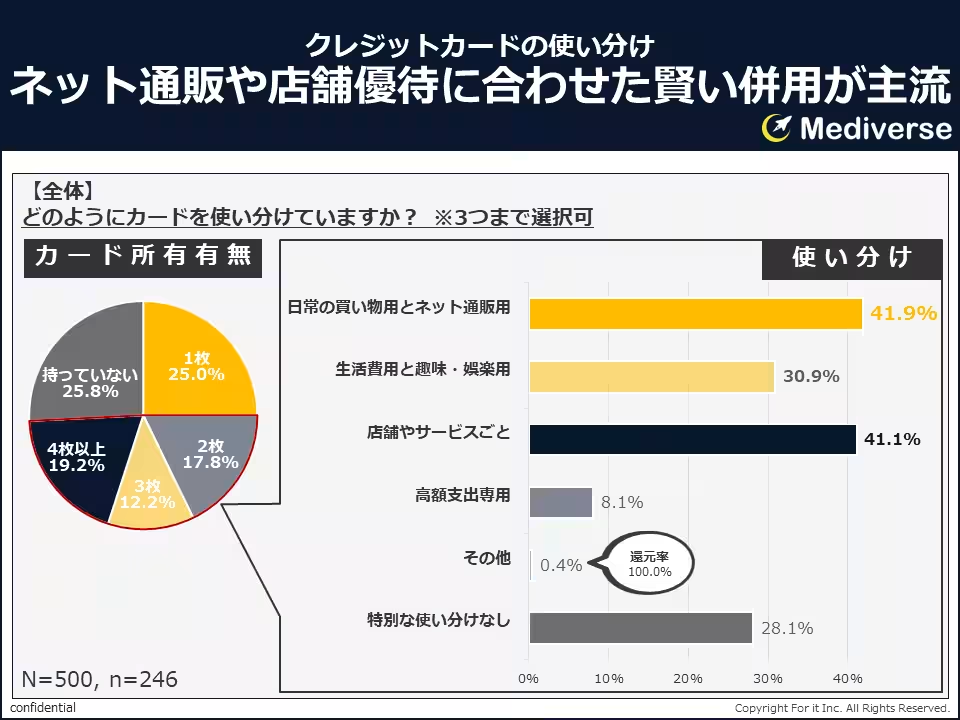
Out of those surveyed, individuals who owned multiple cards cited various usage strategies. The two most common methods of usage involve designating cards for daily purchases versus online shopping and employing specific cards for designated stores or services. A significant proportion (30.9%) also mentioned utilizing different cards for household expenses versus leisure activities, indicating a methodical approach to managing their finances.
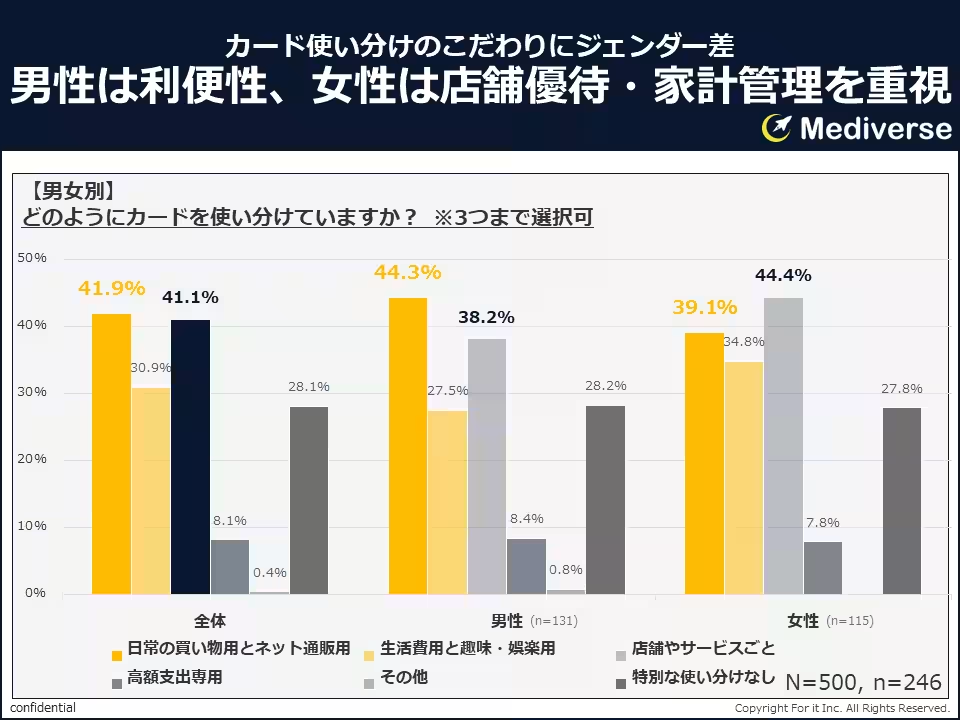
Gender differences were apparent again: men preferred allocating cards based on purchasing methods, while women showed a tendency to adapt their cards to specific stores and budgeting categories, revealing a more nuanced usage strategy.
Income's Role in Credit Card Decisions
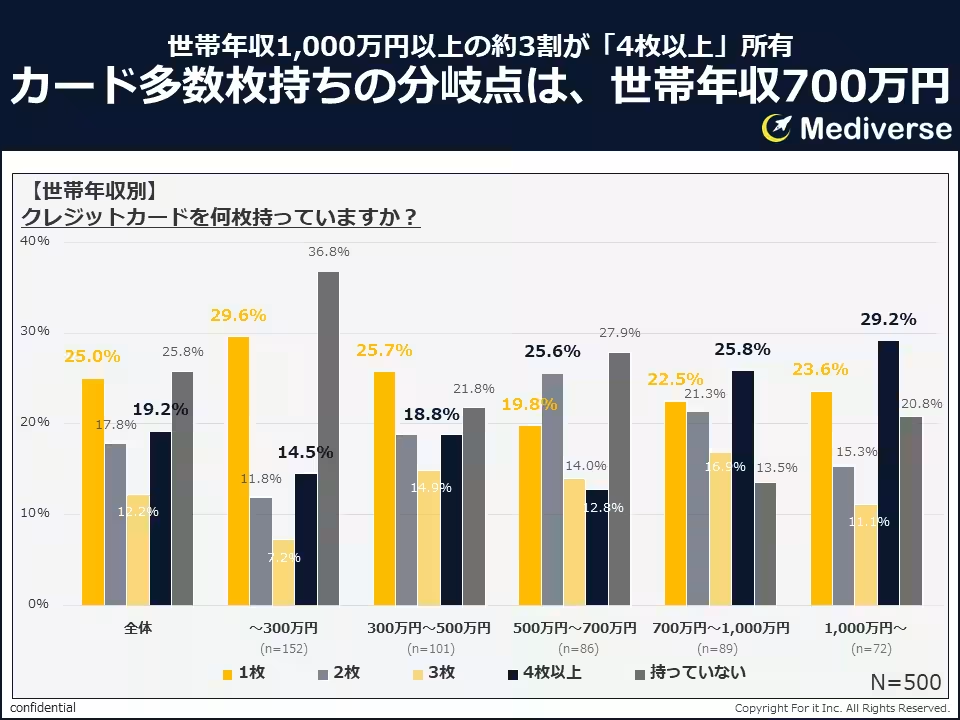
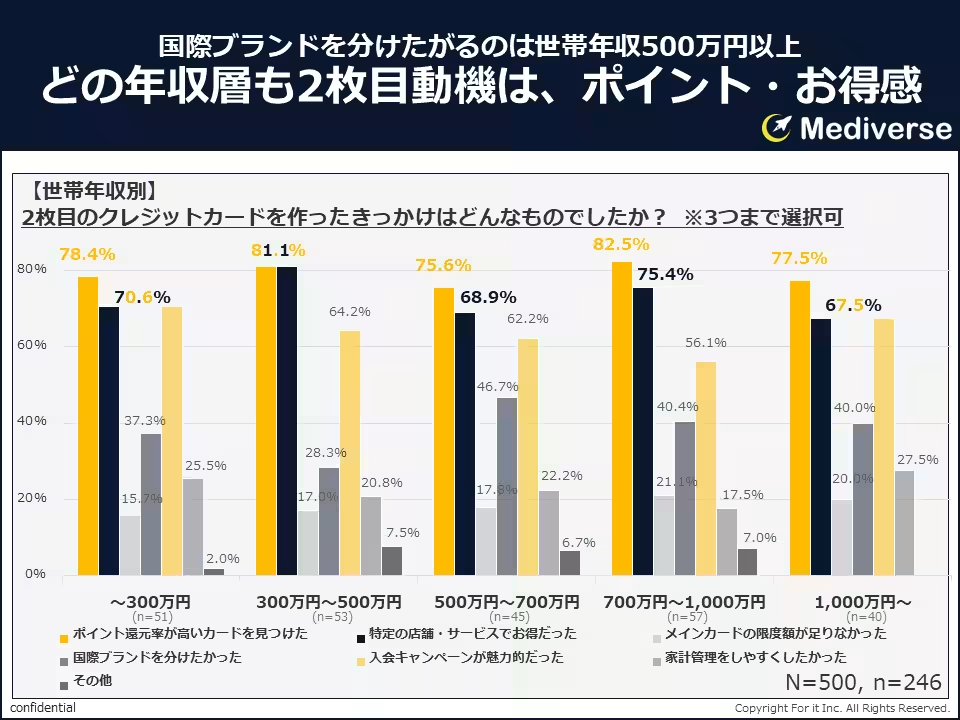
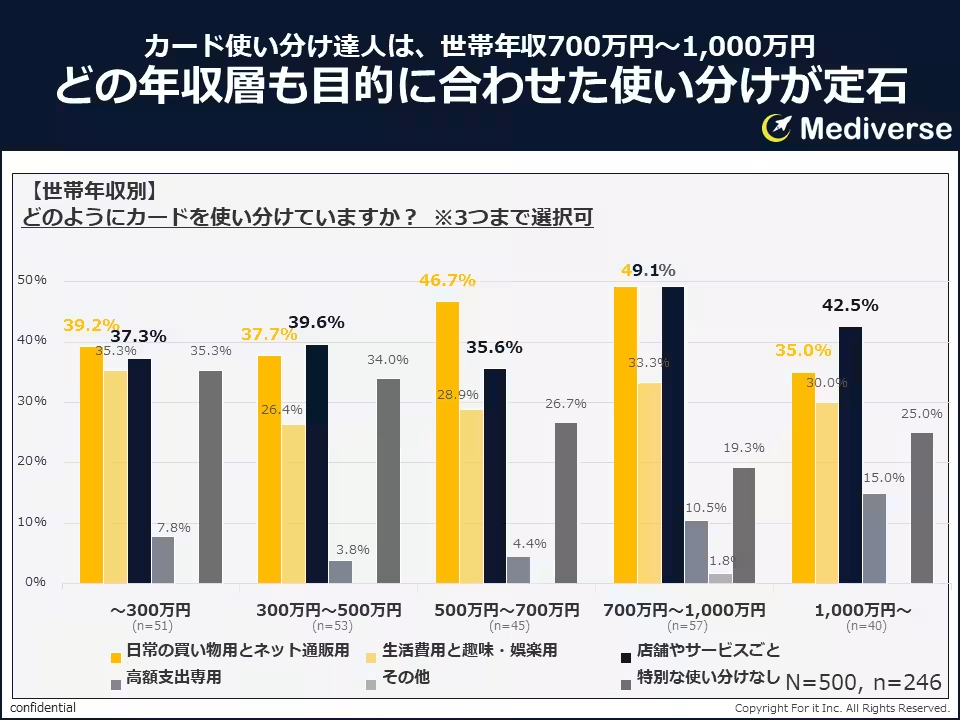
Income levels also influenced credit card behavior. For those in households earning less than 3 million yen, the predominant response was owning no card. Conversely, among households exceeding 7 million yen, there was a marked increase in ownership of four or more cards, underscoring the correlation between higher income and the strategic use of multiple credit cards.
Conclusion
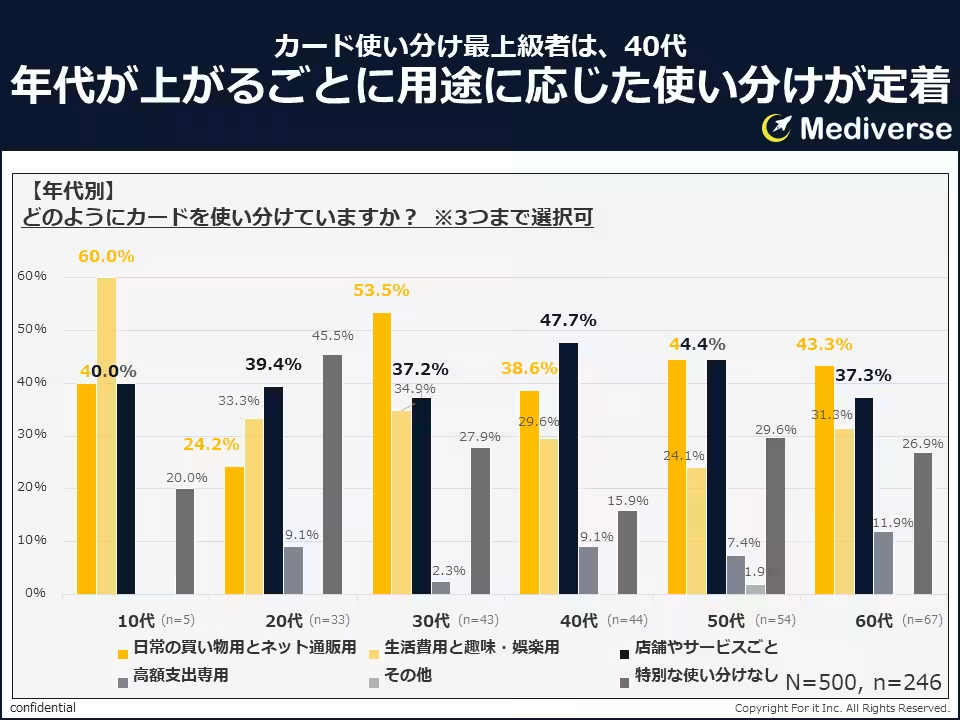
The survey results highlight that credit cards serve a purpose beyond basic transactions; they are evolving into essential tools that individuals utilize based on their unique lifestyles and financial goals. Younger consumers and those with lower incomes continue to favor a single card approach, while adults in their 30s and higher income brackets gravitate toward optimizing their expenditures through multi-card strategies.
The data suggests a growing sophistication in how individuals engage with credit card offerings, particularly among those in their 40s and higher income brackets. They prioritize maximizing rewards and leveraging store advantages, demonstrating their status as financially savvy users.
As the credit card market evolves, providing value-added services that cater to this maturity alongside a focus on intelligent management strategies will become increasingly important. Mediverse is dedicated to keeping its audience informed about the latest trends and insights in the credit card space.

Topics Consumer Products & Retail)
【About Using Articles】
You can freely use the title and article content by linking to the page where the article is posted.
※ Images cannot be used.
【About Links】
Links are free to use.