



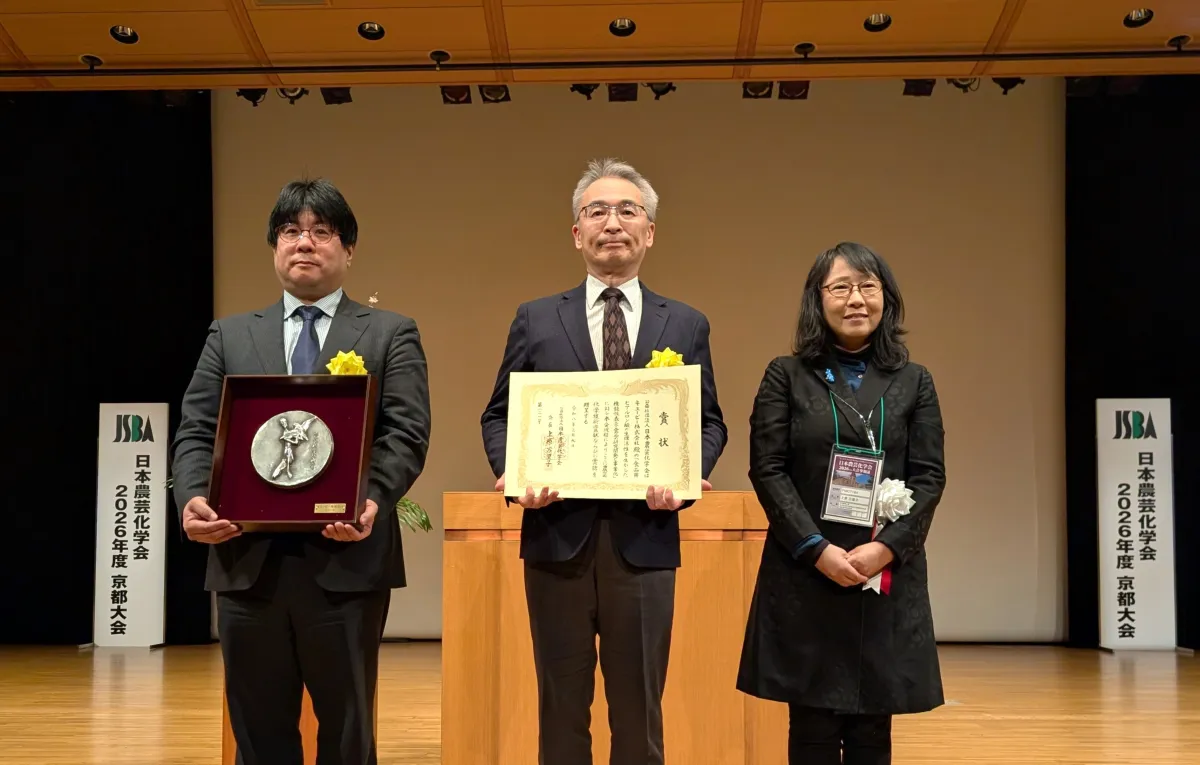
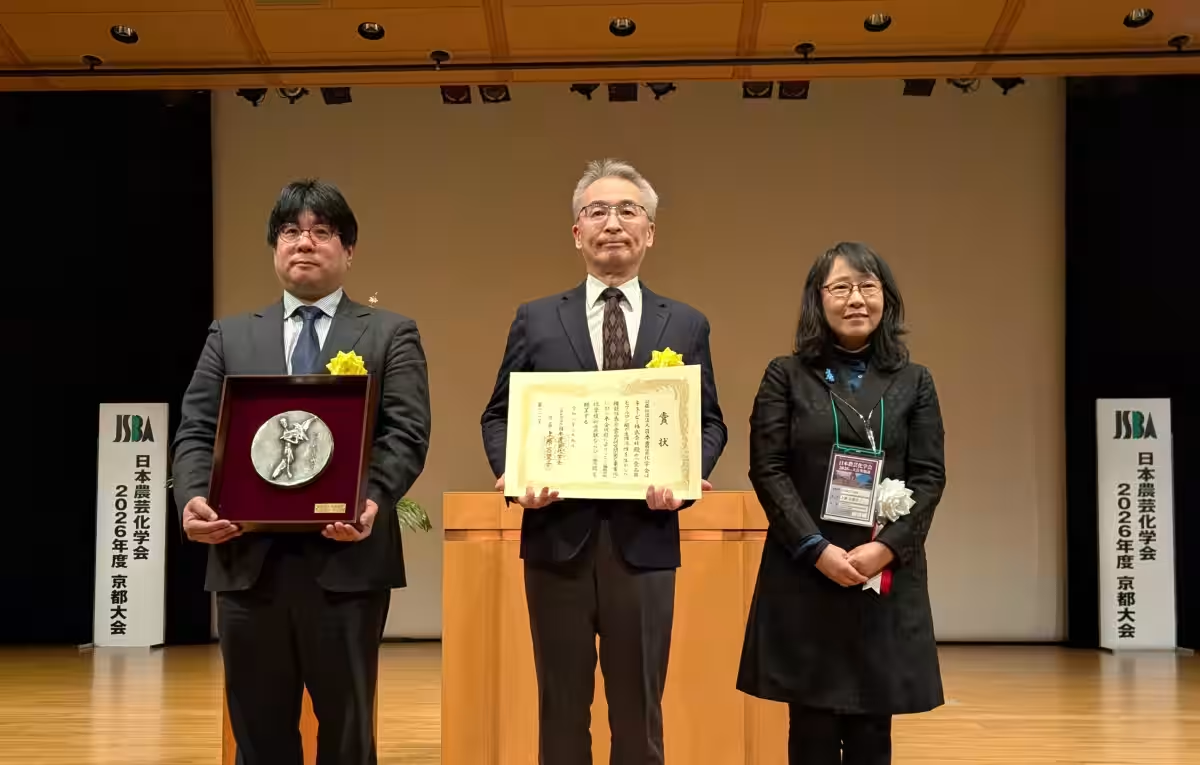
Kewpie Corporation's Hyaluronic Acid Research Wins 2026 Agricultural Chemistry Technology Award
Kewpie Corporation's Landmark Achievement in Hyaluronic Acid Research
Kewpie Corporation, a leading food producer based in Shibuya, Tokyo, has made a significant breakthrough in its long-standing research on food-grade hyaluronic acid, culminating in the prestigious 2026 Agricultural Chemistry Technology Award. This award, conferred by the Japan Society for Bioscience, Biotechnology, and Agrochemistry, recognizes Kewpie's innovative contributions to food science over the past three decades. The award ceremony and presentation occurred on March 9, 2026, during the annual meeting of the society.
Research Background
Since the 1980s, Kewpie has been dedicated to exploring the potential of fine chemicals derived from egg-based mayonnaise, leading to the discovery of hyaluronic acid's applicability in food. At that time, while hyaluronic acid was widely recognized in medical and cosmetic fields, its potential as a food ingredient was largely overlooked. Skepticism surrounded its oral absorption due to its large molecular size, prompting concerns about its functionality when consumed. To address this, Kewpie committed to extensive scientific research, investigating the mechanisms by which food-grade hyaluronic acid works.
Research Overview
Over 30 years of rigorous research has revealed not only the functional benefits of hyaluronic acid for humans but also the intricate mechanisms by which it is metabolized and absorbed in the body, and subsequently affects the skin.
1. Scientifically Validating Skin Benefits
Kewpie's research included double-blind clinical trials involving healthy adults, which demonstrated that daily consumption of 120 mg of hyaluronic acid significantly increased skin hydration levels. This was further validated through multiple trials, strengthening the scientific basis of its claims.
2. Unraveling Absorption and Mechanism of Action
Kewpie also addressed the previously unclear aspects of hyaluronic acid digestion, absorption, and its action on the skin.
- - Body Dynamics: Research confirmed that over 80% of ingested hyaluronic acid is absorbed in some form and distributed throughout the body, including the skin and eyes.
- - Absorption Mechanism: Hyaluronic acid, with a molecular weight exceeding several hundred thousand, is not degraded by digestive enzymes. Instead, Kewpie's research found that it can be broken down by human gut microbiota into lower molecular weight oligosaccharides, allowing for absorption into the bloodstream, where it can circulate to various tissues, including the skin.
- - Effects on Skin: It was also determined that oligo-hyaluronic acid that reaches the skin promotes collagen production, which is vital for maintaining skin moisture and elasticity.
Leveraging these scientific findings, Kewpie registered Japan's first functional food labeled as beneficial for skin, known as "Hyalomoisture 240" in 2015, thereby establishing a new segment within the supplement market aimed at consumers seeking to enhance their skin’s hydration with scientific backing. As of October 2025, over 100 products containing hyaluronic acid as the active ingredient have emerged, significantly revitalizing the health food market.
Kewpie remains committed to advancing beauty and health food innovations rooted in scientific research, with the goal of contributing to global health and wellness.
About the Japan Society for Bioscience, Biotechnology, and Agrochemistry
Founded in 1924, this organization promotes the advancement of fundamental and applied research in agrochemistry, contributing to cultural and technological development for the welfare of humanity. The society's annual national conference attracts over 4,000 participants and features about 1,600 presentations, making it one of the largest gatherings of its kind in the fields of chemistry and biology.
About the Agricultural Chemistry Technology Award
Established in 1968, this award is presented to members who have made notable technical achievements in the field of agrochemistry. Kewpie's award solidifies its reputation as a frontrunner in innovative research within the food industry.
For additional insights into Kewpie's hyaluronic acid research journey, visit their detailed story on PRTIMES.
Topics Consumer Products & Retail)

【About Using Articles】
You can freely use the title and article content by linking to the page where the article is posted.
※ Images cannot be used.
【About Links】
Links are free to use.