



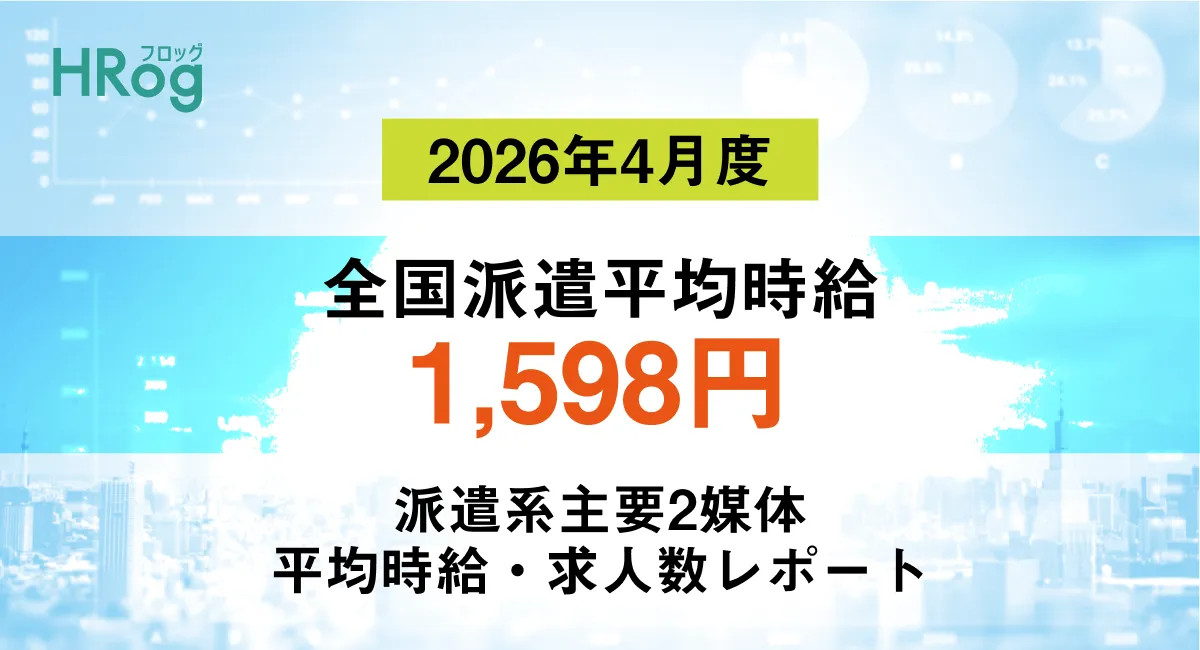
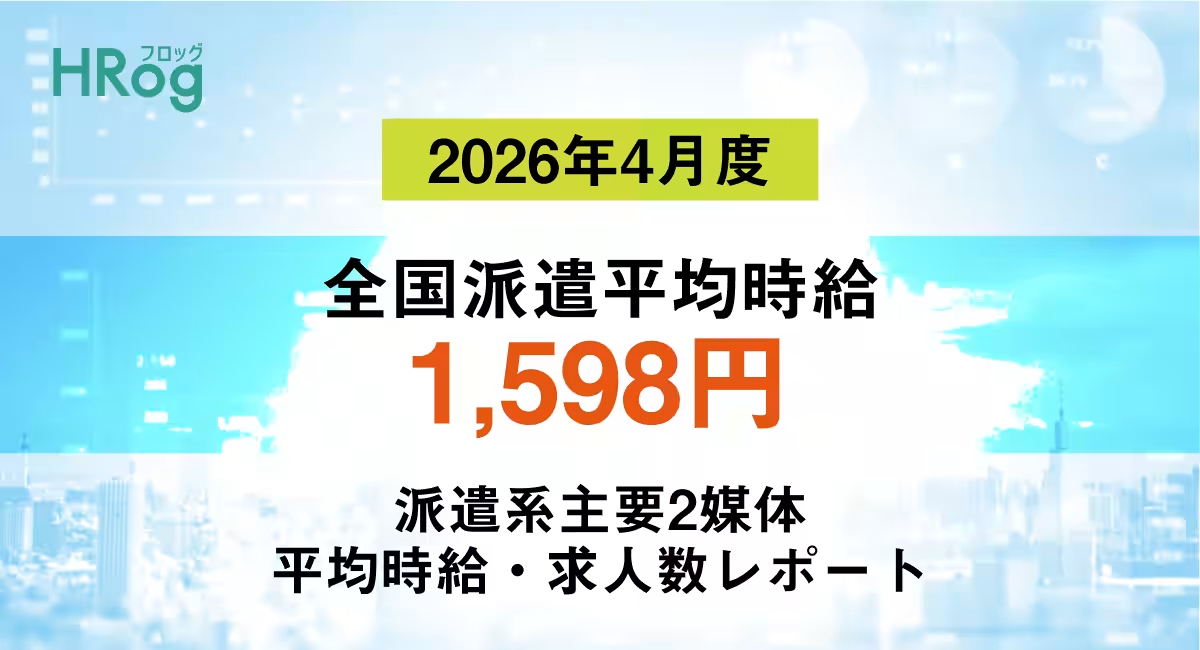
Japan's Staffing Average Hourly Wage Rises to ¥1,598 in April 2026
Recent Trends in Japan's Staffing Industry
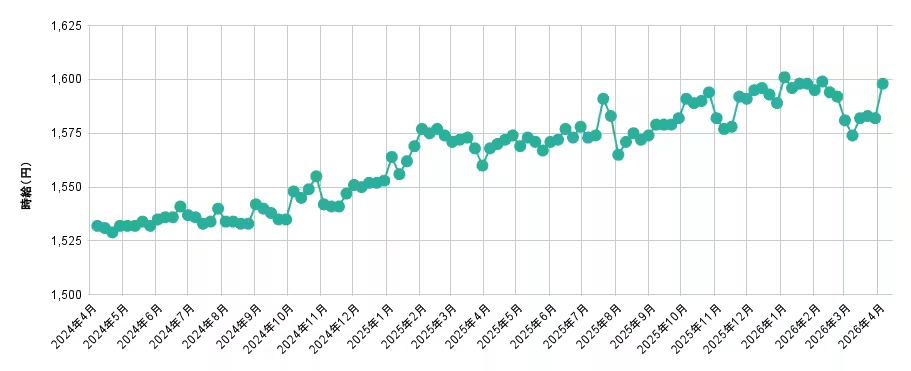
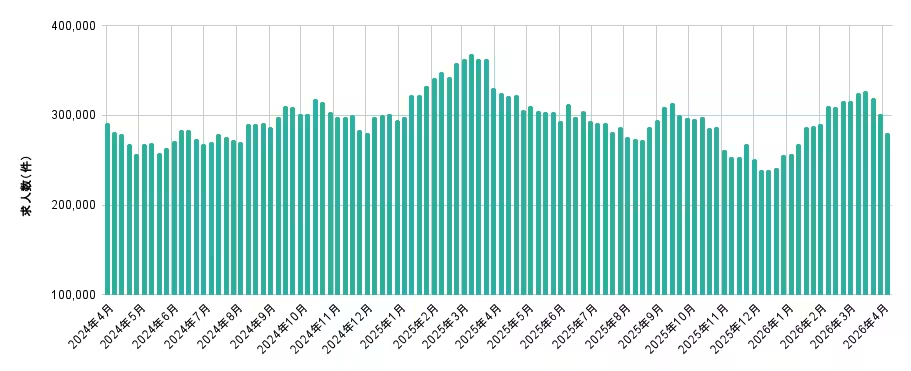
In April 2026, Japan experienced a notable increase in the average hourly wage for staffing, rising to ¥1,598. This figure marks a ¥30 increase compared to the same month last year, translating to a 1.91% year-on-year rise. Despite this upward trend in wages, the country faced a decline in the total number of staffing job listings, which dropped to 280,552, down by 35,510 from the previous month and 44,016 from the same month last year.
Monthly Wage and Job Listing Trends
The average hourly wage saw a slight increase of 17 yen from March to April, illustrating a 1.08% rise month-on-month. The data was collated from two job media platforms, En-Haken and Hatarako Net, through an advanced job data analysis tool called HRog Chart.
Here are some detailed figures:
- - Average Hourly Wage (April 2026): ¥1,598
- Year-on-year increase: +30 yen
- - Total Job Listings (April 2026): 280,552
- Year-on-year decrease: -44,016
While the overall average salary has seen a positive trend, the job market has not mirrored this growth, indicating a reduction in demand for staffing positions.
Sector-Specific Insights
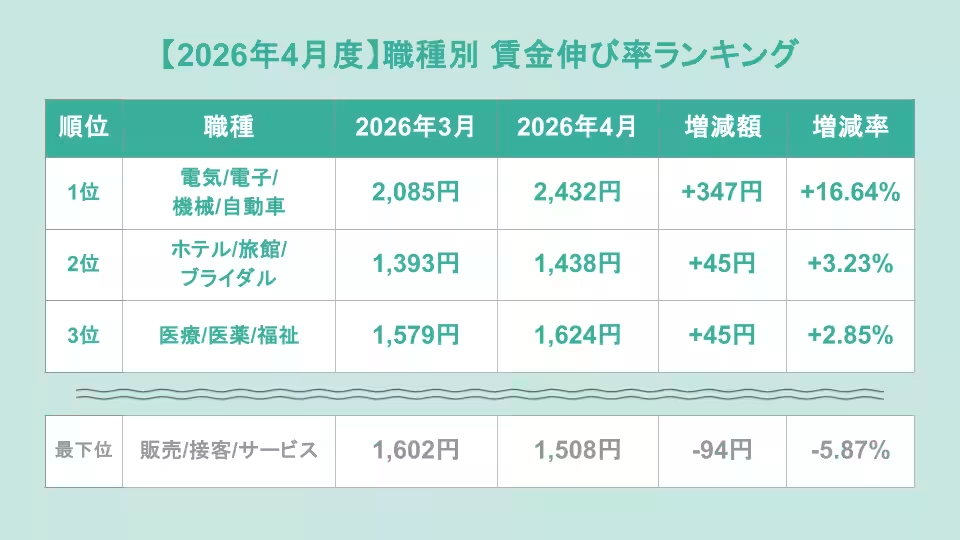
Looking into the different sectors, the rankings for average wage increases from the previous month revealed the highest growth in the following areas:
1. Electrical / Electronics / Mechanical / Automotive - Increased by ¥347, a growth rate of 16.64%.
2. Hotels / Inns / Bridal Services - Increased by ¥45, growth rate of 3.23%.
3. Medical / Pharmaceutical / Welfare - Increased by ¥45, growth rate of 2.85%.
On the flip side, the Sales / Customer Service / Service sector experienced the largest decline, with a decrease of ¥94, representing a 5.87% drop in rates.
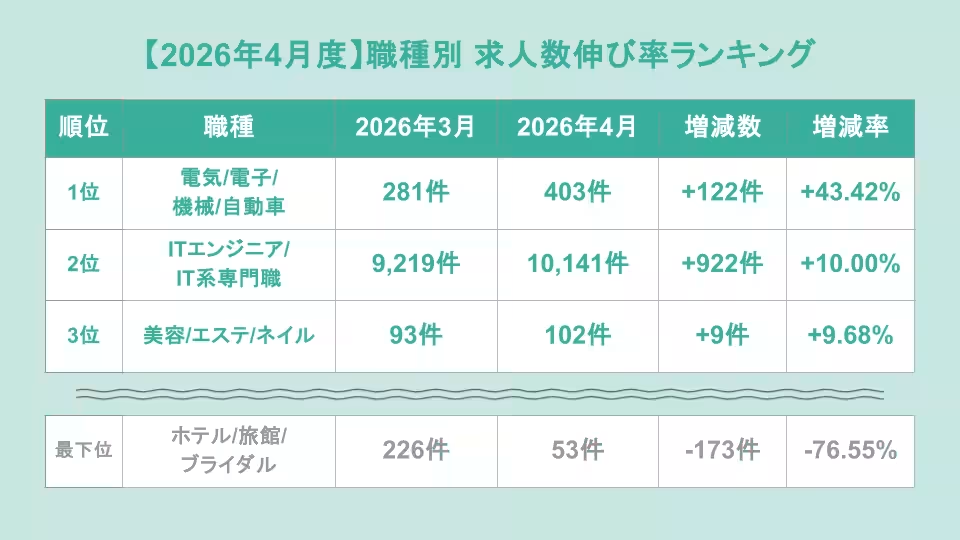
Additionally, job demand also fluctuated significantly across different sectors. The top three sectors with the highest increase in job listings were:
1. Electrical / Electronics / Mechanical / Automotive - Up by 122 positions, 43.42% increase.
2. IT Engineers / IT Professionals - Up by 922 positions, 10.00% increase.
3. Beauty / Aesthetics / Nail Care - Up by 9 positions, 9.68% increase.
Conversely, the Hotel / Inn / Bridal Services area faced the most significant downturn, losing 173 positions, which represents a 76.55% decrease in job openings.
Regional Variations in Wages
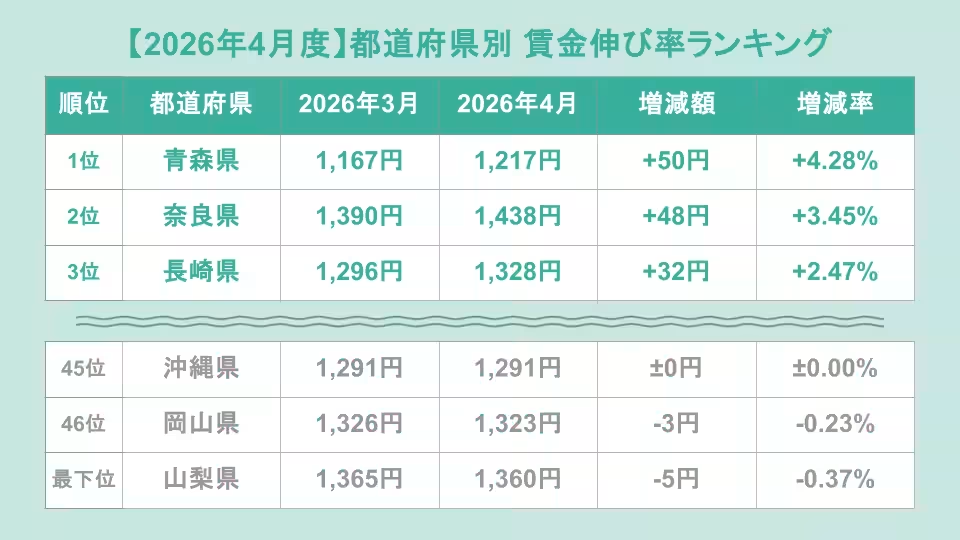
When examining the regional differences in average hourly wages, the top three provinces for wage growth were:
1. Aomori Prefecture - Increased by ¥50, up 4.28%.
2. Nara Prefecture - Increased by ¥48, up 3.45%.
3. Nagasaki Prefecture - Increased by ¥32, up 2.47%.
In contrast, the regions facing the biggest declines were:
1. Okinawa Prefecture - No change, maintained at ¥0.00.
2. Okayama Prefecture - Decreased by ¥3, down 0.23%.
3. Yamanashi Prefecture - Decreased by ¥5, down 0.37%.
Conclusion
This report provides a comprehensive overview of the staffing trends across Japan for April 2026. Despite the rise in average hourly wages, the decline in job listings highlights underlying challenges in the staffing industry. For a deeper analysis or additional data, inquiries can be directed through the HRog official contact page. Understanding these dynamics is essential for stakeholders looking to navigate the evolving labor market in Japan.
For further insights and inquiries, visit HRog.
Topics Business Technology)

【About Using Articles】
You can freely use the title and article content by linking to the page where the article is posted.
※ Images cannot be used.
【About Links】
Links are free to use.