



Reskilling for the Future: Embracing Alumni Hiring for Reemployment Solutions
Embracing Alumni as Valuable Assets: The Launch of the Alumni Hiring Program
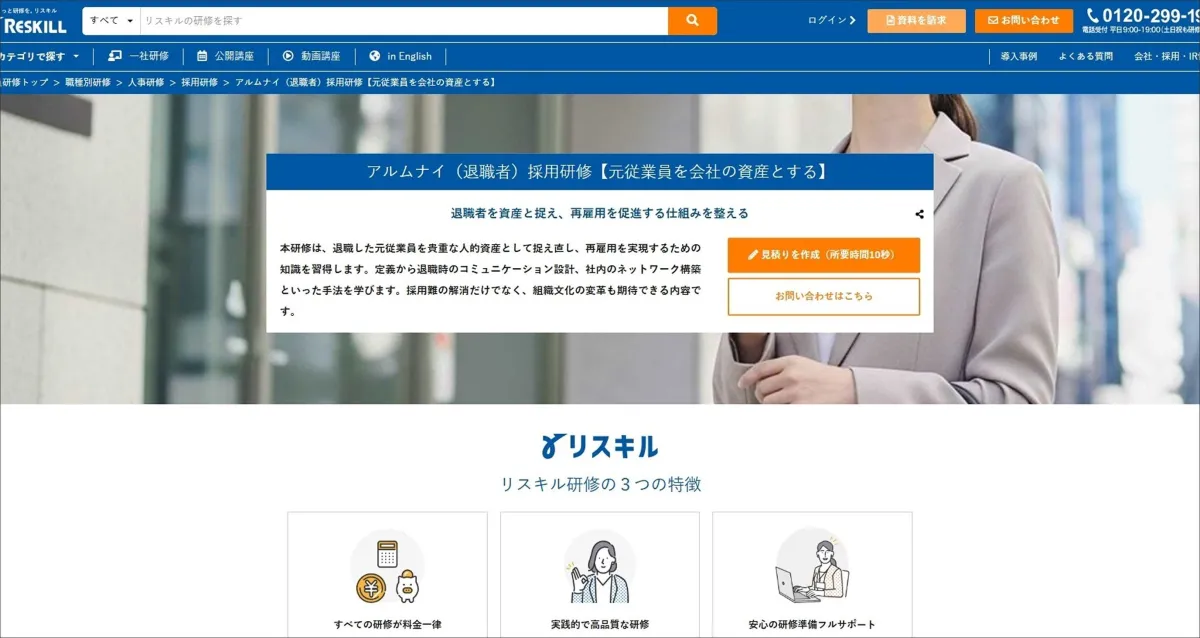
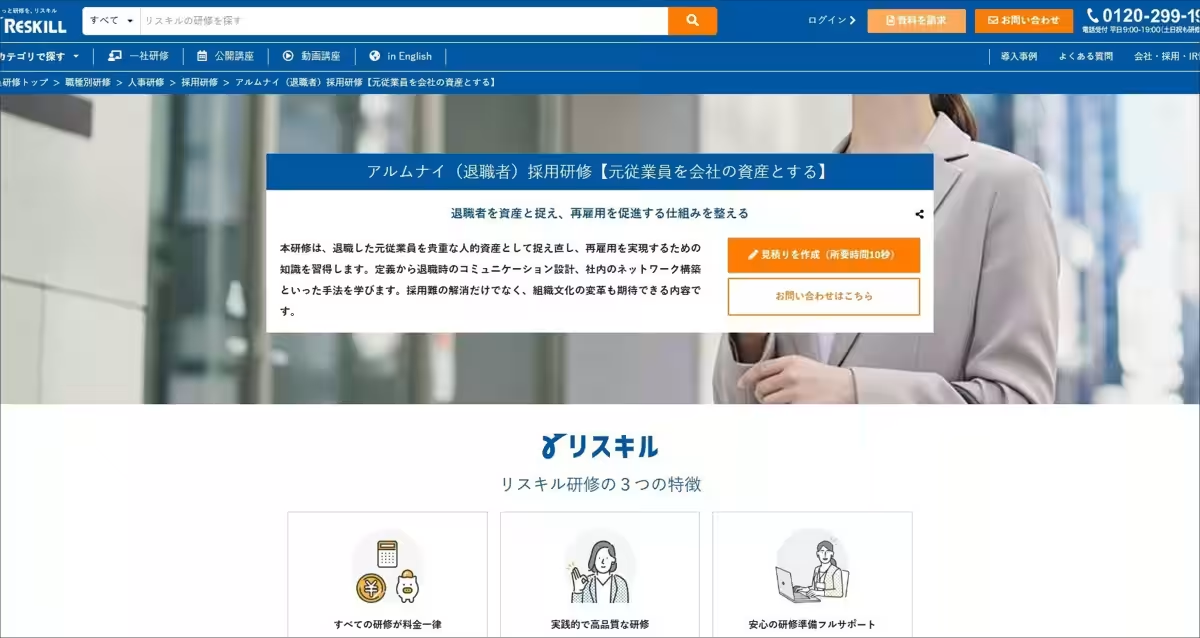
In a bid to tackle labor shortages and the evolving career landscape, Riskill Inc. introduces an innovative approach to human resources education with its new Alumni Hiring Program. This program aims to reshape the perception of former employees, recognizing them as valuable human assets, thereby facilitating their reemployment.
The Need for Alumni Hiring in Today's Job Market
As the workforce shortage in Japan deepens, acquiring skilled personnel has become critically important for organizations. Traditionally, resignations were viewed negatively. However, as career paths diversify, there is a growing recognition that former employees, who have gained new skills outside the company, can act as immediate assets thanks to their familiarity with the corporate culture. Thus, the demand for systems that support the reemployment of former staff, referred to as ‘alumni’, is on the rise.
Overview of the Alumni Hiring Program
The Alumni Hiring Program is specifically designed for HR recruitment specialists, mid-level employees, and management staff. Its main goal is to help participants understand the significance of alumni hiring and establish networks with former employees, while also creating a structure that encourages their reemployment. This involves adopting a mindset that views alumni not as costs but as assets.
Learning Objectives
Participants will acquire skills such as:
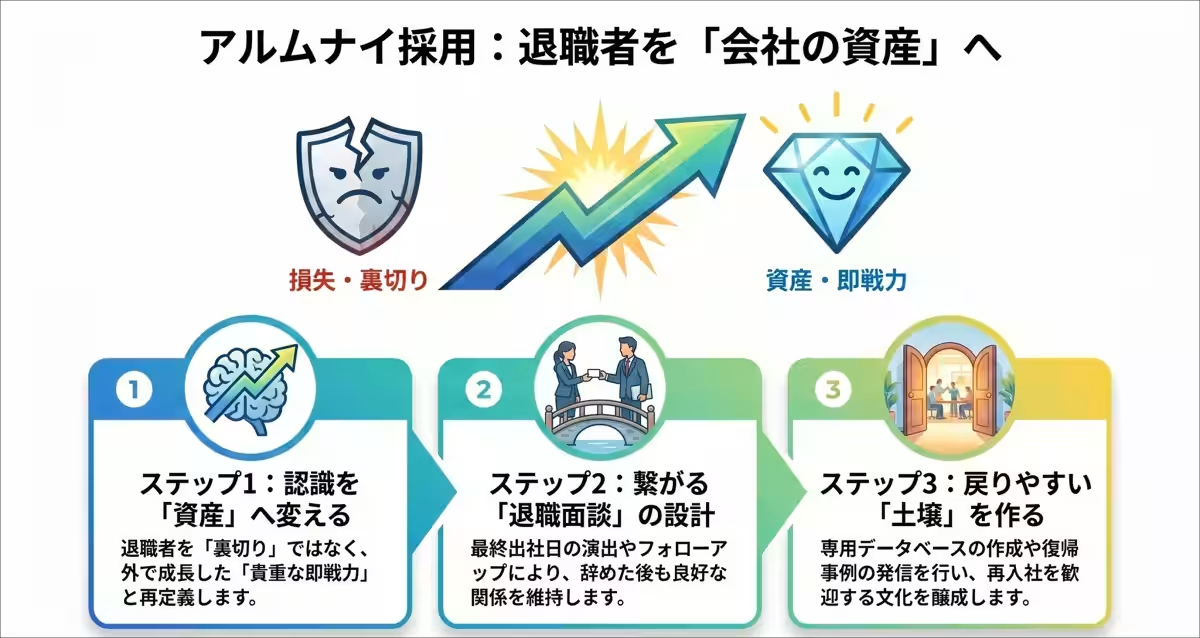
- - Transitioning Mindsets: Recognizing alumni as essential human resources and making the necessary cognitive shift to treat them as assets.
- - Designing Positive Relationships: Understanding and implementing effective communication strategies during the resignation process, ensuring that departing employees feel valued.
- - Cultivating an Inclusive Organization: Learning how to foster a company culture that is open to re-employment and enhances cooperation between current employees and returning alumni.
Key Features of the Program
The Alumni Hiring Program focuses on several critical aspects:
1. Redefining Alumni Hiring: Participants will grasp the essence and importance of alumni hiring, contrasting old perceptions with modern valuations and examining both domestic and international examples of successful alumni integration.
2. Developing Hiring Frameworks: The program emphasizes the importance of exit communication (offboarding) and highlights techniques to build an active alumni network.
3. Internal Engagement Strategies: Current employees' buy-in is crucial; therefore, the training teaches methods for addressing their concerns and establishing a supportive workplace environment conducive to welcoming back alumni.
Sample Curriculum Highlights
The structured curriculum encompasses both theoretical knowledge and practical exercises, covering the essentials of alumni hiring comprehensively in a short duration. For example:
- - Understanding the fundamental principles of alumni hiring.
- - Exploring modern definitions and the role of alumni in shaping organizational culture.
- - Exploring successful case studies showcasing how companies benefit from their alumni network.
About Riskill Inc.
Riskill is dedicated to accelerating human resource development through a range of innovative training programs, including the newly launched Alumni Hiring Program. They prioritize affordability by establishing a clear pricing model for business training, ensuring easy budget management for organizations. With a complete support system that eases the burdens of HR personnel—from planning their training sessions to distributing materials and conducting follow-up—Riskill is committed to delivering actionable skills shaped by seasoned industry experts.
This initiative is not just about filling positions; it's about building a community of knowledgeable alumni who contribute to enhancing organizational culture and driving forward potential growth. The Alumni Hiring Program sets a precedent for how businesses can utilize their former workforce to build a robust, adaptable, and thriving company culture.
Topics People & Culture)



【About Using Articles】
You can freely use the title and article content by linking to the page where the article is posted.
※ Images cannot be used.
【About Links】
Links are free to use.