



The Growing Demand for Skilled Trades in the Age of AI: A Looming Crisis
Introduction
In the backdrop of the rapid AI boom, a recent analysis by Randstad, the world's largest staffing firm headquartered in the Netherlands, highlights a troubling trend: the demand for skilled trades is outpacing that of traditional professional roles. This study underscores the urgent need for skilled workers, particularly as industries like construction and facility management in Japan face significant shortages. The findings serve as a crucial wake-up call for businesses globally.
Dramatic Increase in Demand
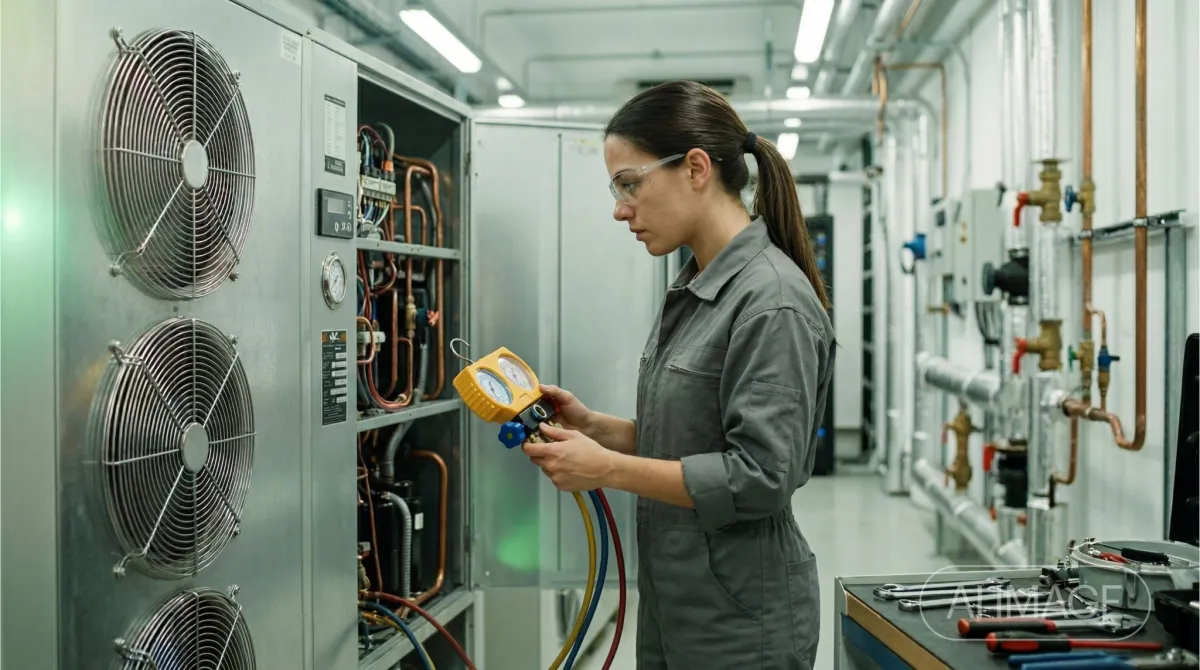
The surge in AI technologies requires a robust physical infrastructure, ranging from data centers to energy systems that supply automated production facilities. As companies strive to keep pace with advancements, the demand for skilled trades has skyrocketed—HVAC engineers have seen a 67% increase, while robot technicians have surged by an astonishing 107%. Furthermore, traditional roles such as electricians and welders continue to grow, indicating a shift toward digitized skilled trades that necessitate ongoing training and expertise.
The Dual Crisis
Despite the thriving demand, recruitment for skilled trades presents a stark challenge. The average hiring period for these roles has now surpassed that of professional roles, indicating a significant inversion in the labor market dynamics. New statistics illustrate that it takes around 56 days to fill skilled trades roles compared to 54 days for professional occupations, which reveals a rapidly tightening labor market. Compounding this issue are demographic shifts that threaten to reshape the workforce, with a growing number of retirements occurring as the younger workforce veers away from manufacturing pathways.
From 2022 onward, a staggering 500 million job listings have pointed to the impending gap: for every 100 young individuals entering the industry, 102 are leaving. With many skilled workers nearing retirement age, the stress on this labor segment is expected to intensify.
The Shift to Digitized Skilled Trades
The evolution of skilled trades is redefining career paths. Over the last four years, there's been a 27% increase in demand within these sectors, far outpacing the average growth of other job categories. Traditional roles such as construction workers (+30%), welders (+25%), and electricians (+18%) are evolving in response to the digital era, necessitating a reevaluation of what it means to work in skilled trades.
As Randstad’s CEO, Sander van 't Noordende, remarks, the digital revolution relies heavily on a physical foundation that remains dangerously under-resourced. Many media discussions center around AI's implications for white-collar jobs, neglecting the crucial requirement for skilled tradespeople who can build the data centers, upgrade power grids, and maintain the very infrastructure that supports AI technologies.
Reskilling for the Future
The shift towards a digital-first model in skilled trades concerns not just the demand for more professionals but also the necessity for continuous learning. As these roles evolve to require more stringent digital fluency, the traditional perception of skilled labor needs to be revised. Industries must treat skilled trades as top-tier career tracks and invest significantly in education, skill enhancement, and training opportunities.
This investment is essential to avoid bottlenecks that could stifle the AI-powered growth that organizations are striving to achieve. Failing to adapt could hinder progress across industries that rely increasingly on AI technology.
Conclusion: Preparing for a New Era
The insights from Randstad stress a pressing reality: the future of work in the era of AI demands a robust supply of skilled professionals. Companies must take proactive measures in reskilling existing employees and building a new generation of workers equipped to thrive in these digital landscapes. With continuous advancement in AI and related technologies, the chance to redefine skilled trades is ripe, but the responsibility lies in the hands of industry leaders to ensure that this workforce is adequately prepared and supported. The success of future innovations hinges on the efforts we take today to invest in skilled trades, fostering a sustainable and prosperous workforce for tomorrow.
Topics Business Technology)
【About Using Articles】
You can freely use the title and article content by linking to the page where the article is posted.
※ Images cannot be used.
【About Links】
Links are free to use.