




Majority of Food Businesses Start Waste Reduction Amid Rising Prices and Logistics Challenges
Overview of Food Waste Reduction Initiatives in Japan
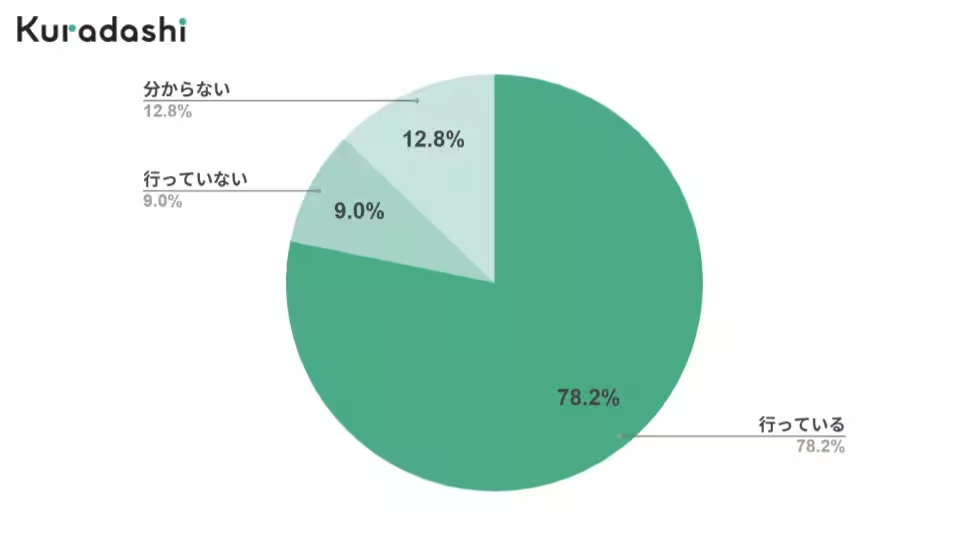
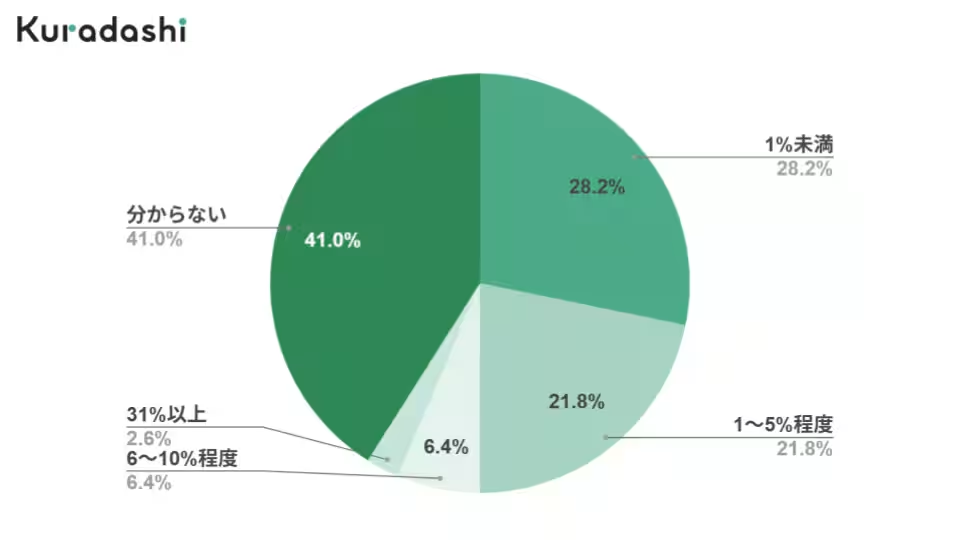
In a revealing survey conducted by Kuradashi, a social good market operating out of Shinagawa, Tokyo, nearly 78.2% of food-related businesses reported they have begun implementing measures to reduce food waste. This response marks a significant increase, indicating a growing commitment within the industry to tackle this pressing issue. Notably, the number of companies reporting waste generation rates of less than 1% has risen by 7 points compared to the previous year, highlighting a positive trend towards waste management practices.
Motivations Behind Waste Reduction
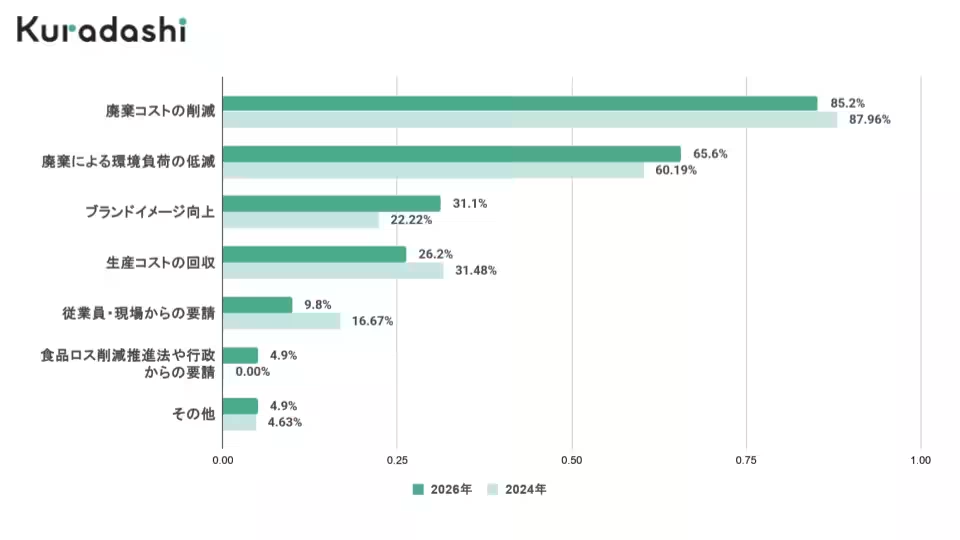
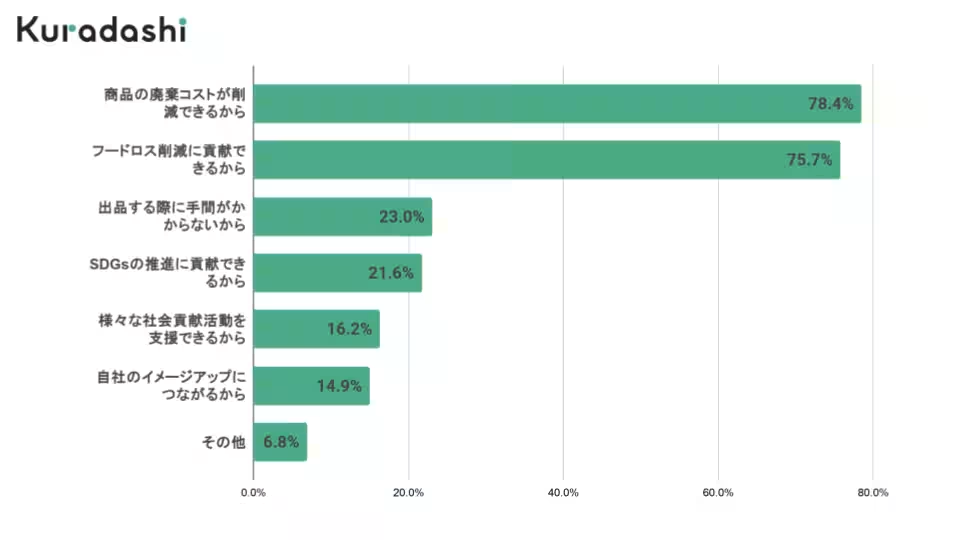
While cost-cutting measures regarding waste management remain a driving force, an increasing number of businesses are recognizing their social responsibility. The survey found that motivations have expanded to include enhancing brand image and reducing environmental impact, reflecting a shift from mere cost concerns to a broader commitment to corporate social responsibility (CSR).
New Factors Contributing to Food Waste
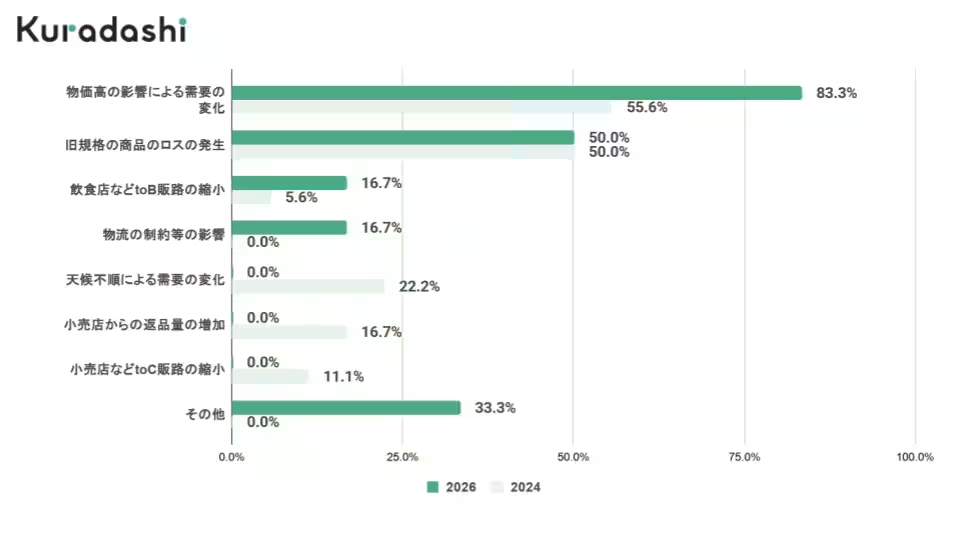
Despite the favorable trends, businesses are facing new challenges. According to the survey, changes in consumer demand driven by rising costs have been a significant contributor to increased food waste, showing a 27.8-point jump in concern compared to the previous year's data. Moreover, what was previously a non-issue—logistics constraints—has now emerged as a factor, with 16.7% of respondents citing this as a new challenge affecting waste rates. The rising costs associated with logistics and supply chain disruptions are forcing companies to reconsider their strategies.
Embracing Kuradashi as a Safety Net
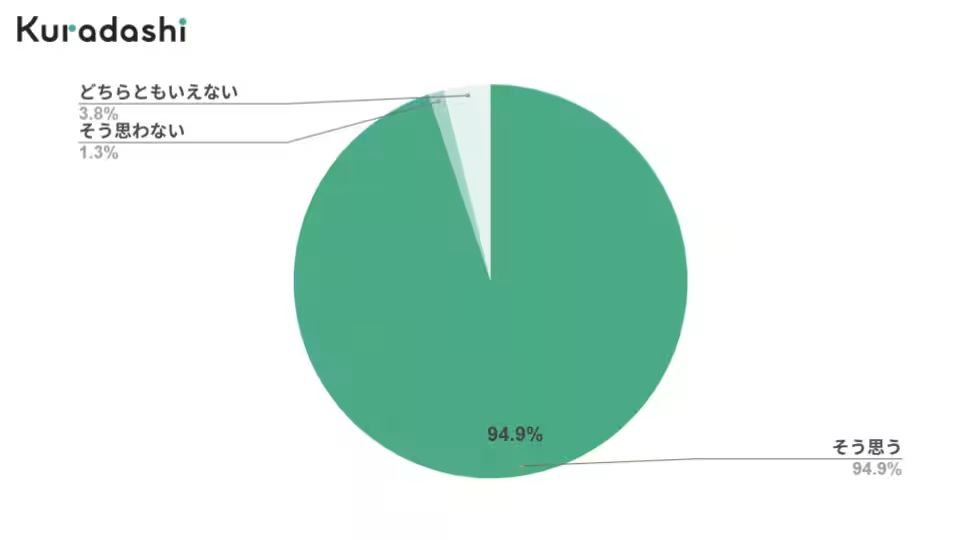
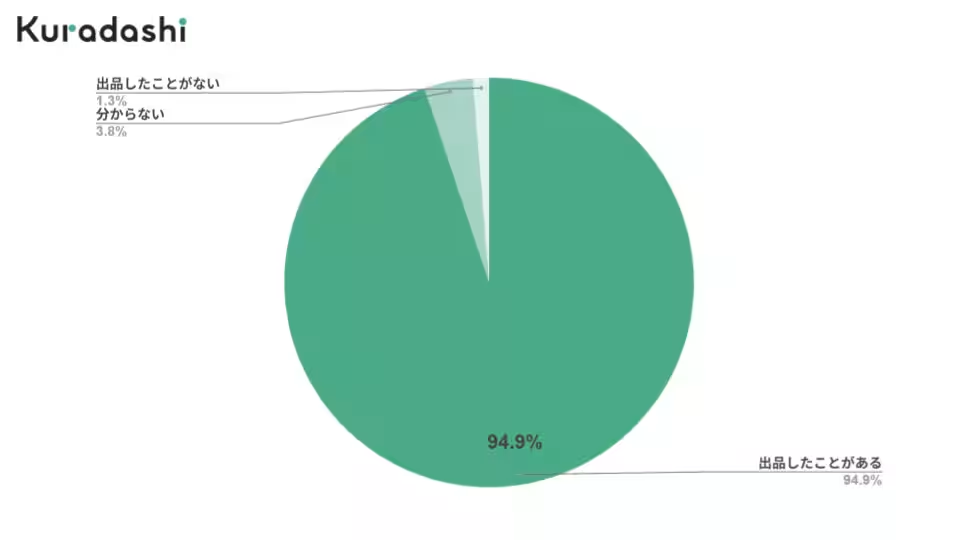
The survey also revealed a strong inclination towards utilizing platforms like Kuradashi for redistributing food products that might otherwise become waste. An impressive 94.9% of businesses view Kuradashi as a valuable safety net, supporting its perception as an essential infrastructure in reducing food waste. Participation rates have also soared, with businesses having used the service increasing by 13 points to 94.9%.
Background of the Survey
With impending price hikes expected in the food sector—rumored to affect 2,798 products—companies are motivated to adapt to the shifting landscape of consumer demand. Factors such as raw material costs, energy prices, logistics expenses, and currency depreciation are expected to lead to further increases in 2026. Understanding how businesses perceive food waste reduction amidst these challenges is essential for shaping future services. This investigation aligns with Kuradashi's commitment to enhance its offerings by taking feedback from industry players into account.
Key Findings from the Survey
1. Engagement in Food Waste Reduction
Over three-quarters of surveyed companies actively engage in waste reduction efforts, demonstrating an industry-wide movement toward sustainability.
2. Evolving Motivations
While cost reduction remains the primary driver, there is a noticeable rise in motivations related to ethical considerations, with an emphasis on brand reputation and environmental responsibility.
3. Active Solutions
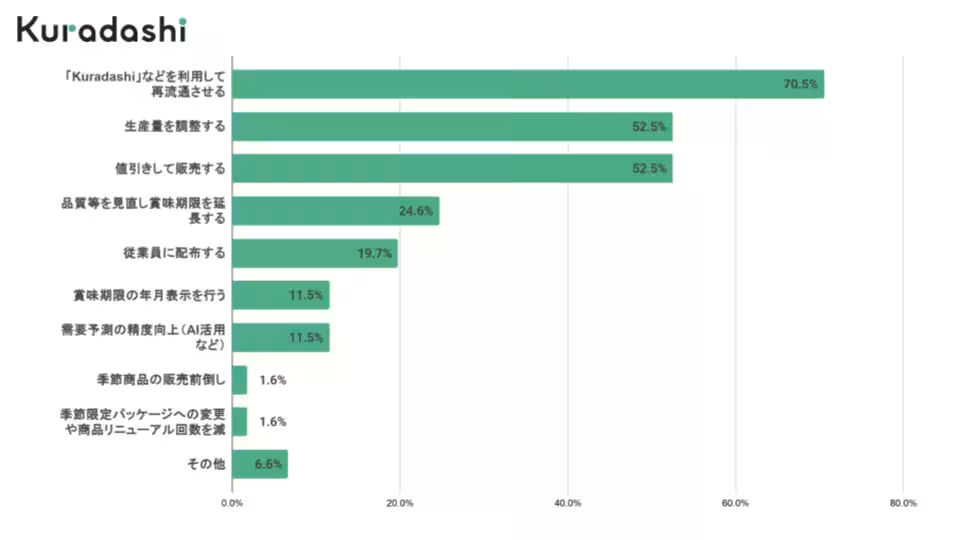
The reliance on redistributive services has seen significant growth, with 70.5% of businesses engaging in reselling products, further illustrating a proactive approach.
4. Food Waste Incidence Rates
The survey captured that 28.2% of companies reported their waste generation rates at less than 1%, affirming a notable reduction trend within the industry.
5. Impact of Economic Conditions
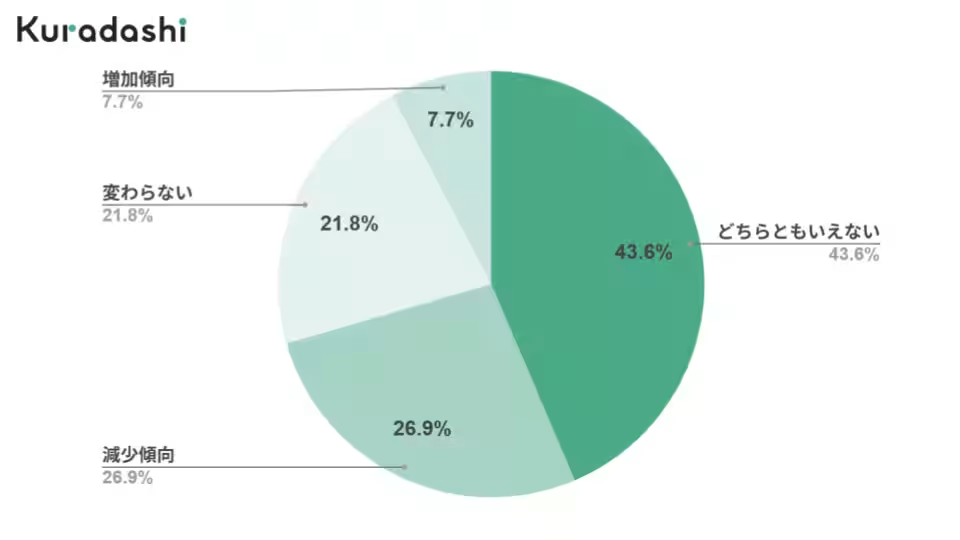
Concerns about rising prices and raw material costs have led to a mixed perception of food waste trends, demonstrating that the impacts vary between businesses.
6. Drivers of Increased Waste
The most common reason for increased food waste reported was the shifts in consumer demand due to price hikes, indicating significant external factors that cannot be ignored.
7. Reduction Strategies
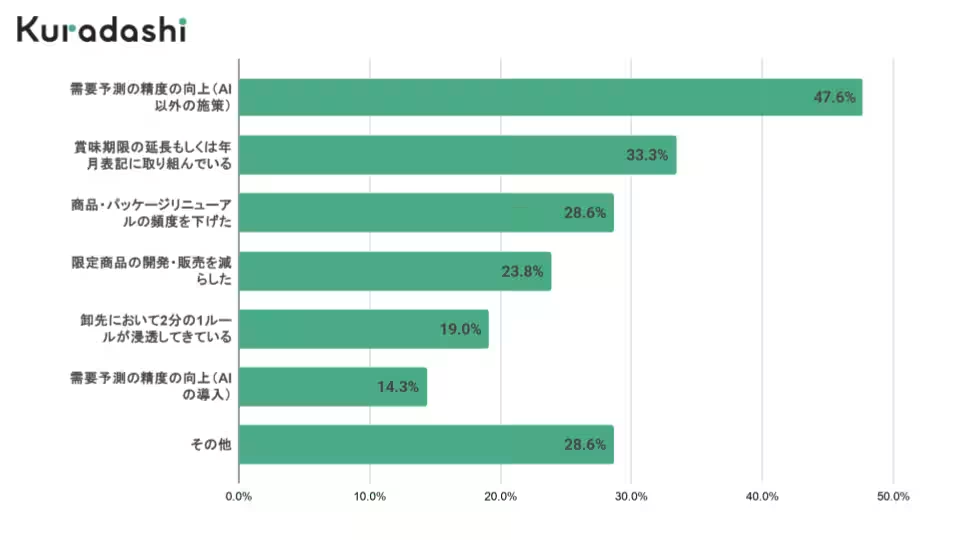
Improvements in demand forecasting methods emerged as a key factor for companies that successfully reduced waste, representing a strategic shift toward more informed inventory management.
8. The Role of Kuradashi
An overwhelming 94.9% of respondents believe that services like Kuradashi play an invaluable role in managing potential food waste effectively.
9. Participation in Kuradashi
Confirmed participation in the Kuradashi platform further reinforces the sentiment, with the majority of companies optimistic about collaborating with such channels to achieve their sustainability goals.
Conclusion
The findings from this survey reveal a notable shift within the food industry, indicating that businesses not only recognize the importance of waste reduction but also the evolving perceptions tied to social responsibility. As challenges grow in the form of rising costs and logistical constraints, leveraging effective redistributive platforms like Kuradashi may prove critical in ensuring a sustainable future for the food sector.
- ---
About Kuradashi
Kuradashi aims to reduce food waste through enjoyable shopping experiences while contributing to a variety of social good initiatives. It showcases a diverse array of food products, reinforcing the notion that fun and practical shopping can lead to positive societal impacts. Visit Kuradashi for more details.

Topics Consumer Products & Retail)
【About Using Articles】
You can freely use the title and article content by linking to the page where the article is posted.
※ Images cannot be used.
【About Links】
Links are free to use.