



The Hidden Blind Spots in Attracting Customers to Physical Stores
The Hidden Blind Spots in Attracting Customers to Physical Stores
In today's digital landscape, businesses are increasingly relying on social media platforms and digital advertisements to draw customers into physical stores. However, a new study conducted by Creative Jump has uncovered surprising insights: while many companies believe that social media engagement drives customer return visits, the reality is starkly different.
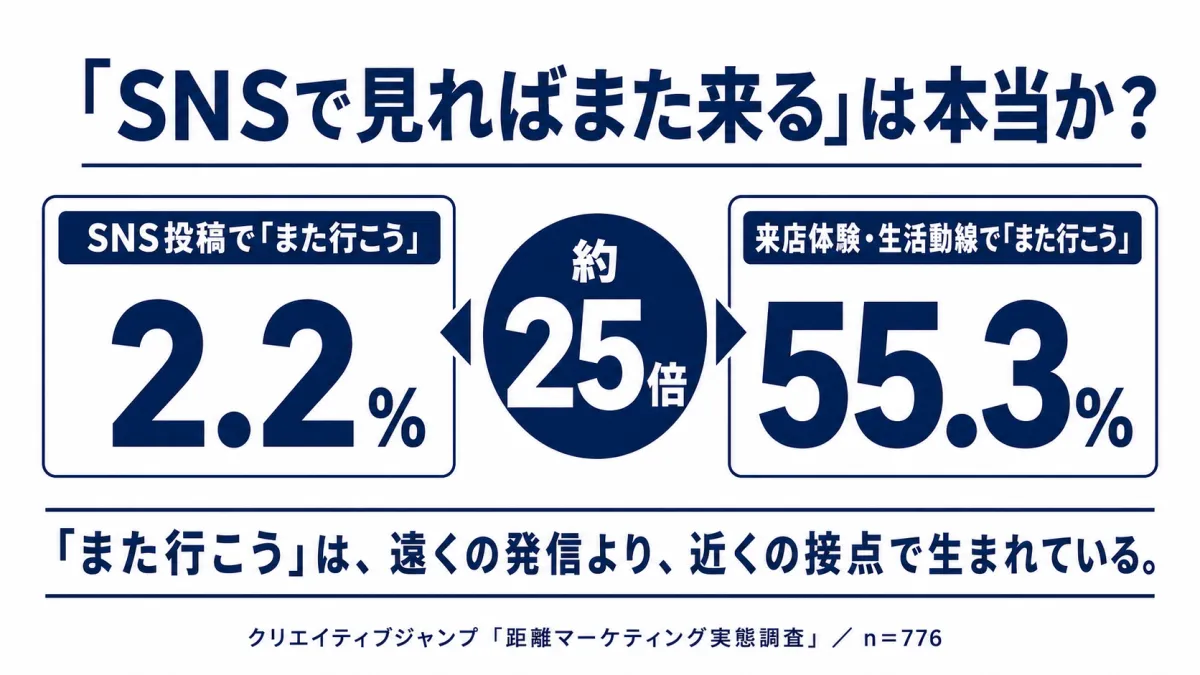
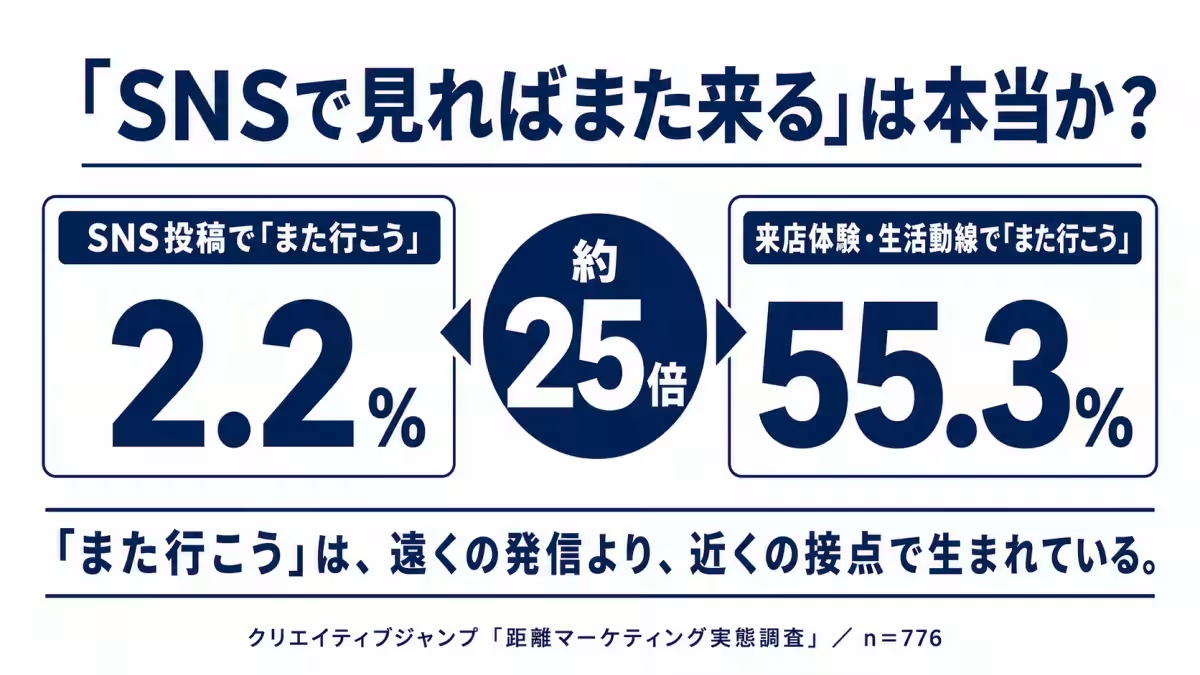
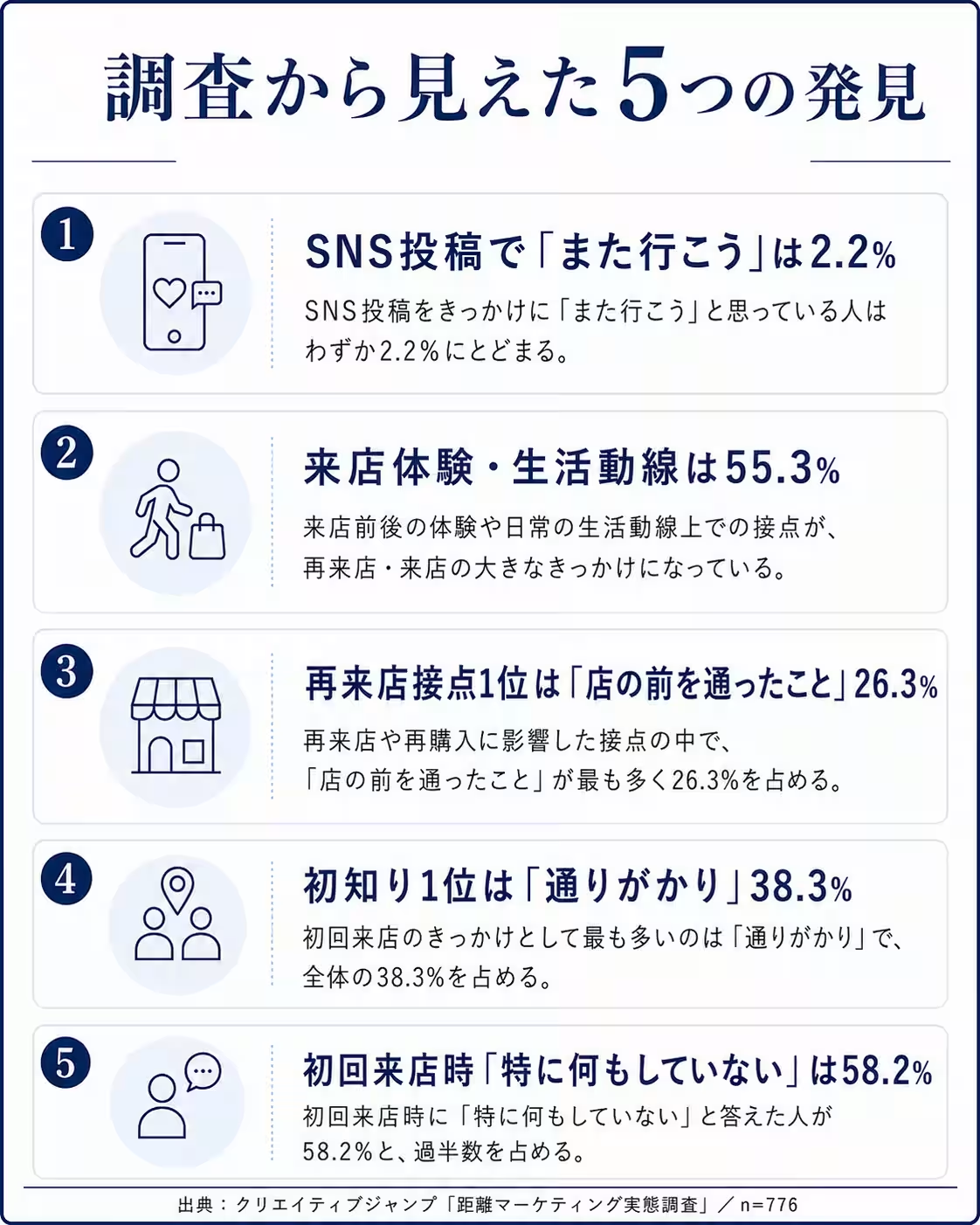
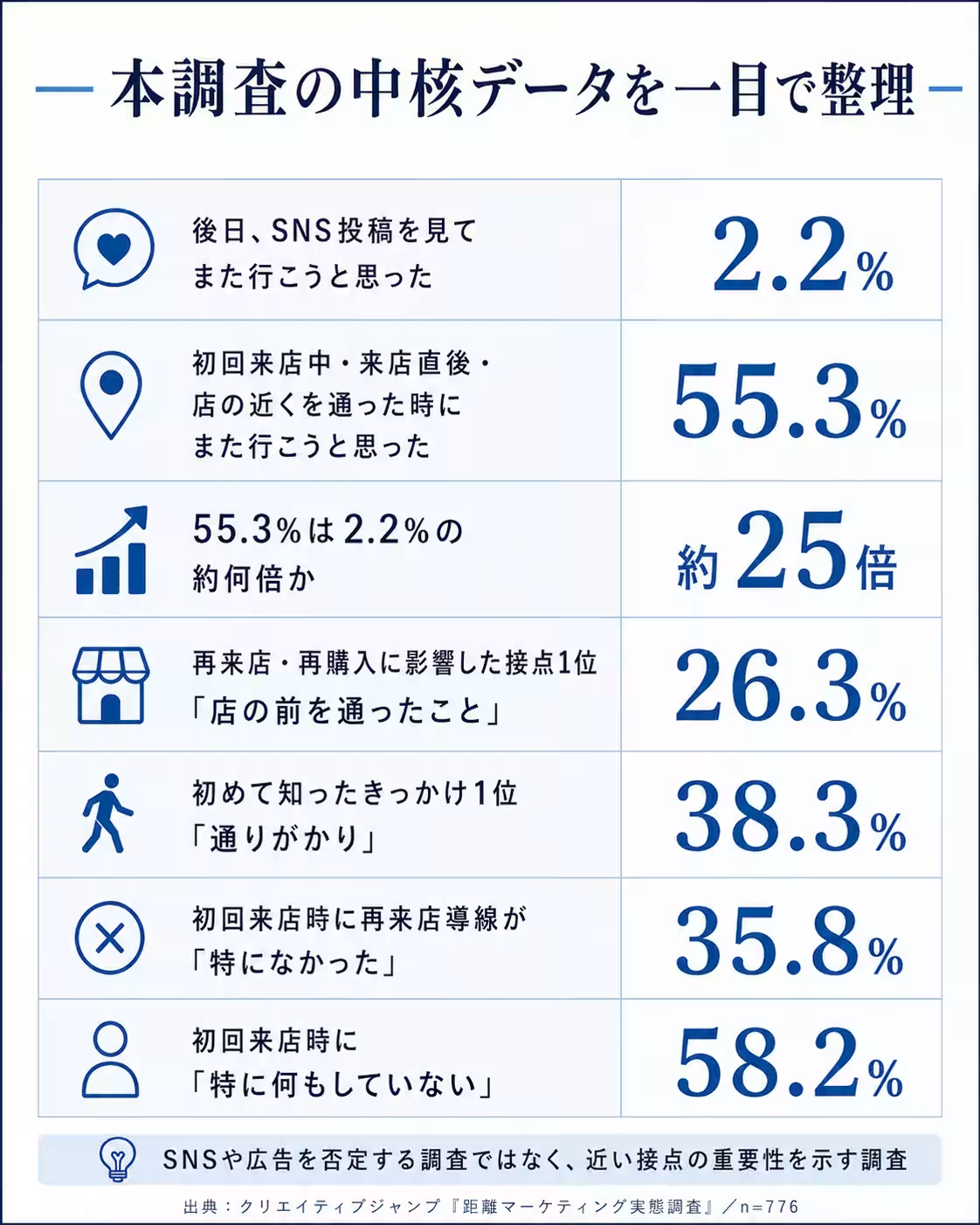
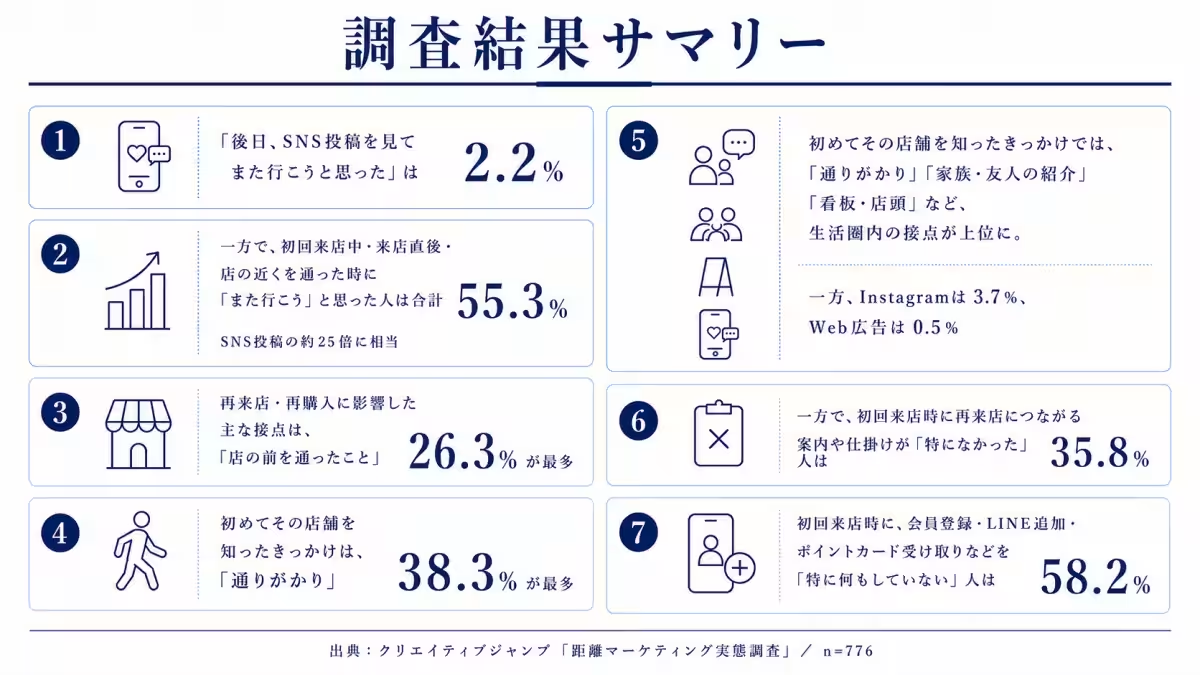
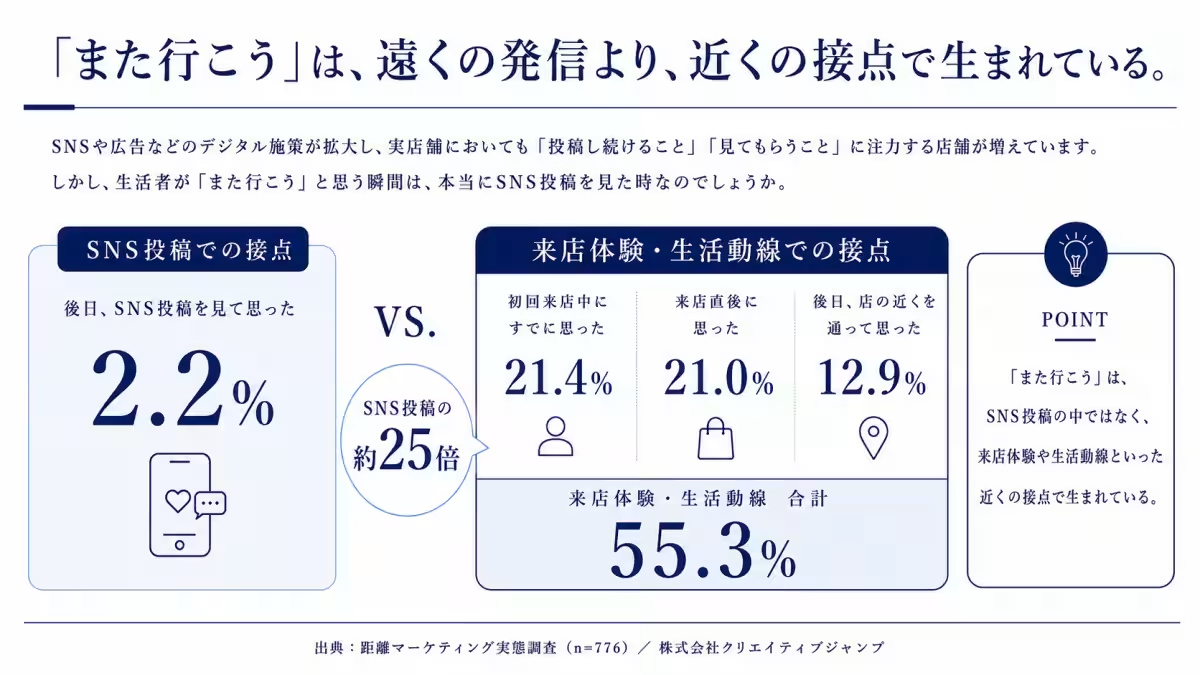
The research highlights that only 2.2% of respondents stated they decided to revisit a store after seeing a social media post. In contrast, a whopping 55.3% of participants indicated they decided to return based on their in-store experience or when passing by the store. This finding is about 25 times greater than the influence of social media posts on customer return intent.
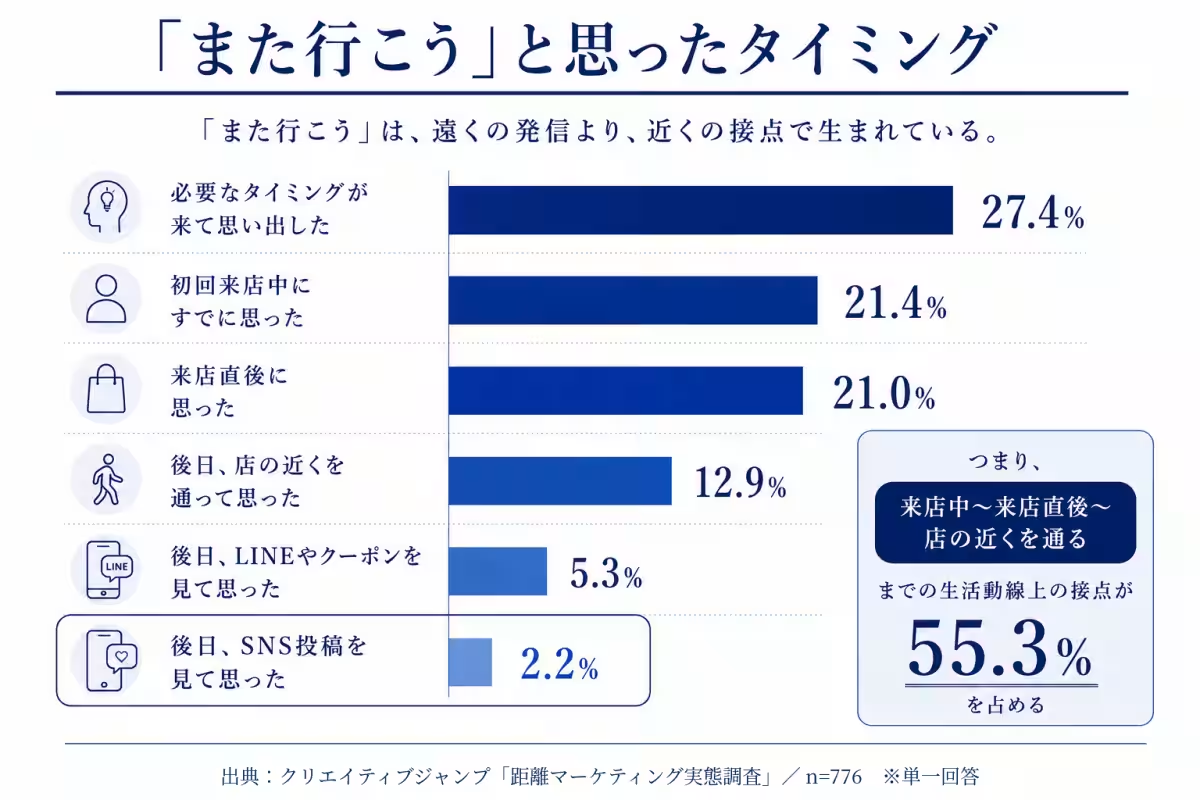
This leads us to ponder: when do customers truly think, 'I will visit this store again?' The study identified several key moments:
- - During the initial visit: 21.4% of respondents had already decided to return while they were in the store for the first time.
- - Immediately after the visit: 21% felt a return urge right after leaving.
- - Passing by the store later: 12.9% were prompted to think of a return when they were near the store again.
These interactions suggest that feelings of willingness to return are ignited not just by digital outreach but by physical experiences and proximity to the store itself. The implications are clear: stores must not overlook the importance of customer interactions during their visits, painting a more substantial picture of how to create true customer loyalty.
Understanding Customer Return Motivation
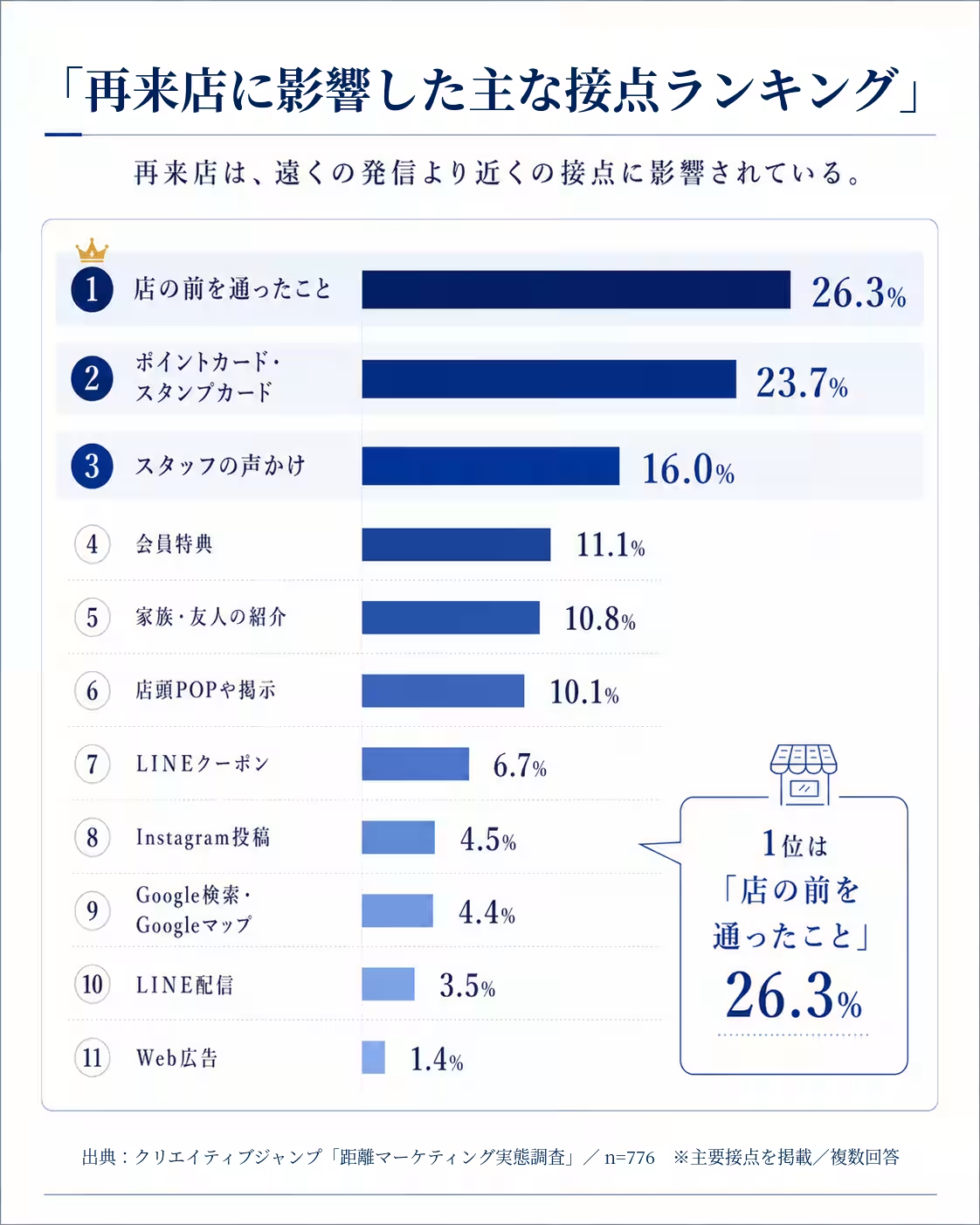
The report not only emphasizes the inadequacy of relying solely on social media for customer retention but also emphasizes the critical role of physical experiences in creating longer-term relationships with customers. For instance, passing in front of the store was the top response (26.3%) for factors leading to revisits, underscoring the vital aspect of physical location in customer decision-making.
Moreover, the research showed that many first-time visits stem from everyday encounters such as:
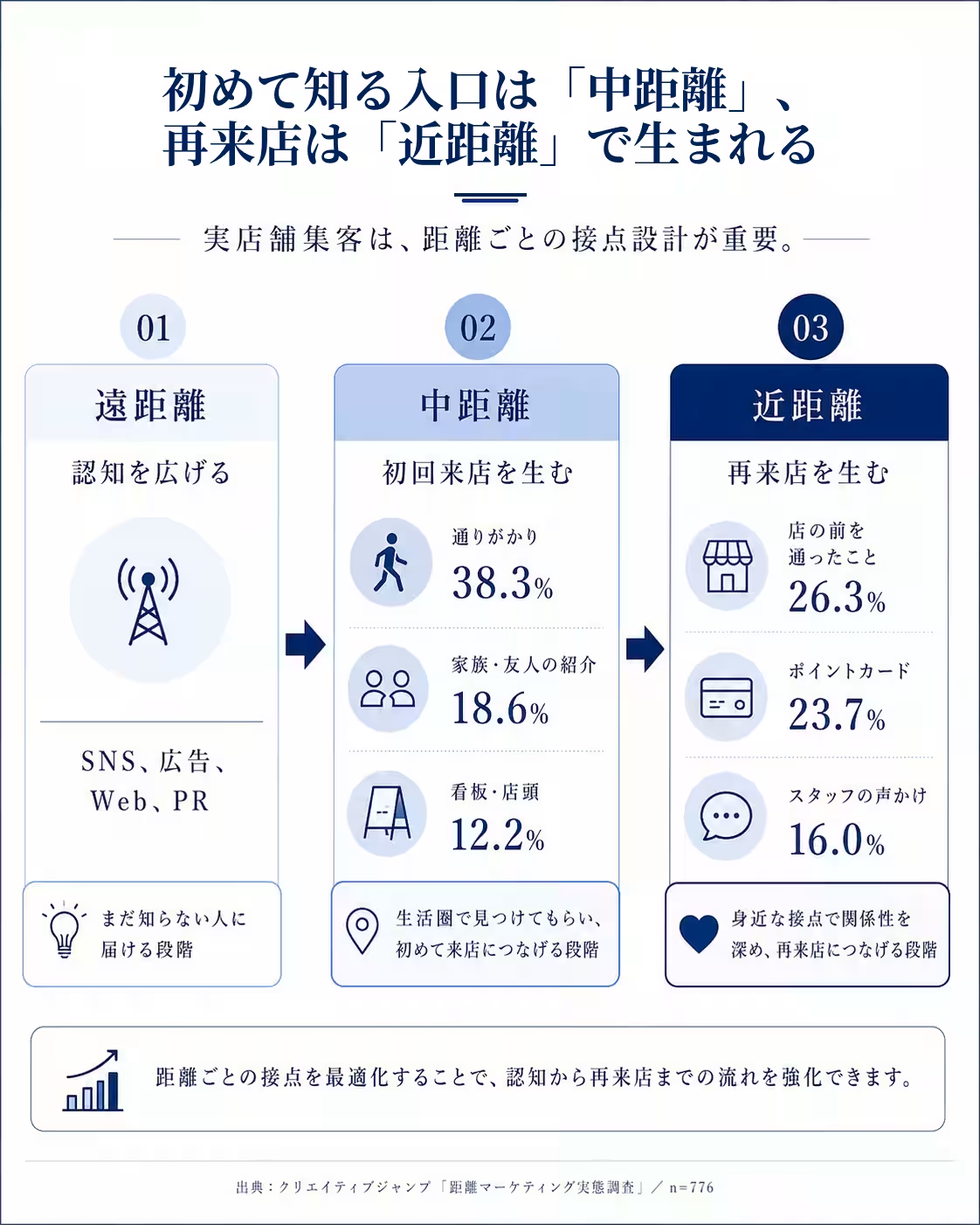
- - Passing by (38.3%)
- - Recommendations from friends or family (18.6%)
- - Store signage or storefront visibility (12.2%)
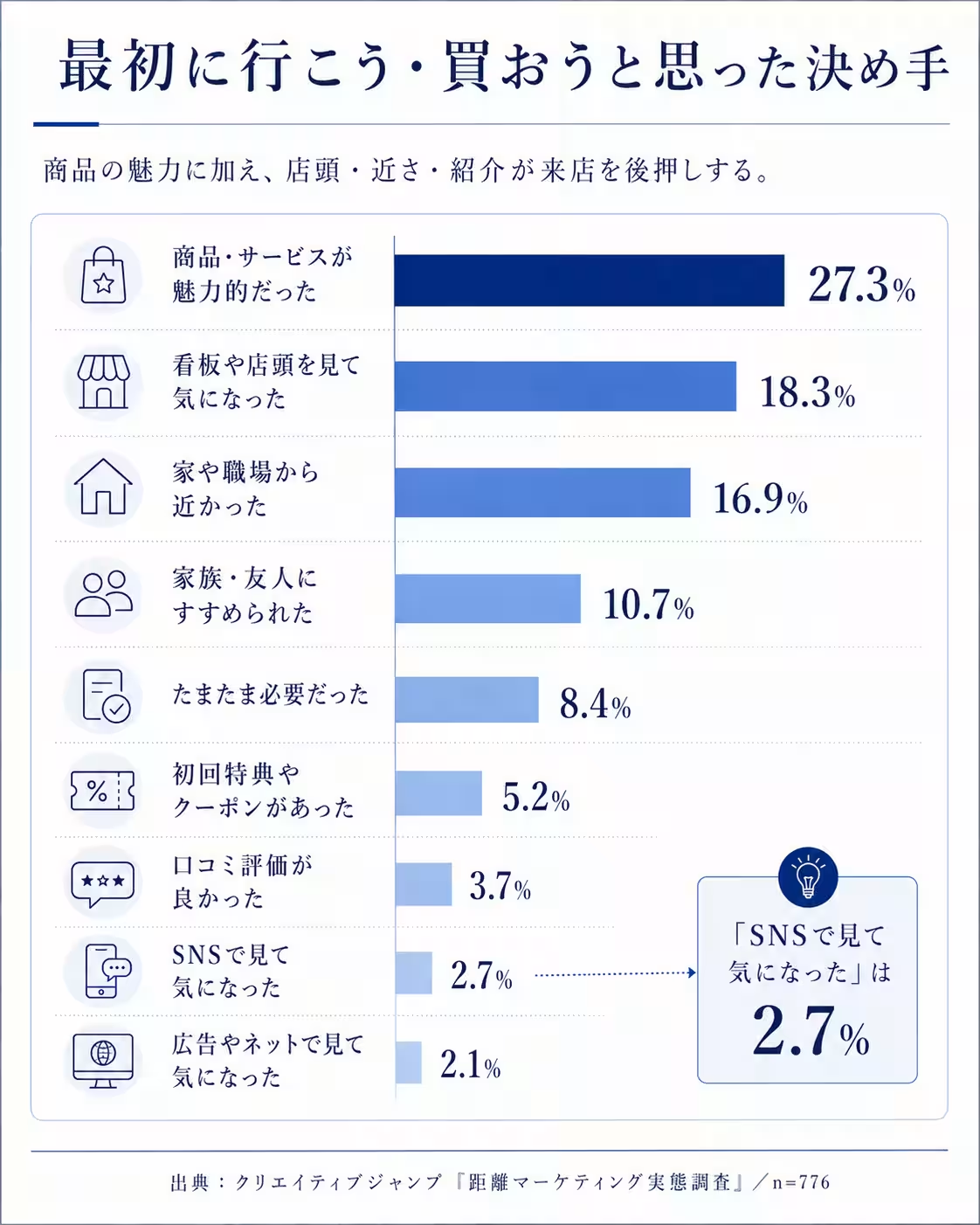
Compared to these, social media platforms barely made a dent, with Instagram accounting for just 3.7% and web advertisements for 0.5%. This stark contrast illustrates the substantial role that physical proximity plays in customer engagement.
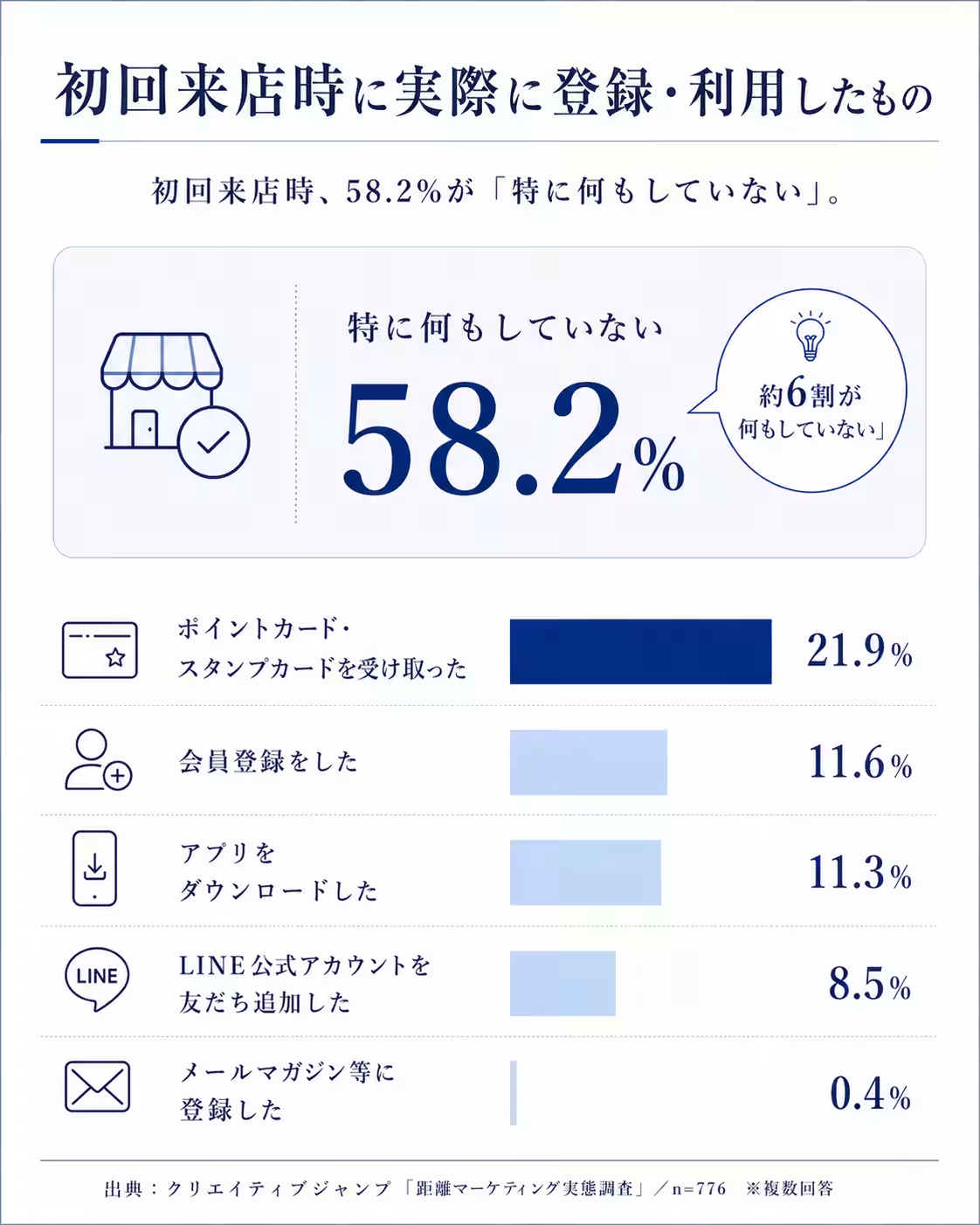
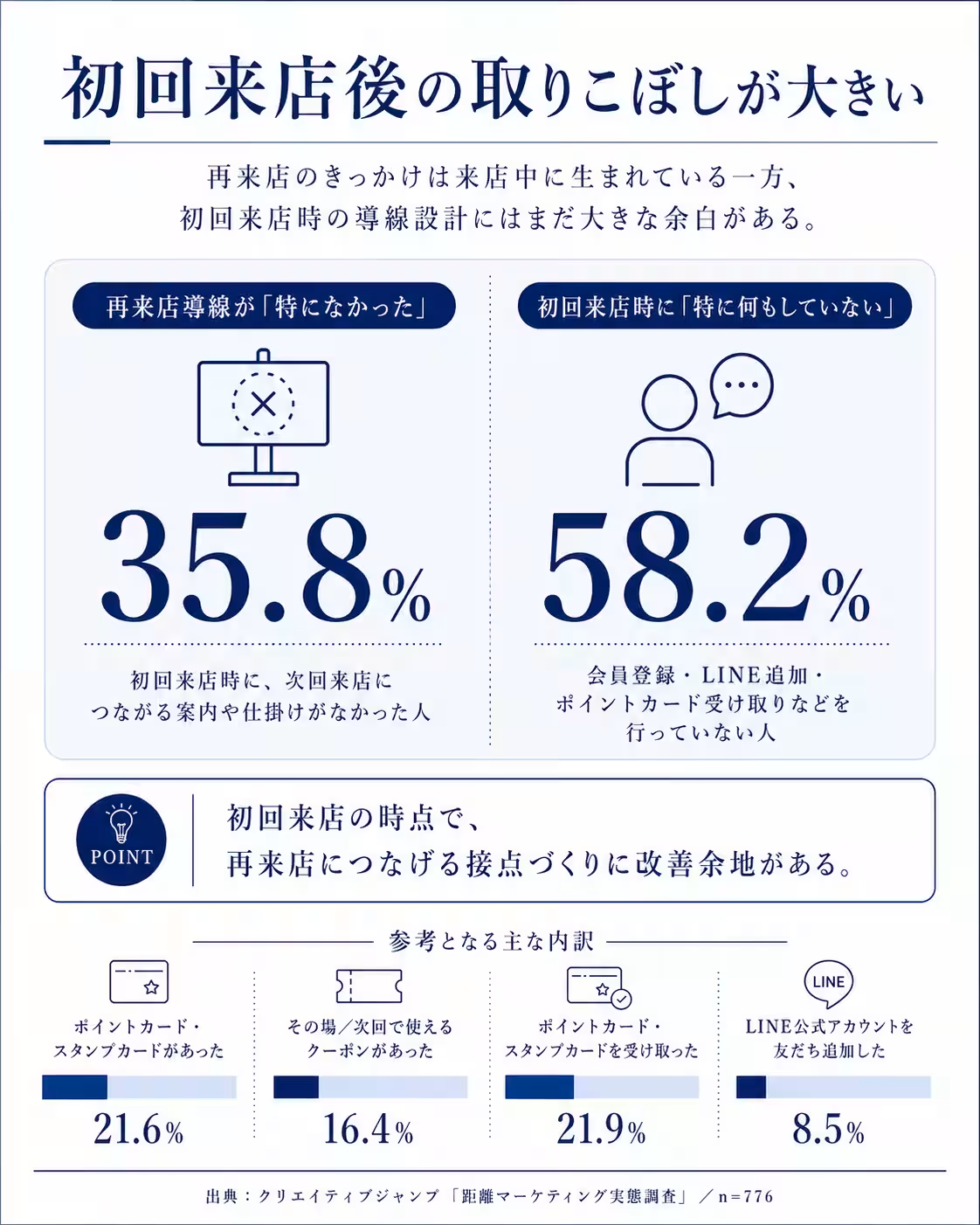
In addition, the study shed light on missed opportunities for stores to capture repeat customers following their first visit. A notable 35.8% reported there were no prompts or incentives encouraging a repeat visit, and 58.2% either did not engage in membership sign-ups or take advantage of promotional offers.
Reframing Store Marketing Strategies
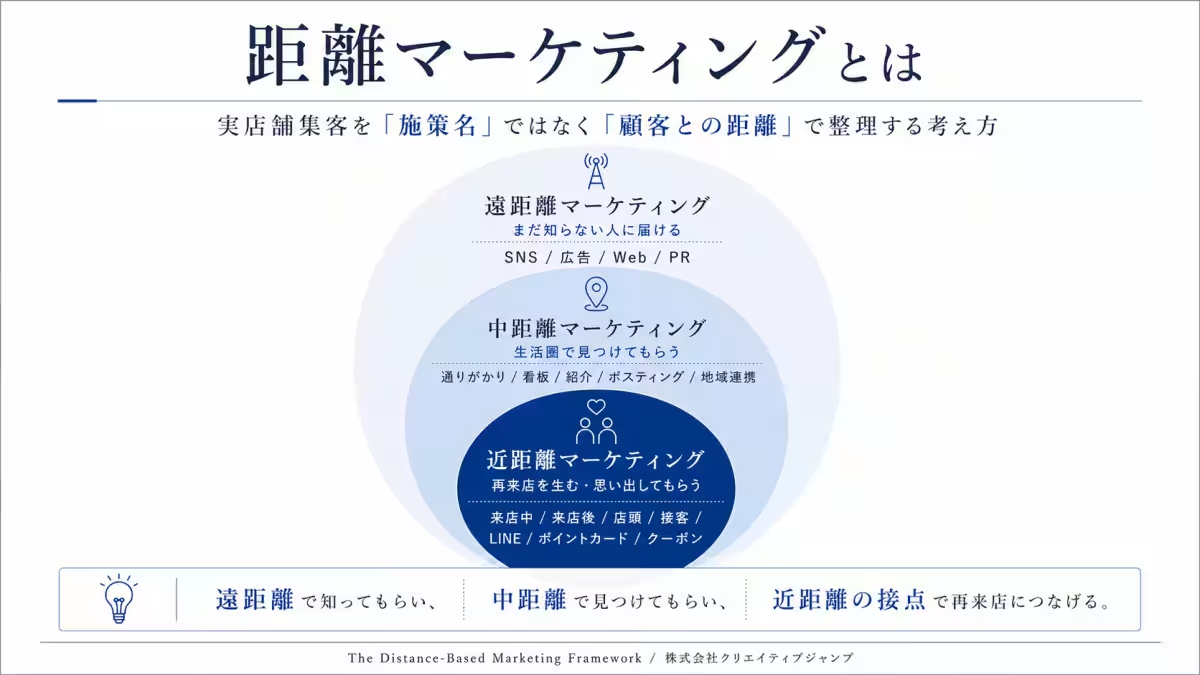
The findings prompt a reevaluation of how businesses approach physical store marketing. Following the study, Creative Jump advocates for a philosophy they call distance marketing. This involves categorizing marketing efforts based on the proximity of potential customers—dividing approaches into three categories: near-distance, mid-distance, and far-distance engagements.
1. Near-Distance Marketing: Engages customers already familiar with the brand or approaching a purchase decision. This includes in-store service interactions, staff prompts, and loyalty rewards that can reinforce the decision to return.
2. Mid-Distance Marketing: Aims at those who live or work nearby but haven't yet connected directly with the store, utilizing signage, local promotions, and community recommendations to create awareness and interest.
3. Far-Distance Marketing: Expands brand reach to individuals who know nothing of the business, utilizing social media, advertising, and public relations to build initial awareness.
Through this structured approach, Creative Jump seeks to bridge the gap between distant awareness and close customer engagement, emphasizing that the most profound connections often arise through tangible, real-world interactions rather than digital impressions.
The insights from this research serve as a cogent reminder that while digital strategies are essential for broadening reach, physical customer interactions and everyday exposures drive meaningful customer relationships and foster enduring loyalty. By implementing a distance marketing strategy, businesses can optimally align their efforts with consumer behavior, enhancing chances for repeat visits and sustained patronage.
Closing Thoughts from Leadership
Dai Ki Migi, the CEO of Creative Jump, noted, "In the realm of store assistance, improving every single touchpoint, from LINE notifications to in-store signage, can significantly affect the repeat rate. This survey reinforces the real-life experiences we observe on the ground. Today's marketing must evolve past merely getting people to see our presence on screens to focusing on tangible, in-person experiences that make customers decide to return."
As businesses adapt to the realities of post-pandemic commerce, this study underscores the need to strike a balance between digital visibility and physical customer experience—the culture of in-store interaction should not languish in the shadows but should become a focal point in driving the future of retail customer engagement.
Topics Consumer Products & Retail)






【About Using Articles】
You can freely use the title and article content by linking to the page where the article is posted.
※ Images cannot be used.
【About Links】
Links are free to use.