



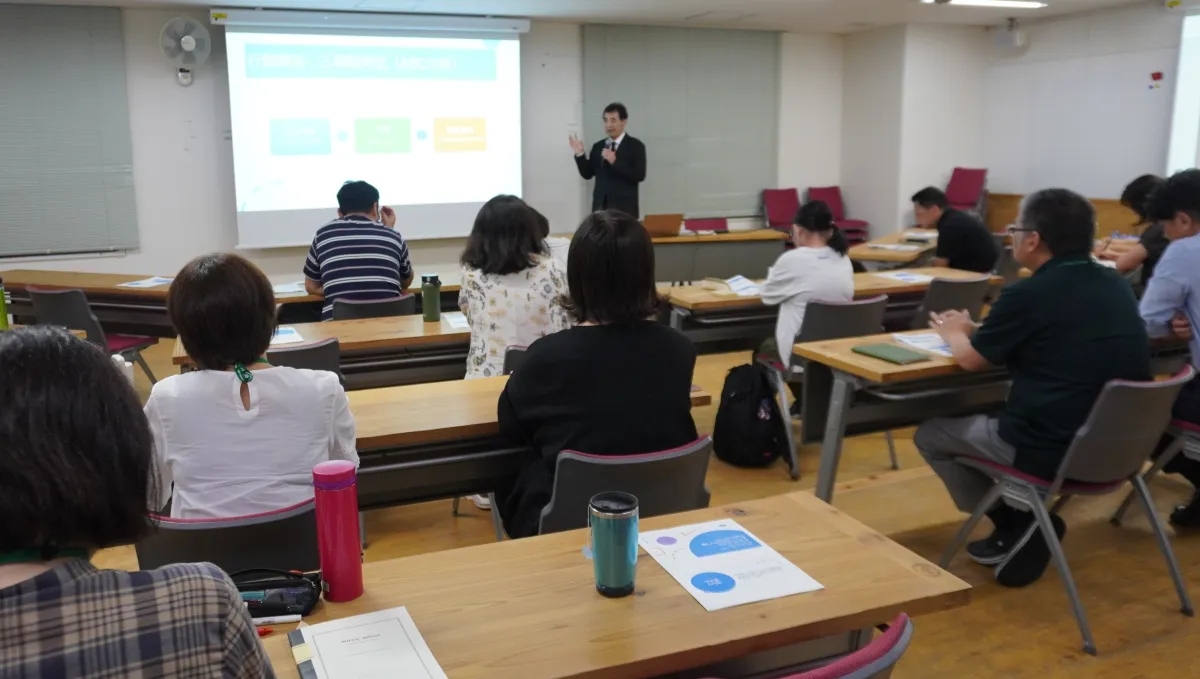
Special Course on Self-Care Aims to Create a Better Workplace for All Employees
Special Course on Self-Care for Better Workplaces
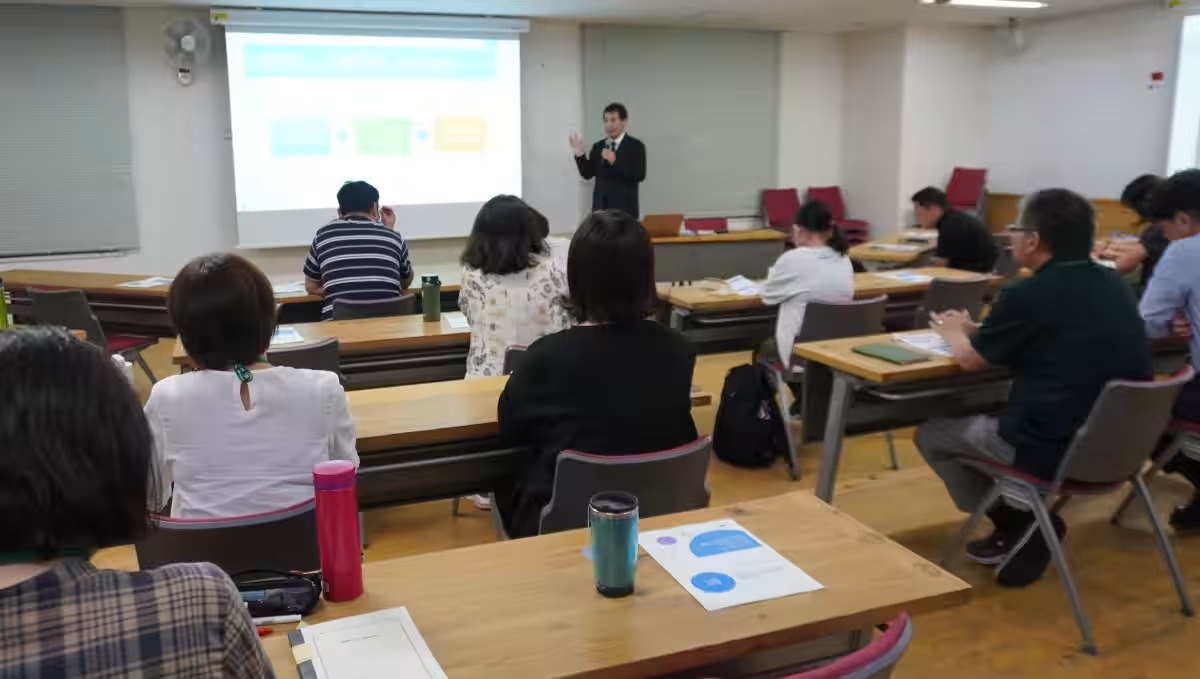
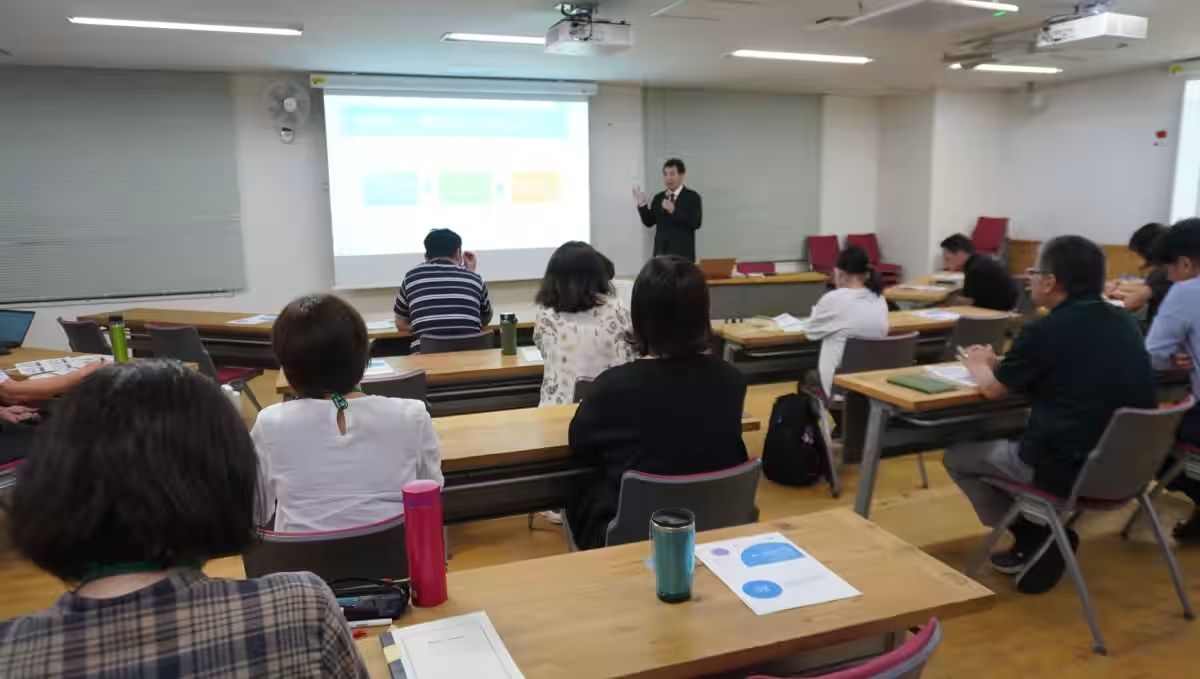
On August 25, Palsystem Kanagawa, based in Shin-Yokohama, hosted a workshop focused on self-healthcare for its employees. This initiative, which drew participation from around 30 staff members both in-person and online, aims to promote a work environment that values well-being and effective communication. The event celebrated the first anniversary of the comprehensive partnership between Palsystem and Seisa University.
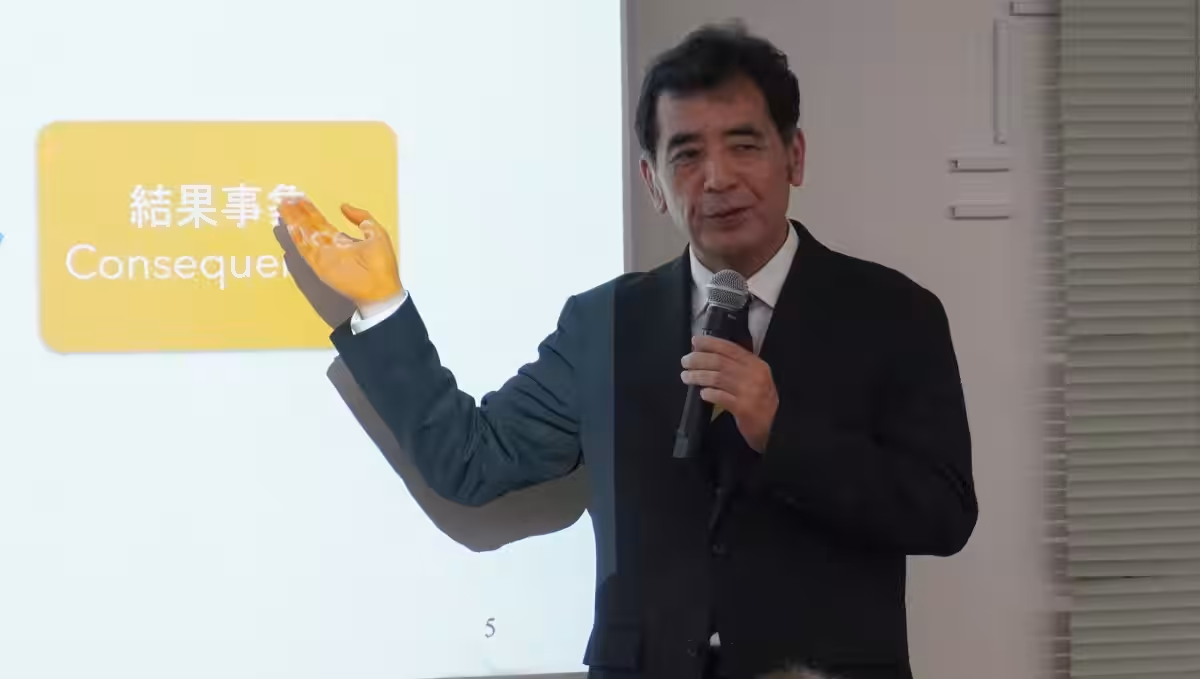
Under the guidance of Professor Masao Tai, a specialist in psychology and welfare from Seisa University, the participants engaged in various methods for managing stress and fostering easier communication in the workplace. Professor Tai emphasized the importance of reframing thought processes and applying cognitive behavioral therapy techniques to alleviate workplace anxiety. The participants learned about the ABC analysis, which encourages individuals to identify triggers that lead to errors and reflect on those moments without assigning blame.
Professor Tai noted that in environments involving disabled employees, both parties can often shift blame toward themselves or others when challenges arise. He highlighted the necessity for awareness around how actions can be influenced by environmental factors, thus advocating for improvements to workplace settings that enable better interaction and support. He also mentioned that many individuals may struggle with executive function, particularly when operating towards specific goals, and encouraged the use of clear communication and adaptive instruction strategies.
In discussing the power of language, Professor Tai illustrated how words can create mental imagery, akin to how one recalls a tune by merely reading its lyrics. He explained that worries often take on a life of their own when spun in the mind. To counteract anxiety, he recommended practical self-care exercises, such as observing the environment while walking to shift focus away from stressors, adjusting posture, and even simple actions like alternating fist formations or counting to six when feeling irritated.
The professor concluded with a powerful message about the importance of cultivating a positive workplace culture. He encouraged employees to embrace small gestures, such as initiating greetings, to foster a contagious atmosphere of cheerfulness. The call to action emphasized the need for numerous ways to pivot one's mood and strengthen community ties within the workplace.
Looking forward, Palsystem Kanagawa and Seisa University plan to enhance support for disabled employees through continued educational programs and mental health resources. Their comprehensive partnership aims to ensure diversity is respected while fostering a nurturing learning climate tailored to individual needs. In recent months, their collaboration has included workshops on anger management and ongoing consultations for job coaches working with disabled employees.
As they strive to create a safe and supportive work environment for all employees, Palsystem Kanagawa is committed to contributing to the development of an inclusive society where diversity in the workplace is the norm.
Topics People & Culture)
【About Using Articles】
You can freely use the title and article content by linking to the page where the article is posted.
※ Images cannot be used.
【About Links】
Links are free to use.