




TOKYO H2 Project Launches Innovative Hydrogen Initiatives for Transportation
Launching the TOKYO H2 Project: A New Era for Hydrogen Energy in Tokyo
The Tokyo Metropolitan Government has recently initiated an exciting project named the TOKYO H2 Project, aimed at expanding the use of hydrogen energy across the city. With a focus on guaranteeing a stable energy supply and striving for decarbonization, the project addresses the growing demand for hydrogen energy in various sectors. A significant aspect of this initiative is the deployment of hydrogen fuel cell taxis, a pioneering step in promoting eco-friendly transportation within the metropolis.
A Comprehensive Overview of the TOKYO H2 Project
The TOKYO H2 Project is designed as a collaboration between public and private sectors to accelerate actions that utilize hydrogen energy, particularly in commercial mobility. The goal is to introduce approximately 10,000 fuel cell commercial vehicles by 2035. By launching the country's first large-scale deployment of fuel cell taxis, the project will promote further integration of hydrogen applications in transportation and logistics, thereby advancing Tokyo's commitment to a carbon-neutral future.
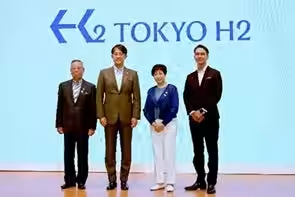
The project's logo embodies multiple meanings with an emphasis on Hydrogen, Human, Hope, Harmony, and Hero. The design symbolizes the interconnectedness of various concepts moving towards a progressive future, reflecting the spirit of innovation that characterizes the TOKYO H2 Project.
Highlights from the Project Launch Event
On September 3rd, 2023, the TOKYO H2 Project was officially launched with a detailed presentation attended by key figures in the energy and transportation sectors:
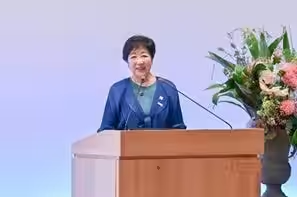
1. Project Presentation: Mayor Yuriko Koike expressed the urgent need to address climate change and ensure energy stability, highlighting hydrogen's critical role in these endeavors. This project marks Tokyo's commitment to making hydrogen a tangible part of daily life, aiming to establish the city as a leader in a hydrogen-based society.
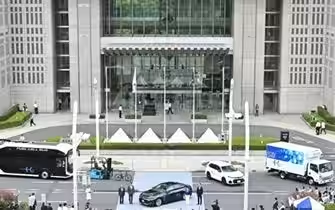
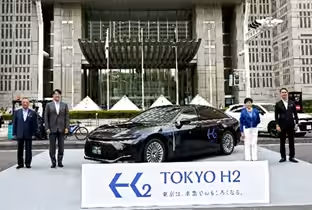
2. Fuel Cell Taxi Departure Ceremony: A display of various fuel cell commercial vehicles was showcased alongside formalities such as photo sessions and farewells for the first fuel cell taxis.
3. Hydrogen Experience Event: Attendees got firsthand experience with hydrogen-powered vehicles, including fuel cell bicycles and forklifts. There were also demonstrations of hydrogen cooking appliances that allowed participants to taste hydrogen-roasted coffee, symbolizing the versatility and potential of hydrogen energy.
Key Remarks from Project Leaders
Several leaders commented on the significance of this initiative:
- - Yuriko Koike, Tokyo's Governor, emphasized the city's pioneering efforts in adopting hydrogen technology and the introduction of fuel cell taxis as a vital step. She expressed hope that citizens will soon see the benefits of a hydrogen-inclusive society.
- - Koji Sato, President of the Hydrogen Value Chain Promotion Council from Toyota, stated that transitioning to a hydrogen society hinges on enhancing social implementation through collaboration across industries. The success of the TOKYO H2 Project lies in creating a seamless hydrogen value chain from production to consumption.
- - Ichiro Kawanabe, President of the Tokyo Taxi Association, spoke about the taxi industry's dedication to advancing environmental initiatives. He expressed pride in ushering in a new era of hydrogen taxis as part of their responsibility to contribute to sustainable urban transport.
The TOKYO H2 Project positions Tokyo as a model for other cities aspiring for a sustainable future. By emphasizing collaboration and community engagement, the project ensures that hydrogen plays a vital role in daily life, transforming transport and energy into a more eco-friendly venture. As Tokyo accelerates its hydrogen initiatives, the world watches eagerly for the potential it holds, standing at the forefront of a greener tomorrow.

Topics Energy)
【About Using Articles】
You can freely use the title and article content by linking to the page where the article is posted.
※ Images cannot be used.
【About Links】
Links are free to use.