



Reviving Rice Cultivation Techniques for Future Resilience Against Climate Change
Reviving Rice Cultivation Techniques for Future Resilience Against Climate Change
In response to the challenges posed by global warming, the Japanese agriculture sector is stepping up its game. The
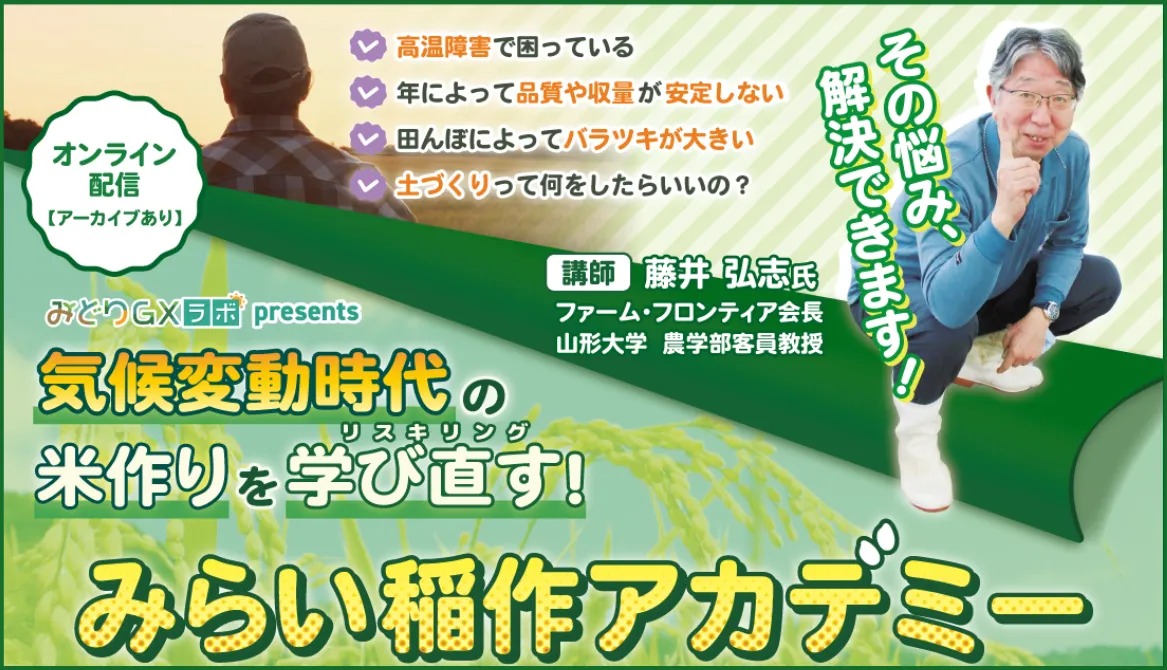
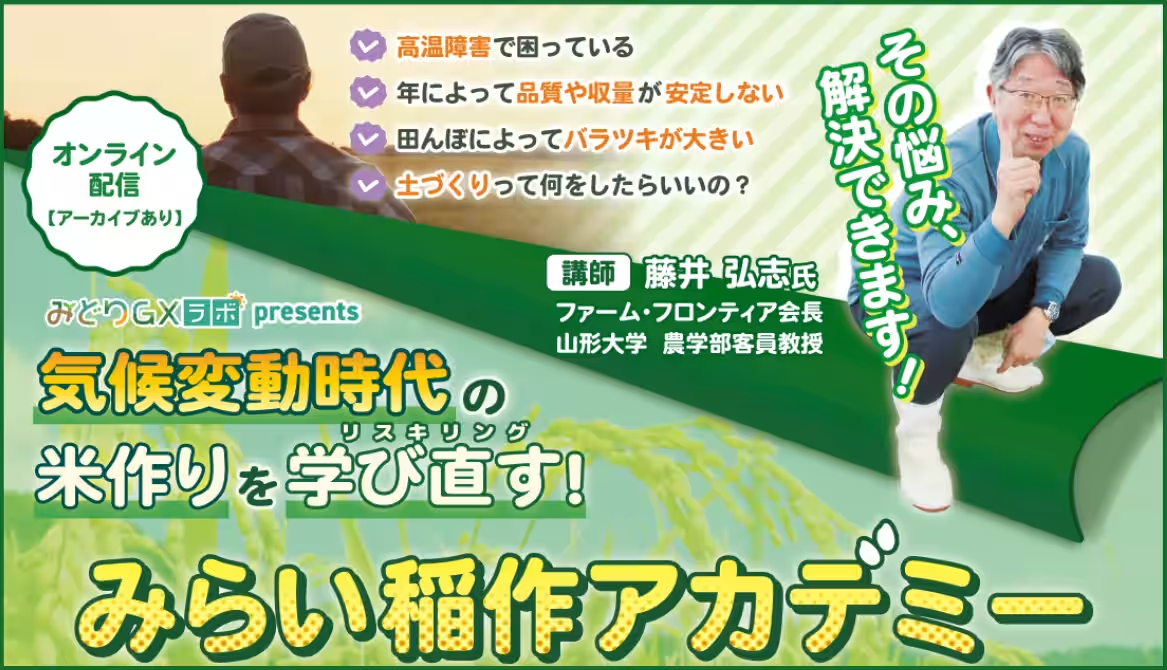
'Future Rice Academy,' organized by the Japan Agricultural Newspaper Co., Ltd., will be hosting a series of online seminars in March and April 2026, aimed at reinforcing rice cultivation practices that withstand extreme heat and dryness.
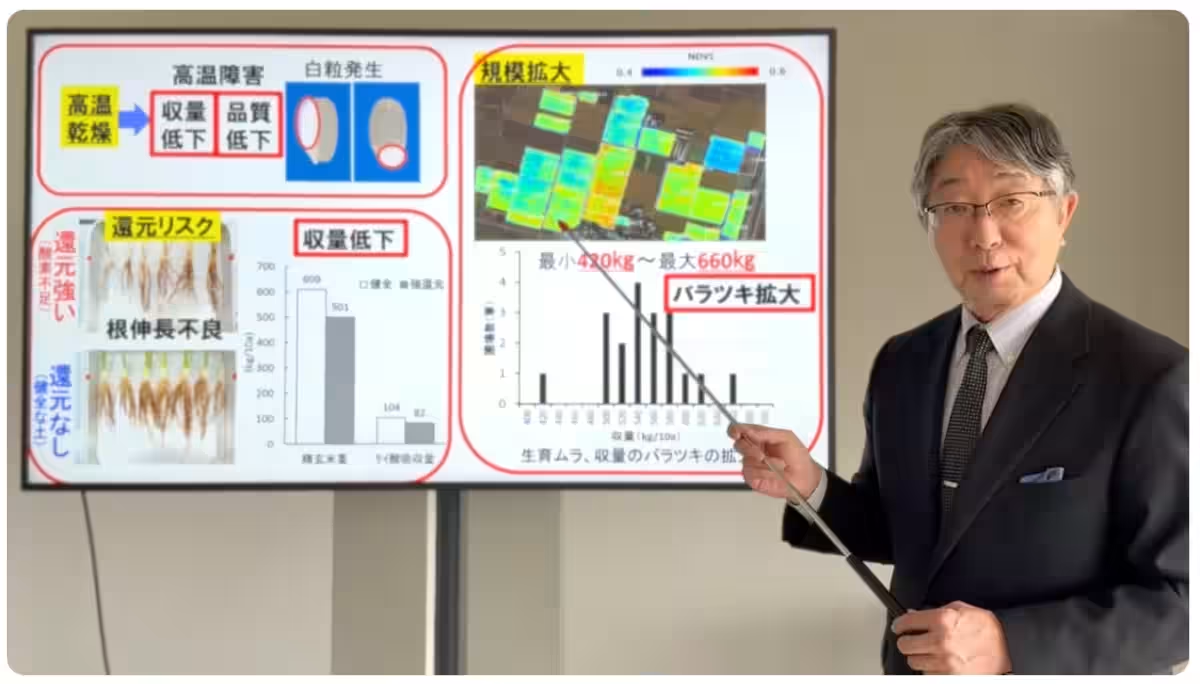
The unprecedented rise in temperatures due to climate change presents a critical challenge for rice farmers. High temperatures lead to diminished quality and yield, fluctuations in growth due to varying field conditions, and significant issues related to soil management. To combat these pressing concerns, the academy will deliver comprehensive support through expertly-guided seminars, contributing to sustainable rice production in Japan.
Participants can also benefit from engaging as groups through agricultural cooperatives, production associations, or local government entities, thereby amplifying the reach of this crucial knowledge.
Expert Instruction from Renowned Consultant
The sessions will be conducted by Hiroshi Fujii, chairman of Farm Frontier Co., a recognized agricultural consultancy firm, and a visiting professor at Yamagata University. Fujii's expertise is highly sought after across Japan, where he frequently shares insights through various seminars, including recent successful workshops focused on high-temperature strategies. This is an opportunity for farmers to learn practical skills that can be applied in the field starting this spring.
Key Features of the Seminars
1. Practical Lectures by Specialists
Fujii will cover essential strategies for managing heat-related risks comprehensively. From nurturing healthy seedlings to creating root systems that absorb water effectively, he will guide attendees through critical aspects like determining optimal drying times and utilizing silica for soil improvement to ensure that this year's cultivation efforts are informed and effective.
2. Completely Online and Easy to Access
Recognizing the busy schedules of farmers during the spring season, the seminars will be fully accessible online. Participants can log in from home or the field using their smartphones or computers. With access to supplementary materials and archived recordings, attendees can review content at their convenience, ensuring they don’t miss any crucial information.
3. Ample Q&A Time to Address Your Concerns
Each session will include an extended Q&A portion, allowing participants to clarify doubts and gain personalized insights on their own agricultural practices. With tailored checklists for self-assessment and inquiry, farmers can ensure they are implementing the best strategies for their circumstances.
Seminar Curriculum Overview
- - Session 1 (March 24): Understanding Persistent Heat Risks and Production Challenges
- - Session 2 (March 25): From Insights to Strategies
- - Session 3 (April 6): Innovating Seedling Growth and Initial Development
- - Session 4 (April 7): Preparing for High Temperatures and Drought
Instructor Profile: Hiroshi Fujii
Hiroshi Fujii was born in Sakata City, Yamagata Prefecture, in 1956. After graduating from Iwate University with a degree in agricultural chemistry, he worked for the Yamagata Prefecture from 1979 until 2005. He then became a professor at Yamagata University until 2020, when he left to found Farm Frontier Co., focusing on training and lecturing for rice farmers. Since then, he has continued to contribute as a visiting professor at Yamagata University and shares insights through his ongoing column in the Japan Agricultural Newspaper.
Event Details
- - Name: Future Rice Academy
- - Organizer: Japan Agricultural Newspaper Co., Ltd.
- - Schedule: March 24 & 25, April 6 & 7, 2026, from 13:30 to 15:40
- - Format: Online via Zoom, with recorded sessions available
Registration Fees (Tax Included)
- - Individual Participation:
- All 4 sessions: 15,000 yen
- - Group Participation:
- All 4 sessions: 150,000 yen
Groups can utilize these fees regardless of participant numbers, provided they gather individuals from agricultural cooperatives, production associations, or local governments.
For more details and to register, please visit our official site.
For inquiries, contact the Solutions Department at Japan Agricultural Newspaper Co. via email: [email protected] (replace (at) with @).
About Japan Agricultural Newspaper
Japan Agricultural Newspaper is the only daily newspaper in Japan specializing in agriculture. Since launching as 'Market Information Report' in 1928, it has been providing comprehensive content related to food and farming, adapting to the digital landscape through various multimedia channels, seminars, and initiatives supporting digitalization in agriculture.

Topics Other)
【About Using Articles】
You can freely use the title and article content by linking to the page where the article is posted.
※ Images cannot be used.
【About Links】
Links are free to use.