



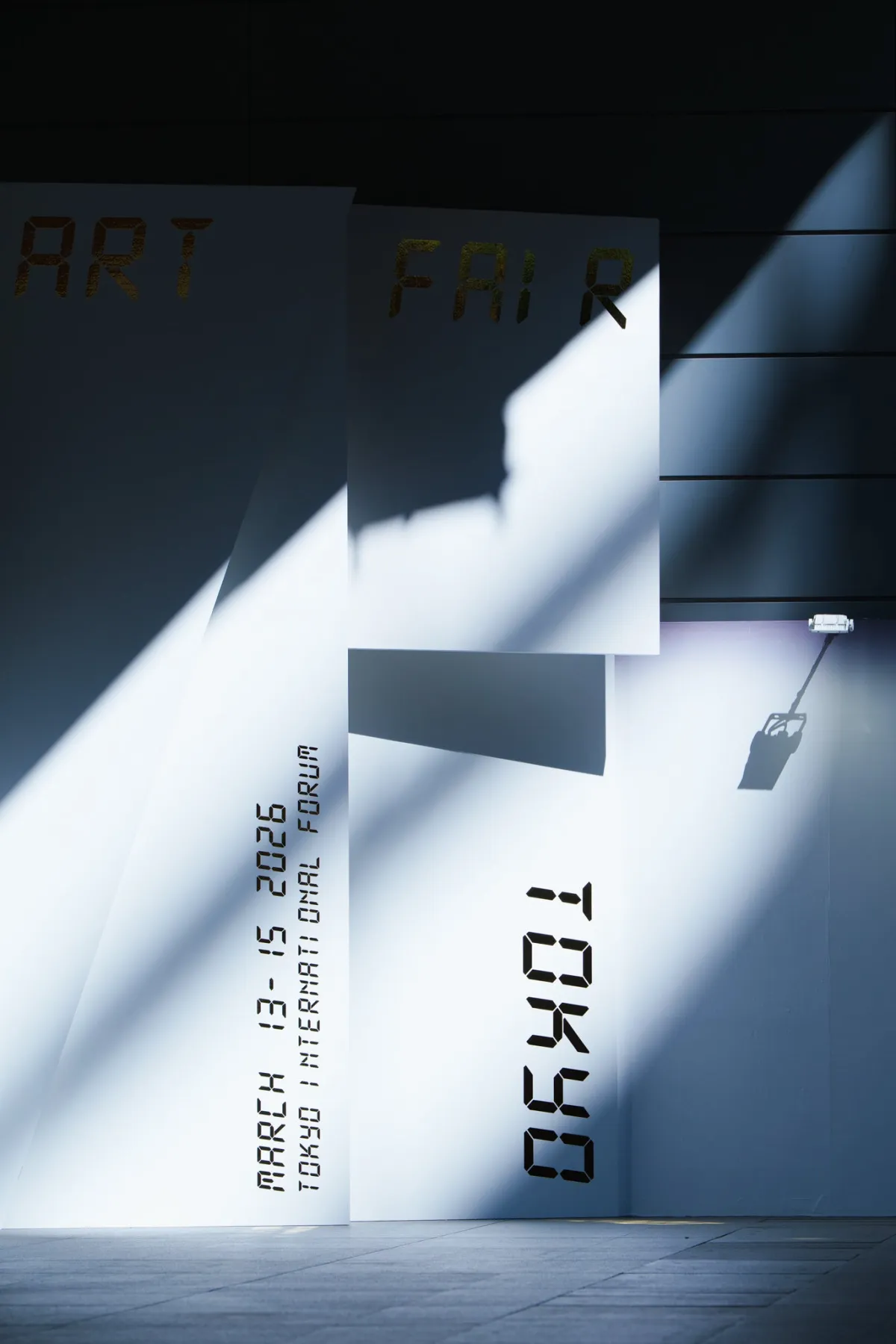
The Successful Art Fair Tokyo 20: Growth in Attendees and Sales Reflects Japanese Art Market Resilience
Art Fair Tokyo 20 Concludes with Record Attendance and Sales
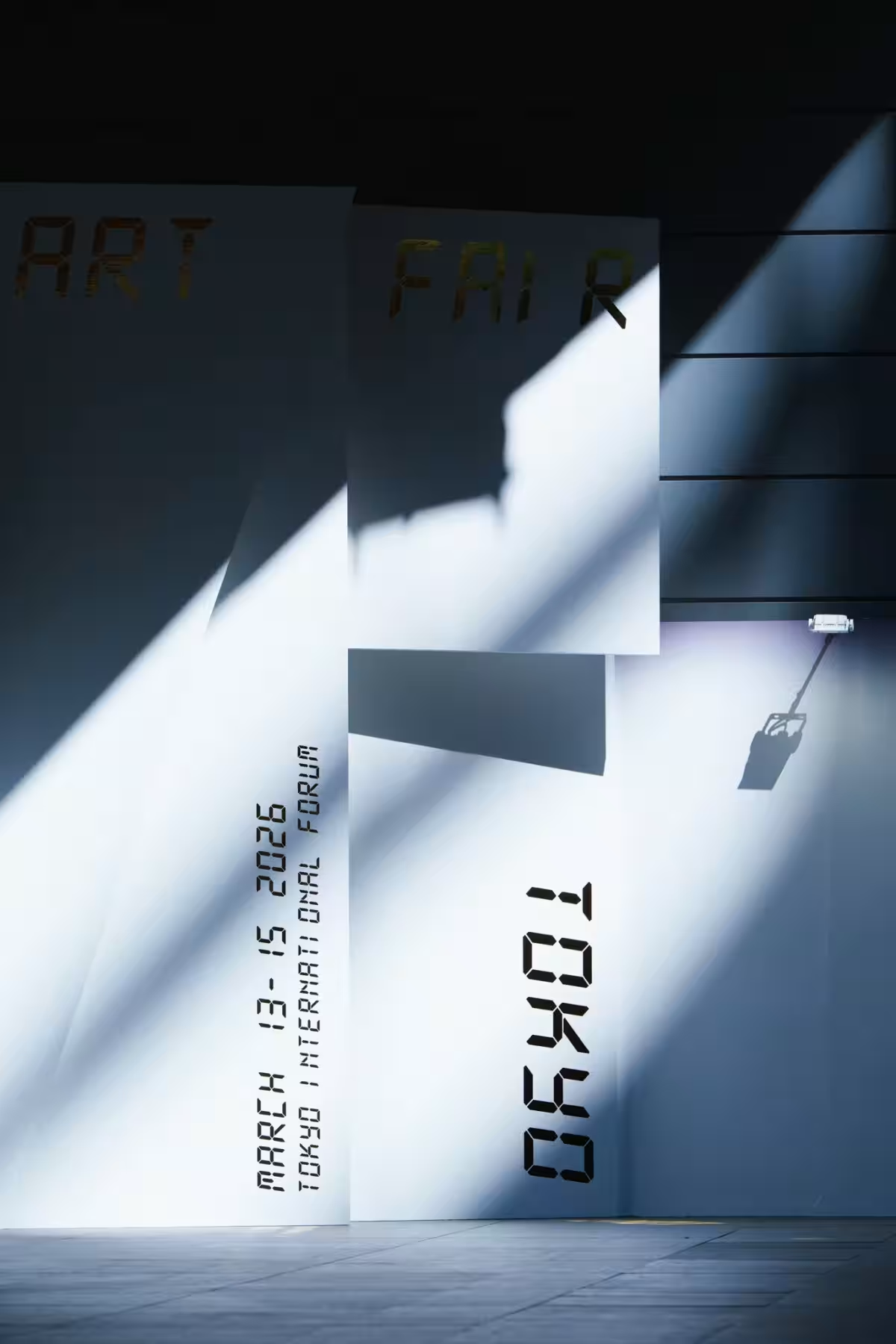
The recently concluded Art Fair Tokyo 20, held from March 13 to 15, 2026, showcased the vibrancy of the Japanese art market. Organized by A Tokyo Inc., the event attracted 56,938 attendees, marking a significant 27% increase from the previous year. This year’s fair featured 141 exhibitors, and the total sales reached an impressive approximately 3.65 billion yen, an increase of 28.1% compared to last year.
The fair was not just an exhibition but a well-rounded platform, enhancing relationships among collectors, stakeholders, and art enthusiasts. The increase in ticketed visitors and outstanding sales figures underscore Tokyo's robust art market, which continues to flourish despite the global economic challenges that have affected markets worldwide.
Displaying Japanese Talent
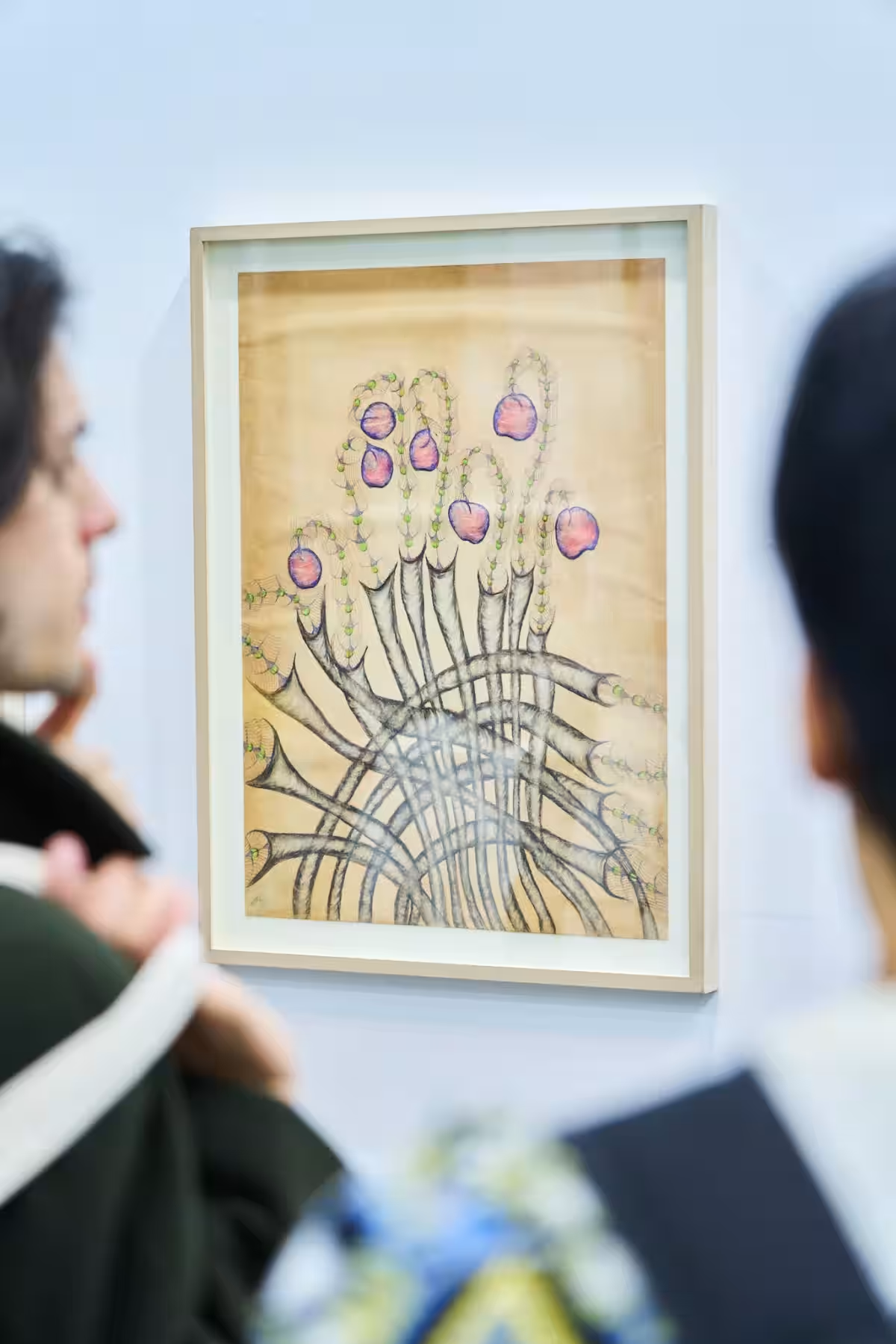
During the three-day fair, several noteworthy transactions occurred, particularly with notable works by Katsushika Hokusai and contemporary artists like Takeshi Hayashi and Bernard Buffet. The transactions across multiple booths demonstrated both the depth and resilience of the Japanese gallery scene, showcasing a strong market perspective despite global caution.
At TARO NASU, the domestic and international interest surrounding Lawrence Weiner’s work stood out, highlighting the gallery's aim to connect younger collectors with editions of famous works. The gallery expressed its commitment to expanding access points for new generations to art, emphasizing the fair's role as a venue for both sales and engagement.
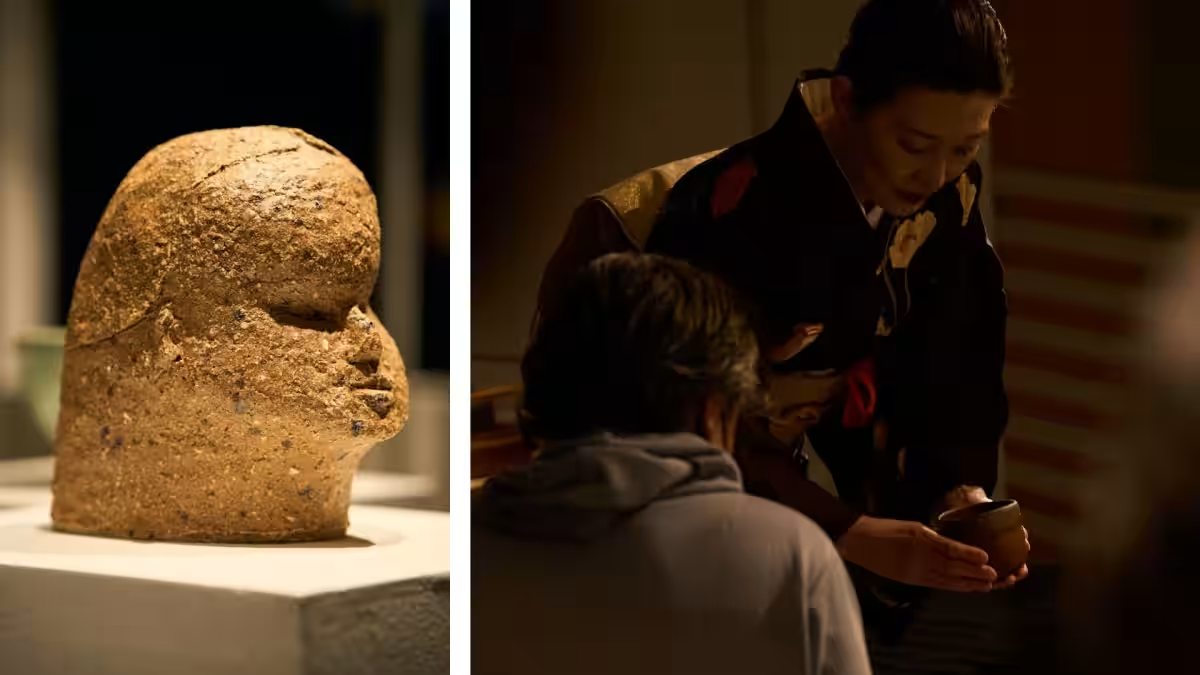
Similarly, Yanaigase Gallery caught attention with Moruichi Kumagai’s work, while Hōmandō presented pieces from Sōsuke Tōkawa, a notable cloisonné artist, indicating that enthusiasm for modern Japanese art persists. The participation of new European clientele reflected a growing global interest in contemporary Japanese art, with galleries sensing a broader appreciation across regions.
Supporting Emerging Artists
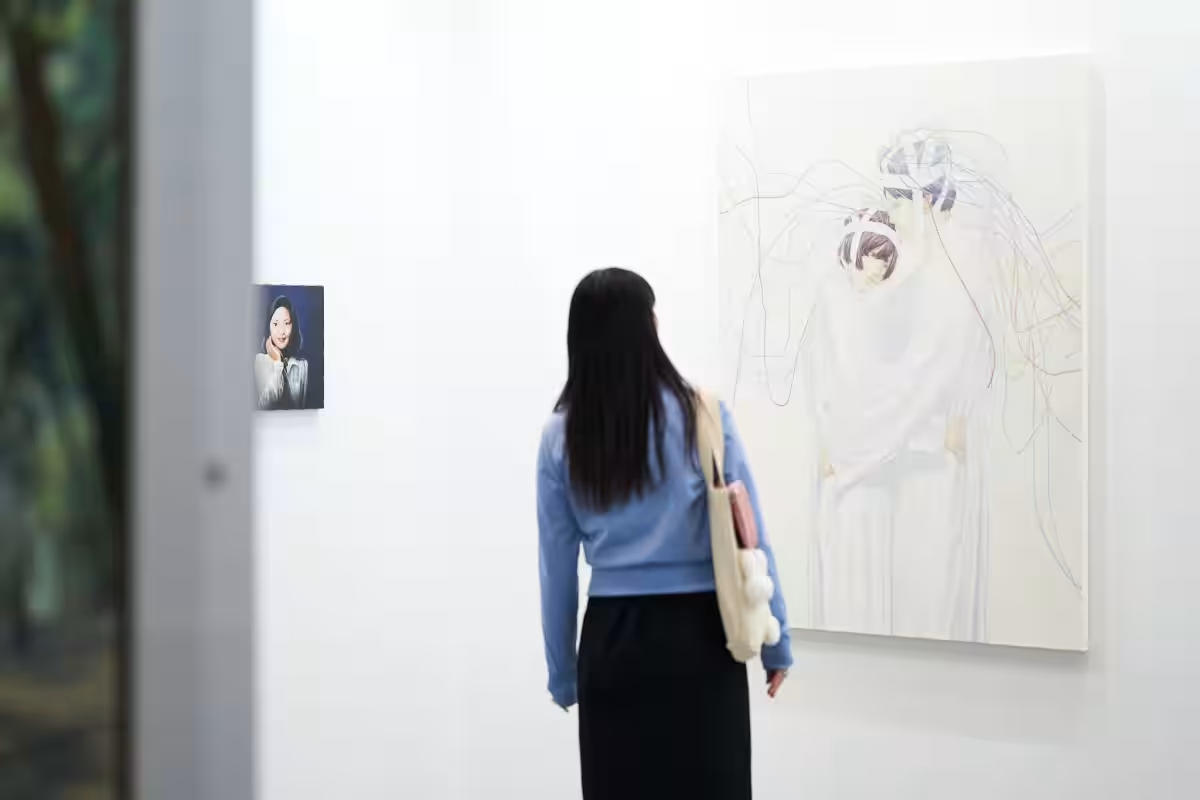
A significant highlight of the fair was the presentation of young artists, like Saki Maeda, which drew large crowds. The MISA SHIN GALLERY stated that interactive experiences and the high level of engagement from visitors contributed to a success, with Shigahara Yuka’s works selling out during the event. The fair successfully showcased artworks that resonated across generations, reflecting the diverse spectrum of interests from the audience.
Shugo Arts also provided unique insights into art history by exhibiting Kan Yasuda, and the response to works by Shigeru Onishi, Nagato Nakamura, and Robert Wilson at MEM reflected the evolving nature of Japanese art markets and its potential future directions.
Enhancing Experience Outside the Fair
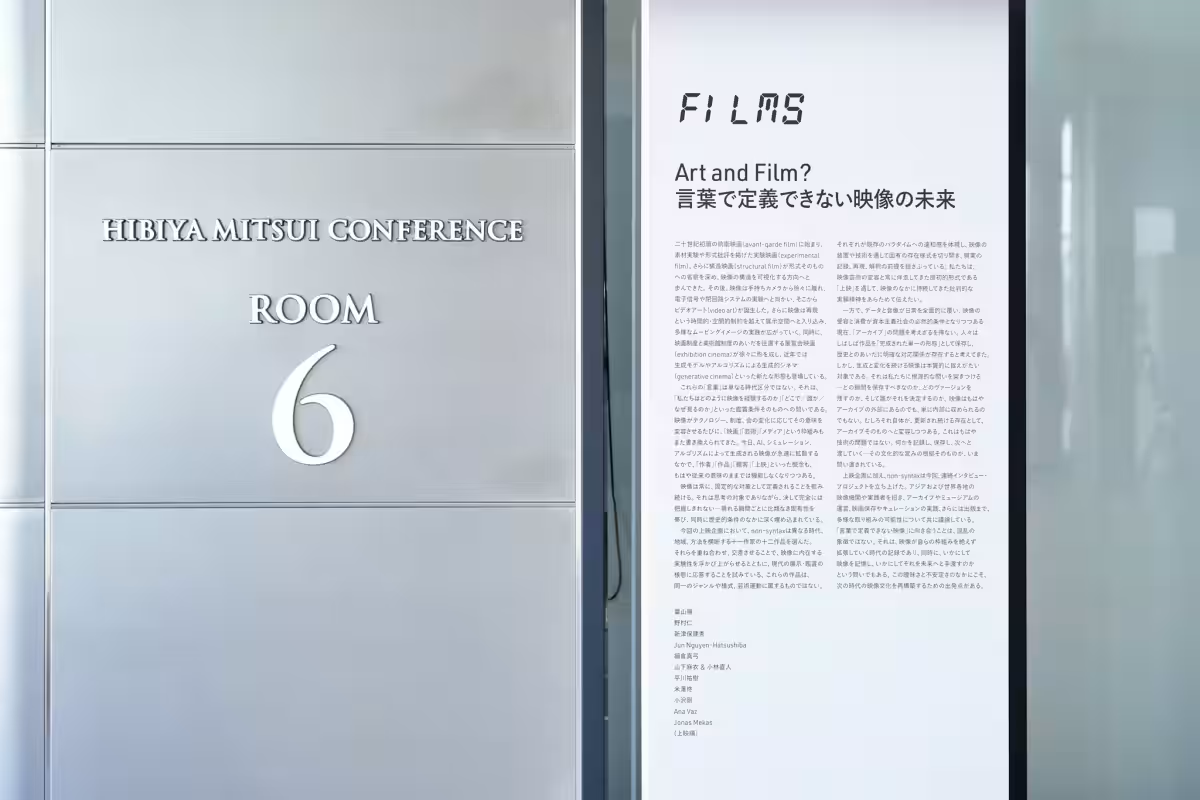
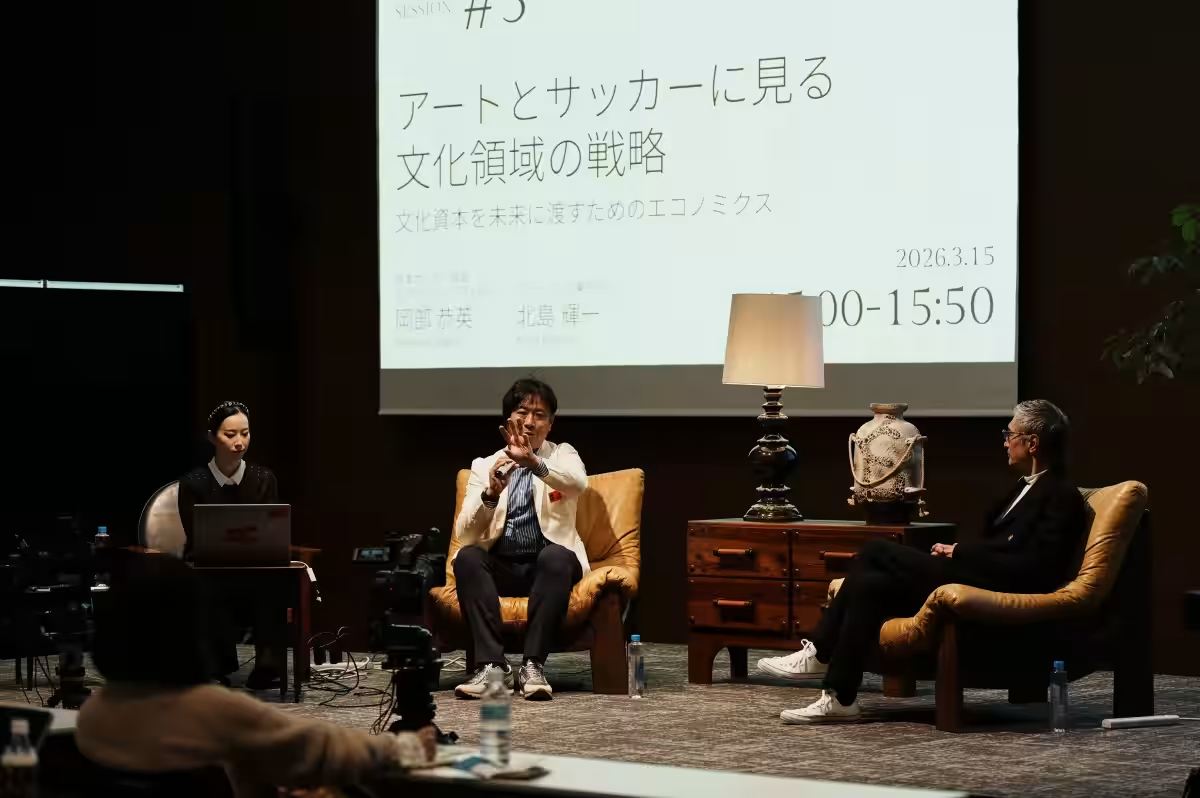
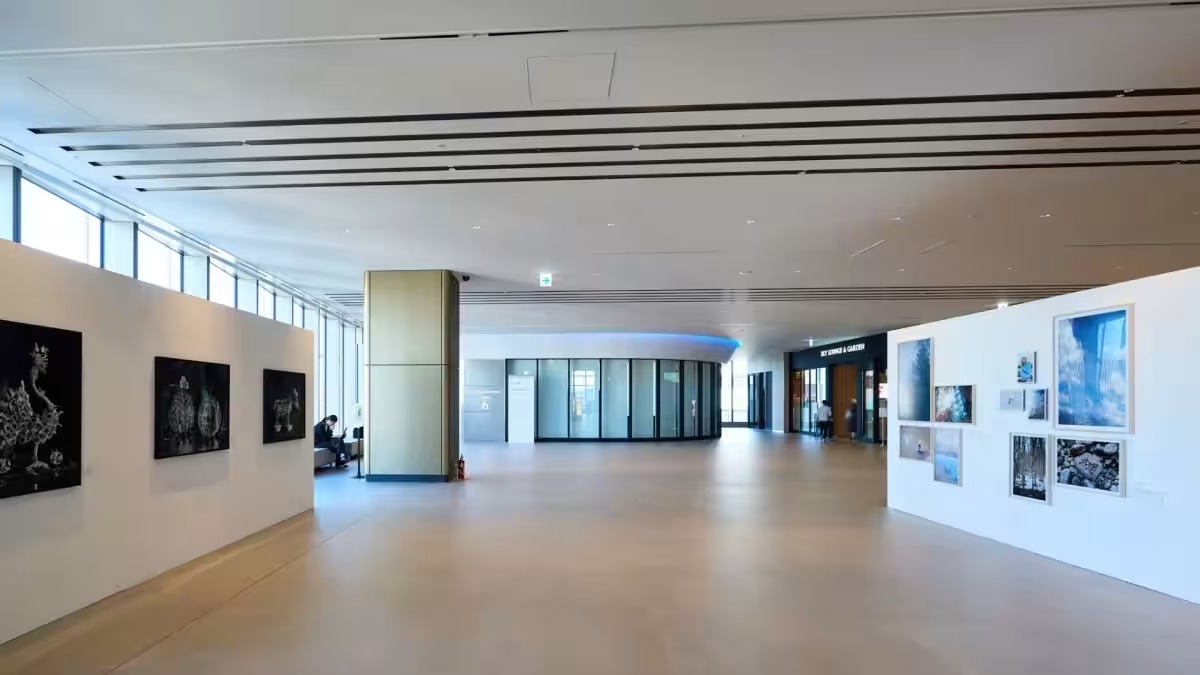
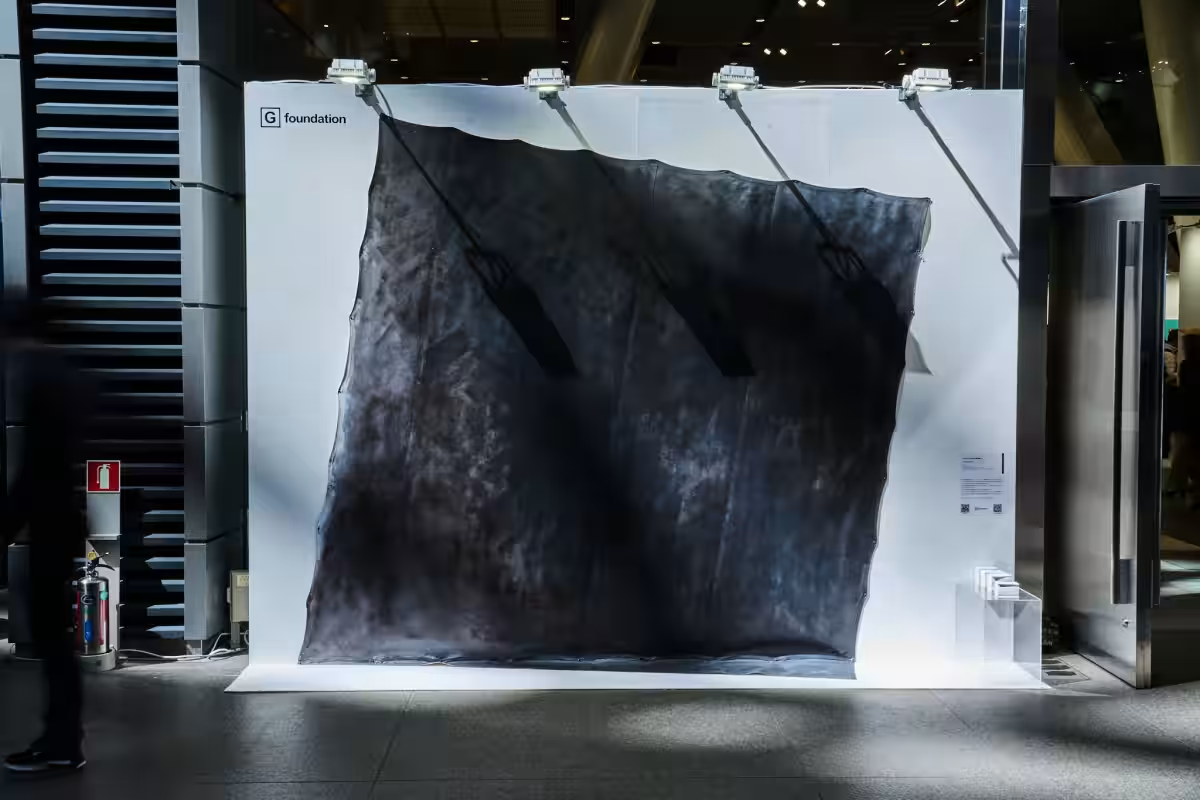
This year marked a significant reinforcement of programs outside the fair, in collaboration with Mitsui Fudosan Co., Ltd. A film program named ‘Films’ was held at Tokyo Midtown Hibiya, expanding the reach of the fair beyond its physical space. Another initiative, the official talk series “Dialogue: ASK ART, WHY?”, brought together voices from AI, sports, law, bodily expression, and design, making it a notable engagement point that illustrated the intersection of art and societal discourse.
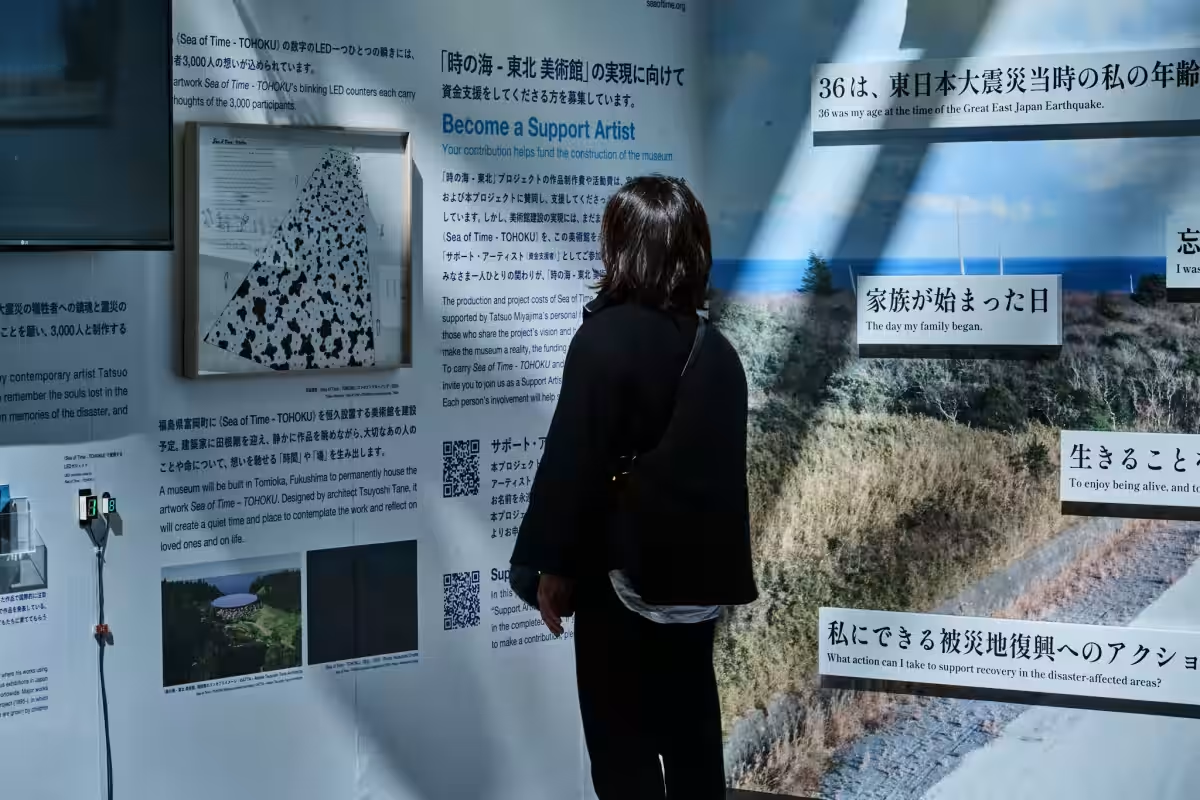
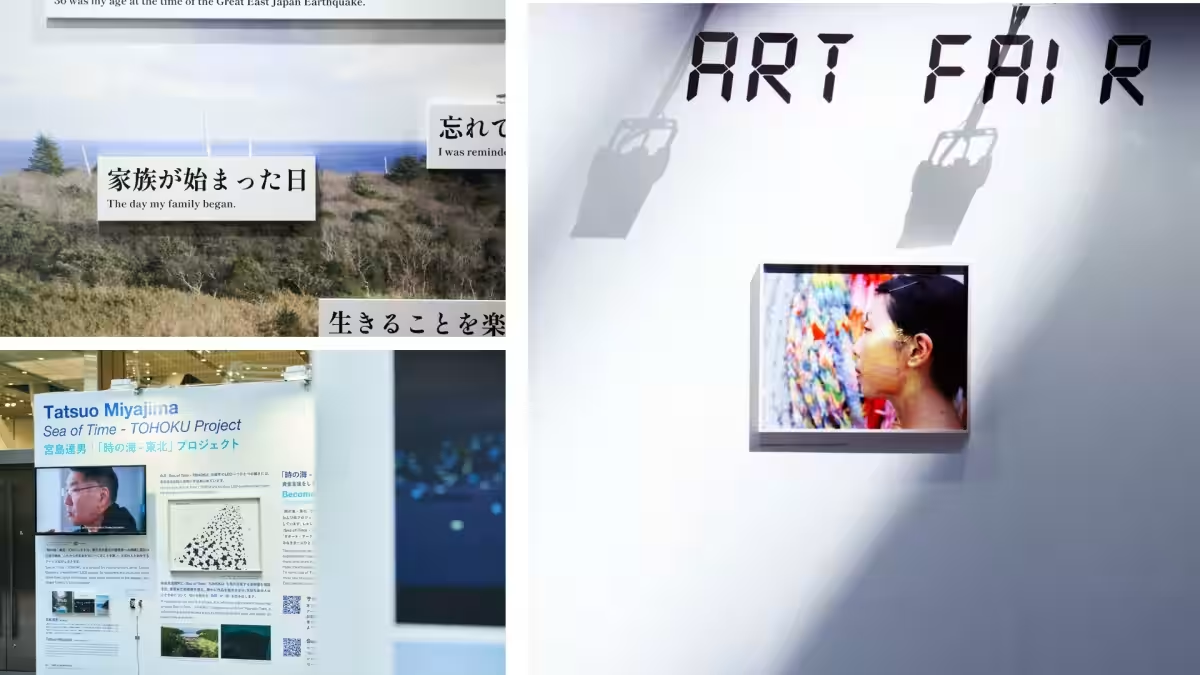
The structure of this year's initiatives also included showcasing Tatsuo Miyajima’s work as the central visual presentation, symbolizing the fair’s thematic emphasis on existence and connectivity.
Creating Unique Spaces for Collectors
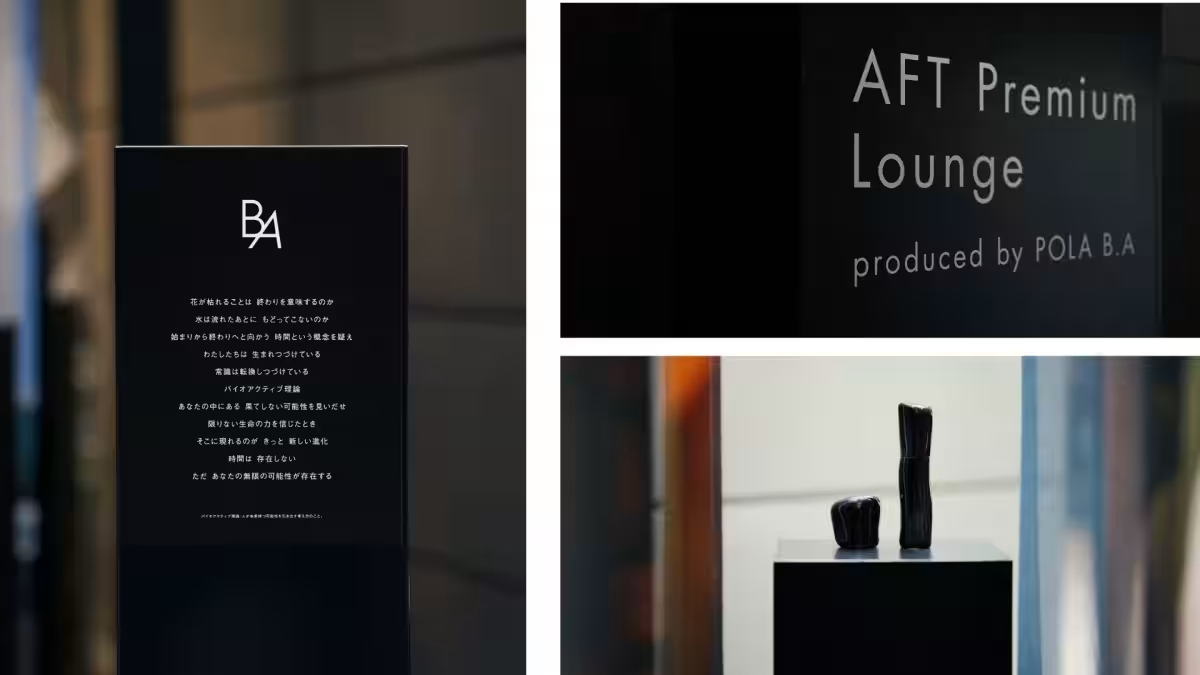
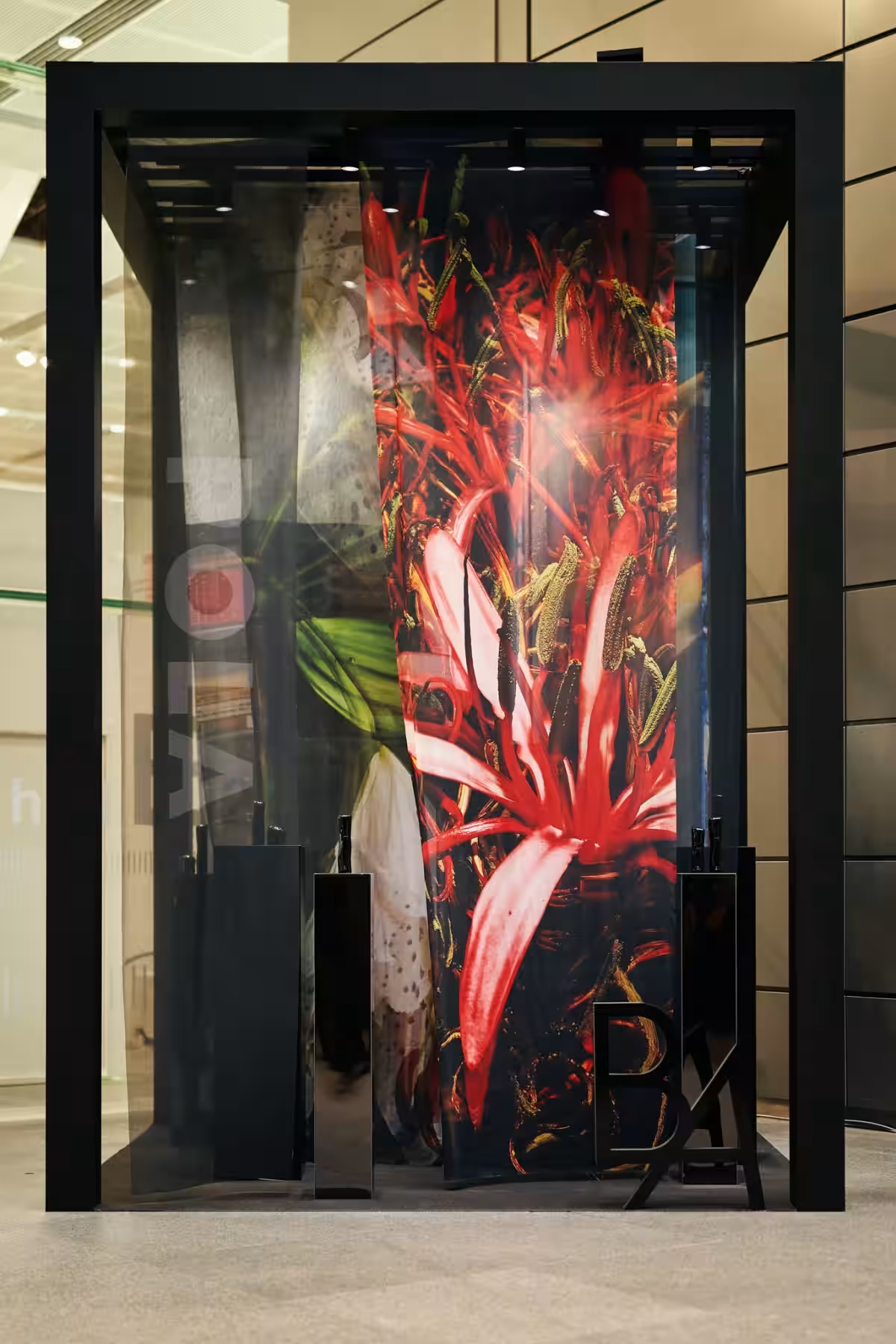
In its effort to celebrate collectors, the fair introduced a new section called **
Topics Other)
【About Using Articles】
You can freely use the title and article content by linking to the page where the article is posted.
※ Images cannot be used.
【About Links】
Links are free to use.