



Understanding Spring Skin Issues in Adolescents: A Comprehensive Study
The Surge in Skin Issues Among Teens: A Springtime Concern
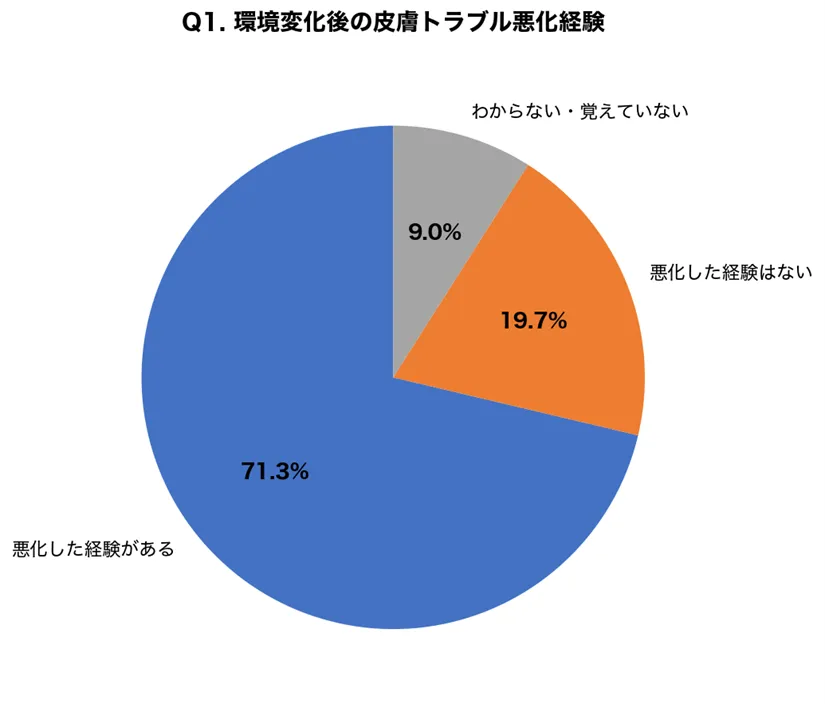
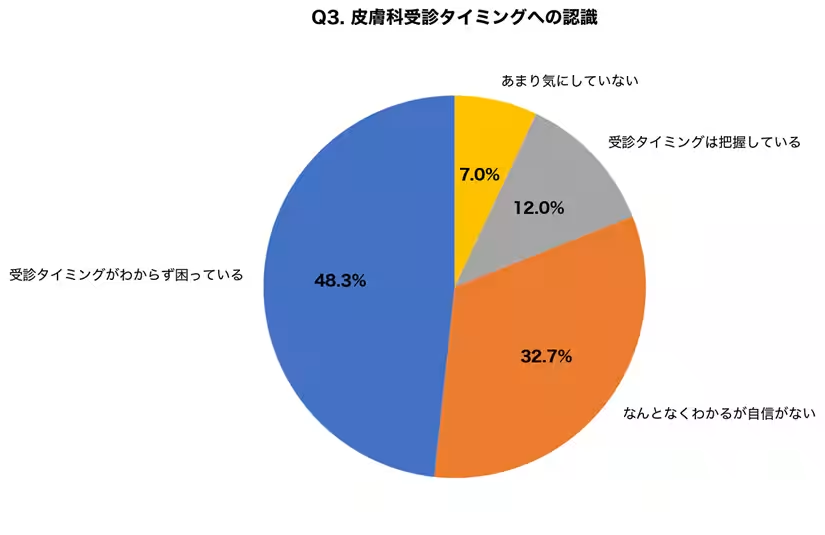
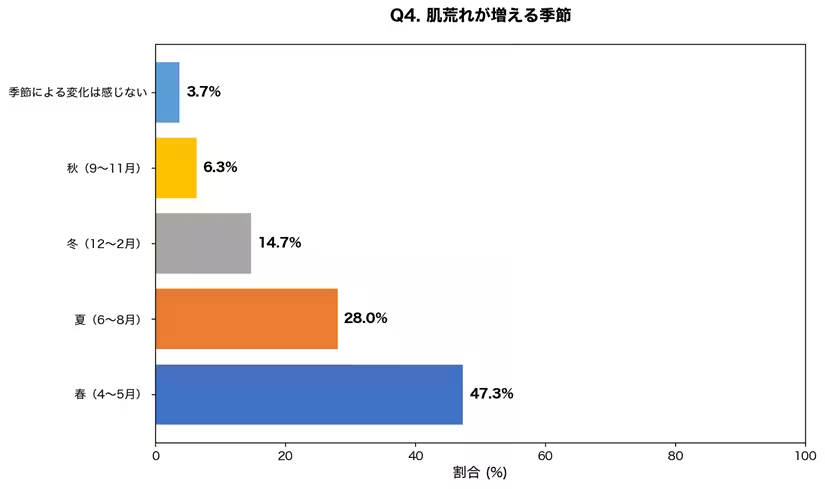
As spring unfolds, a significant increase in skin issues among adolescents has been observed, particularly after the transition to a new school year. A recent survey conducted by a prominent medical institution revealed that over 71% of teenagers experienced worsening skin conditions, mainly acne, after entering school. Parents, too, expressed their confusion regarding the appropriate timing for dermatological consultations for their children, with nearly 81% admitting uncertainty.
Key Findings from the Survey
The survey’s findings underscore a pressing need for awareness and proactive skin care among parents and adolescents alike. Notably:
- - 71.3% of teens reported an aggravation of skin troubles such as acne, sunburn, and rashes following their entry into academic settings.
- - A staggering 81.0% of parents are unsure about when to seek professional advice from a dermatologist regarding their child’s skin issues.
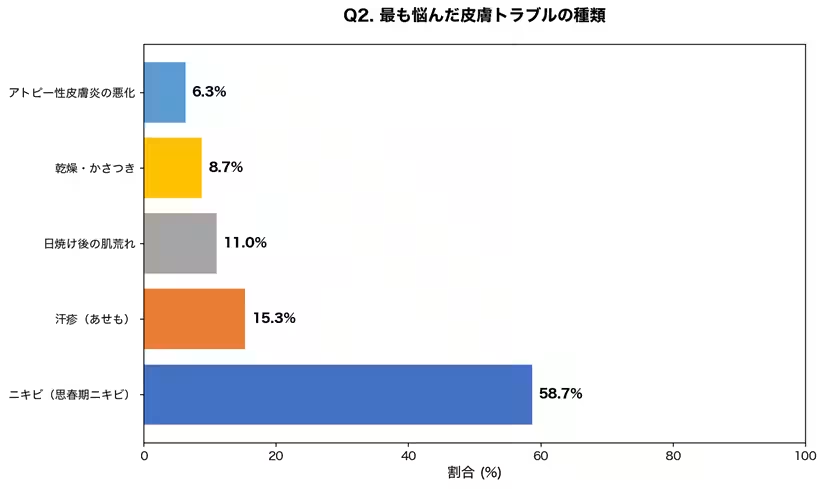
- - The majority of adolescents, approximately 58.7%, identified acne as their primary skin concern, with other issues like heat rash and post-sun exposure irritation following behind.
The Effect of Spring on Skin Health
Spring is not only a time of new beginnings in education but also a season that can significantly affect skin health due to environmental changes and heightened stress levels associated with these transitions.
The Seasonal Impact
Various factors contribute to the uptick in skin problems:
- - Increased Stress: New school environments and routines can exacerbate stress and lead to hormonal fluctuations, which are closely tied to the onset of acne.
- - Temperature Rises: The warmer weather introduces the potential for sweat rashes, particularly for those engaged in outdoor activities without proper clothing or skin care.
Furthermore, the moist and warm conditions prevalent during this season pose additional challenges, particularly for younger populations whose skin care needs often go unaddressed.
Understanding Key Skin Conditions
Acne
Acne, medically referred to as acne vulgaris, is prevalent among adolescents due to hormonal changes that ramp up sebum production and clog pores. Without proper intervention, this can lead to both physical and psychological scars, affecting self-esteem and overall mental health.
Thus, timely treatment is crucial. The recommended first-line treatments include topical retinoids like adapalene and benzoyl peroxide. In cases of severe acne, oral medications may also be warranted.
Heat Rash
Another common issue during this season is heat rash or汗疹 (asemo), resulting from blocked sweat glands. It manifests as small, itchy bumps primarily in skin folds. The preventive measures include ensuring breathable clothing and regular cleansing of perspiration.
Parental Awareness and Guidance
When to Seek Help
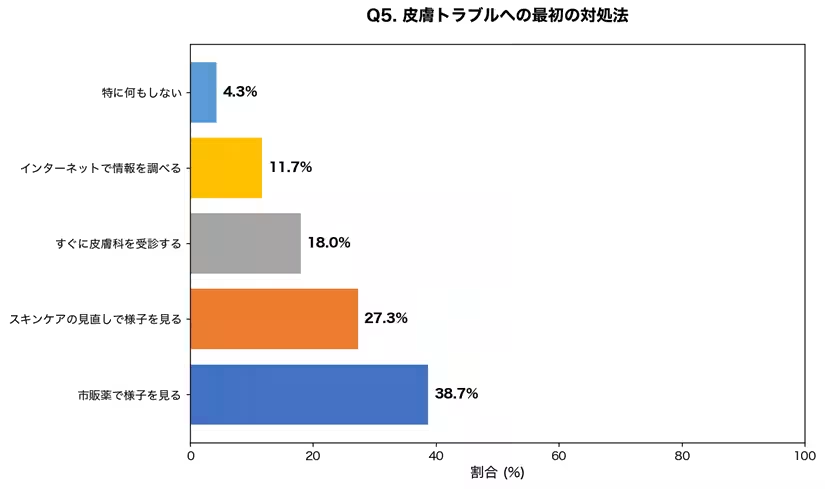
A recurring theme from the survey is the ambivalence felt by parents over recognizing when to take their children to a dermatologist. Contrarily, most skin conditions can be effectively managed or treated if caught early.
Recommendations for Parents
- - If a child's acne does not improve with over-the-counter treatments after one to two weeks, it's advisable to consult a dermatologist.
- - In cases of painful acne with associated pus or widespread skin irritation, professional attention is paramount.
Summary of Treatment Options
The primary treatments for common adolescent skin ailments include:
- - Acne: Topical medications (adapalene, benzoyl peroxide) and possibly oral antibiotics in severe cases.
- - Heat Rashes: Steroid creams for inflammation and keeping cool, breathable clothing.
- - Sunburns: Proper first aid, including moisturizing and protecting the skin from further exposure.
Conclusion
As spring progresses, it is vital for parents to stay vigilant about their children's skin health and established care routines. Early intervention can ensure that minor issues do not escalate into more significant concerns, preventing long-term damage and mental health impacts. Awareness surrounding appropriate treatment timelines and recognizing the signs of distress in adolescents will ease this seasonal burden significantly.
Expert Insights
Dr. Kouta Takakuwa from Icy Clinic emphasizes, “It’s essential to not dismiss the sight of acne as mere teenage issues. Effective treatment from the onset prevents lasting scars and supports the child’s confidence.”
Understanding these critical aspects provides a foundation for better skin health management in our youth during one of the year's most challenging times for their skin.
Topics Health)
【About Using Articles】
You can freely use the title and article content by linking to the page where the article is posted.
※ Images cannot be used.
【About Links】
Links are free to use.