



Exploring the Deep Connection Between Gen Z and Their Sports Heroes
Understanding the Relationship Between Gen Z and Their Sports Icons
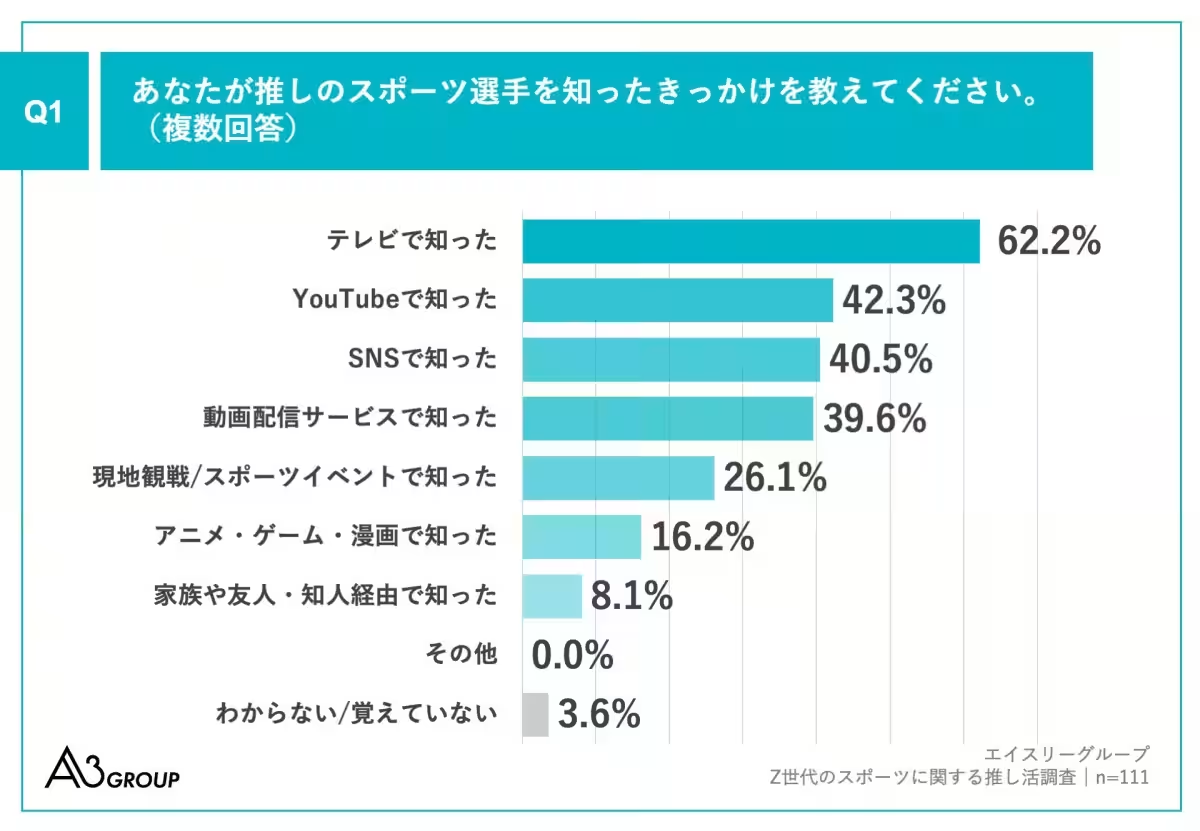
Recent research conducted by A3 and A3X in Shibuya, Tokyo, set out to delve into the relationship that Generation Z has with their favorite sports figures. Surveying 111 individuals aged 20 to 28, the findings unveiled intriguing insights about how this demographic interacts with sports and their idols.
Connection with Sports Icons
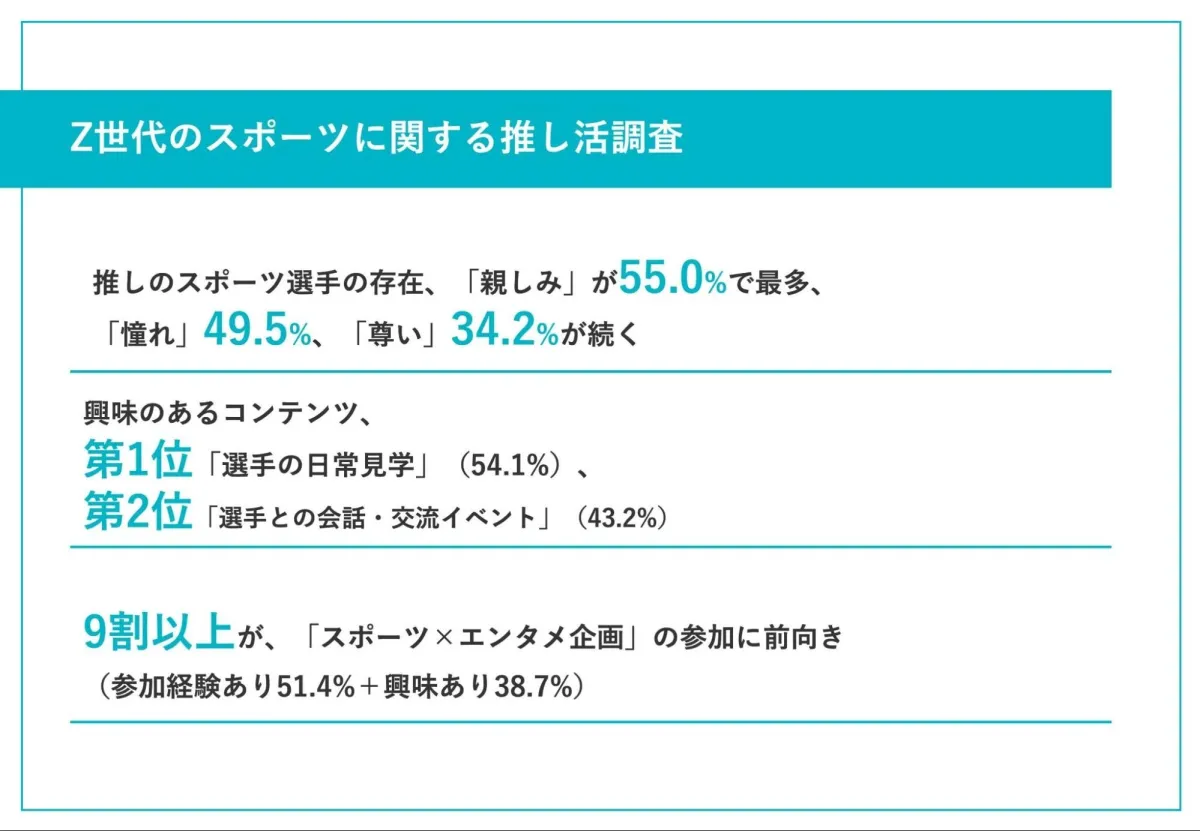
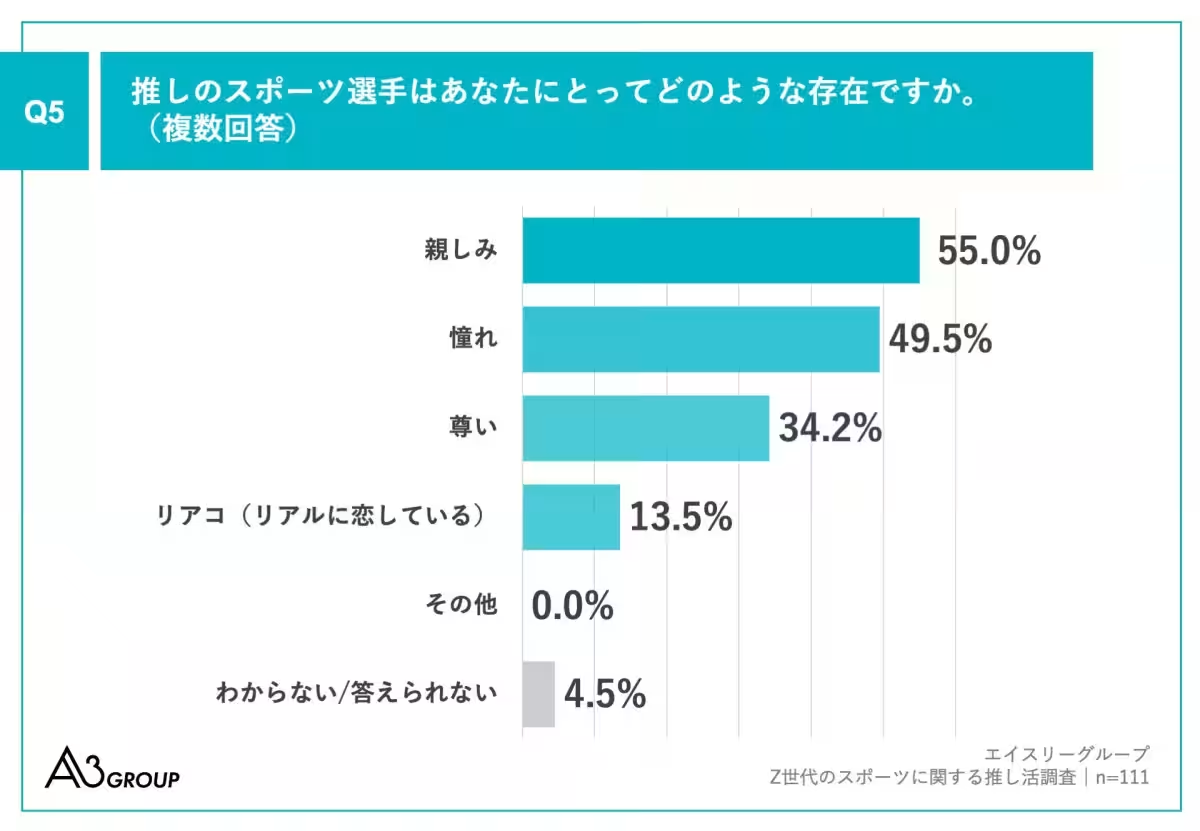
The data revealed that 55.0% of respondents view their favorite athletes as a source of familiarity, surpassing those who simply admire them at 49.5%. This indicates a shift from mere idolization to a more personal connection, reflecting a desire for relatable figures within the sports community. Furthermore, 34.2% stated they held a sense of reverence for their athletes, showing the varying depths of admiration present among fans.
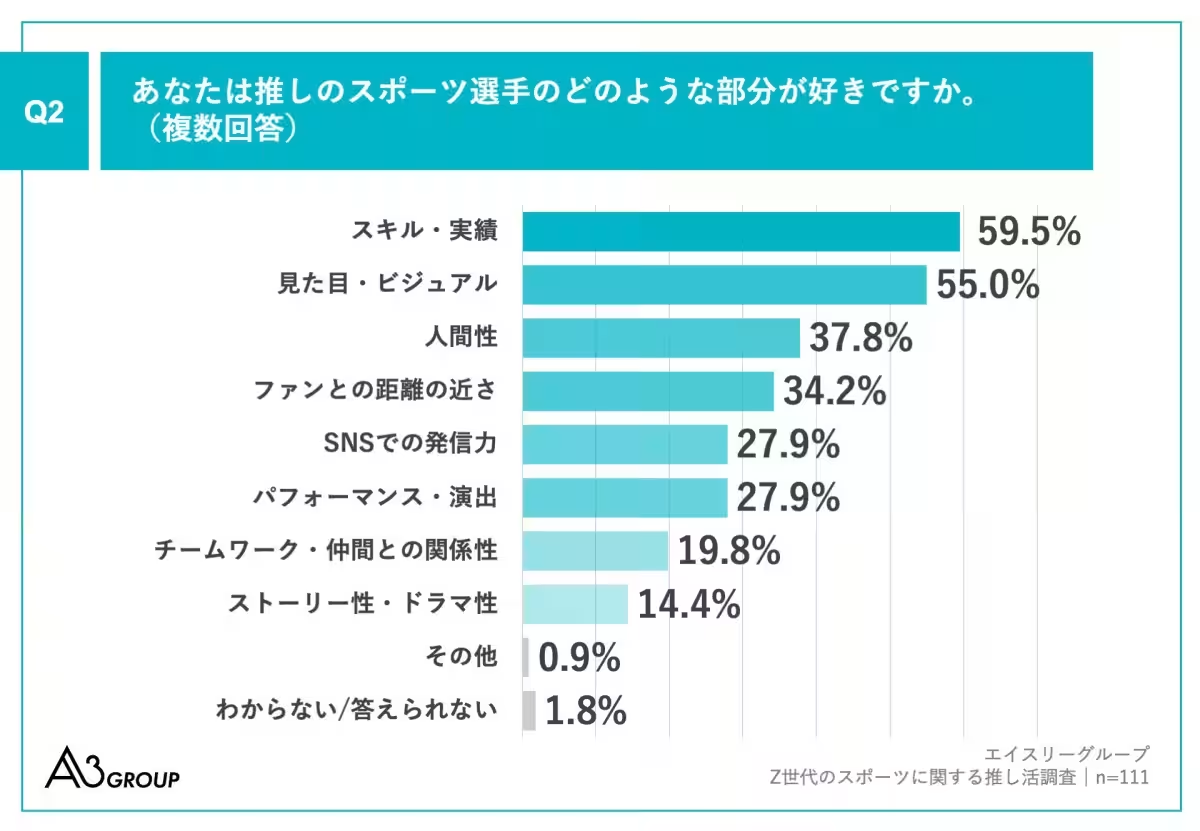
When asked what aspects they liked most about their favorite athletes, 59.5% appreciated their skills and achievements, and 55.0% were drawn to their appearance or persona. Intriguingly, 37.8% valued the human aspect of their favorite athletes, emphasizing the importance of personality and relatability in today’s sports landscape.
Interests in Sports Content
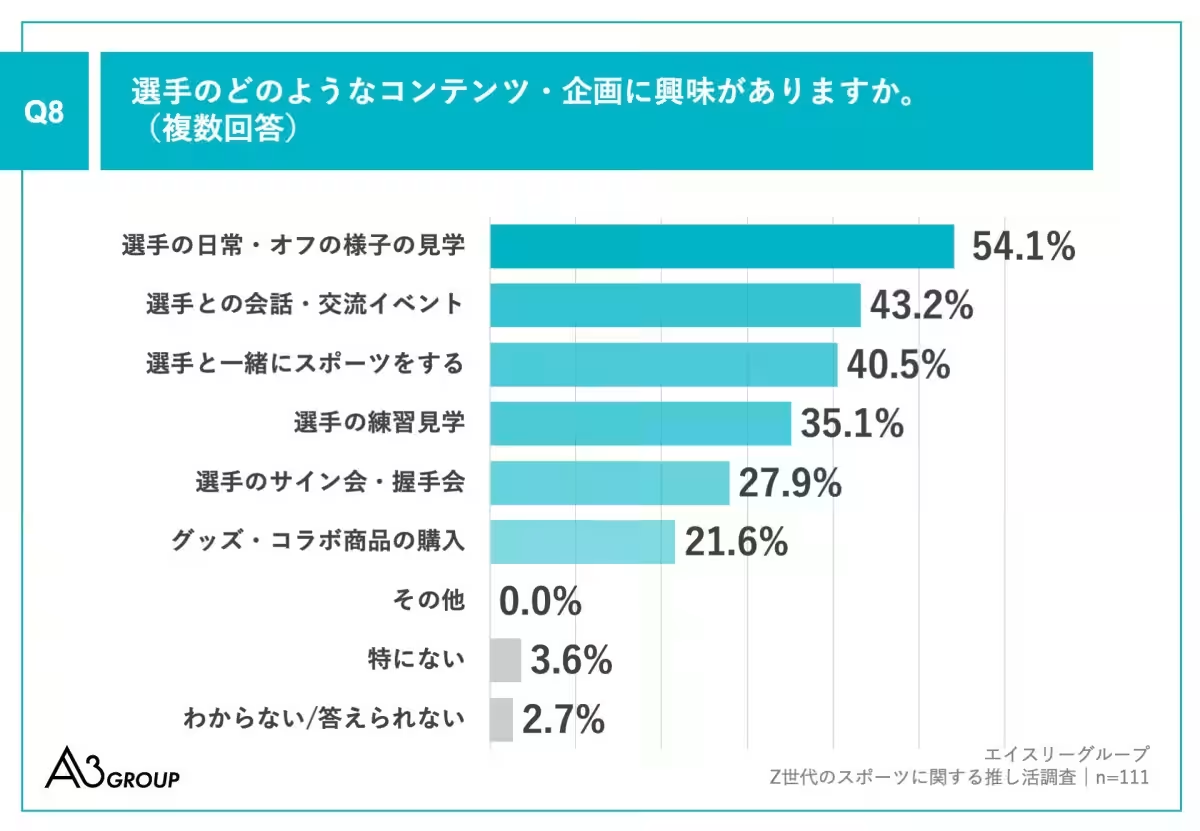
Engagement with sports continues to thrive among Gen Z, as seen in the survey’s findings regarding popular content preferences. Top interests include 54.1% desiring to observe the daily lives of athletes, and 43.2% eager for interactive events like conversations and exchanges with their favorite stars. These results highlight a growing trend where fans wish to experience a deeper connection with athletes outside of just game performances.
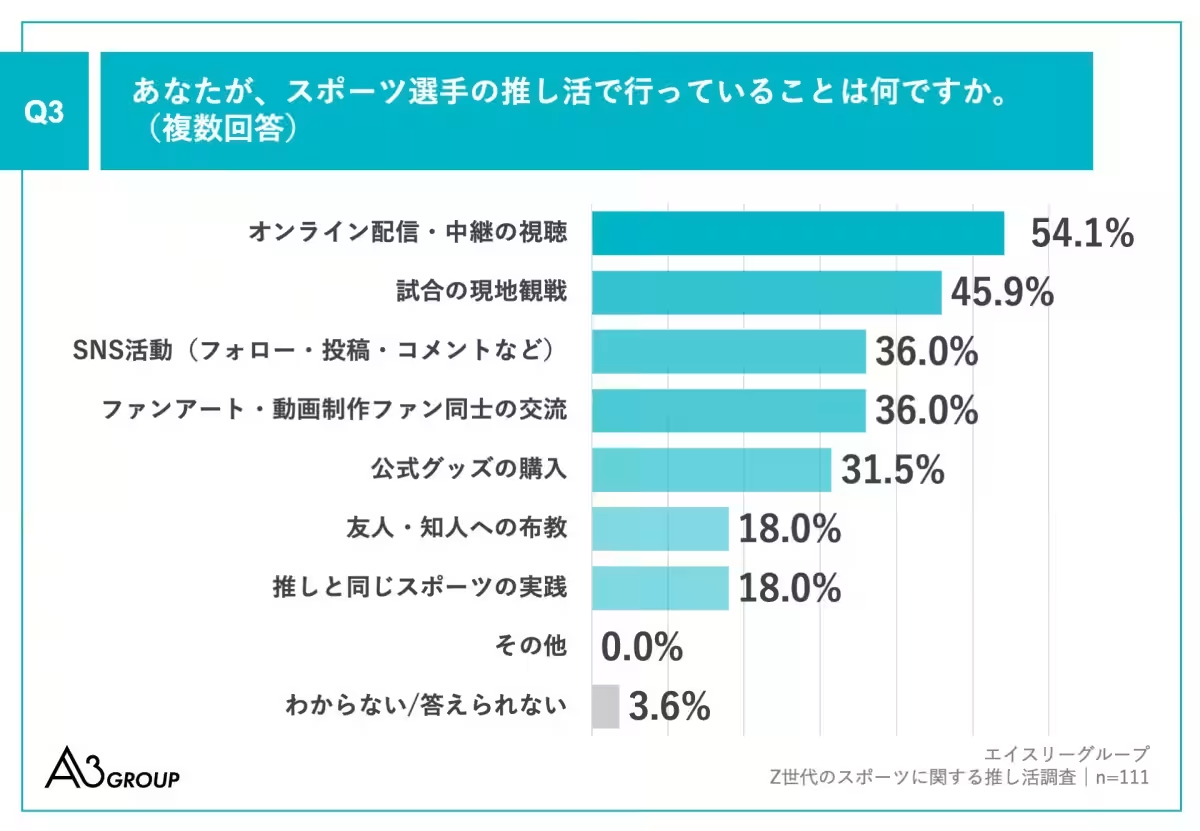
Additionally, the hybrid nature of fandom emerges, with 54.1% watching online broadcasts and 45.9% attending live events, showcasing a blending of digital and physical interactions as essential aspects of sports engagement.
Support and Shared Experiences
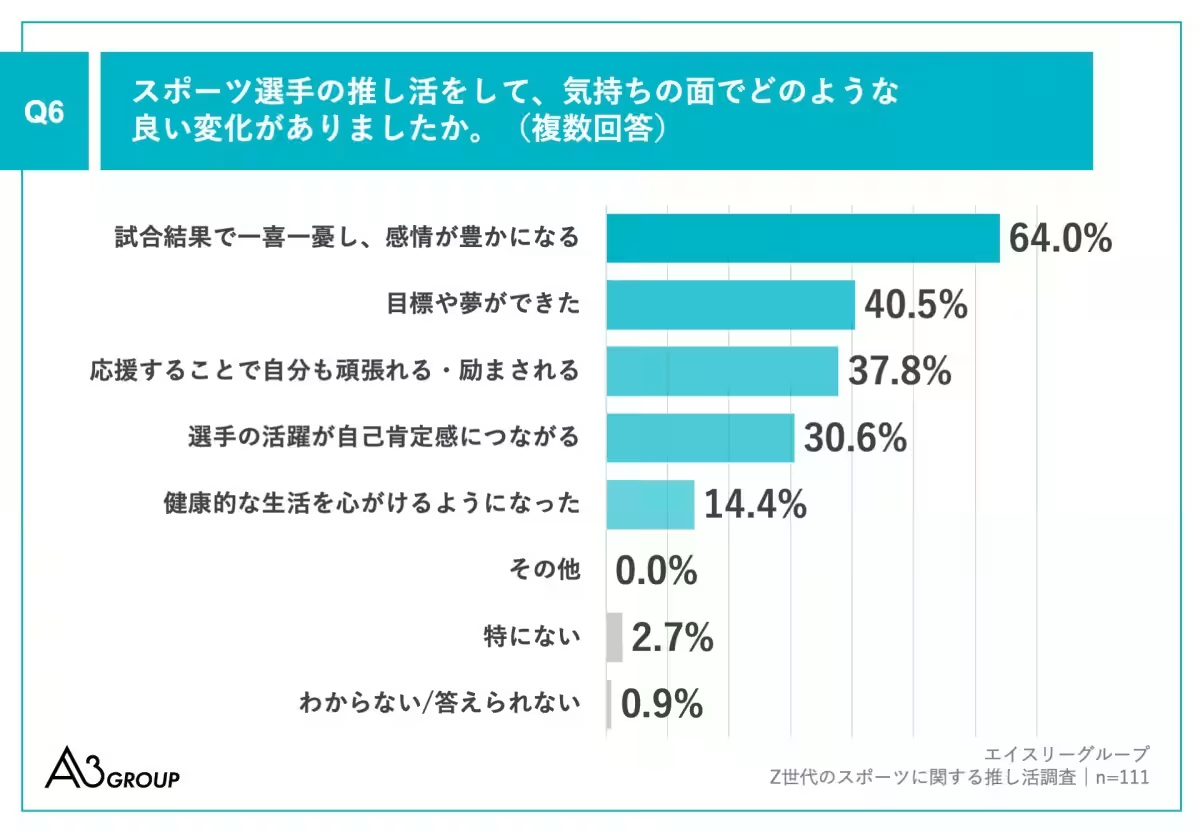
The implication of these insights extends beyond entertainment. An impressive 64.0% of fans reported that following their athletes led to heightened emotional experiences, fostering a richer emotional spectrum tied to game outcomes. Moreover, 40.5% acknowledged that their engagement provided them with new goals and aspirations, while 37.8% felt motivated to improve themselves through the shared experiences of supporting their teams.
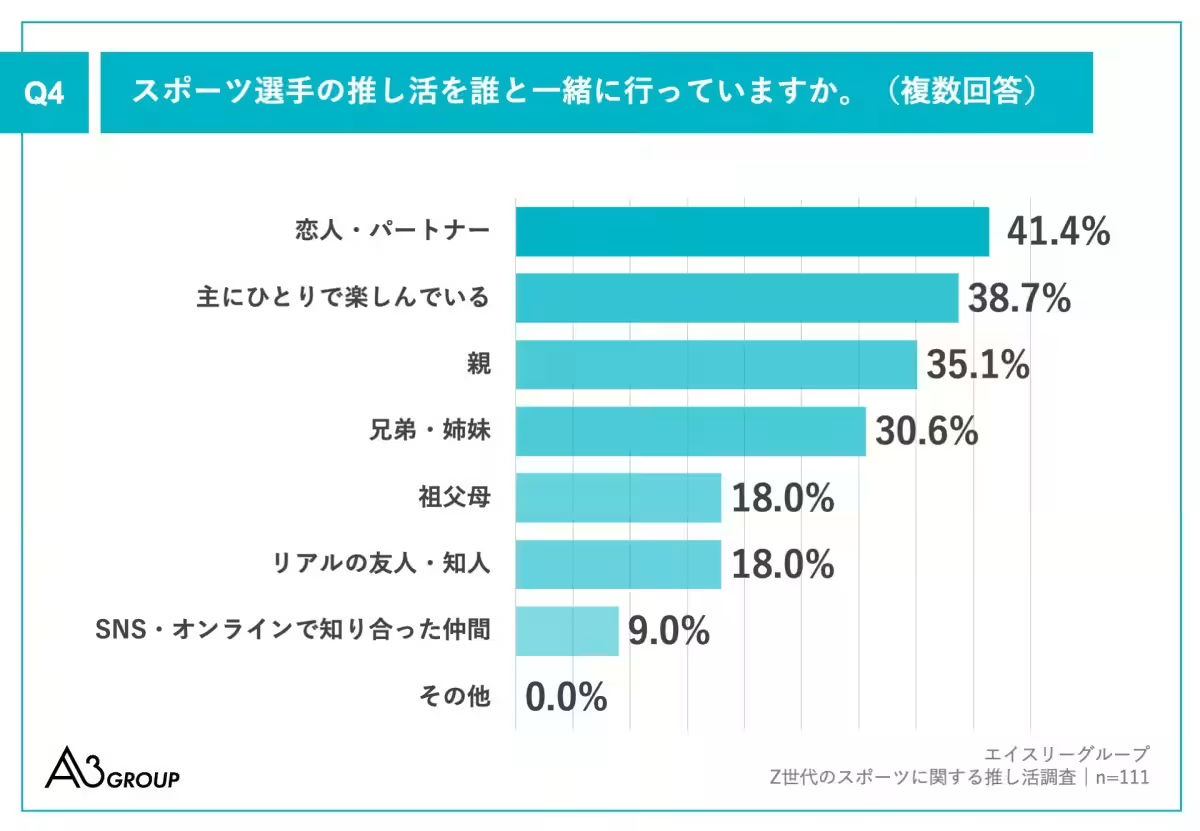
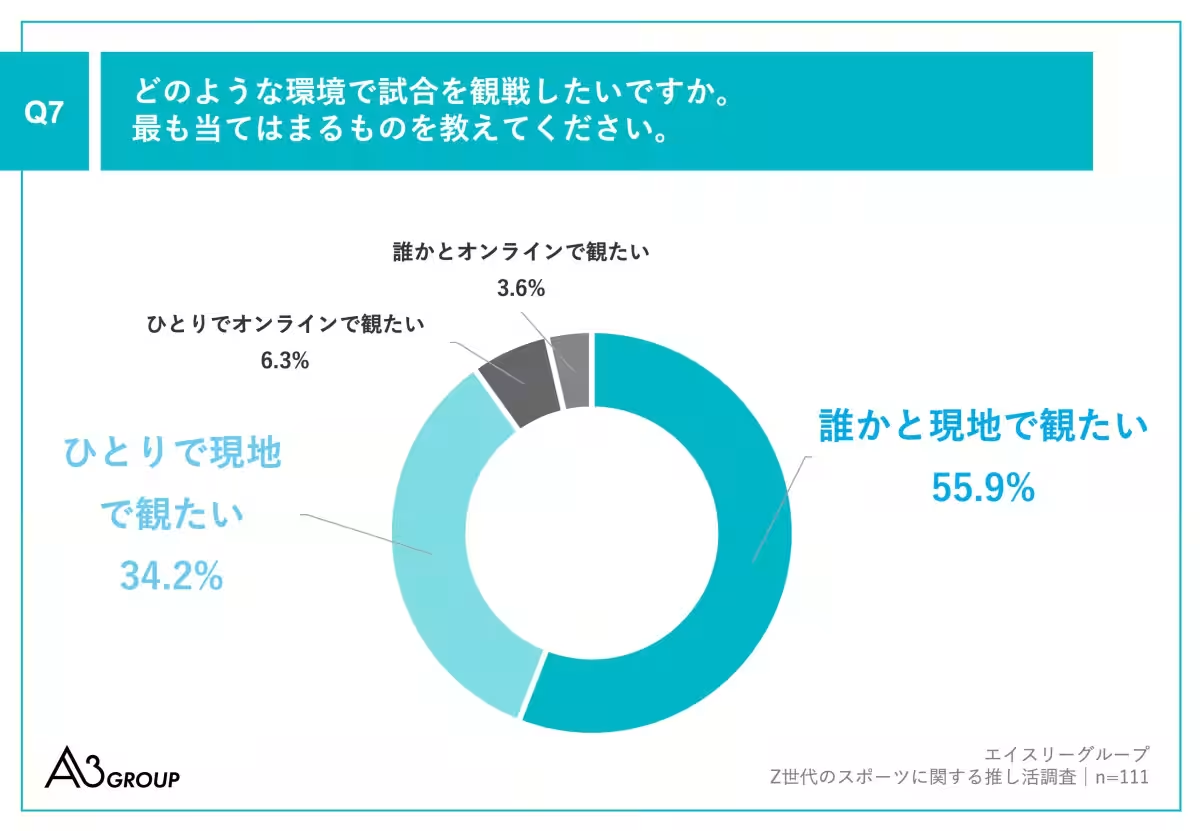
Interestingly, 41.4% of fans conduct their sports engagement with their partners, whereas 38.7% enjoy it individually. This suggests that while many value solitary experiences, there is a strong inclination toward shared enjoyment in sports.
The Demand for Innovative Experiences
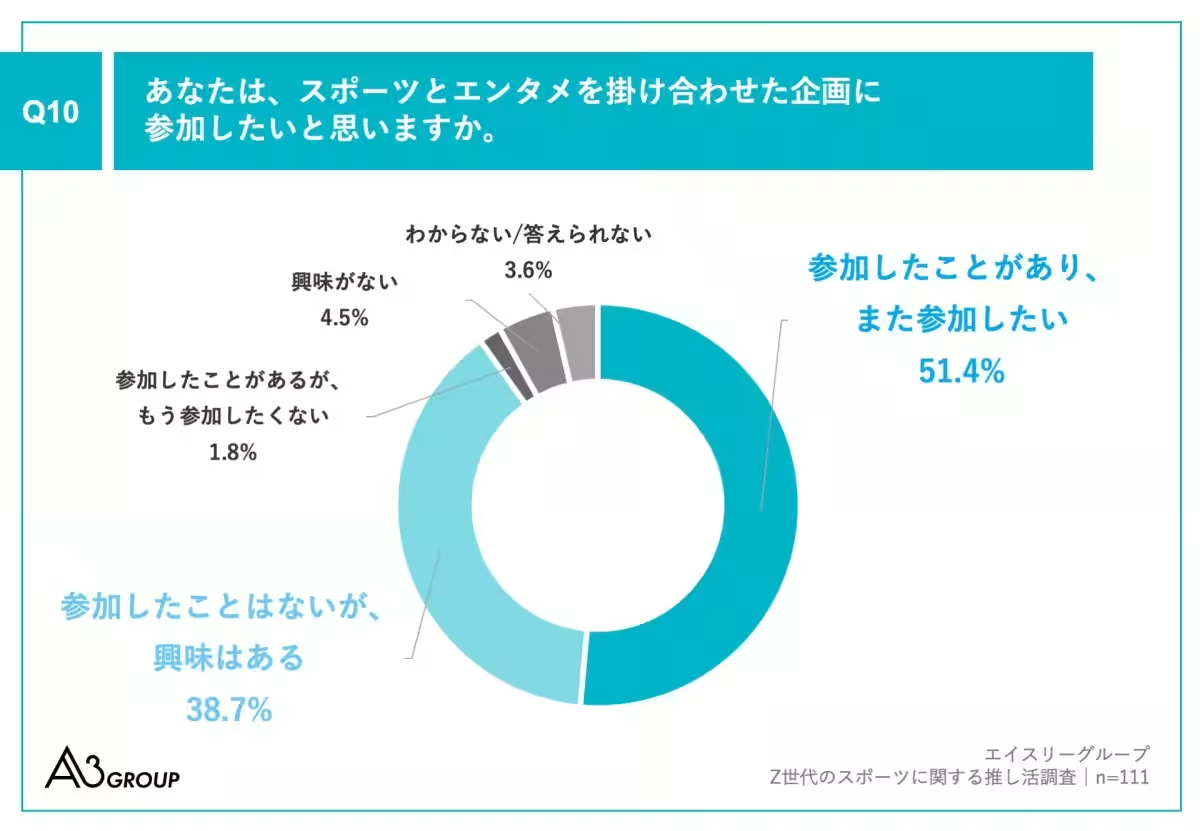
The survey also painted a picture of the types of events that resonate with Gen Z. Notably, 90.1% expressed a willingness to participate in innovative projects combining sports with entertainment, signaling a strong desire for unique and engaging fan experiences.
Among these interests, the allure of everyday athlete snapshots ranks high, with many expressing excitement about interactive events that allow for personal connections with athletes. Various suggestions, such as learning from athletes directly or sharing meals, further illustrate the demand for creativity in fan engagement practices.
Conclusion
This survey illustrates a substantial shift in how Gen Z interacts with sports and their favorite athletes. The data clearly underscores that this generation seeks more than passive consumption of sports; they desire shared experiences, emotional connections, and innovative engagement opportunities. Observing higher personal connection rates among fans signals an essential call-to-action for sports organizations and athletes alike to foster deeper relations with younger supporters. As the boundaries between sports and entertainment continue to dissolve, the opportunities for collaboration and the development of unique experiences will undoubtedly grow, leading to more robust connections within the sports community.
For more information on this survey and to access the complete findings, visit A3 Group's official document.


Topics Sports)
【About Using Articles】
You can freely use the title and article content by linking to the page where the article is posted.
※ Images cannot be used.
【About Links】
Links are free to use.