



Rising Rent Prices and Their Impact on Tokyo's Real Estate Market
Overview of Tokyo's Real Estate Market
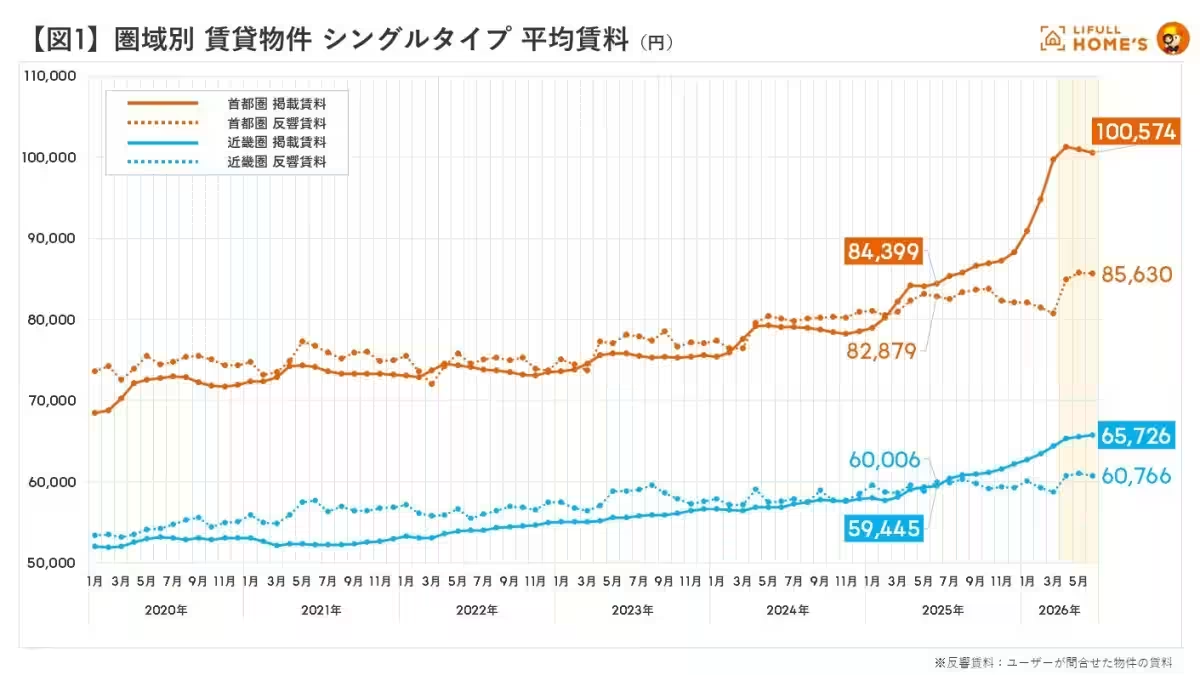
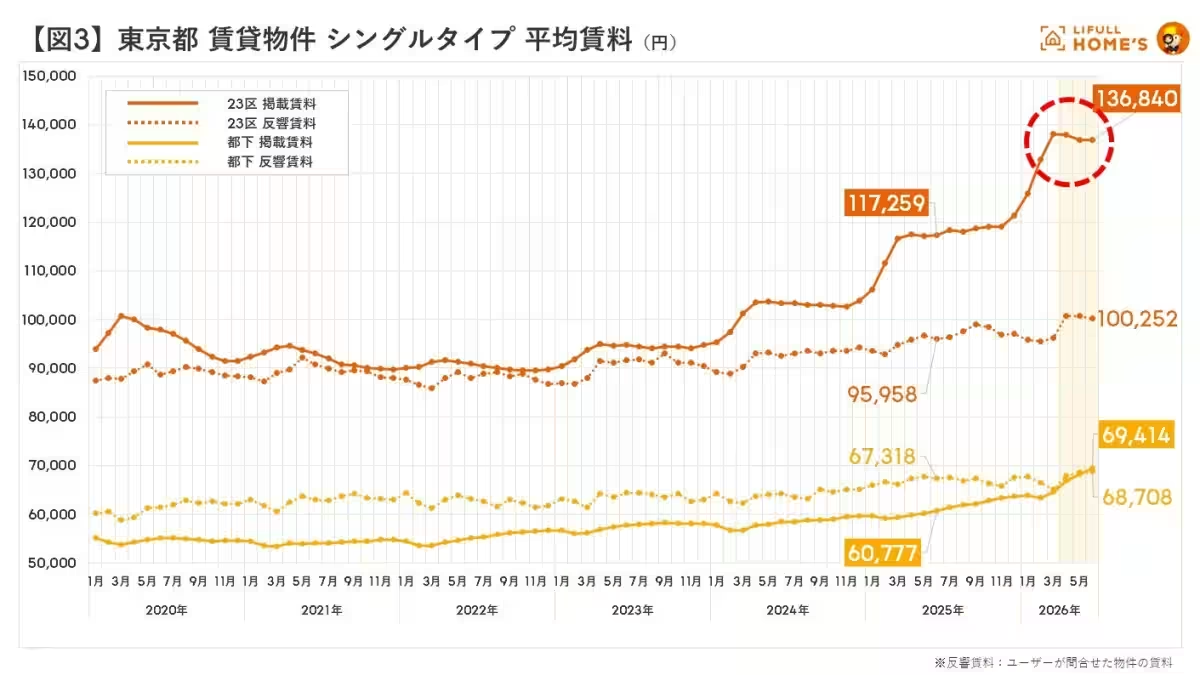
As Tokyo's rental market navigates through an era of escalating prices, the data presented in the latest "LIFULL HOME'S Market Report" provides valuable insights. The report indicates that single-type rental properties in the metropolitan area have breached the ¥100,000 mark for the first time, marking a significant milestone for the city.
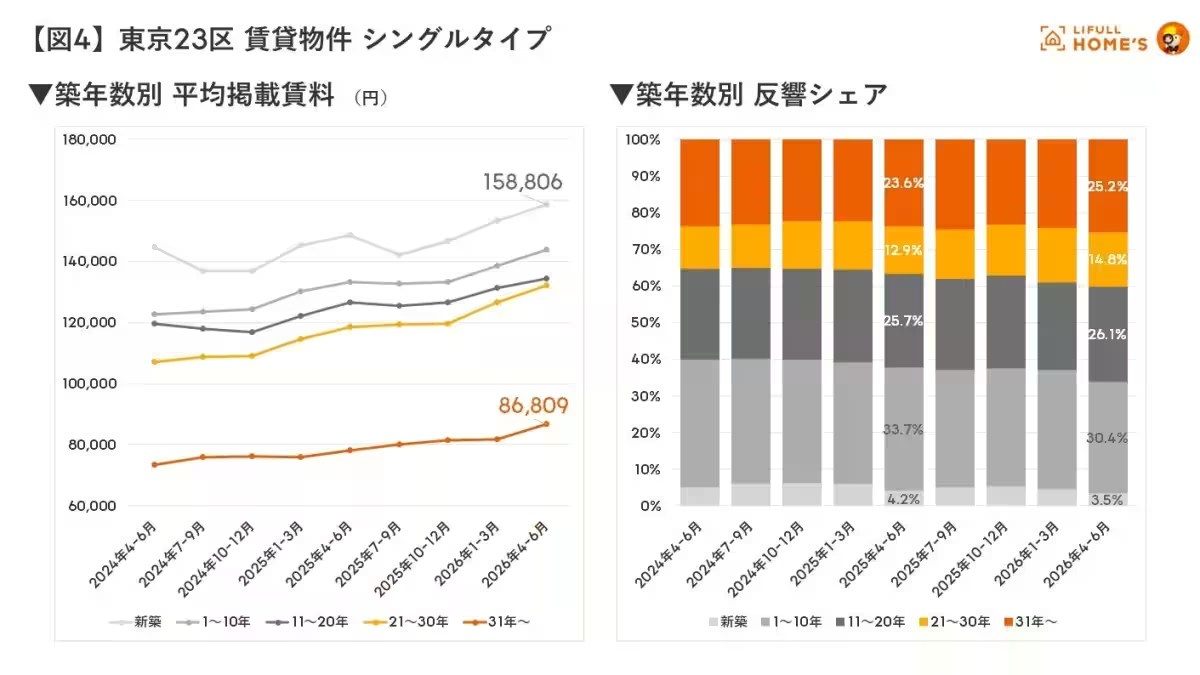
This report is not just a summary of numbers; it reflects the intricate dynamics of the city's real estate sector, particularly how older properties are gaining traction. With a growing preference for properties over 11 years old, many tenants are navigating this shift in the rental landscape.
Shift Toward Older Properties
The appeal of older rental properties has risen sharply. For instance, in the Tokyo 23 wards during the second quarter of 2026, properties built over 11 years ago have exceeded the share of inquiries, indicating a striking preference shift among renters. This trend raises intriguing questions about market behavior and tenant priorities.
Additionally, as of June 2026, the average inquiry rent for single rentals reached ¥100,574, marking a 19.2% increase from the previous year. While this growth in rental prices might raise eyebrows, it reveals a more extensive trend of market adaptation as supply meets the shifting demands of younger populations.
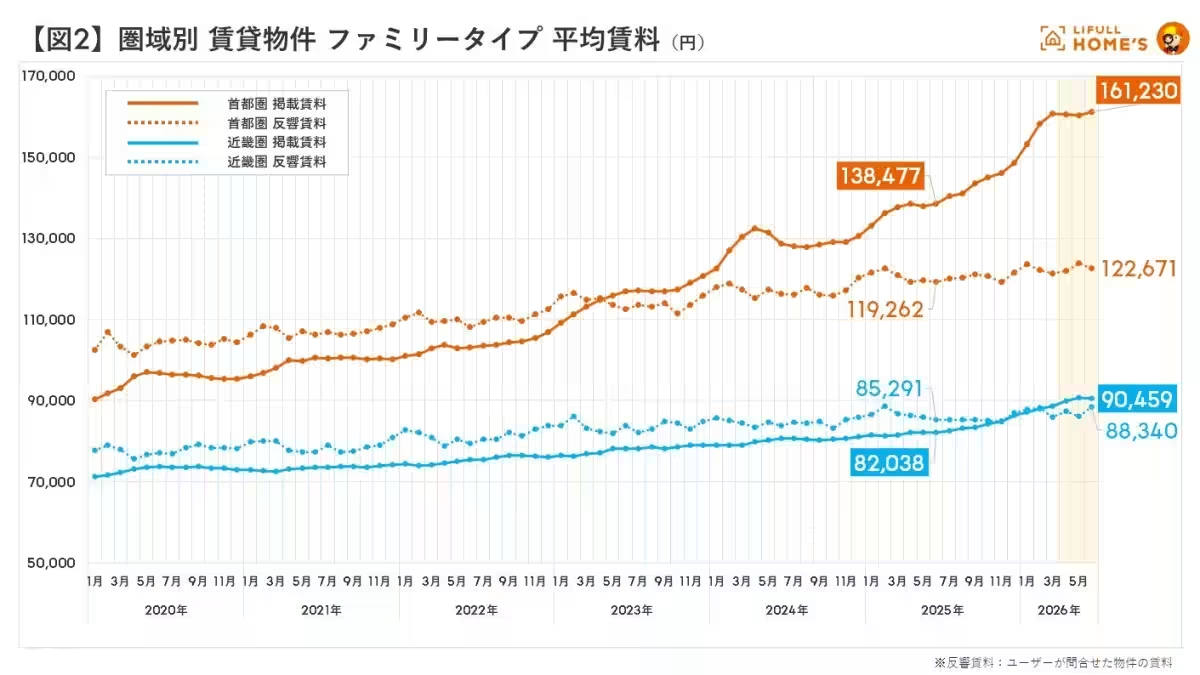
Interestingly, while inquiries for family-type rentals remain steady at an average of ¥161,230, demand for single-type properties continues to surge. Young people aged 20 to 34 are relocating to the Tokyo area, adding pressure to an already competitive market. This influx has led to a noticeable contrast, where demand for single properties has outpaced that of family-type rentals, providing a clear indication of evolving living arrangements within the city.
The Greater Tokyo Area Market Dynamics
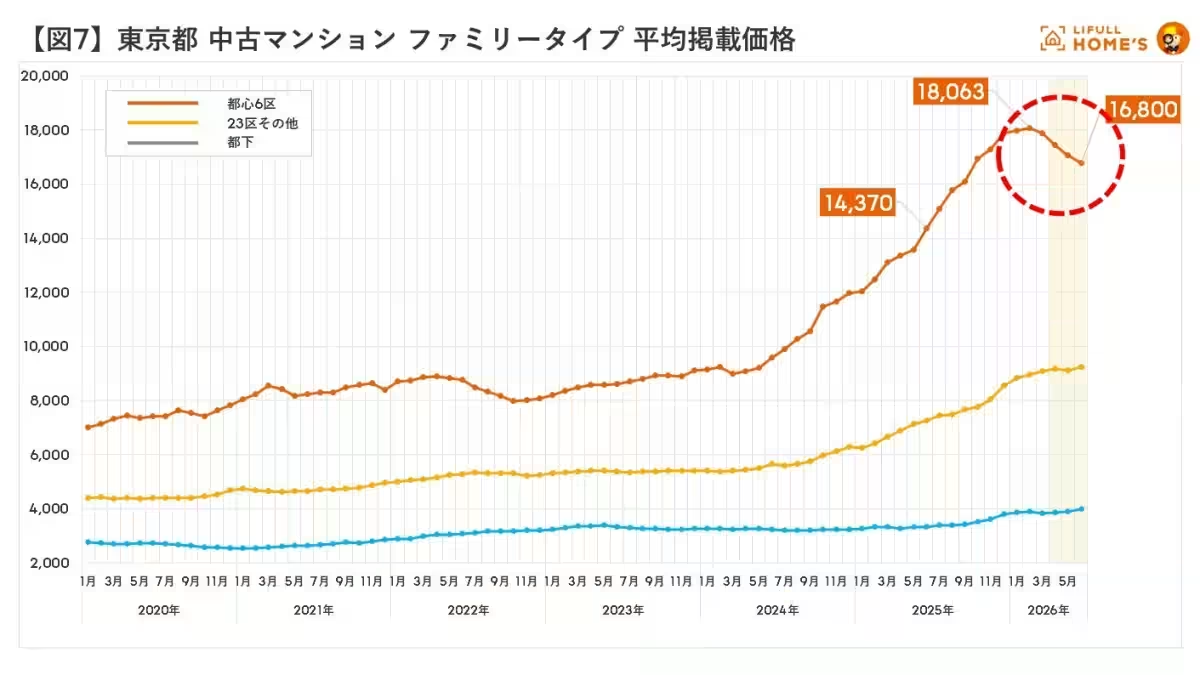
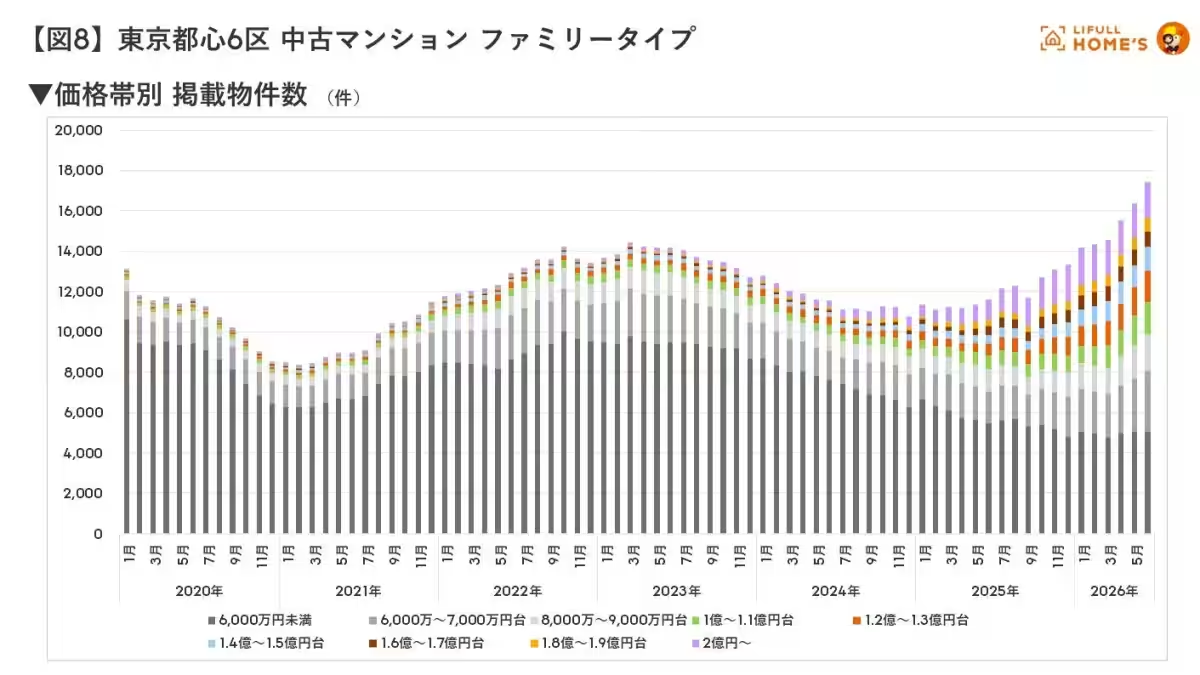
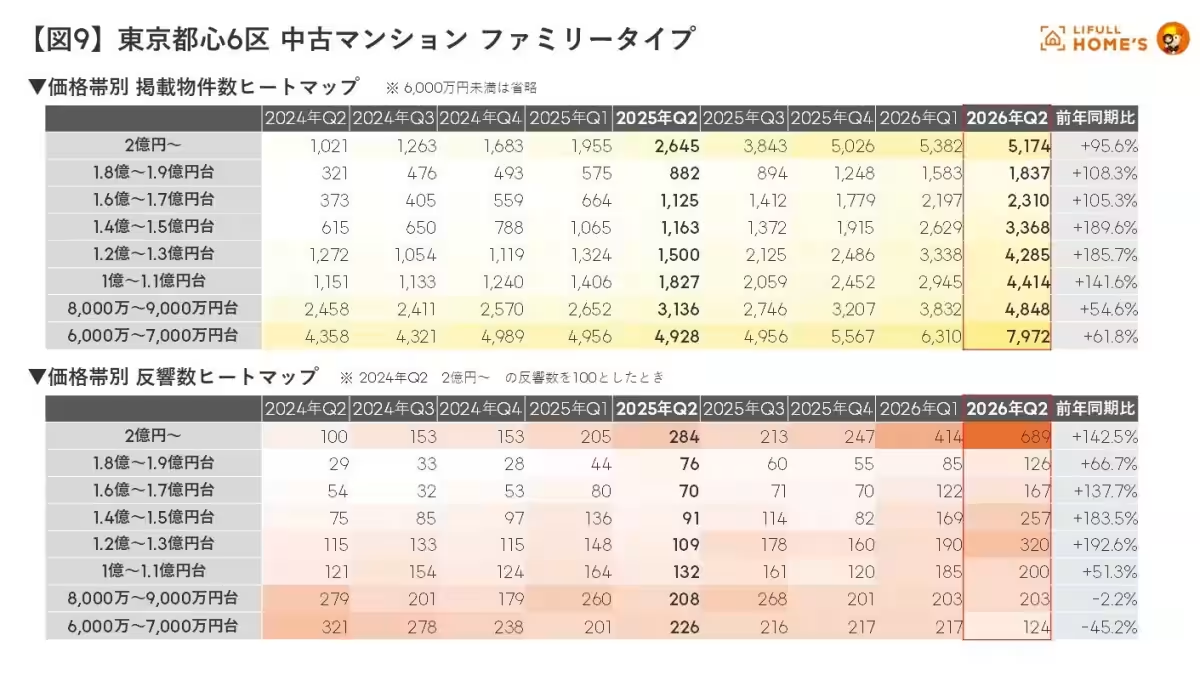
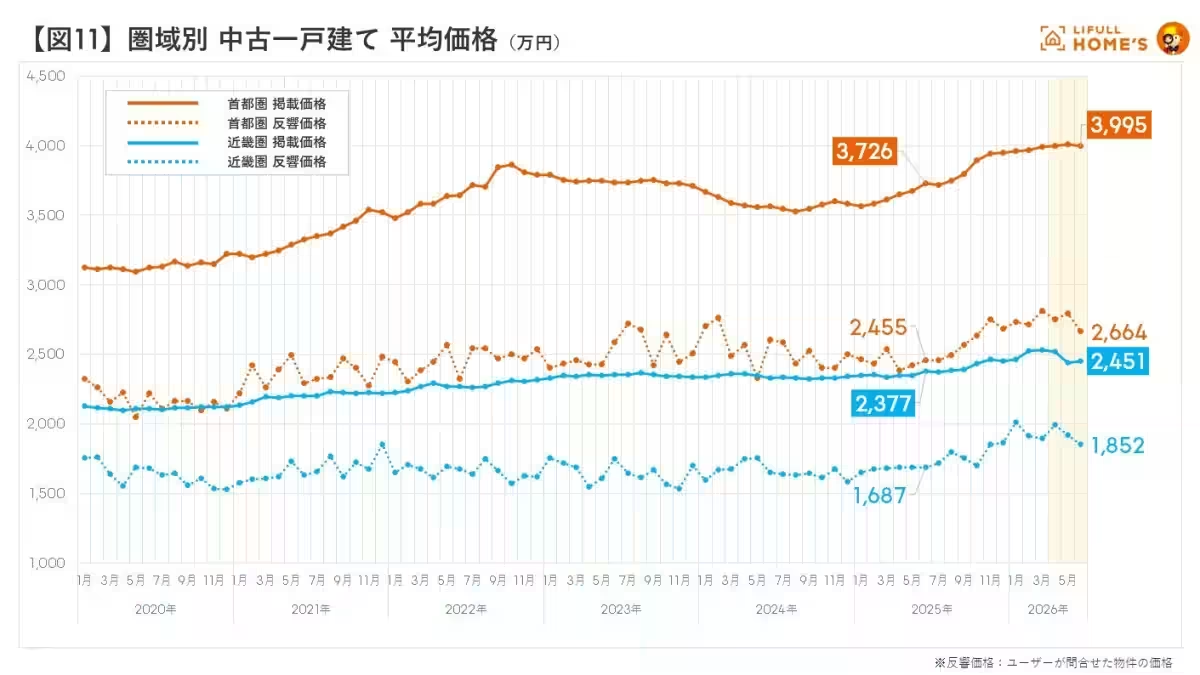
When examining the general real estate market trends, it is essential to highlight that the overall stock of rental units priced between ¥100 million and ¥150 million is overflowing. This has been contributing to the overall price stagnation in the market, forcing sellers and landlords to reconsider their pricing strategies.
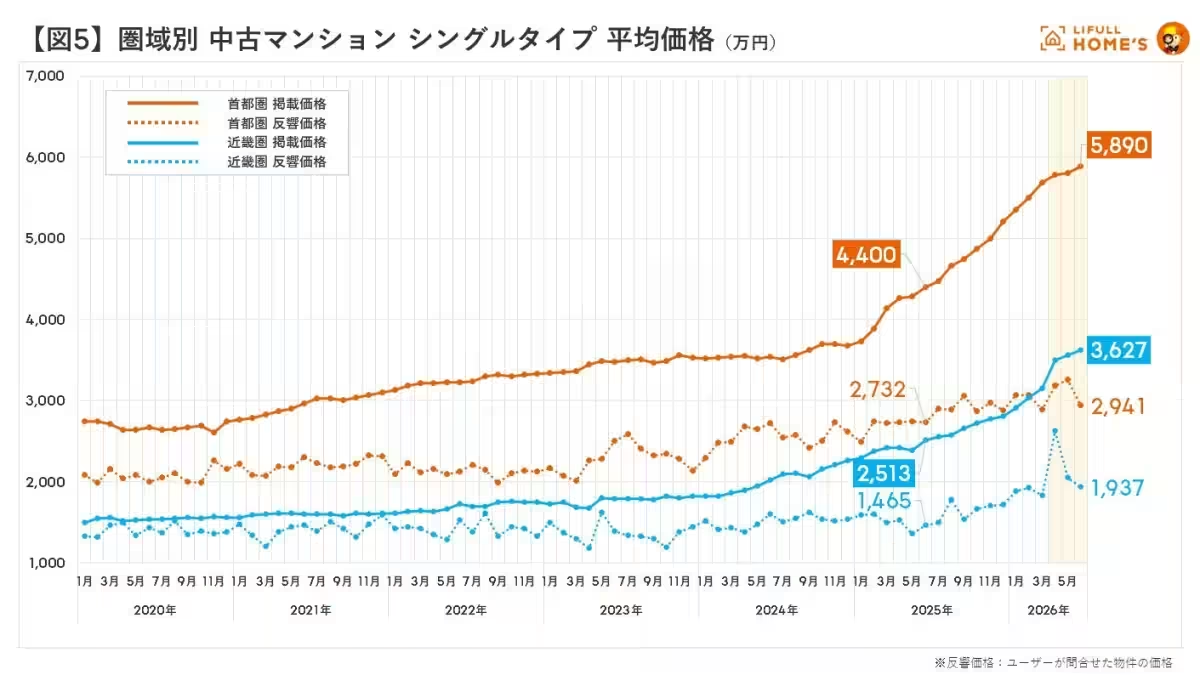
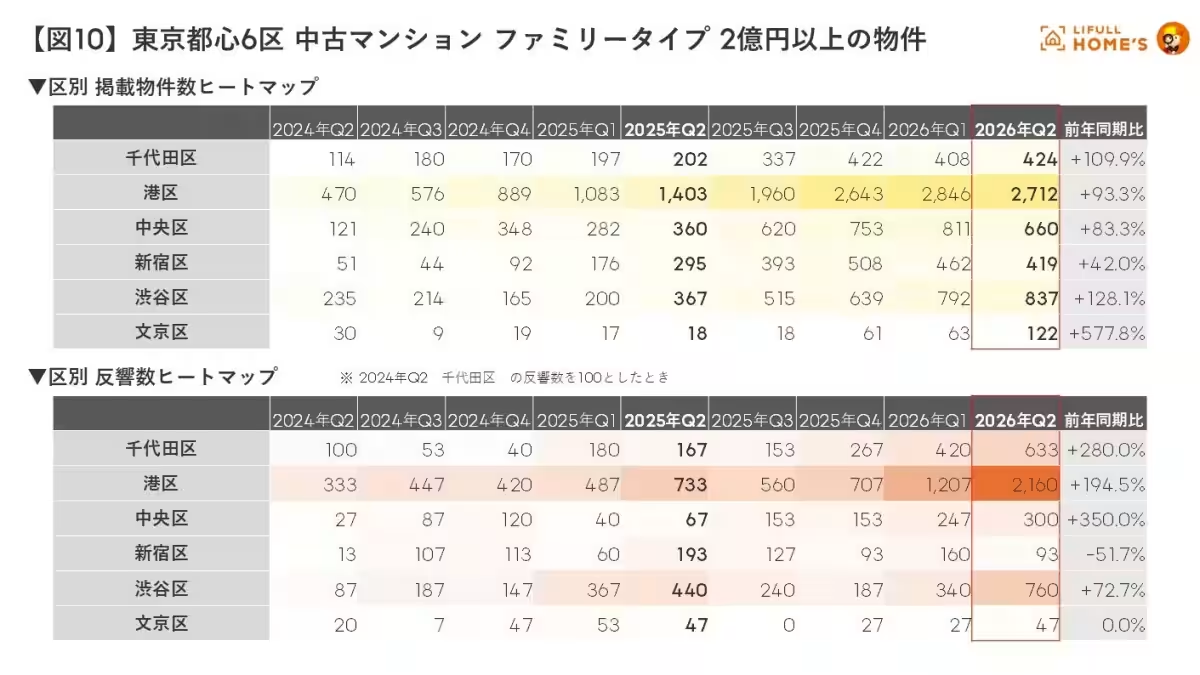
As mentioned in the report, while monthly average prices for second-hand condominiums continue to climb, supportive data indicates that these do not always translate to conversions, leading to a backlog of listings. The increase in real estate activity in sought-after districts showcases how properties initially priced higher are now experiencing slow sales due to increased borrowing costs and rising interest rates.
In fact, the Bank of Japan's recent rate hike—its first in 31 years—could further complicate the market landscape. Many potential buyers have expressed hesitation due to these rising interest rates, with 57.4% indicating they are now more cautious about making purchases. This sentiment may slow down the current market pace, especially among those relying on mortgages to finalize their purchases.
Average Prices in the Market
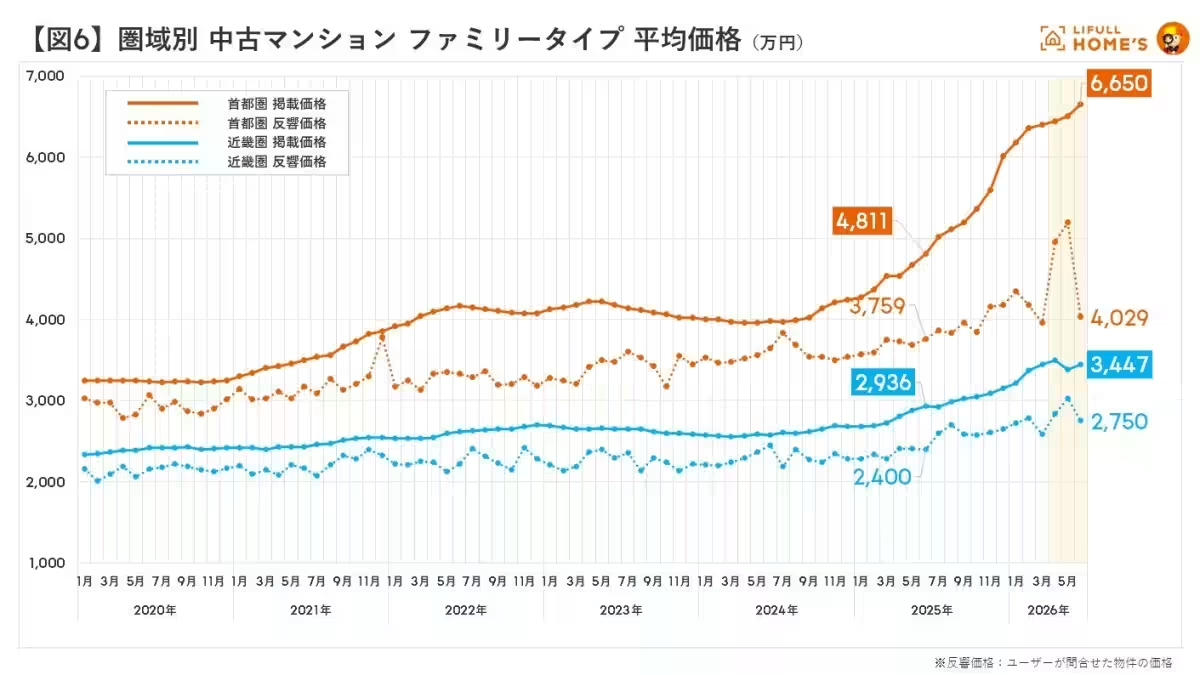
In terms of pricing, as of June 2026, the average asking price for single-type second-hand condominiums has reached ¥5,890,000, a 33.9% rise compared to the previous year, while family types have surged to ¥6,650,000. Despite these increases, the typical buyer is still seeking affordable options, leading to the emergence of a competitive marketplace, especially for properties priced at ¥100 million to ¥150 million.
The differences emerging between new and older homes could indicate a shift in resource allocation as families prioritize living spaces that provide value and practicality over modern amenities. This evolution suggests a careful consideration of market demands and shifts as buyers maintain a keen eye on their financial health and housing needs.
Conclusion - What Lies Ahead for Tokyo's Real Estate?
With such rapid fluctuations in rent and property values, it raises the question: What does the future hold for Tokyo's real estate market? As data continues to highlight an increasing demand for older residential properties, renters and potential buyers must stay informed and proactive in navigating this changing market landscape. The balance of supply and demand will undoubtedly shape the trends for years to come. This evolving environment presents both challenges and opportunities for investors, sellers, and buyers alike.
For more detailed information, please refer to the comprehensive data available in the LIFULL HOME'S market reports, which are designed to provide deeper insights into the shifting real estate trends in Tokyo.

Topics Consumer Products & Retail)









【About Using Articles】
You can freely use the title and article content by linking to the page where the article is posted.
※ Images cannot be used.
【About Links】
Links are free to use.