



Tokyo's Children-Focused Initiative: Survey Results on Key Issues 2023
Tokyo's Children-Focused Initiative: Survey Results
In a significant move to enhance children's voices in urban governance, Tokyo's government has implemented the 'Children's First' initiative. This program actively seeks to upgrade policies by directly engaging with young citizens. As part of this endeavor, the government established the 'Children's Metropolitan Monitor,' which invites children to share their views through a series of surveys. Recently, findings from the first three surveys conducted in FY2023 were announced, shedding light on diverse topics relevant to children's perspectives.
Overview of the First Survey Results
1. Disaster Awareness
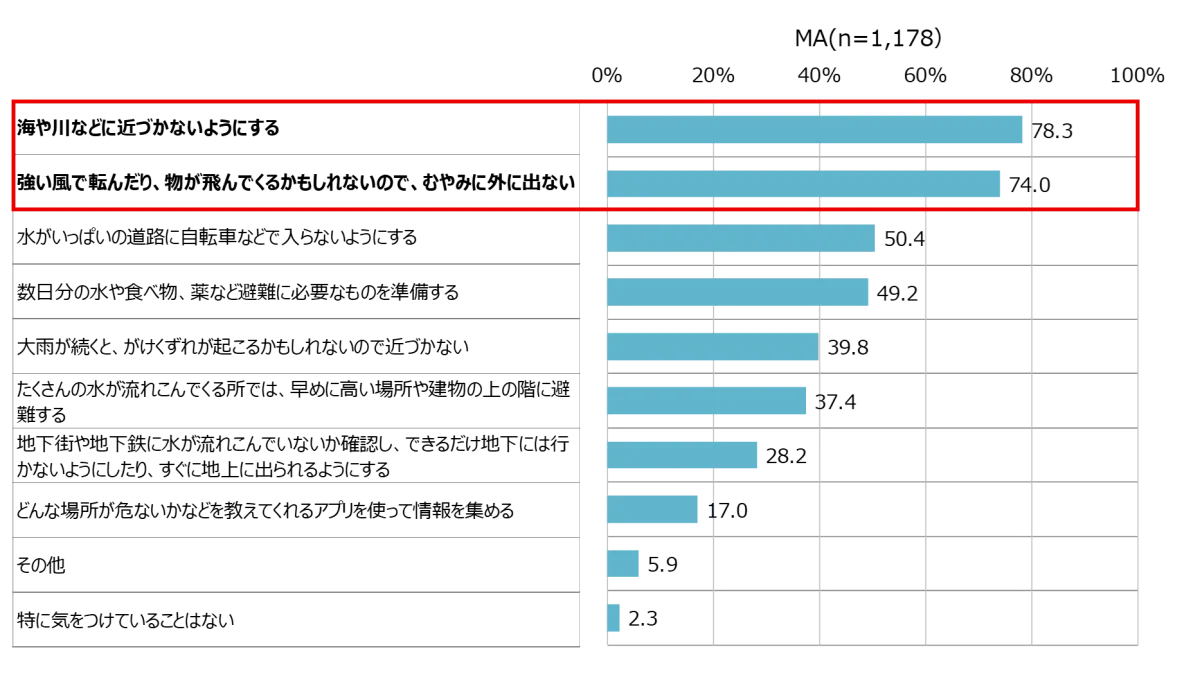
The first section of the survey focused on disaster preparedness. It posed questions about what children and their families pay attention to during typhoons and heavy rain. Targeted groups included preschoolers and school-aged children, providing valuable insights into younger generations' awareness of safety measures.
2. Environmental Learning
Respondents shared their interest in various environmental issues. By gauging children's perspectives on topics such as climate change and pollution, the city aims to engage youth in meaningful discussions about sustainability. This part of the survey was designed to include preschoolers, elementary students, and higher-grade school students, ensuring that the voices of all age groups were captured.
3. The Izu Islands
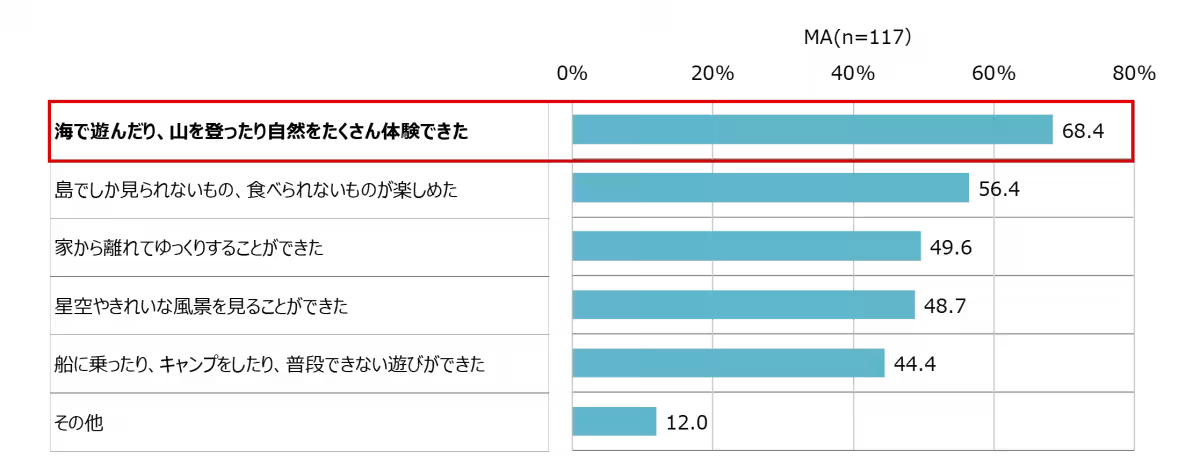
Children who have visited the Izu Islands were asked to share their unforgettable experiences. This inquiry targeted various age groups, allowing kids to reflect on their personal adventures and memories, showcasing the importance of joyful experiences in shaping their views on nature and recreation.
4. Play Equipment at Uminomori Park
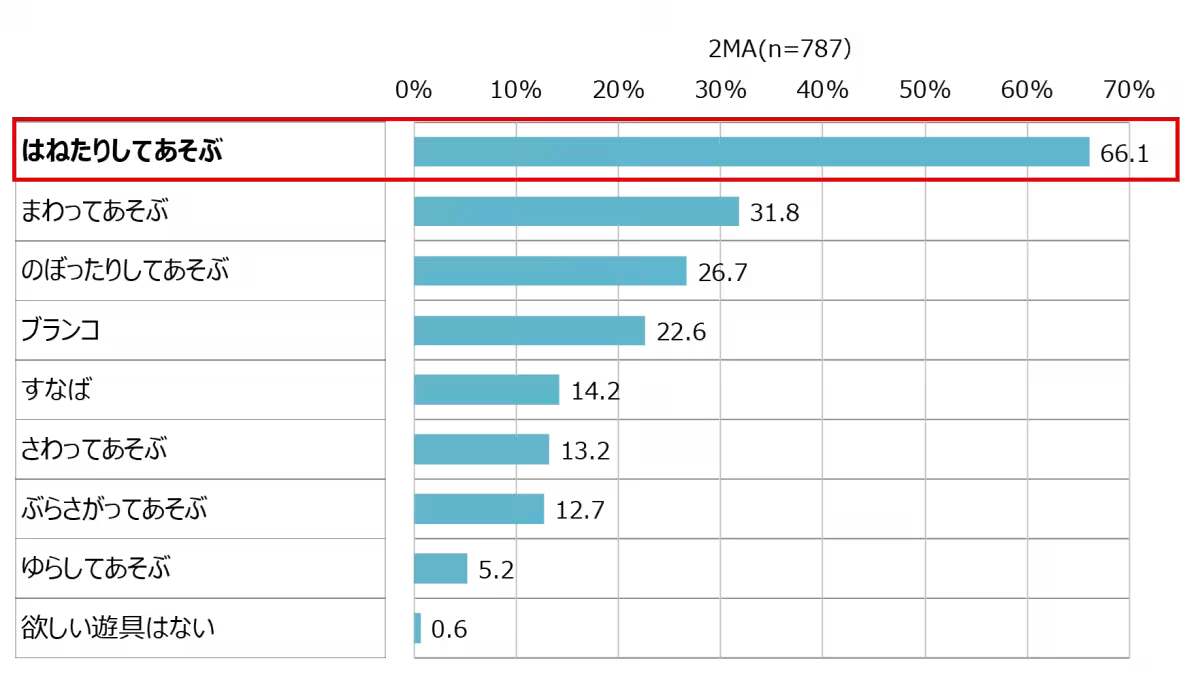
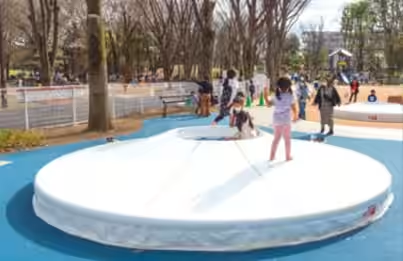
Another noteworthy question invited children to choose two ideal pieces of universal design play equipment they wish to see in Uminomori Park's children’s playground. This highlights the significance of inclusive and accessible play spaces, ensuring all children can enjoy recreational activities.
5. Barrier-Free Animation
Children were also asked about their interest in a planned animation intended to educate the public about barrier-free concepts. Many respondents, particularly younger students, expressed eagerness to watch, indicating a proactive interest in understanding and sharing knowledge about accessibility in their everyday lives.
Overview of the Second Survey Results
1. Community Development in Jingumae
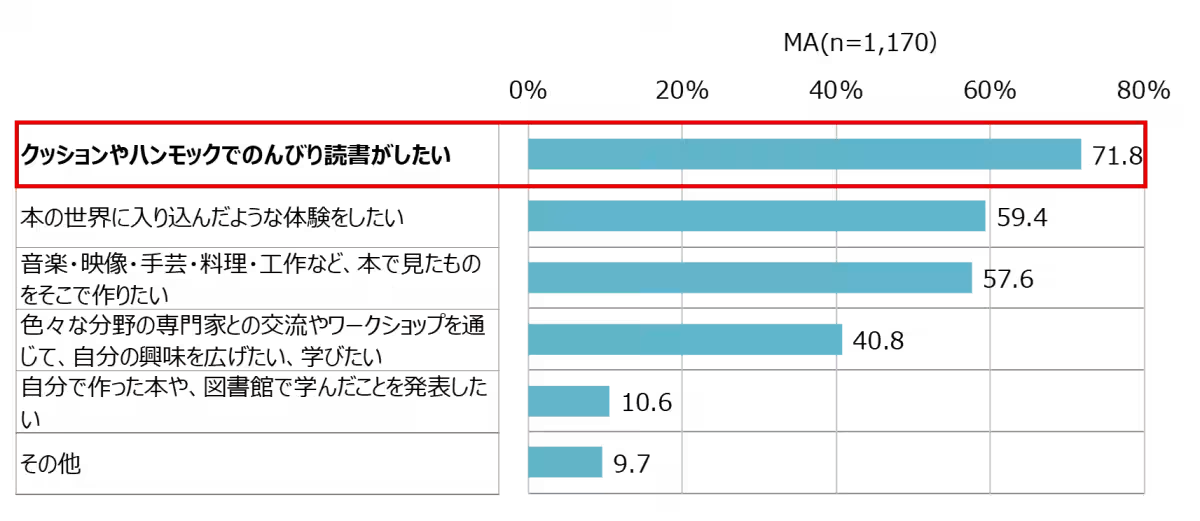
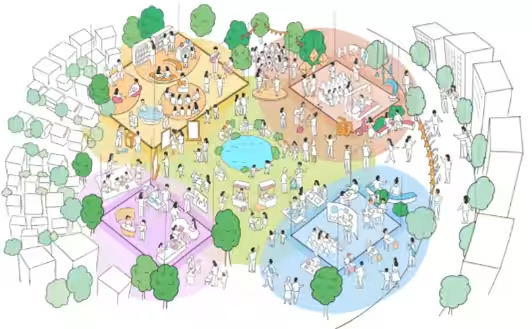
The second survey explored children's ideas for a new library and community facilities envisioned in the Jingumae area, encouraging creativity and civic engagement among youth.
2. Next-Generation Solar Power (Air Solar)
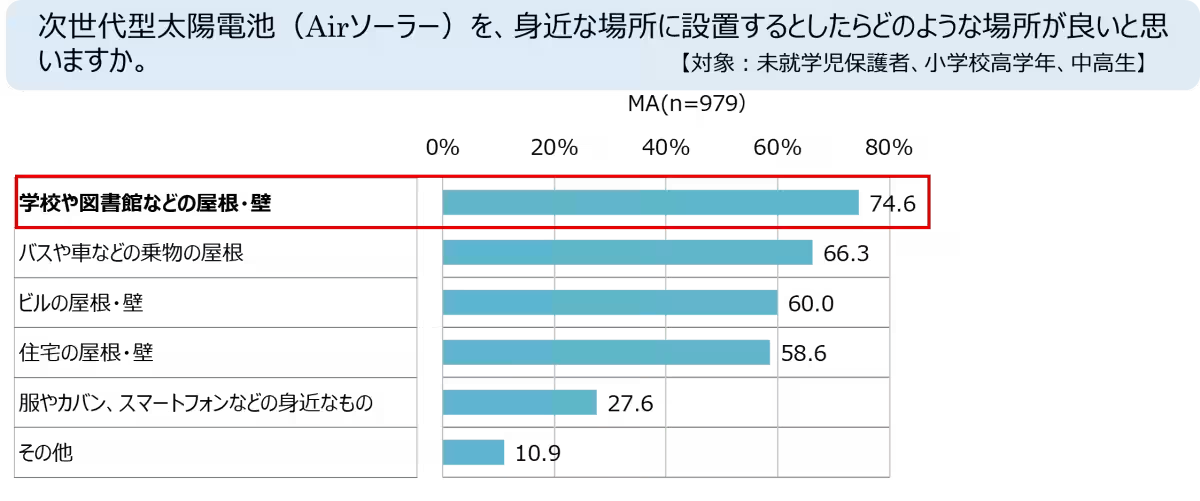
In a forward-thinking move, the survey addressed energy literacy by asking where children think next-generation 'Air Solar' panels should be placed, linking environmental technology to children's active engagement in energy conservation.
3. Environmentally Friendly Vessels
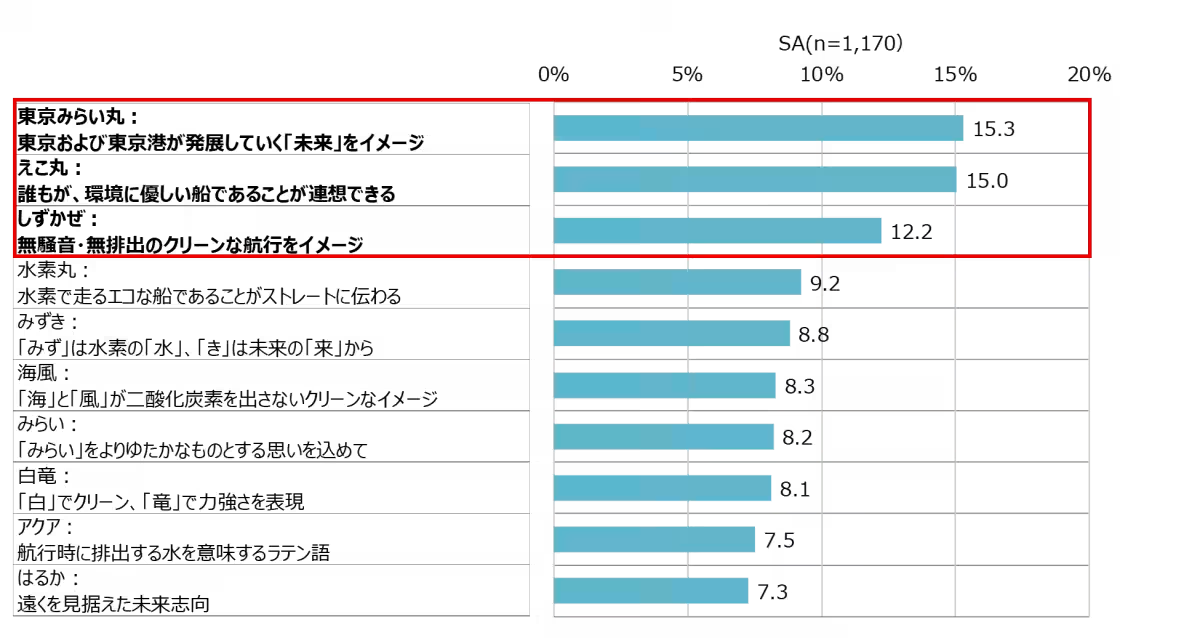
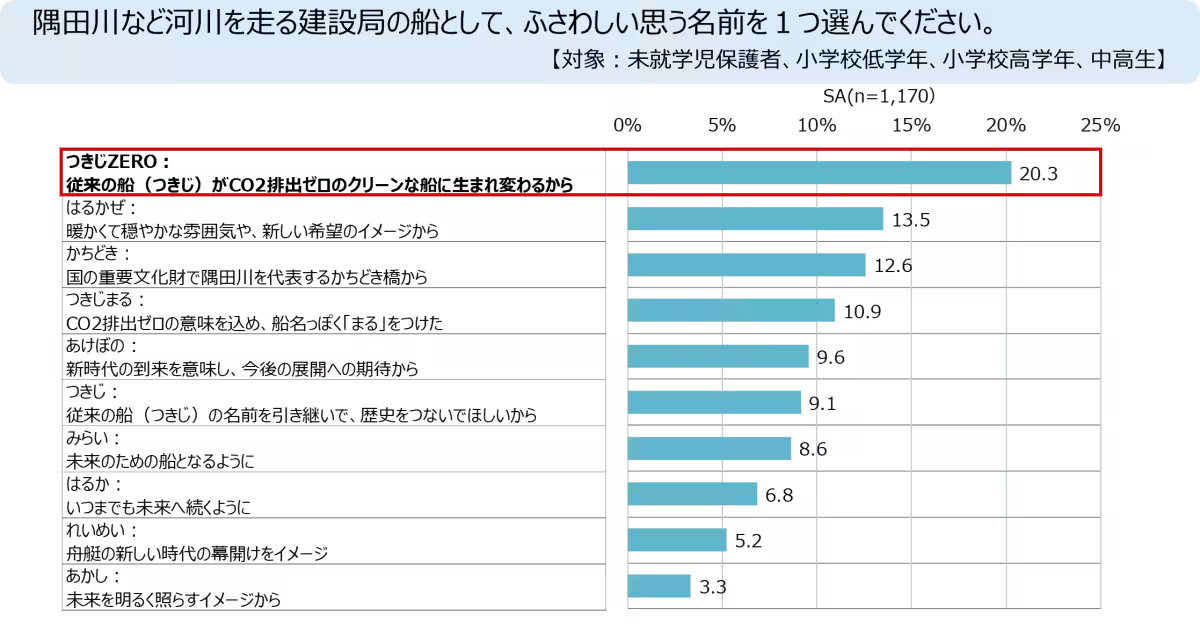
With a focus on nautical ventures, participants were invited to name ships expected to operate in Tokyo Bay, merging creativity with environmental consciousness.
4. Young Carers
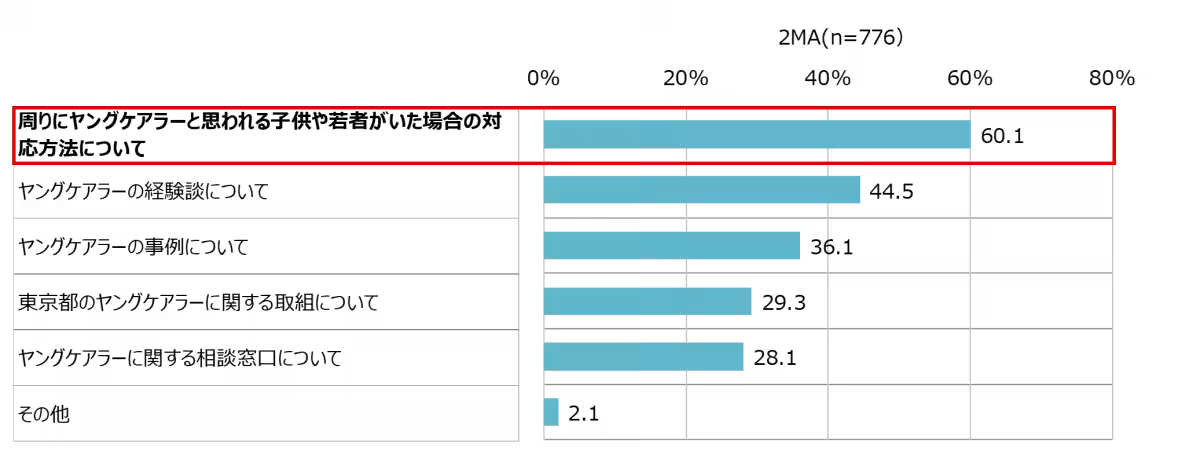
The survey also addressed Young Carers in a bid to create awareness and resources for youth responsible for caring for family members, shedding light on this often-overlooked group.
Overview of the Third Survey Results
1. Children’s Patients' Rights Charter
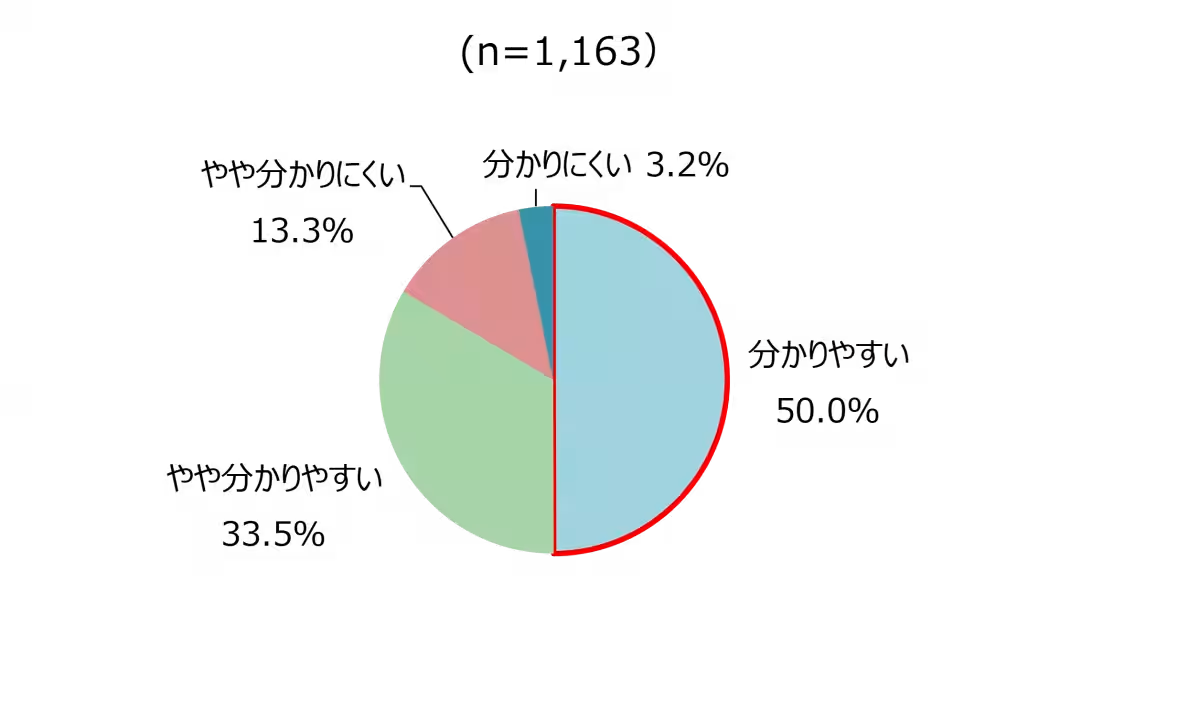
Feedback about the clarity of the 'Children's Patients' Rights Charter' was collected, reasoning that accessible language and friendly expressions were effective in conveying sensitive topics to younger audiences.
2. Musical Preferences for ODAIBA Fountain Shows
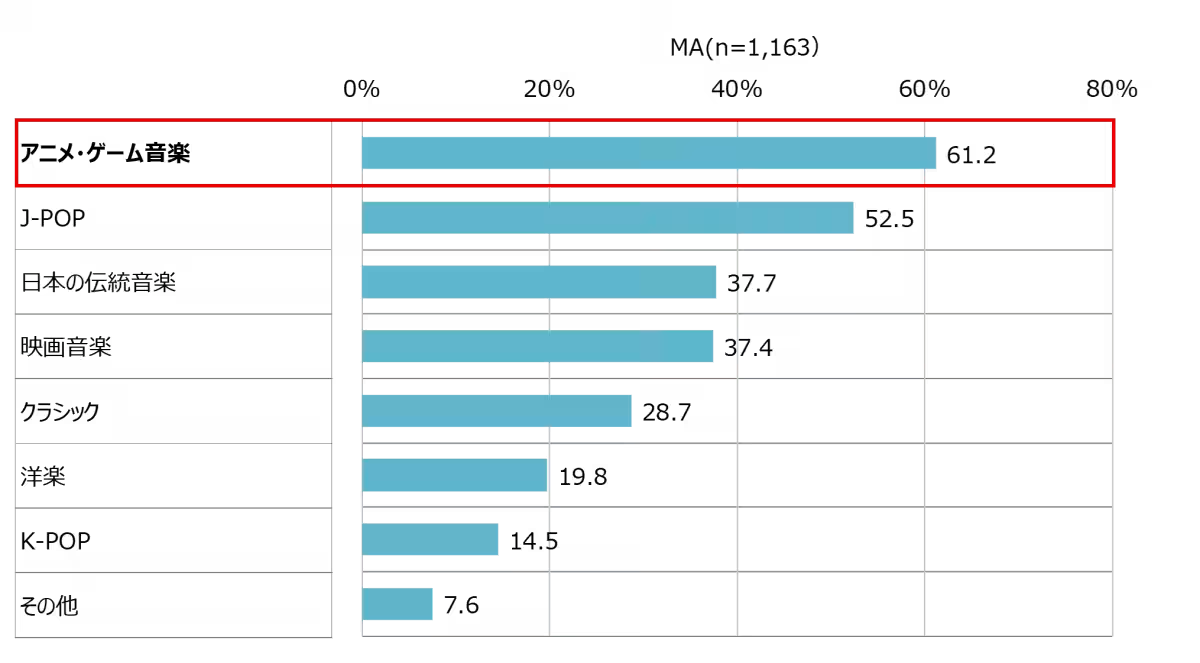
Children were asked about the types of music they find appealing in fountain shows, allowing them to express their cultural preferences.
3. Aspiring Global Youth
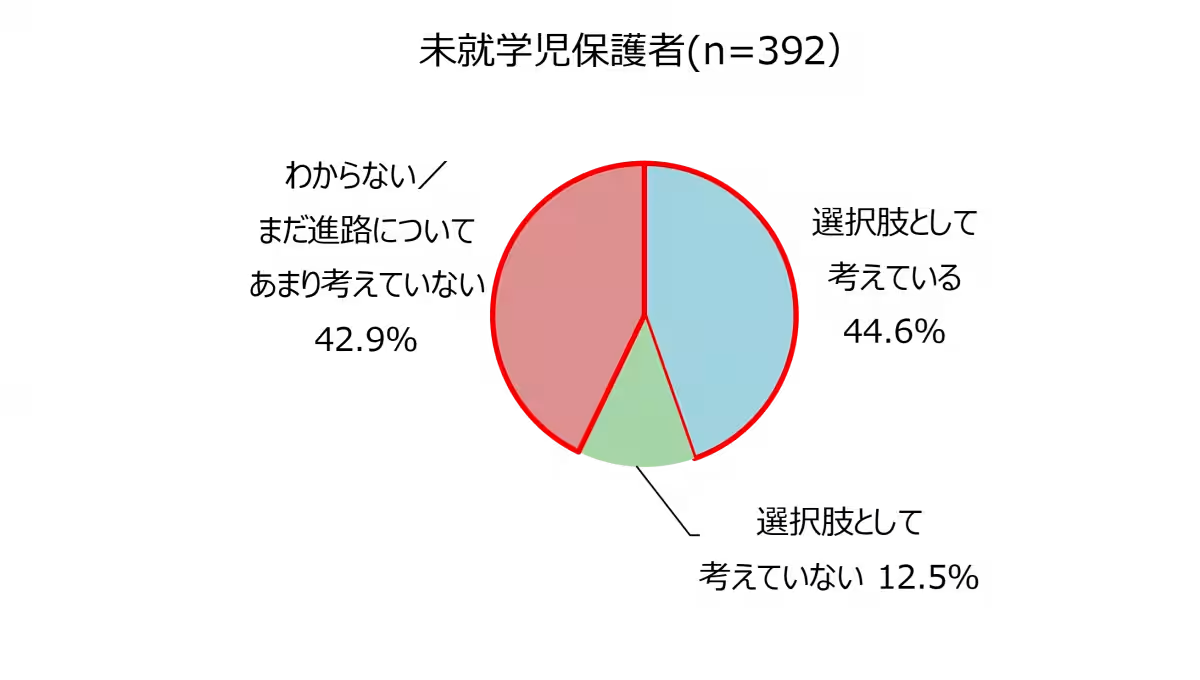
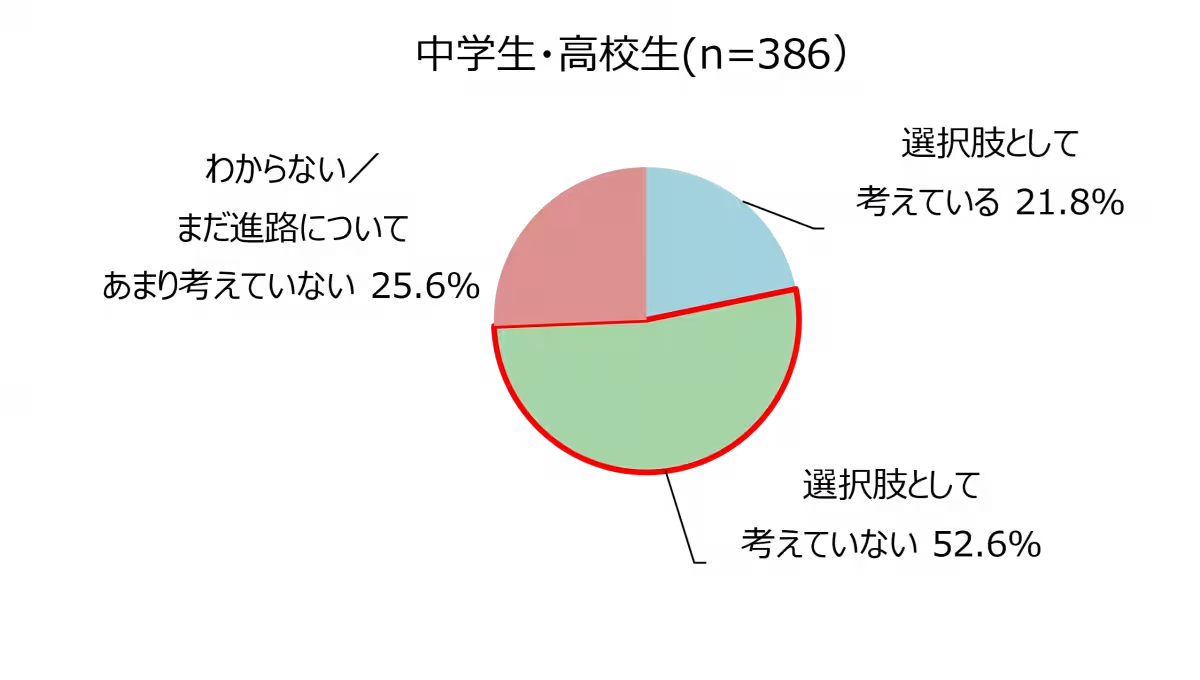
With opportunities for higher education abroad at the forefront, high school students reflected on their aspirations for pursuing studies overseas, broadening their horizons.
4. Supportive Parenting Environment
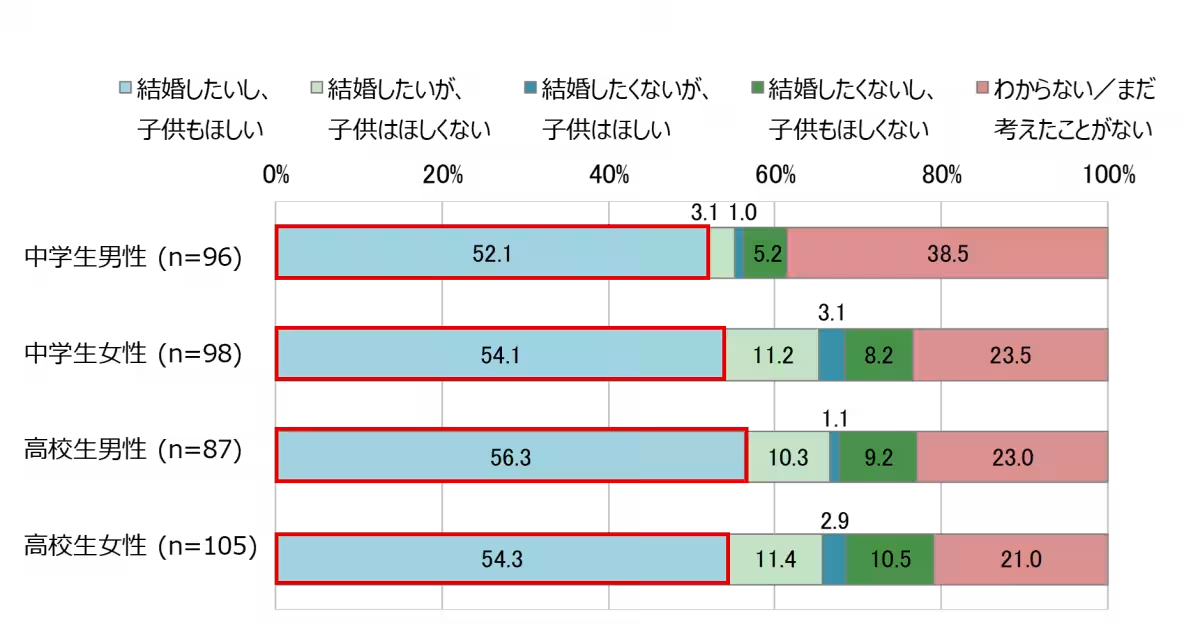
Finally, adolescents shared their thoughts on the current perception of marriage and parenting, indicating a shift towards open-minded discussions about life choices.
Survey Execution Details
A total of 1,204 participants, divided into six categories including preschoolers and high school students, participated in these surveys. The impressive response rates—ranging from 96.6% to 97.8%—underscore children's eagerness to engage in civic matters. The surveys are part of the initiatives under Tokyo's '2050 Tokyo Strategy,' aiming to create a child-friendly urban landscape.
For comprehensive details, visit the Children's Metropolitan Monitor website. This ongoing effort emphasizes a collective movement towards a smile-filled Tokyo for everyone, especially the younger generation.





Topics People & Culture)


【About Using Articles】
You can freely use the title and article content by linking to the page where the article is posted.
※ Images cannot be used.
【About Links】
Links are free to use.