



Understanding the Tokyo Residents' Awareness of Electricity Cost Support Measures Amidst Growing Economic Pressure
Electricity Costs and Energy Saving Limitations in Tokyo
Recently, the cost of electricity has surged dramatically, leaving many households in Tokyo feeling the financial strain amidst continued high living costs. A survey conducted by ECODA aimed to uncover the understanding residents have about the Tokyo government's subsidy program designed to alleviate household expenses.
Rising Financial Pressures
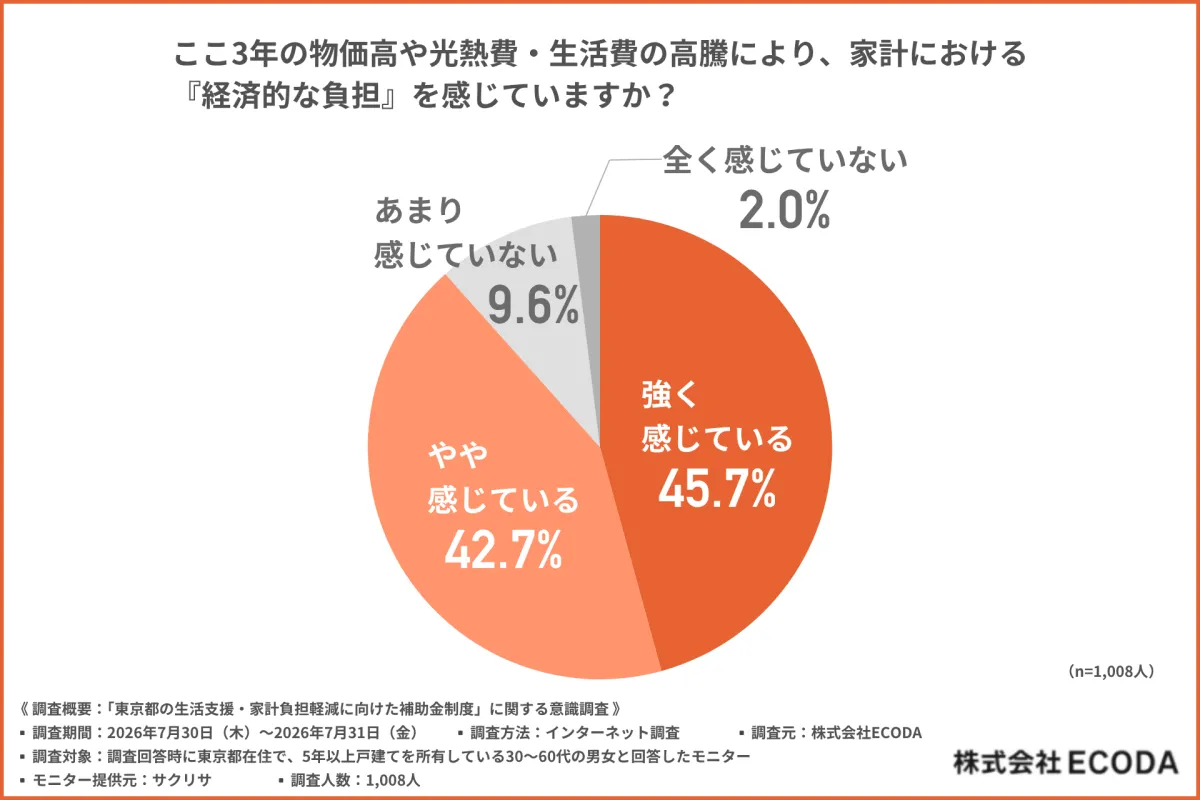
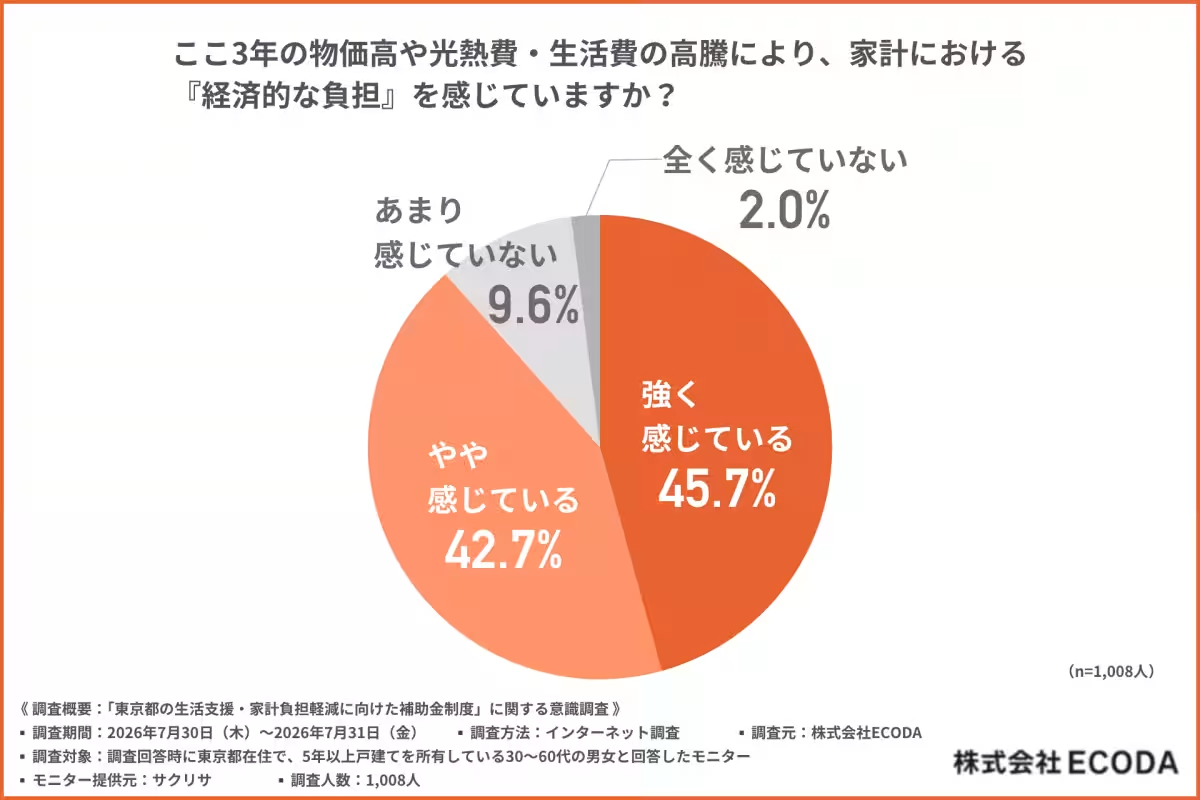
In a time characterized by soaring inflation, 90% of respondents expressed a strong or moderate awareness of the economic burdens they face due to increased living and utility costs. Particularly, the prolonged heat of summer has made managing electricity consumption more crucial than ever, with air conditioning becoming necessary for preventing heat-related illnesses.
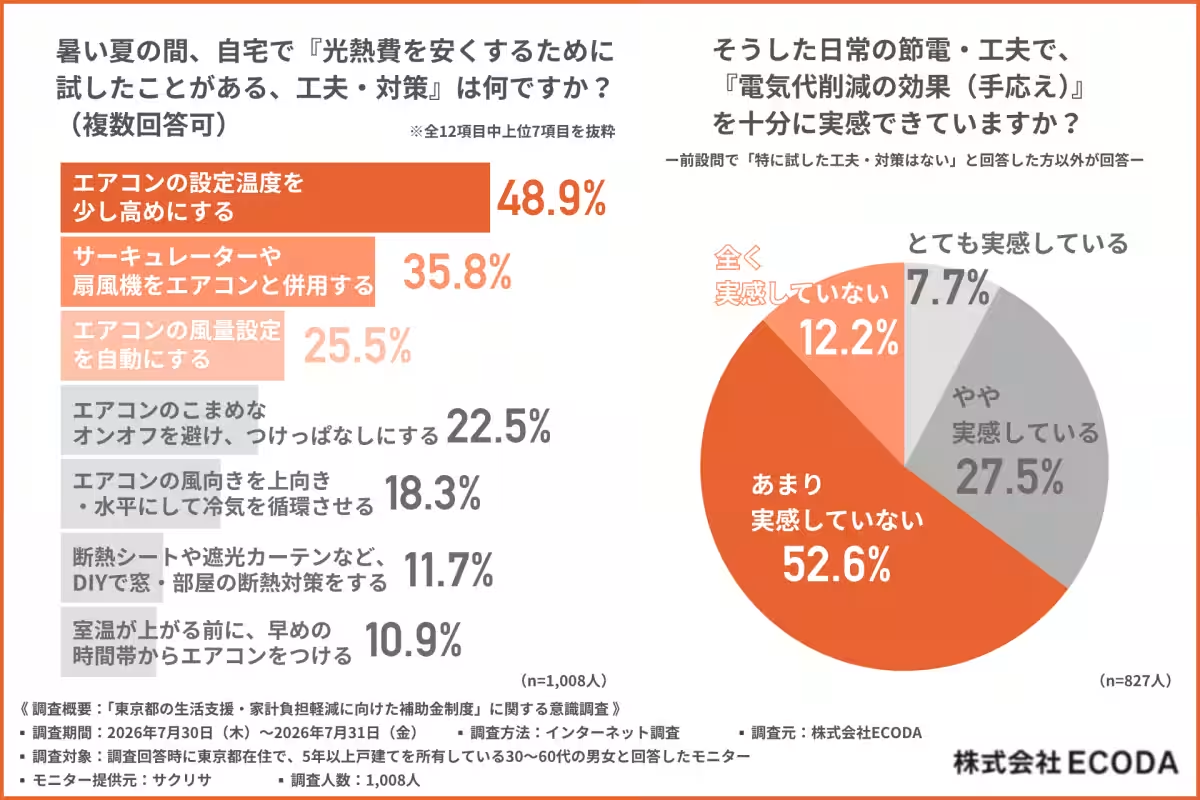
Despite this necessity, many households are finding it increasingly difficult to feel the benefits of their energy-saving strategies. When asked about methods used to reduce energy costs during the summer, most focused on trivial adjustments in air conditioning settings, while drastic measures like window insulation were not widely adopted.
The Push for Renewable Energy Solutions
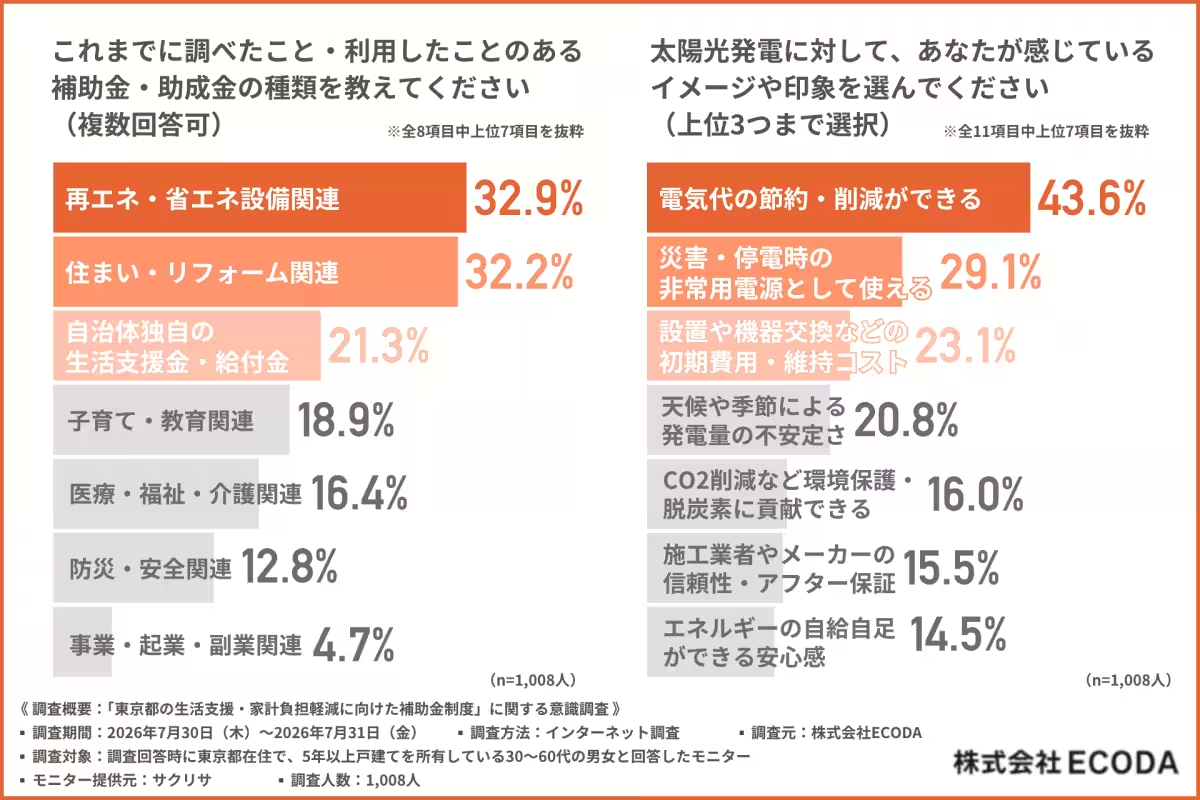
With the constraints on electricity savings becoming apparent, interest in sustainable energy solutions, such as solar power and battery storage, is rising. While the Tokyo government has established a comprehensive subsidy program to support the adoption of renewable energy technologies, concern about the initial costs still hampers widespread uptake.
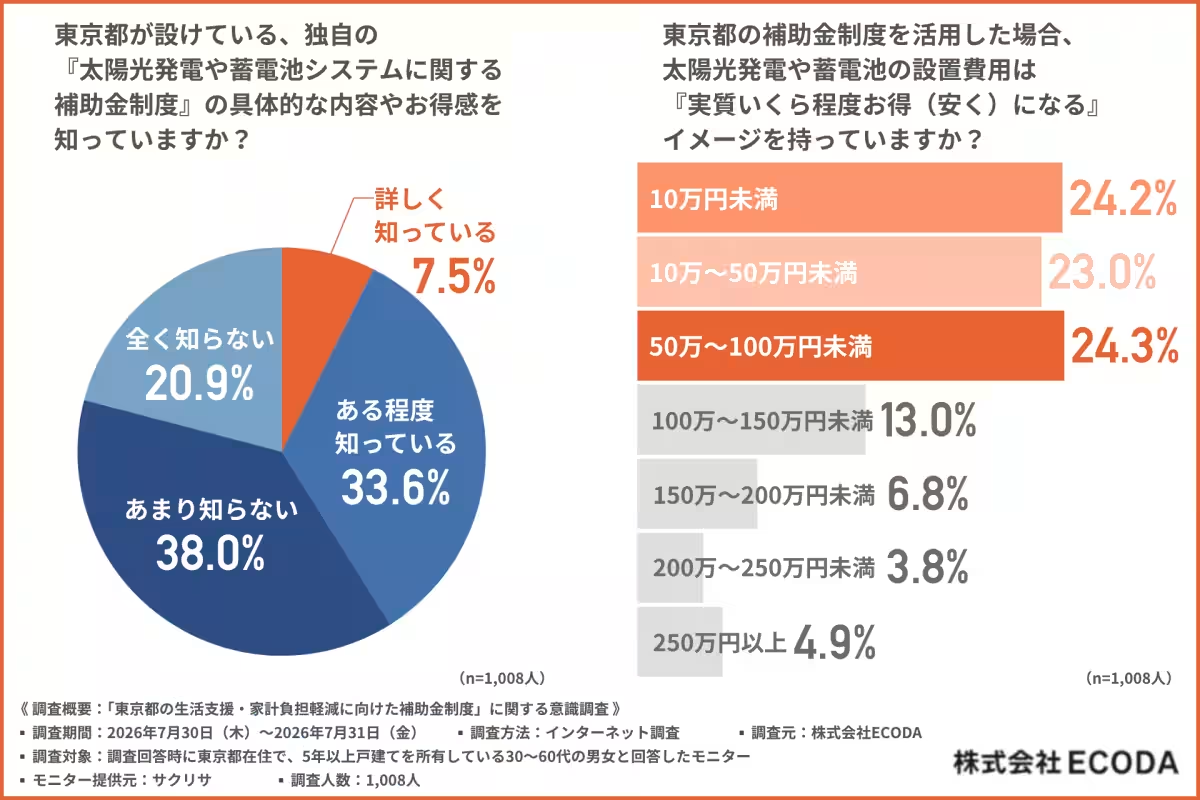
The survey revealed that only 7.5% of respondents were fully aware of the subsidies’ details, with a significant portion of the population remaining uninformed about both the program and the actual financial benefits it could provide. This lack of knowledge could lead to a hesitance to invest in necessary upgrades, underlining a critical gap between available support and public awareness.
The Importance of Public Knowledge
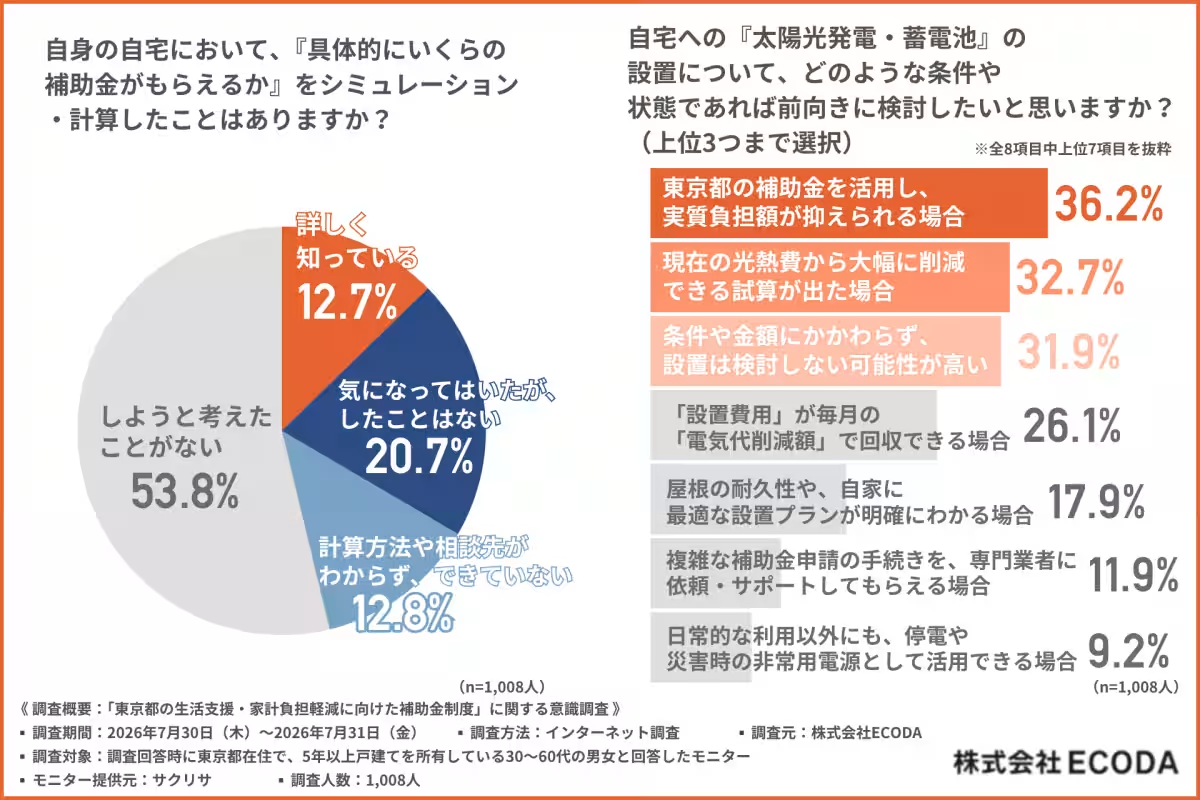
Despite the presence of subsidies, over half of the respondents expressed that they feel no significant reduction in their electricity bills, and a common theme among responses revealed that a substantial part of the population has not explored the available subsidies. Alarmingly, approximately 53.8% have never attempted to calculate potential benefits using the subsidy resources, indicating a clear barrier to utilizing these funds effectively.
Exploring the Gaps in Understanding
Interestingly, the residents’ perceptions of possible savings from subsidies may also reveal reluctance to engage with the system. Most anticipated that the subsidy would only reduce their expenses by between 500,000 to 1,000,000 yen, a far cry from actual potential reductions, which can exceed this estimated range significantly.
Thus, while many acknowledge the need for renewable energy, there's a disconnect regarding the process of adoption and the realistic financial implications of doing so. Moreover, when asked what could drive them towards investing in solar technology, most pointed towards subsidization and visible reductions in electricity expenses as motivating factors.
Proposals for Targeted Solutions
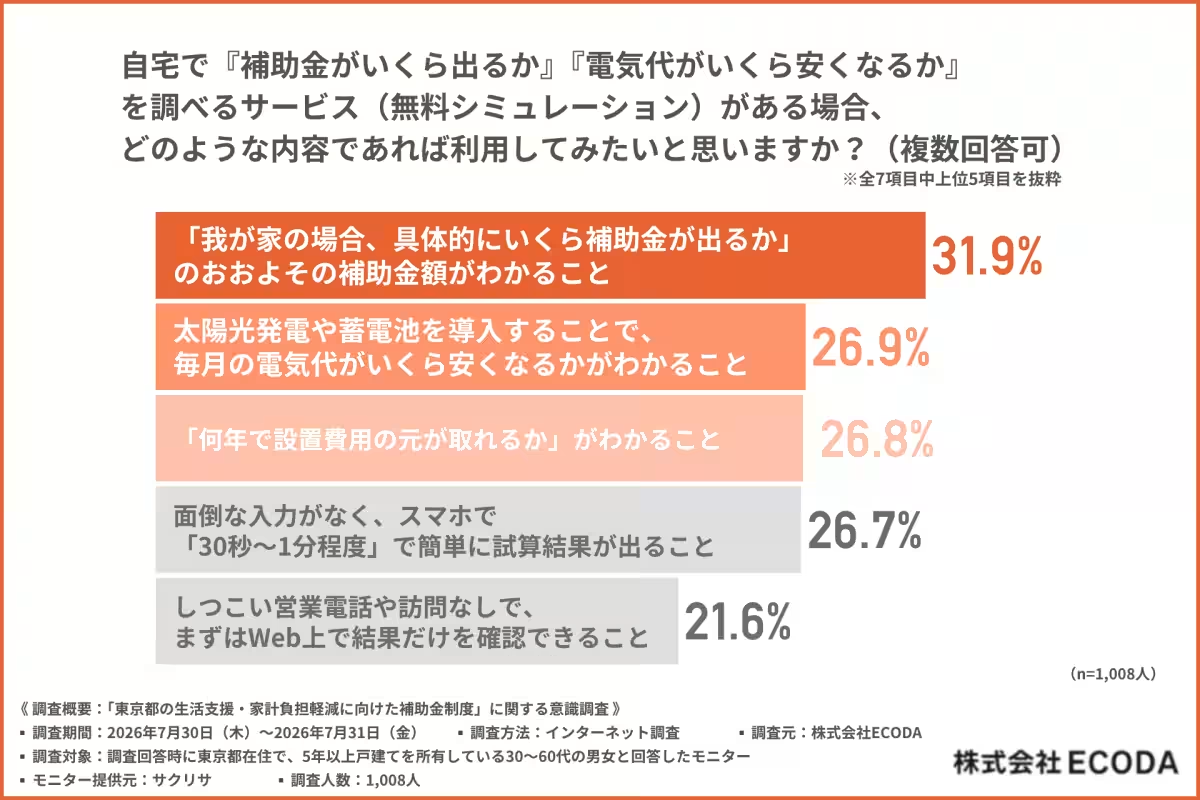
The survey suggests an urgent need for clearer communication regarding subsidy values and financial benefits that can be attained through solar power integration. Many respondents expressed interest in a simplified simulation that illustrates how adopting solar systems could directly impact their costs, which implies that outreach efforts should focus on informing individuals about the real numbers tied to these subsidies and installations.
Conclusion
In conclusion, the challenges faced by Tokyo residents in managing their electricity expenses highlight the critical need for educational outreach on available subsidies and solutions. As individuals grapple with rising inflation and energy costs, fostering an informed community will be necessary to alleviate financial burdens through effective participation in government-sponsored programs. By understanding the potential benefits and simplistically presenting the financial impacts of renewable energy adoption, authorities can bridge the current knowledge gap that persists among residents, potentially leading to significantly enhanced participation in energy-saving initiatives.
Topics Policy & Public Interest)
【About Using Articles】
You can freely use the title and article content by linking to the page where the article is posted.
※ Images cannot be used.
【About Links】
Links are free to use.