



Awareness and Expectations Among SMEs Regarding the Revised Subcontracting Act: A Comprehensive Study
Awareness and Expectations Among SMEs Regarding the Revised Subcontracting Act
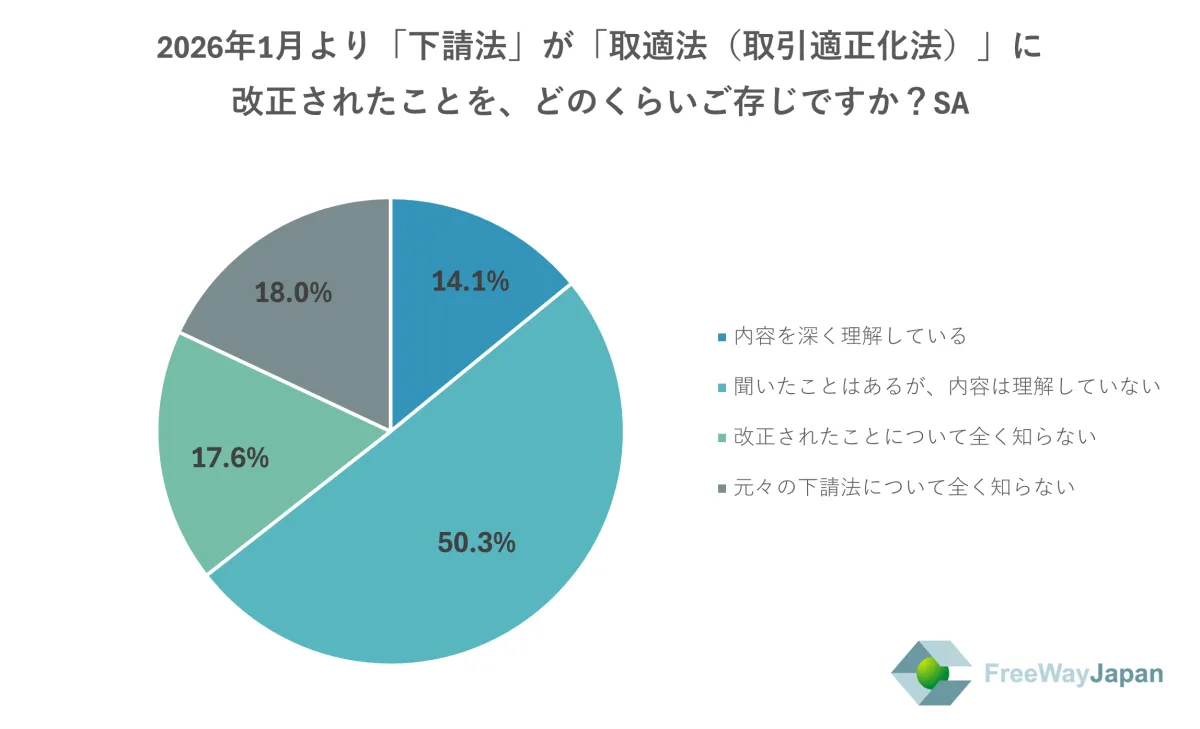
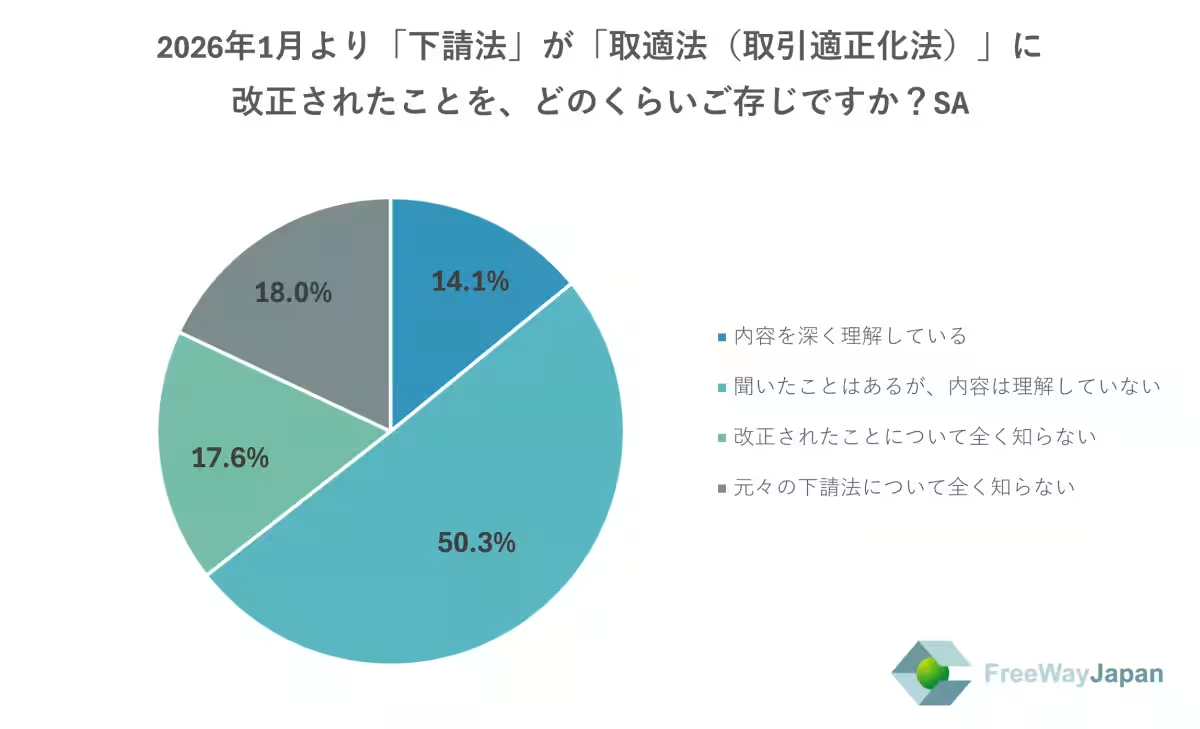
A recent survey conducted by Freeway Japan has uncovered a significant gap in awareness about the Revised Subcontracting Act (the Act on the Proper Transactions) among small and medium-sized enterprises (SMEs) in Japan. The study, involving 433 participants—including employees, directors, and sole proprietors from SMEs—revealed that a staggering 85.9% of respondents either do not understand or are unaware of the law that was amended in January 2026.
Survey Overview
The survey, titled 'Awareness Survey on the Revised Subcontracting Act,' was carried out from February 6 to February 12, 2026. Its objective was to gauge the understanding, expectations, and concerns of SMEs regarding this significant legal change.
Among the findings, when asked how well they understand the changes brought about by the revision of the Subcontracting Act, 50.3% of the respondents indicated they had heard of it but did not understand the details, while 18% were completely unaware of the previous Subcontracting Act, and an additional 17.6% did not know about the amendments. Only 14.1% claimed to have a deep understanding of the changes.
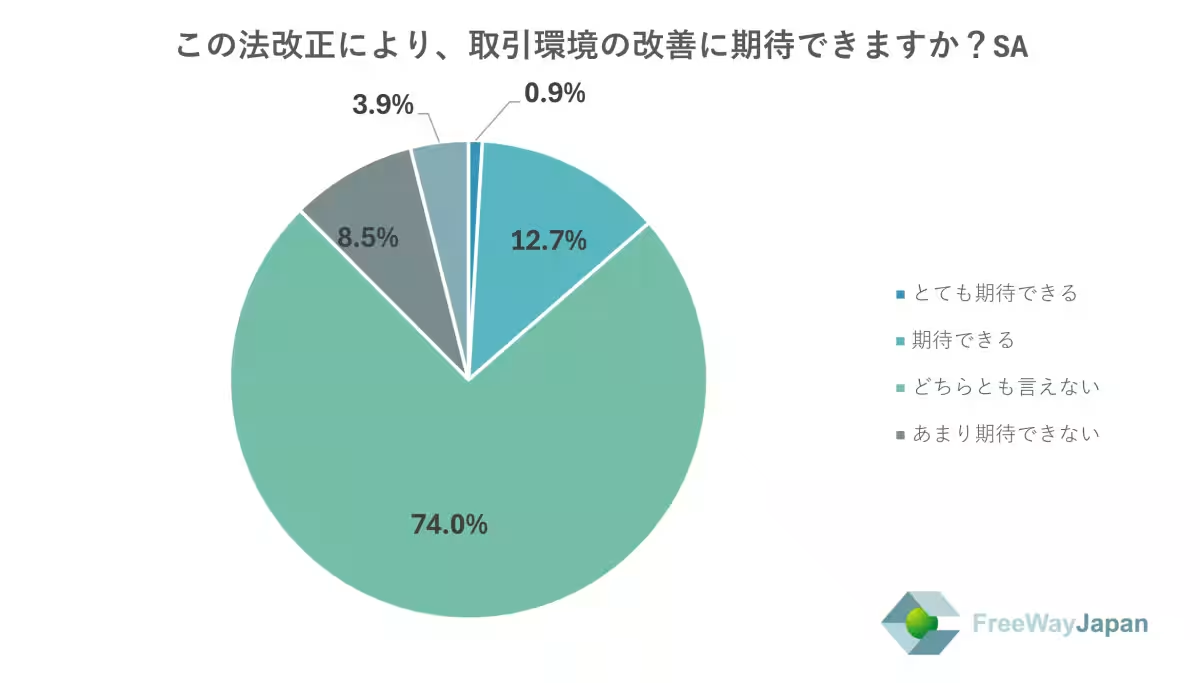
Expectations for improvements in transaction environments due to these amendments reflected a cautious optimism, with 74% of respondents being neutral about the benefits. This highlights a general uncertainty regarding the law's impact on their business operations.
Insights on Labor Cost Negotiations
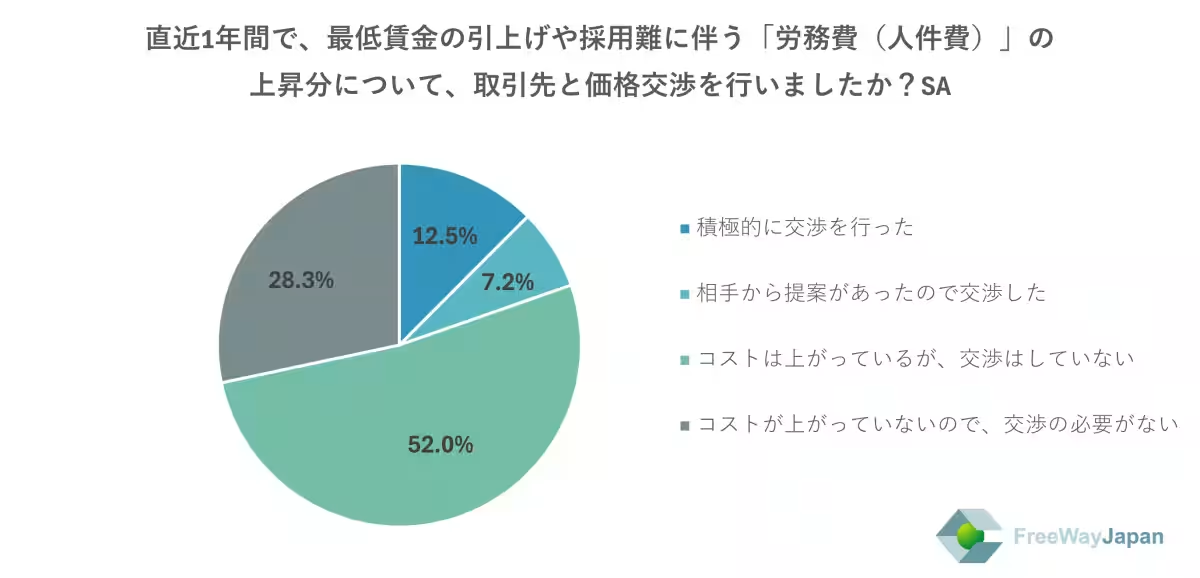
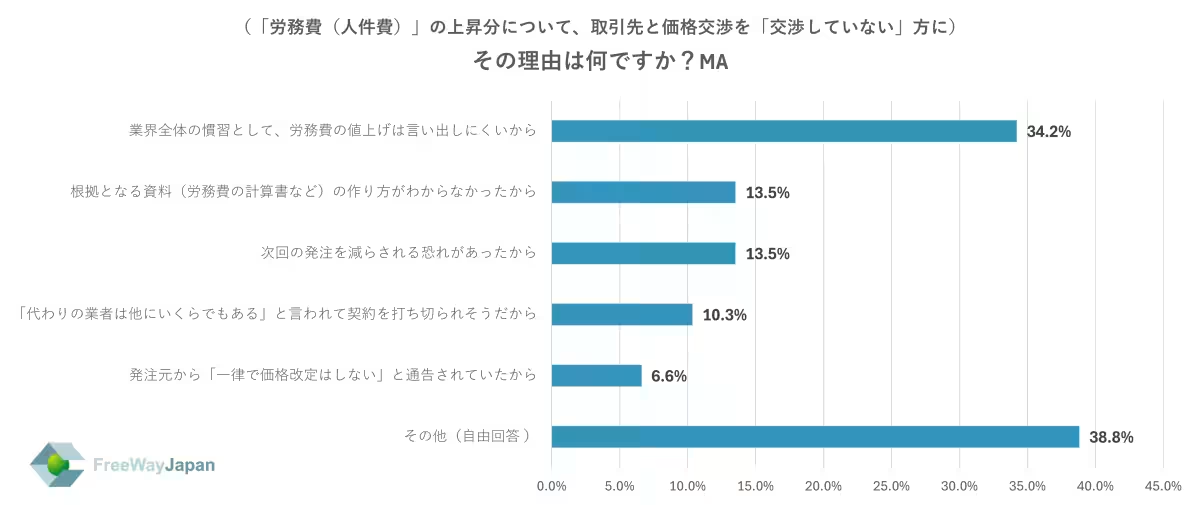
Another significant area of concern addressed in the survey was the negotiation of labor costs (wages), which have seen a rise recently. Strikingly, 52% of respondents admitted they had not engaged in price negotiations despite rising costs. The most prevalent reason for this reluctance was the prevailing industry norm that makes it difficult to request wage increases, underscoring a culture of apprehension that continues to influence business operations.
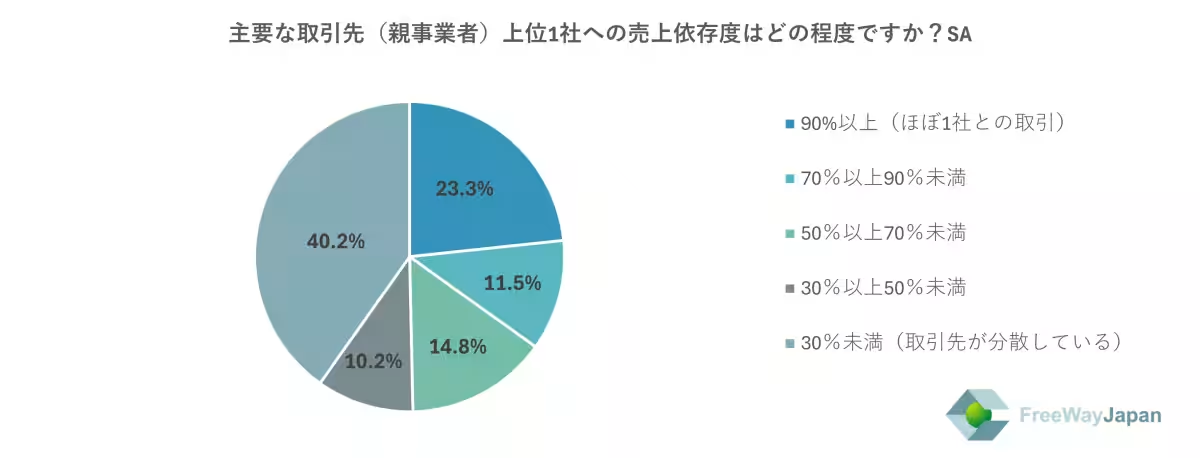
Only 19.7% of participants had actively negotiated prices pertaining to rising labor costs, while 28.3% felt negotiation was unnecessary due to stagnant costs. Participants noted that the landscape of negotiations is further complicated by their dependency on major clients—23.3% of respondents revealed that their sales were contingent upon a single client for over 90% of their business.
Government Intervention: A Mixed Bag of Opinions
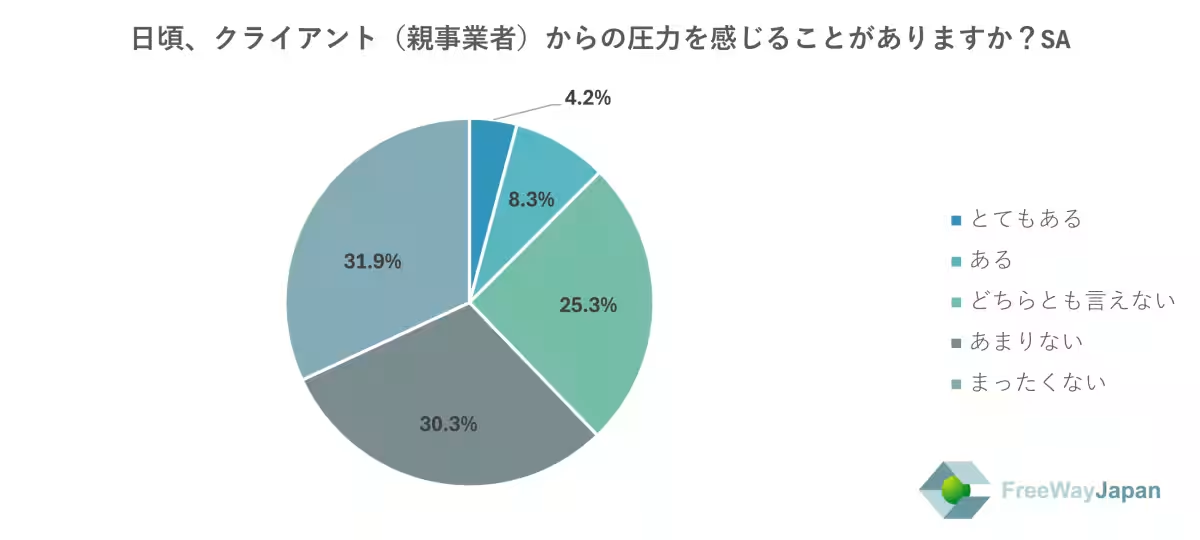
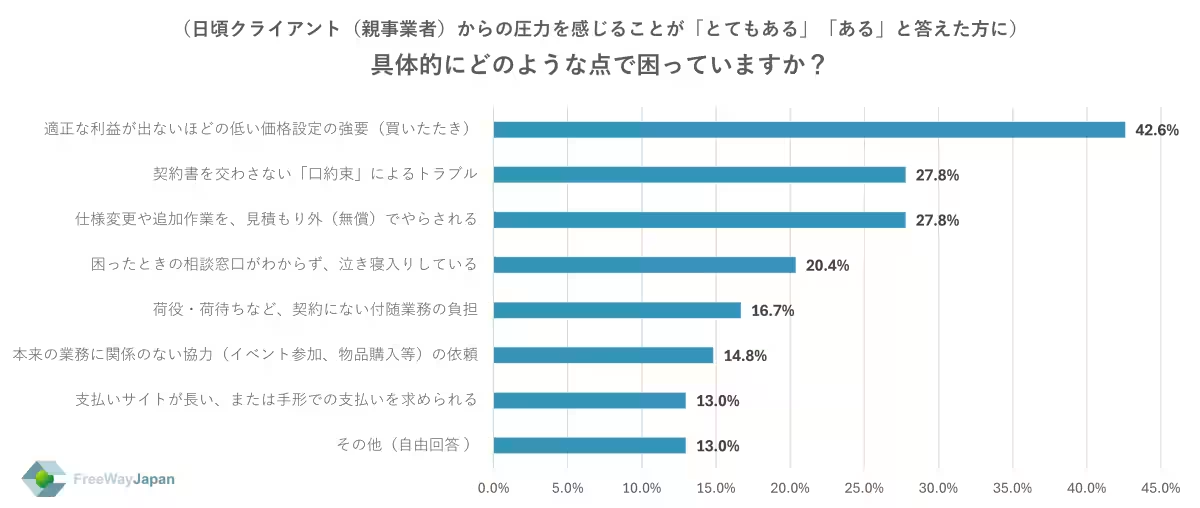
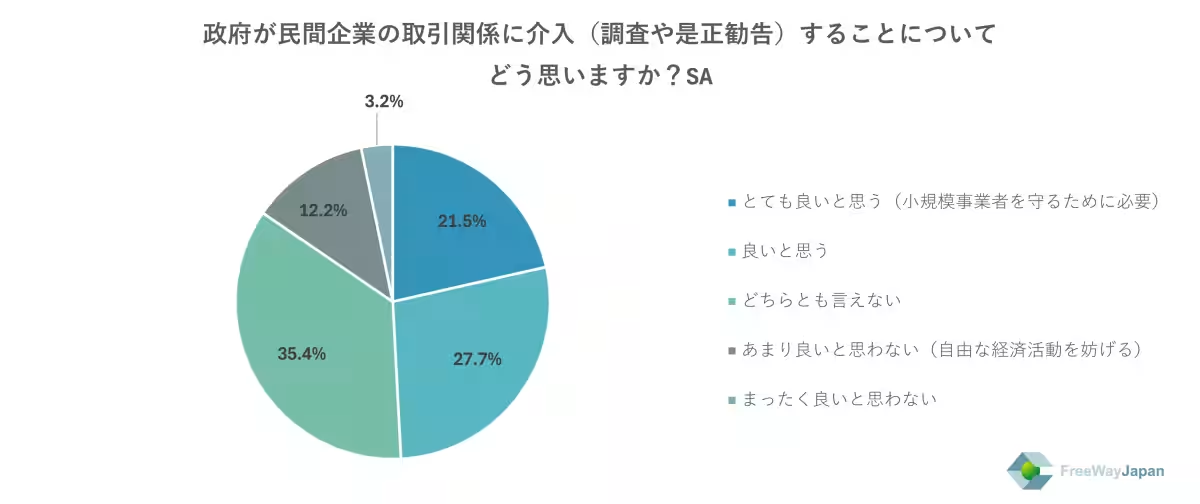
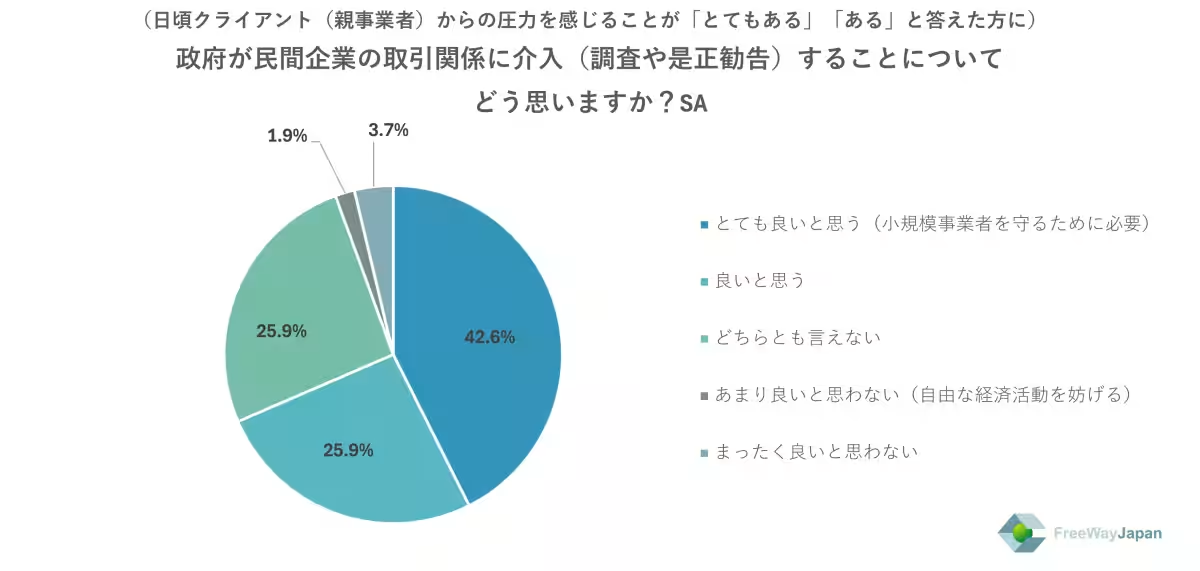
Additionally, the survey explored perceptions of government intervention in private sector transactions. About half of the respondents believed that governmental oversight could be beneficial, indicating a desire for fairer business practices amidst the pressures they contend with from larger clients. Anomalies such as requiring unjustly low prices, verbal contracts leading to disputes, and unpaid additional work were prevalent concerns amongst those feeling pressure from their clients.
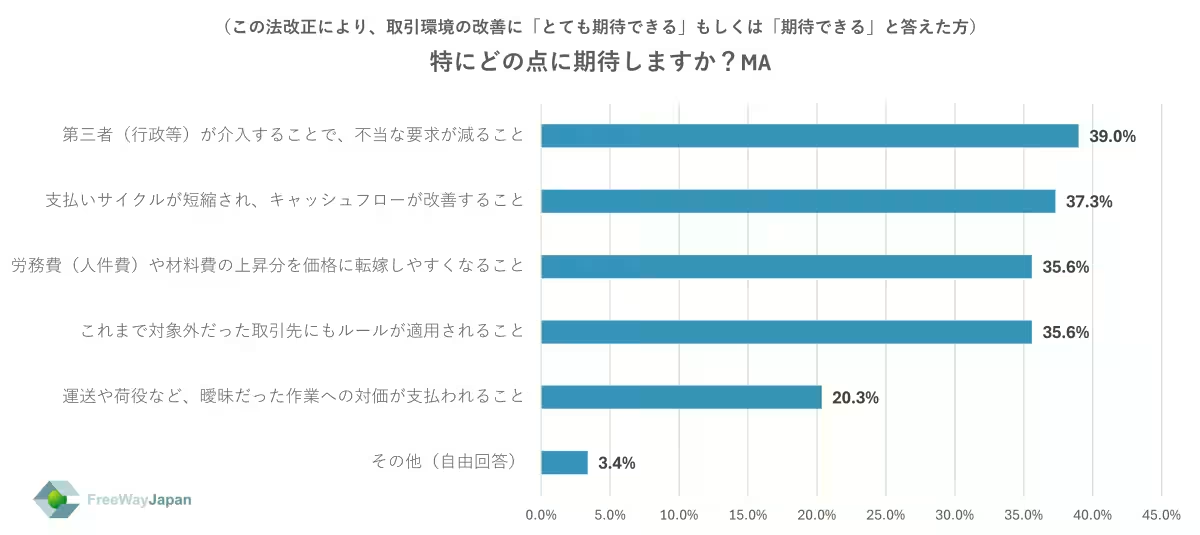
Among respondents who experience frequent pressure, 68.5% expressed a favorable view of government intervention, emphasizing the need for regulatory measures to ensure fair trade practices. Specific expectations included a reduction in unreasonable demands, shorter payment cycles, and the enforcement of regulations to uphold fair wage practices.
Building Trust and Fair Relationships
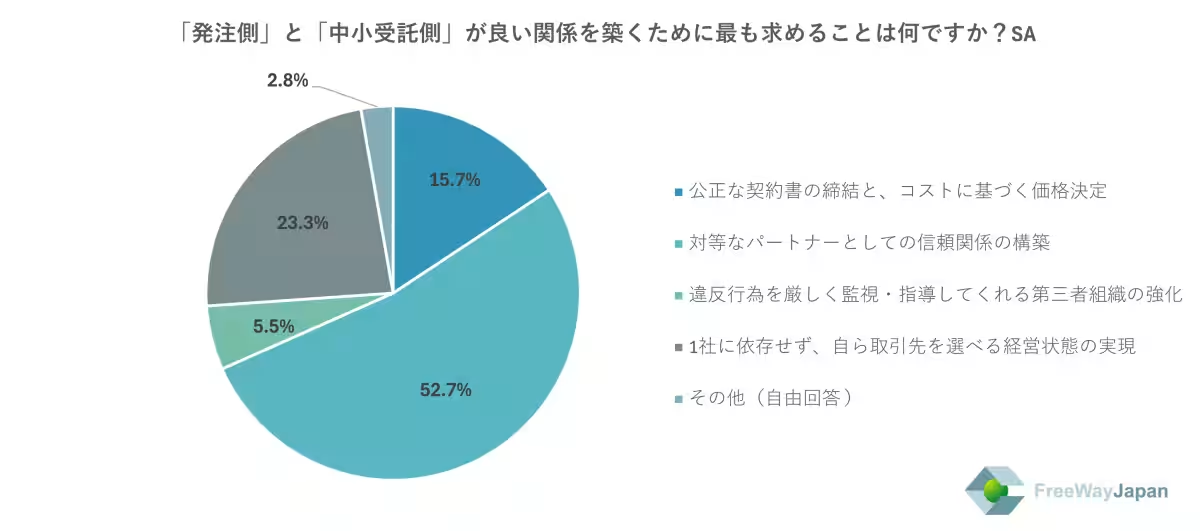
Finally, to cultivate better relationships between contracting and subcontracting parties, 52.7% of respondents identified the importance of establishing trust as equal partners. This finding indicates a collective yearning for balanced business dynamics, where both sides can openly communicate and address grievances.
As Freeway Japan continues to support SMEs, understanding the complexities these businesses face is crucial for advocating for improvements in Japan’s business ecosystem. Regular surveys like this one enable stakeholders to identify and address the critical issues impacting small businesses, aiming toward a more equitable commercial environment.
Overall, this research sheds light on the pressing need for better dissemination of information regarding the Revised Subcontracting Act and the broader implications for Japanese SMEs as they navigate an evolving business landscape.
About Freeway Japan
Founded in 1991, Freeway Japan develops and offers cloud-based services aimed at supporting the back-office operations of SMEs. With core services including accounting and payroll, the company is committed to fostering a robust economic environment by empowering small businesses to thrive without financial constraints.
Topics Business Technology)

【About Using Articles】
You can freely use the title and article content by linking to the page where the article is posted.
※ Images cannot be used.
【About Links】
Links are free to use.