



Exploring the Evolving Dietary Choices of Seniors Amidst Rising Food Prices
Introduction
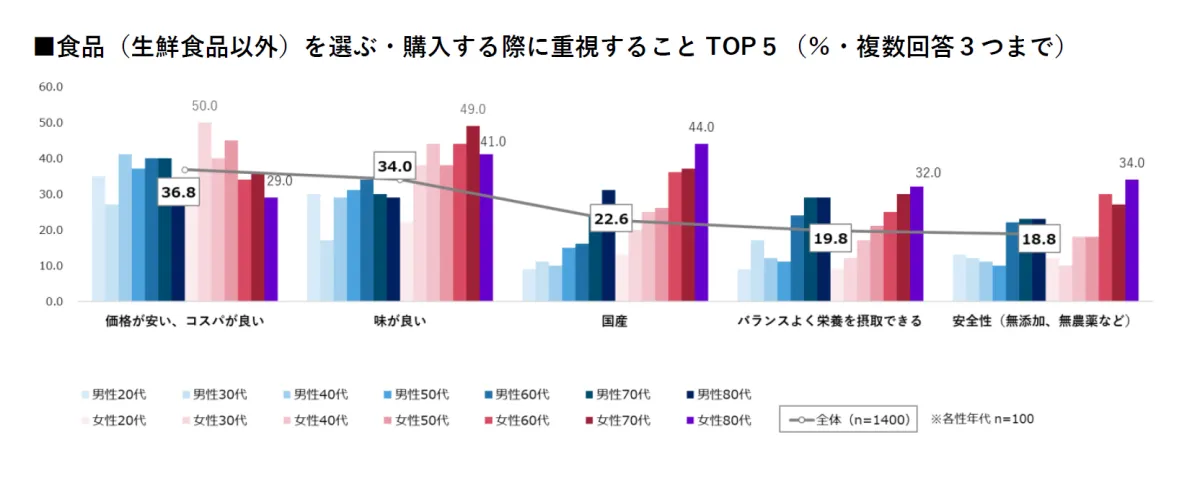
In recent years, food affordability has become a pressing issue for many, especially among seniors aged 50 and above. A recent survey conducted by Halmeque's Life Skills Research Institute highlights an important shift in dietary choices among this demographic. While price remains a significant factor, older adults are increasingly emphasizing taste, nutritional balance, and provenance over sheer cost savings.
Key Findings
The survey collected responses from 1,400 individuals aged 20 to 89 across Japan, unveiling critical insights into the changing landscape of food consumption among seniors. One of the standout findings indicates that the priority in food selection shifts with age. While younger adults, especially women in their 30s, focused heavily on affordability, those in their 70s and 80s placed more importance on flavor and nutritional value.
The Shift to Health
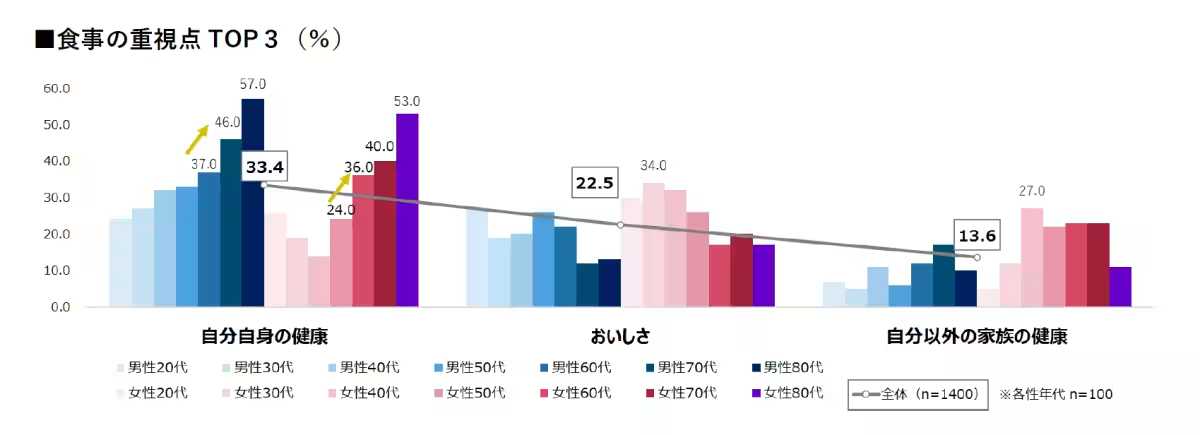
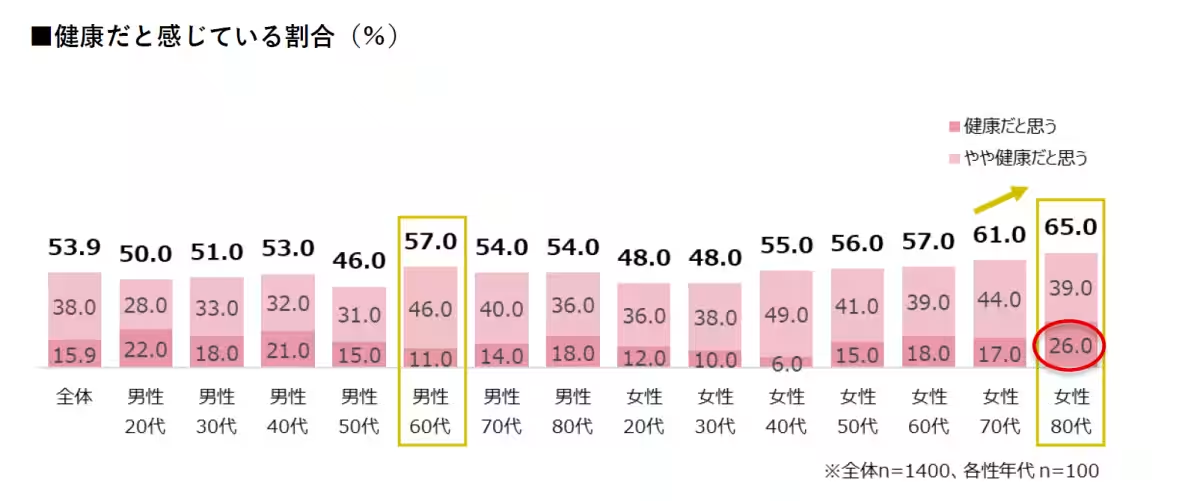
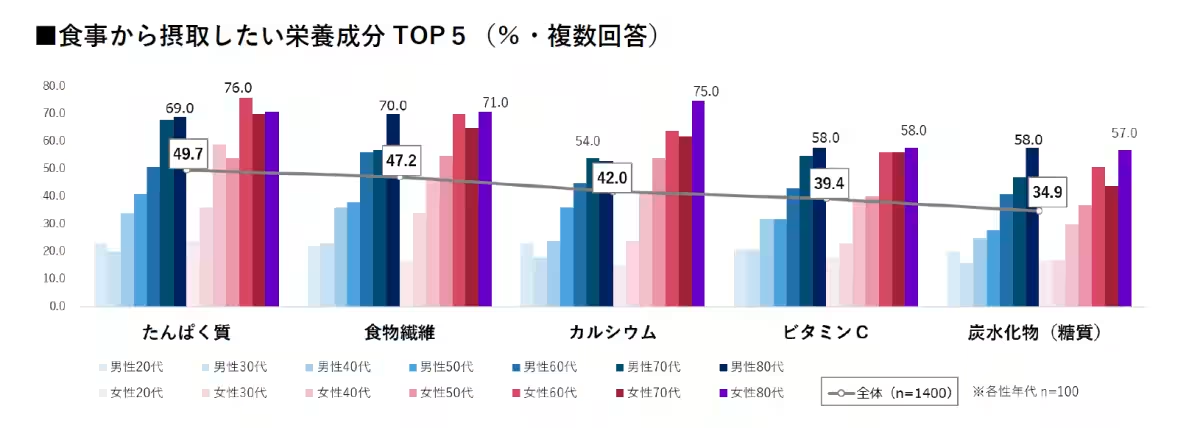
A noticeable trend identified in the study is the transition from valuing taste to prioritizing health, especially among individuals in their 60s and 70s. The survey reported that among those in their 80s, the perception of being healthy is notably higher among women, suggesting a growing awareness and concern for personal well-being in older age groups. For example, 50% of octogenarians regard their health as a priority when choosing meals, indicating a conscious effort to incorporate more protein, fiber, and calcium into their diets, essential for preventing frailty.
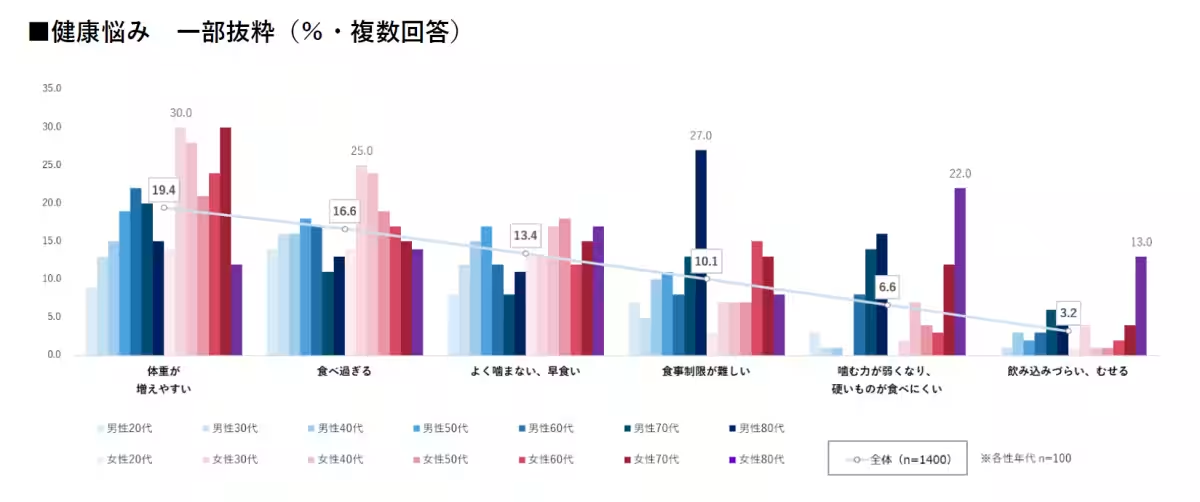
Interestingly, women in their 80s seem to have fewer concerns about overeating or weight gain. Conversely, rising worries about chewing strength and swallowing difficulties have surfaced, a stark reminder of the physical changes accompanying aging.
Food Choices Reflecting Economic Pressures
The present economic climate, characterized by price hikes, forces many to adapt their dietary habits. The survey showcased respondents increasingly opting for affordable yet nutritious options. For example, there’s been a notable rise in the purchase of tofu and natto among those looking for budget-friendly food choices that do not compromise health.
Participants cited a preference for whole foods and more natural options such as oatmeal and Greek yogurt, indicating a keen interest in gut health and overall wellness. On the flip side, traditional treats like sugary snacks and pre-packaged meals were being abandoned as health-conscious decisions take precedence.
Keeping it Luxurious Yet Affordable
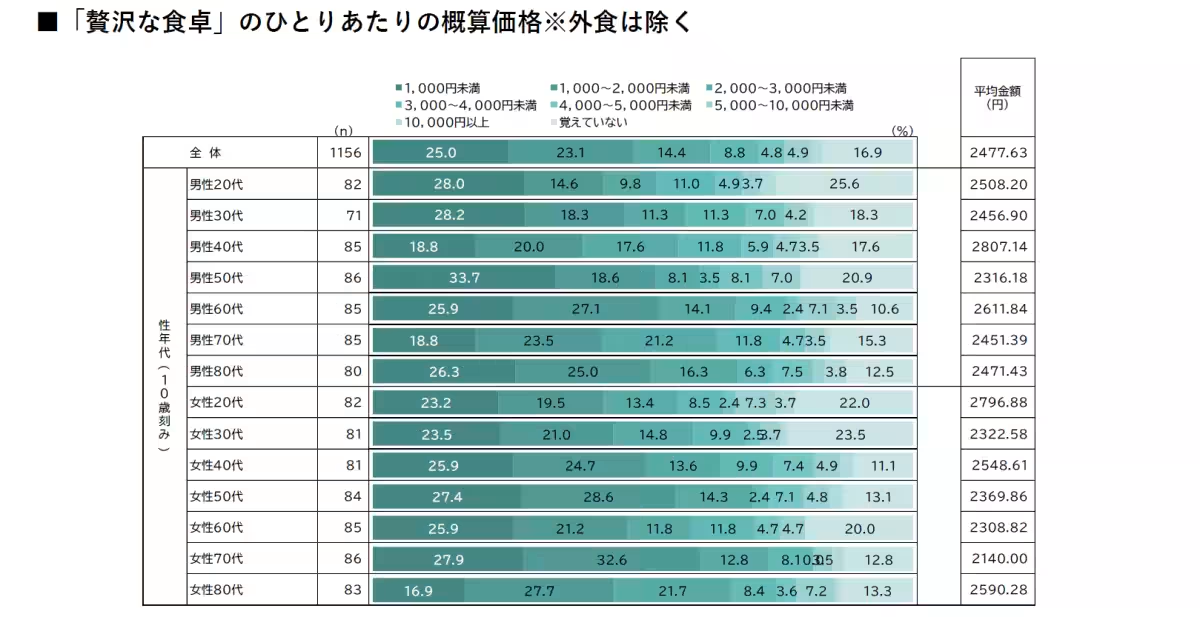
Despite the economic pressures, the concept of enjoying occasional indulgences remains strong. Respondents painted a picture of

Topics Consumer Products & Retail)



【About Using Articles】
You can freely use the title and article content by linking to the page where the article is posted.
※ Images cannot be used.
【About Links】
Links are free to use.