




The Comprehensive History of Architecture: From Prehistoric Dwellings to Modern Skyscrapers
Discovering Architectural Heritage
The newly released book, 'The Complete History of Architecture,' published by Tokyo Shoseki Co., Ltd., represents a profound journey through more than 10,000 years of architectural evolution. Set to be available on August 19, 2025, this impressive volume is curated by Dr. Barnabas Calder and supervised in its Japanese version by Taro Igarashi, a well-known architectural historian and critic.
A Visual Feast of Architectural Milestones
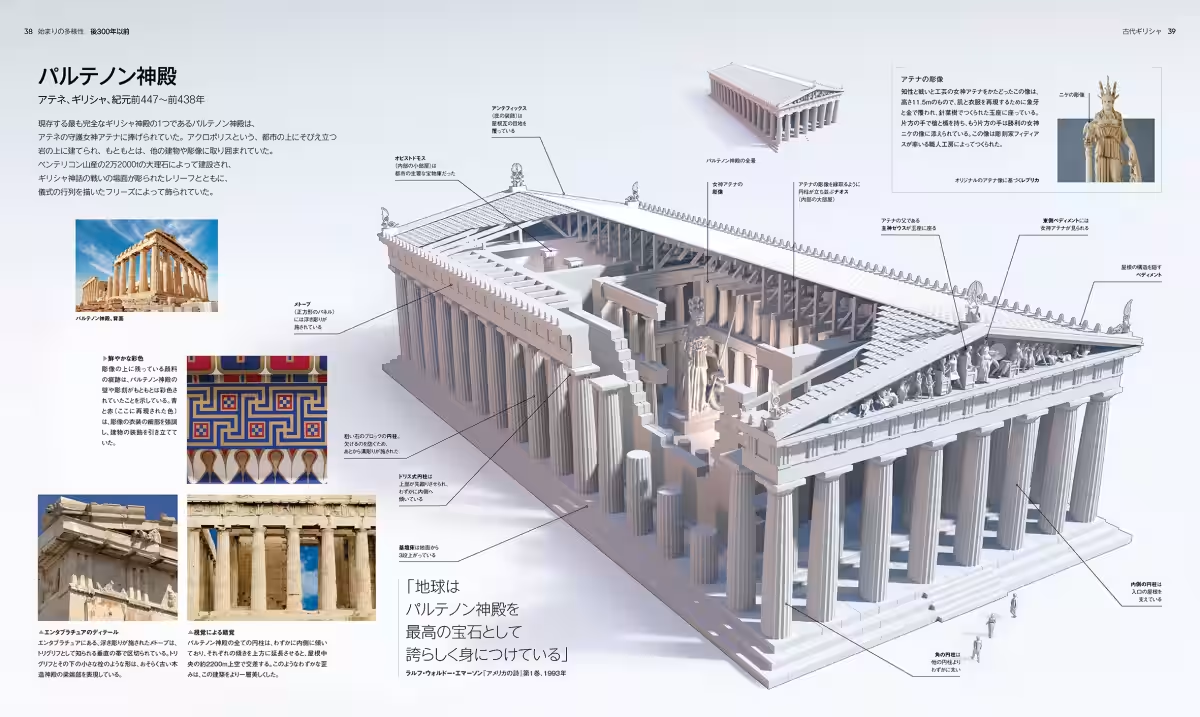
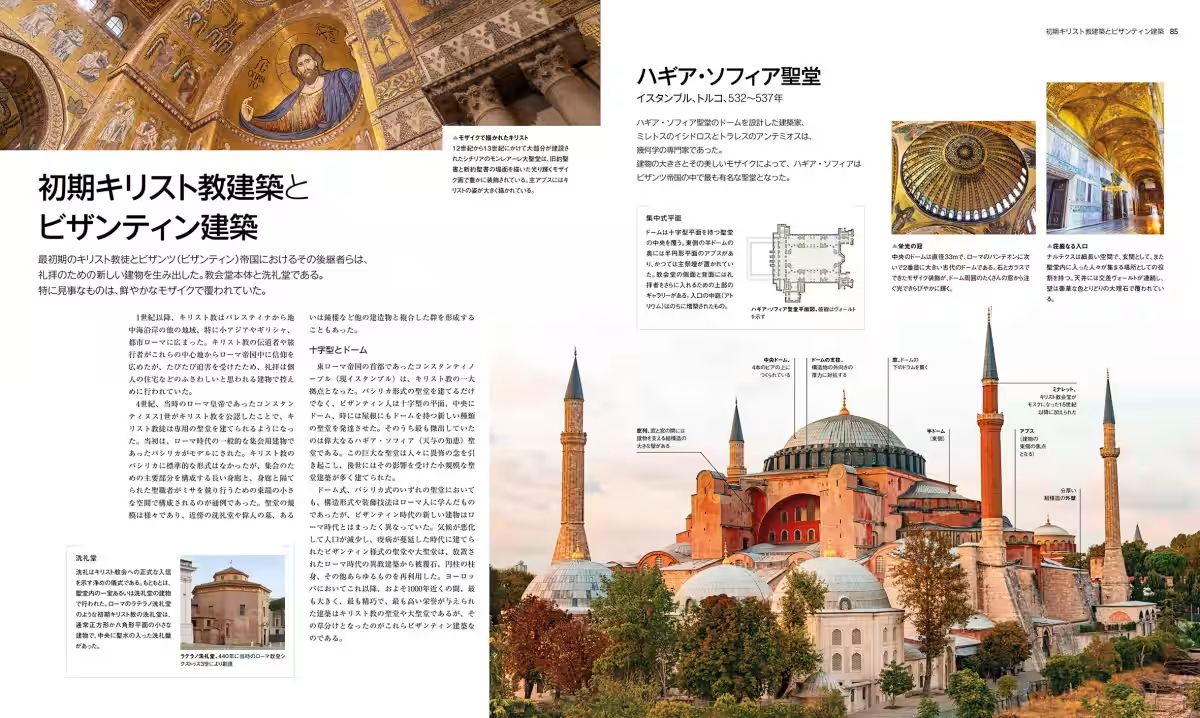
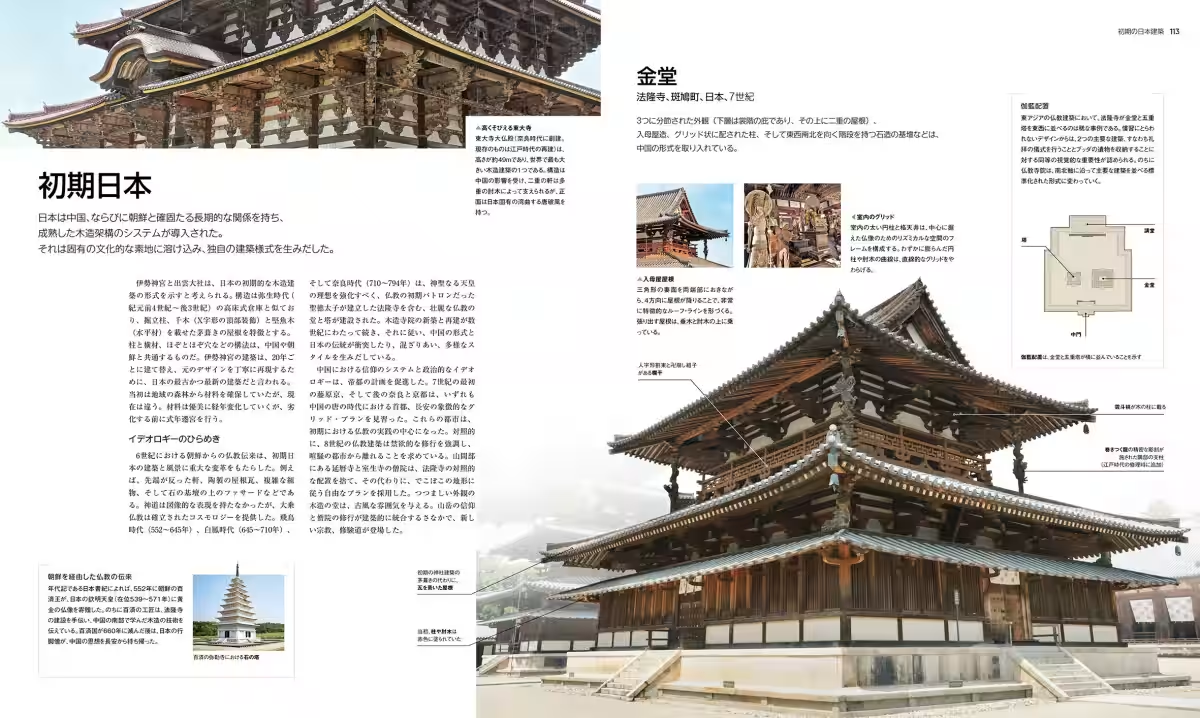
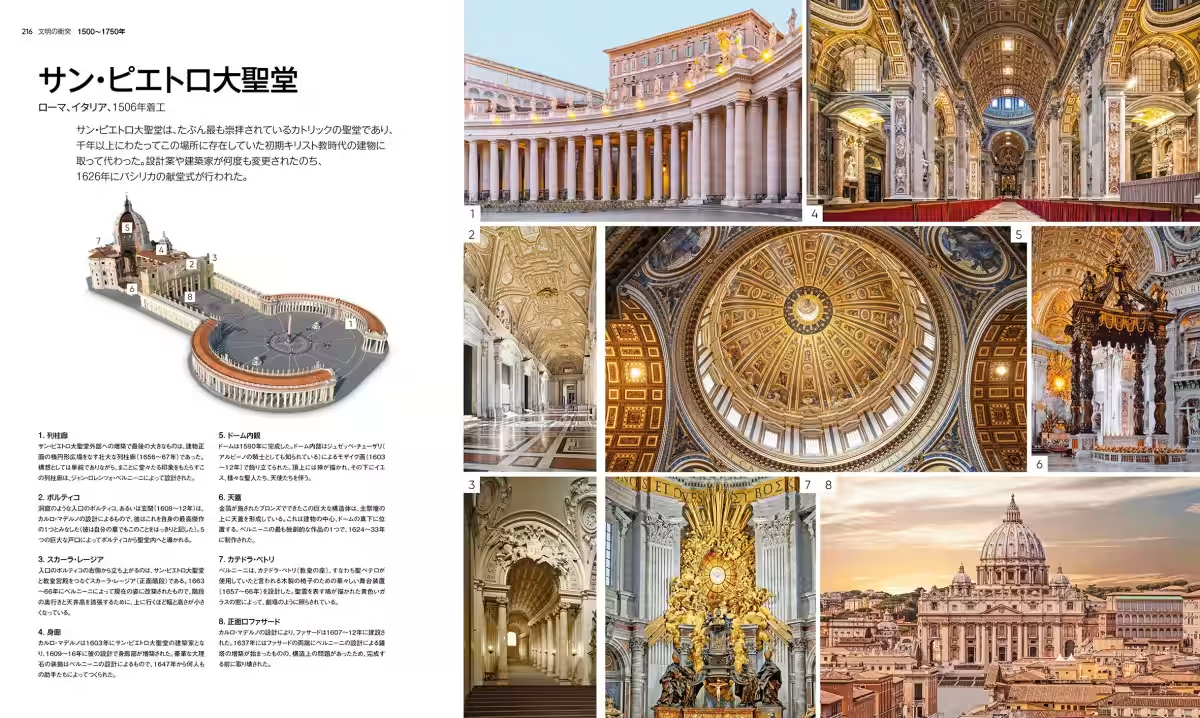
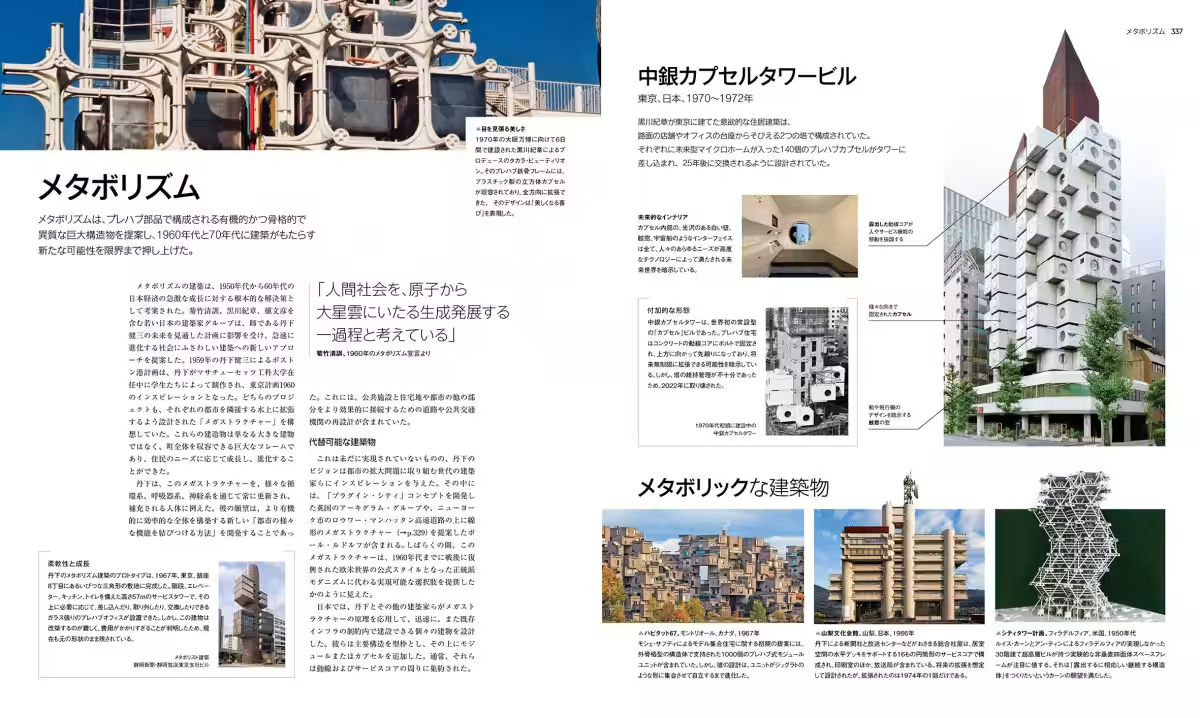
One of the book's most striking features is its breathtaking visual appeal. Numerous large-format color photographs offer a detailed glimpse into architecture's rich history—ranging from prehistoric houses crafted from mammoth bones to modern masterpieces like the Bilbao Guggenheim Museum. The meticulous design includes diagrams and annotations that elucidate architectural elements, allowing readers to appreciate the intricate details that define global architecture across time.
Diverse Architectural Representation
The breadth of content in this volume is remarkable. It captures significant architectural works from various regions, including Europe, North America, Africa, the Middle East, Asia, and Central and South America. By doing so, the book not only showcases architectural styles but also highlights the cultural diversity that has shaped these designs.
Thematic Organization of Architectural History
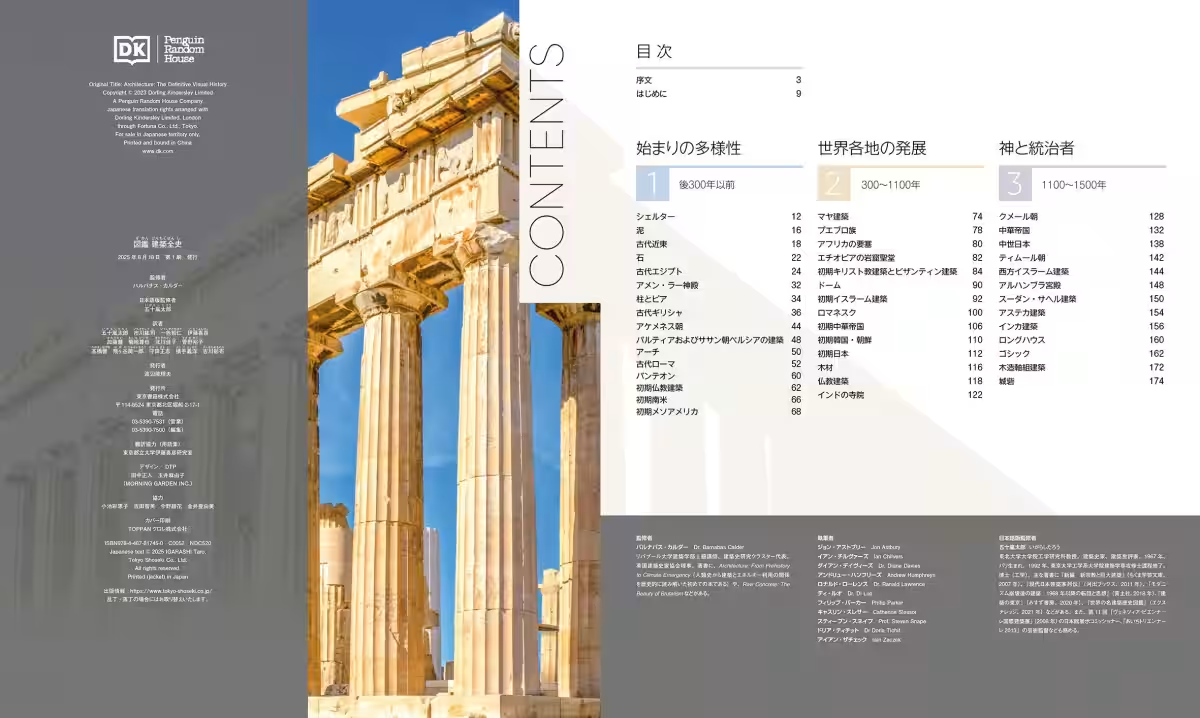
A significant aspect of 'The Complete History of Architecture' is its organization. The book meticulously categorizes architectural developments into chronological segments, from ancient ruins to contemporary structures:
1. Diversity in Beginnings: Covers structures from prehistoric times using mud and stone to develop early architecture in ancient Egypt and Greece.
2. Global Development: Examines architectural advancements worldwide between 300 and 1100 AD, including Mayan architecture and medieval Japanese designs.
3. Divinity and Governance: Focuses on the relationship between architecture and power from 1100 to 1500, highlighting structures like the Alhambra Palace and Gothic cathedrals.
4. Clash of Civilizations: Discusses the impact of cultural exchanges on architecture from 1500 to 1750.
5. Rise of Coal: Chronicles the influence of coal and soot on architectural styles from 1730 to 1900, introducing readers to essential design movements.
6. Oil and Electricity: Explores the evolution of architecture in the 20th century under the influence of oil and electricity, showcasing iconic creations like the Sagrada Familia.
7. Crisis and Hope: Presents contemporary architecture's responses to modern challenges, including sustainability and minimalism.
Insights from Experts
The guidance from Dr. Barnabas Calder emphasizes the importance of understanding architectural history as crucial for recognizing our present and future challenges on Earth. Along with Taro Igarashi's supervision, the authors underscore the vast cultural narratives each architectural work embodies.
Extending Knowledge through Additional Resources
The book also includes valuable supplementary content, such as a glossary of terms and an overview of notable architectures and architects, allowing readers to delve deeper into the subject.
Conclusion
The 'Complete History of Architecture' is poised to become a significant resource for architecture students, professionals, and anyone passionate about cultural heritage. With its compelling visuals and scholarly depth, it promises to both inform and inspire generations to come.
Additional Information
- - Price: 6,930 yen (including tax)
- - Pages: 440, A4 format
- - Learn more at Tokyo Shoseki


Topics Consumer Products & Retail)
【About Using Articles】
You can freely use the title and article content by linking to the page where the article is posted.
※ Images cannot be used.
【About Links】
Links are free to use.