



The Modern Marriage: A Survey on Ideal Fathers and Husbands in Japan
Understanding the Modern Expectation of Fathers and Husbands in Japan
On the occasion of Father's Day in Japan, a recent survey conducted by IBJ (a leading marriage agency in Shinjuku, Tokyo) through its BridalNet app highlights the shifting perspectives of young adults towards fathers and marital expectations. The survey, which involved 1,237 users of the app, delves into the image of an ideal father and husband in contemporary society, reflecting significant changes from traditional views.
Survey Insights
Respect Versus Desire for Partnership
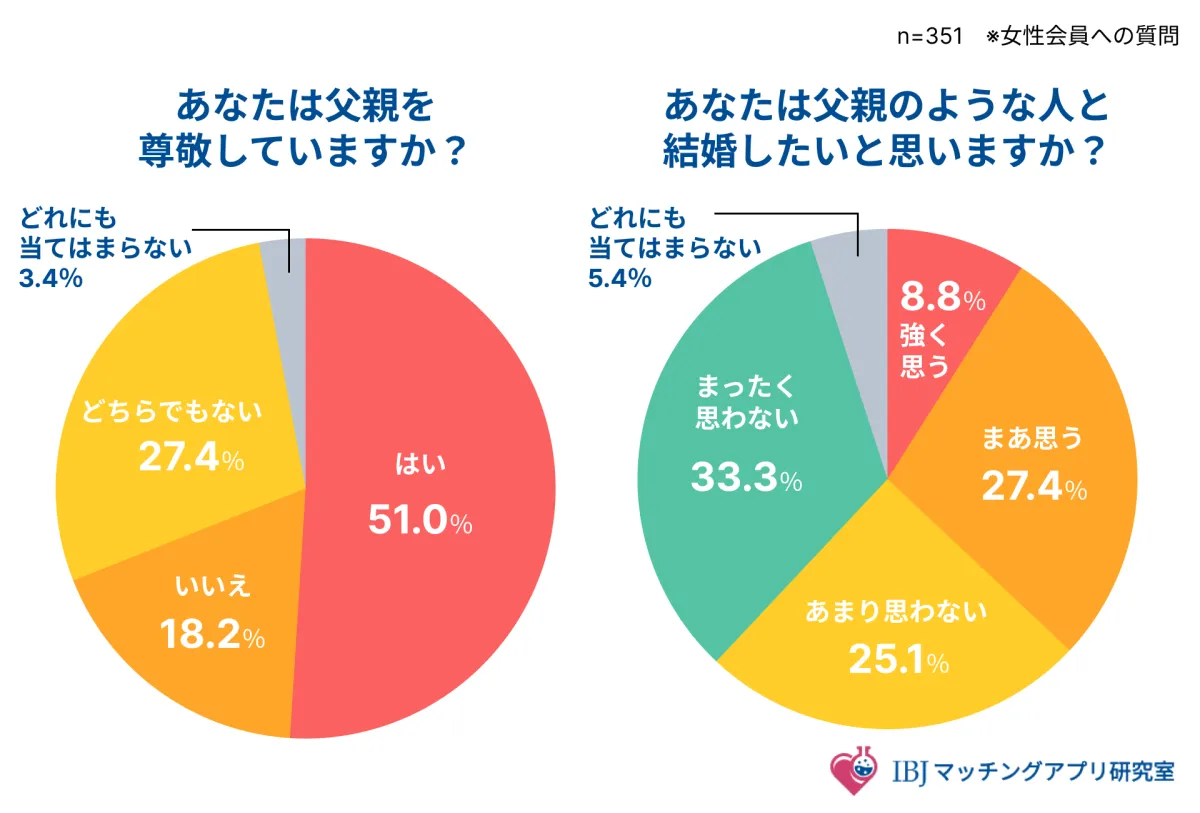
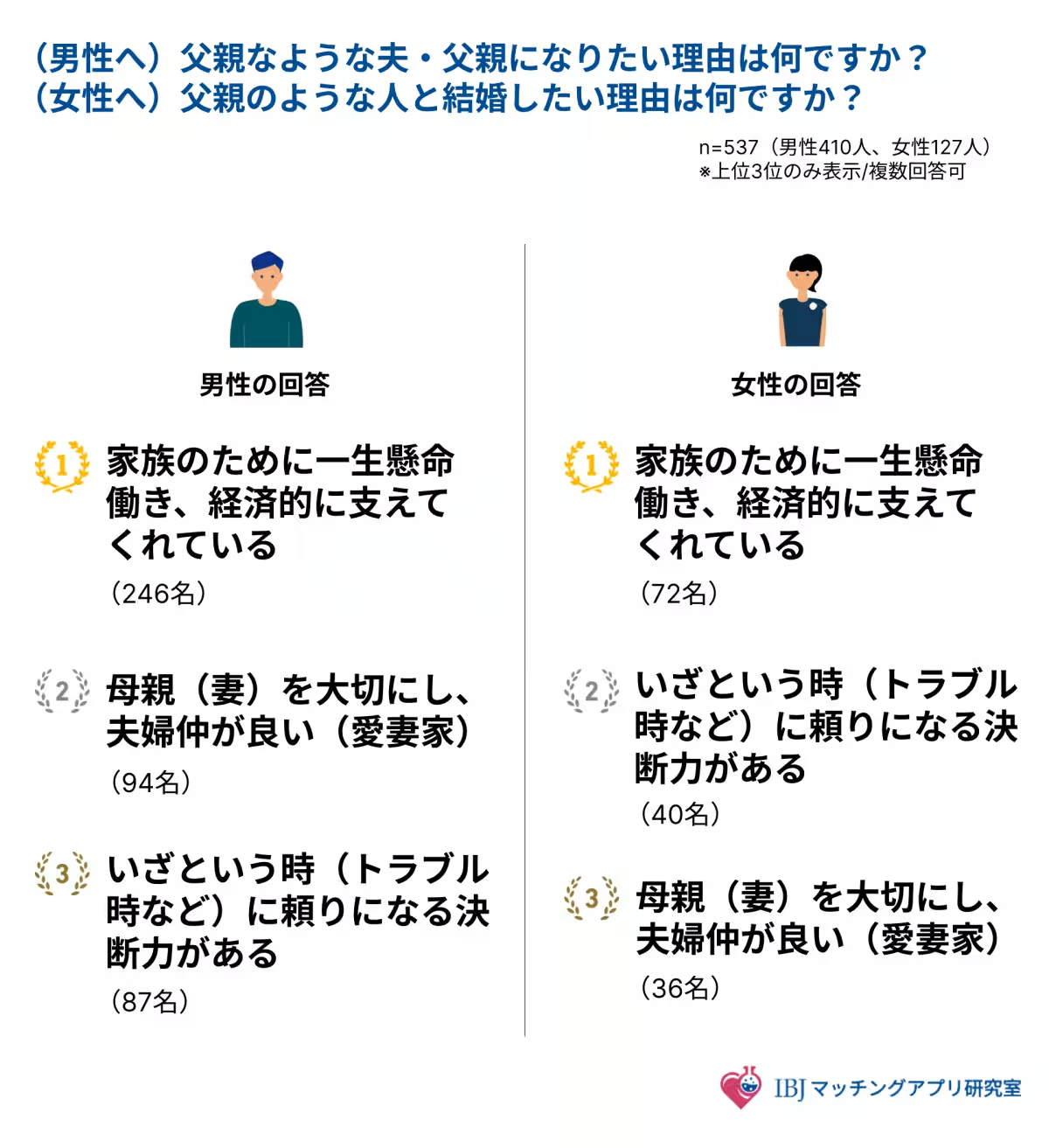
While over half of the female respondents expressed respect for their fathers, only about 40% indicated a desire to marry someone like them. This discrepancy illustrates a shift in values, where the appreciation for the role of fathers as traditional providers does not necessarily translate into marital ideals. Many women acknowledged the importance of their fathers' nurturing qualities but emphasized the need for equal partnership in relationships, highlighting values such as sharing domestic responsibilities and emotional support.
Common Attributes of Ideal Fathers and Husbands
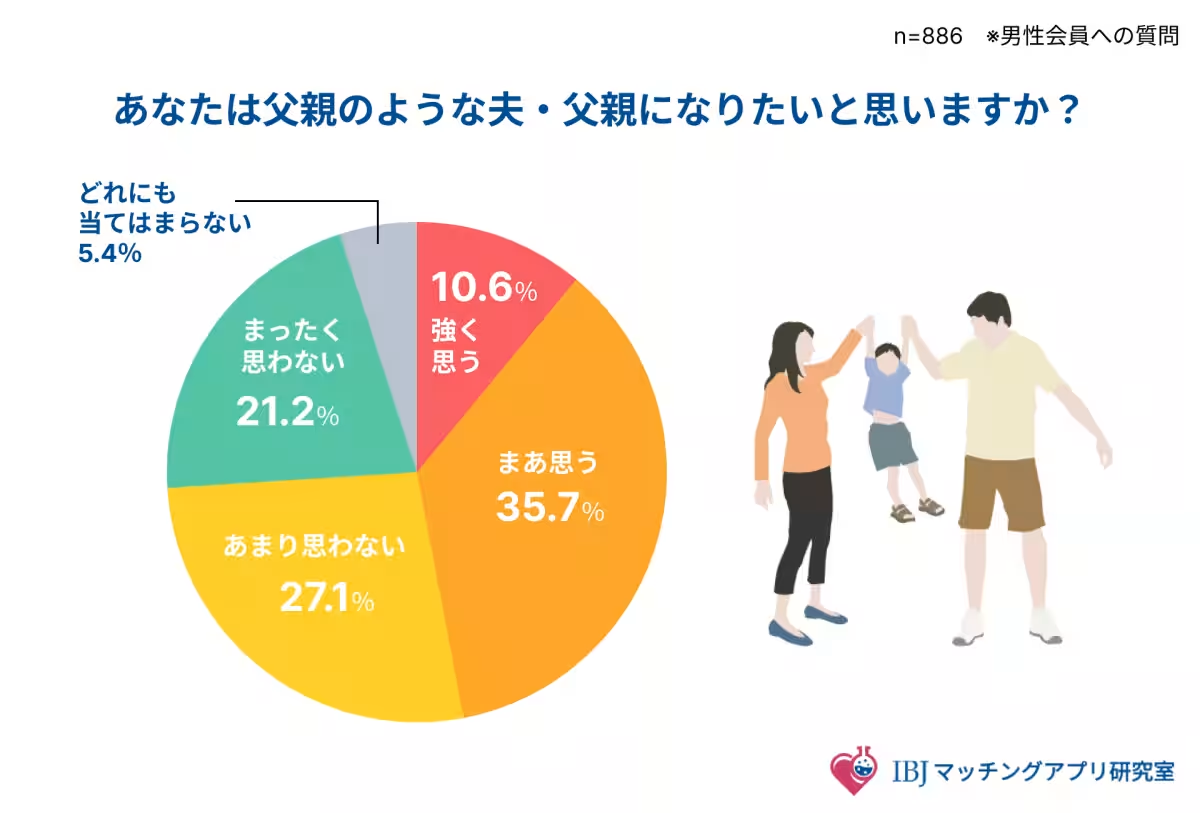
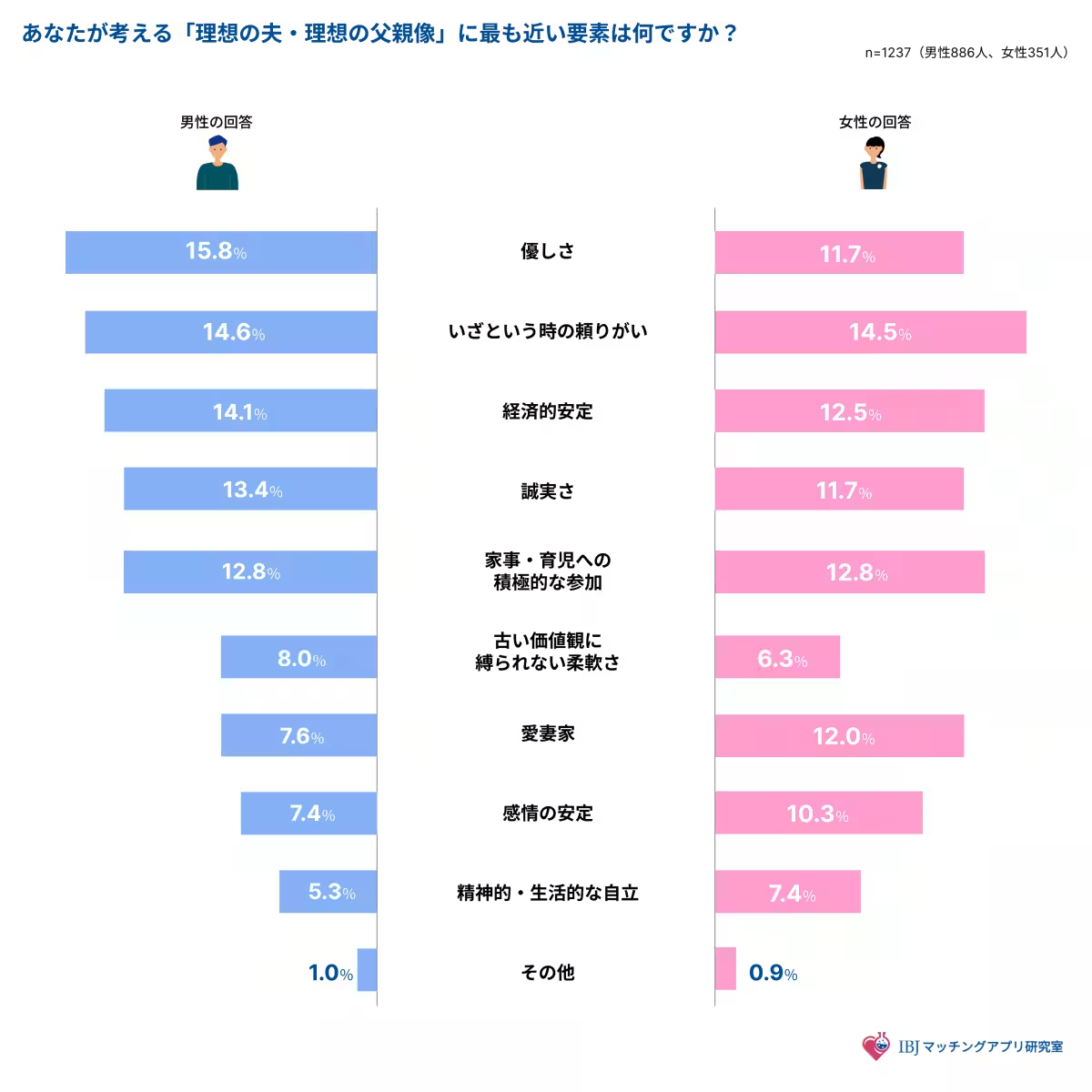
When asked about their vision of an ideal father or husband, respondents favored attributes such as emotional support, willingness to participate in household tasks, and strength in times of need over financial stability alone. For women, qualities like reliability in challenging situations topped the list, while men highlighted kindness as a pivotal trait.
Communication Over Traditional Authority
Interestingly, the survey revealed that younger men are steering away from depicting themselves as authoritative figures, rejecting the stereotype of the 'tough patriarch.' Instead, they expressed a preference for building relationships based on dialogue and mutual respect. The father's traditional image as a strict disciplinarian is increasingly being replaced by ideals of a communicative and emotionally intelligent partner.
The Balance Between Respect and Reality
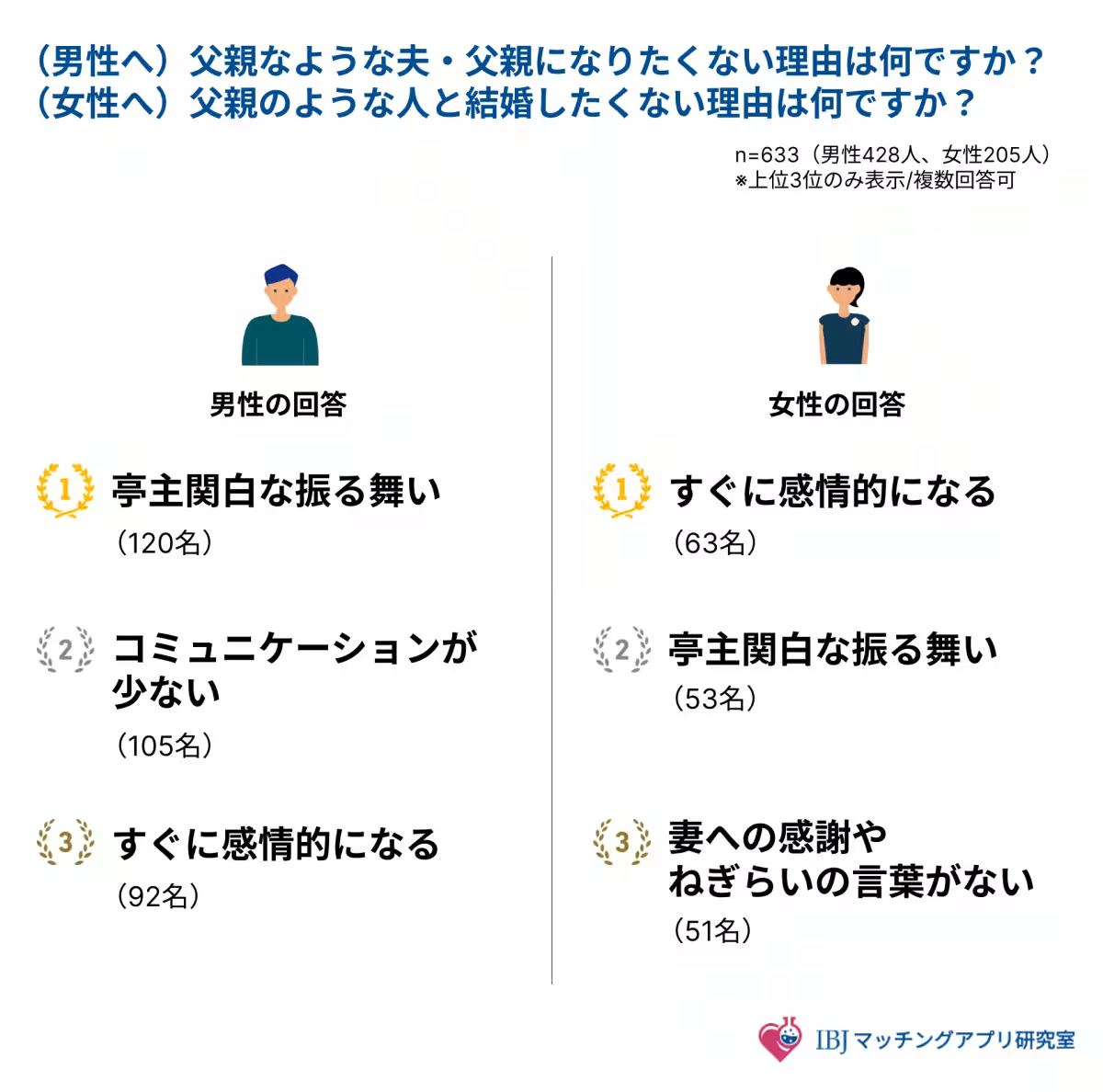
Despite the negative aspects noted about their fathers' behaviors, many respondents still reflected on the positive attributes that shaped their respect for them. Comments indicated a deep appreciation for the hard work and economic support that fathers provided, but the notion of wanting to replicate that model in their partners has diminished significantly. Women expressed a desire for relationships where mutual respect and communication are prioritized over rigid expectations.
The Shift Towards Equality
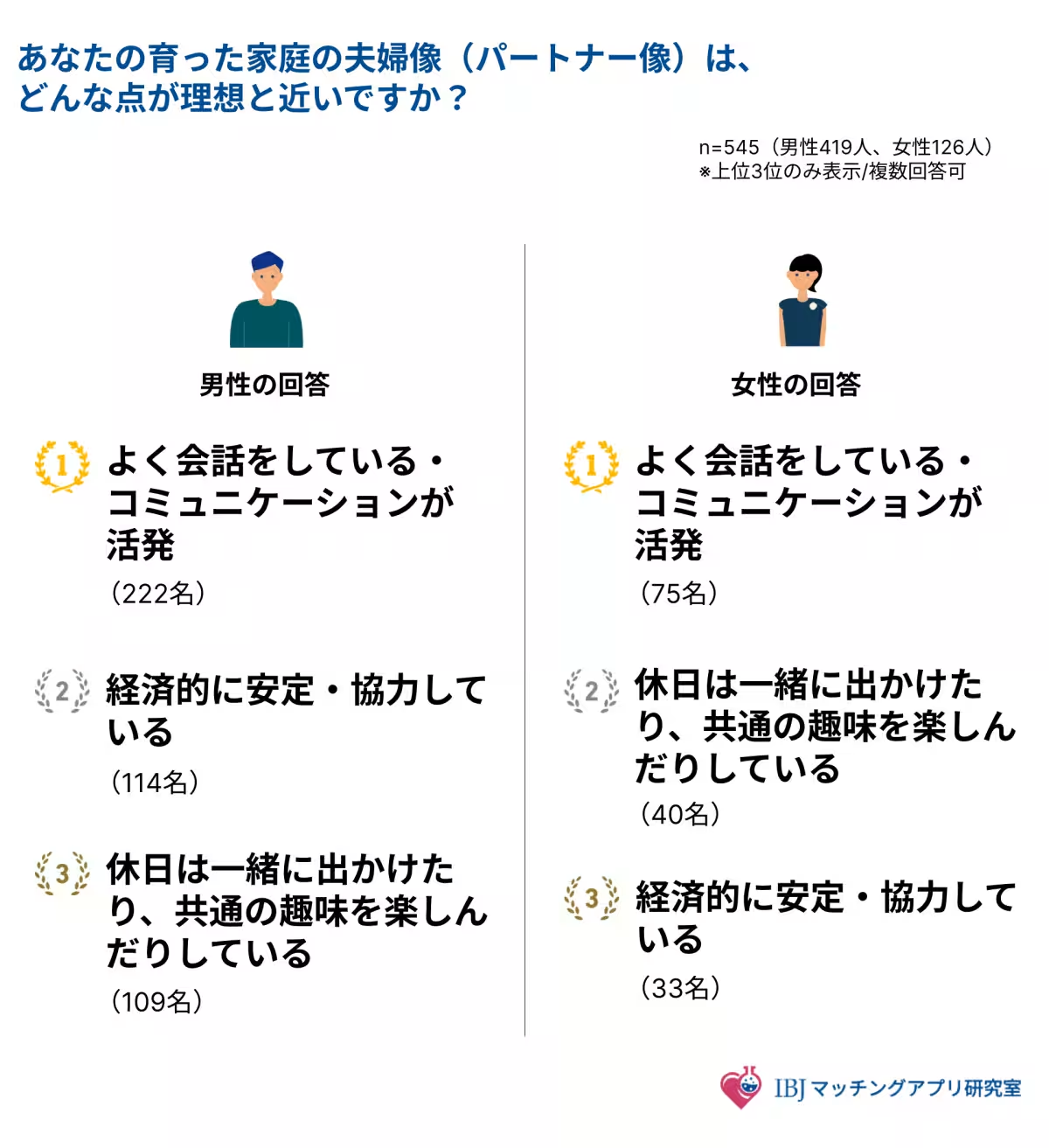
Moreover, the survey indicates that young adults today seek to create families where both partners can share domestic tasks and take equal responsibility. Quality time spent together, robust communication, and joy in shared activities emerged as essential elements for an ideal partnership. Many participants reminisced about warm family moments, such as shared meals and vacations, underscoring a longing for connection rather than mere economic stability.
Conclusion
As we commemorate Father's Day, this survey offers valuable insights into how the evolving expectations of young adults regarding fathers and husbands reflect broader social changes. The challenge for the current generation lies not only in recognizing the contributions of their fathers but also in forging relationships that prioritize psychological safety, open dialogue, and equitable partnerships. As individuals navigate the complexities of modern romance, platforms such as BridalNet aim to support their journey towards finding partners who align with these ideals, fostering healthier, more balanced relationships.

Topics People & Culture)
【About Using Articles】
You can freely use the title and article content by linking to the page where the article is posted.
※ Images cannot be used.
【About Links】
Links are free to use.