



Transforming Workplace Health Support: Effective Consultation Pathways for Women's Issues
Addressing Women’s Health Issues in the Workplace
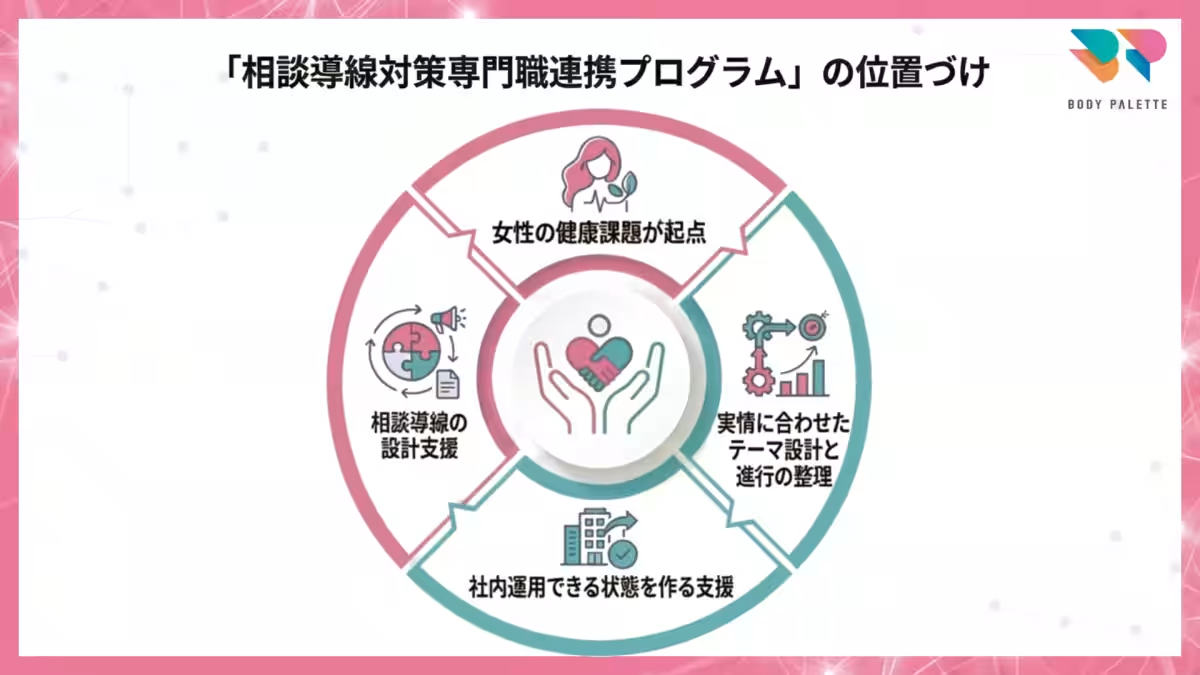
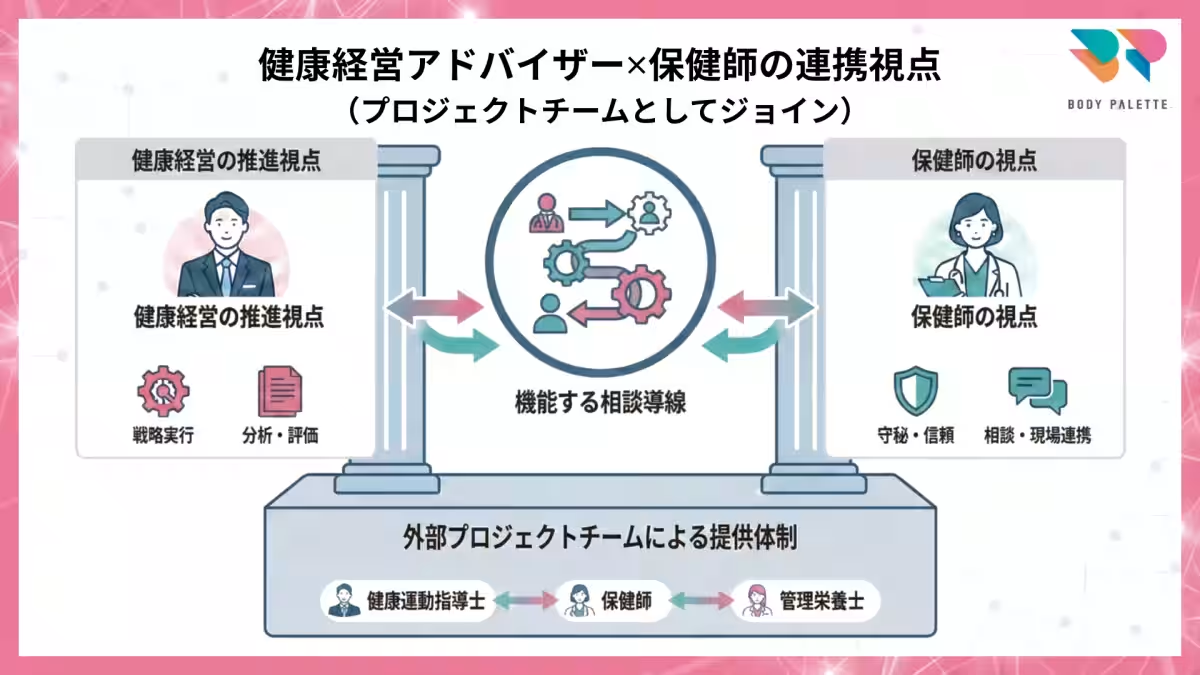
Fractal Workout Co., located in Shibuya, Tokyo, has recently launched a new initiative aimed at providing support for establishing health consultation pathways specifically designed for women’s health issues. This article will delve into how to navigate the design and operational considerations of these consultation routes, especially in workplaces where discussions about health might be less than forthcoming, through the collaboration of health management advisors and nurses.
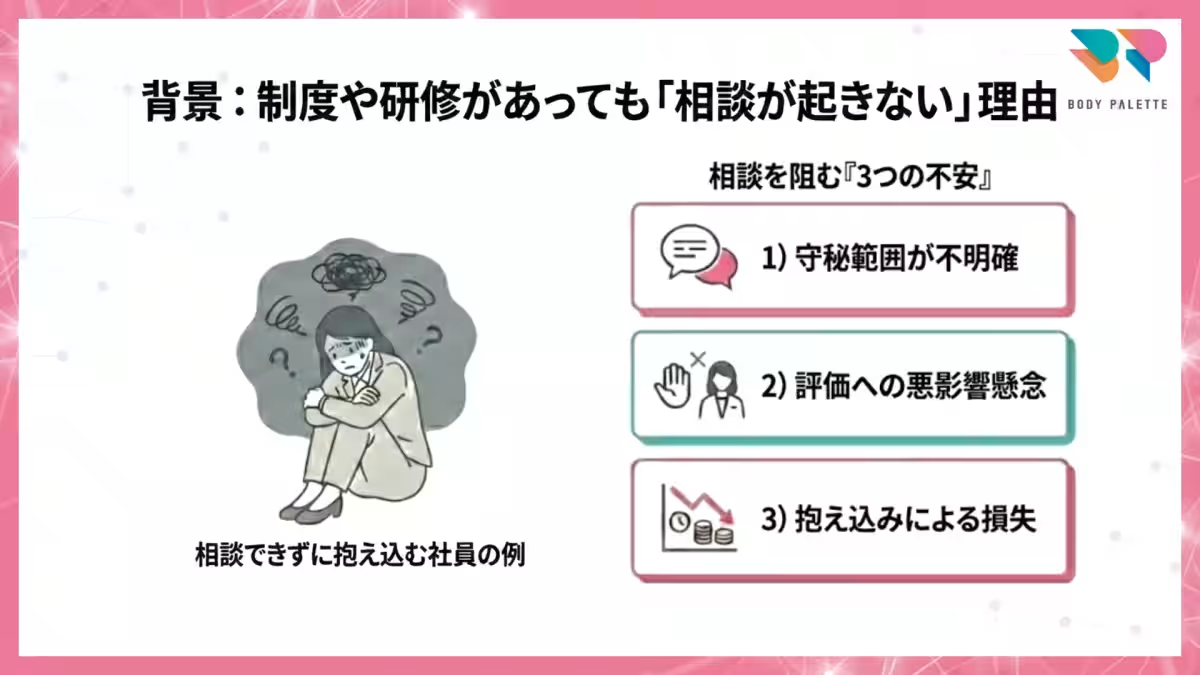
Background: Why Consultations Fail to Materialize
Even with systems and training programs in place, if consultations do not take place, the initiatives will ultimately fail. One of the core reasons for the lack of consultations is not merely the absence of a designated point of contact. There exists a lingering anxiety about what happens after one seeks help—questions about who will be informed, whether records are kept, and if it could impact their evaluations. This uncertainty often leads individuals to bear their burdens in silence, resulting in delays of action and escalating unseen issues that can lead to greater losses over time.
Common Issues in Workplace Consultation Dynamics
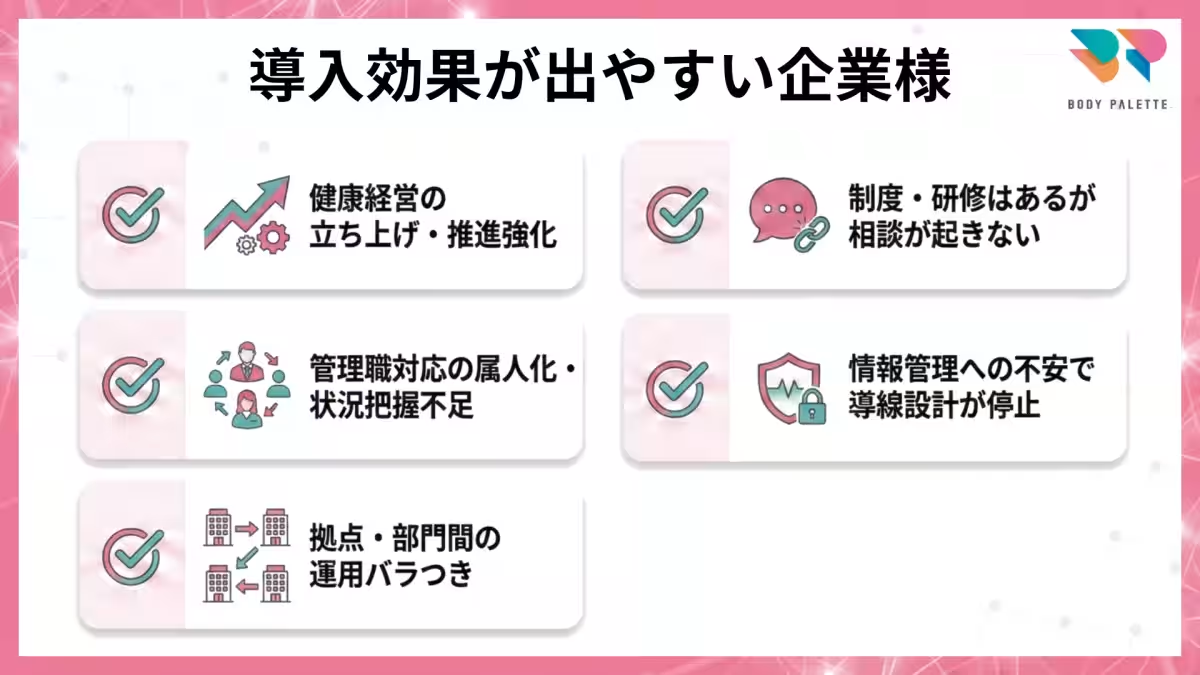
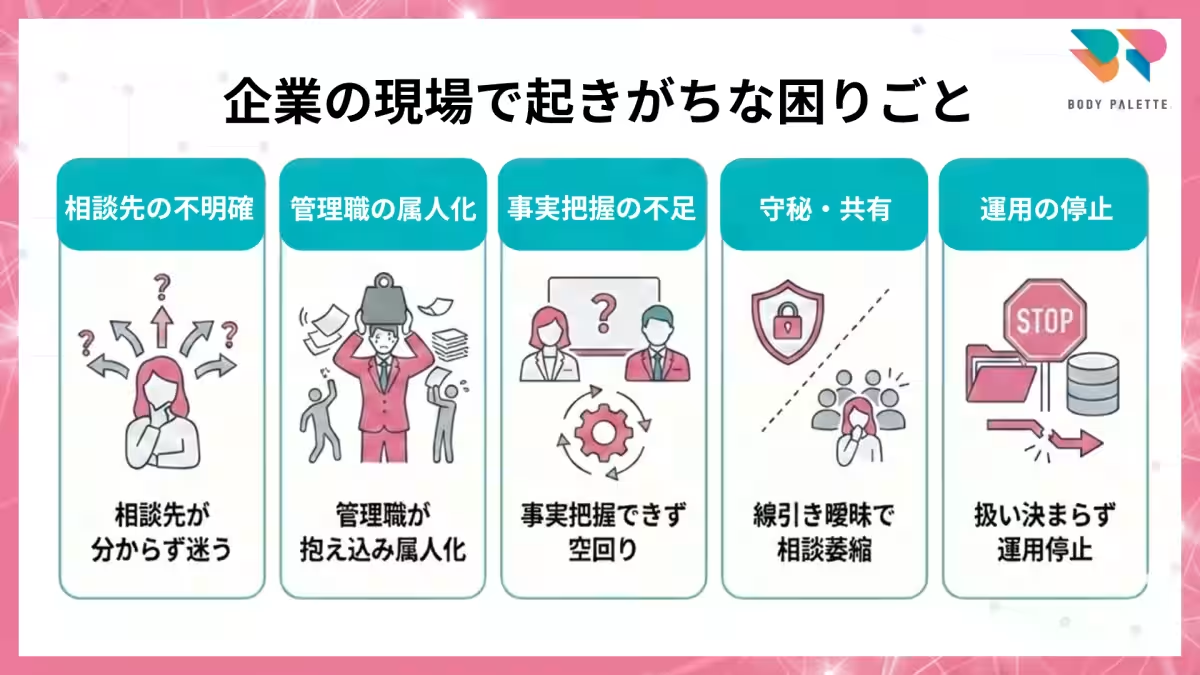
In workplaces where pathways for consultation are unclear, several recurring problems can arise:
- - Individuals remain uncertain about whom to approach for help.
- - Managers end up overwhelmed by initial consultations, creating a reliance on individual personalities rather than established processes.
- - HR and administrative departments lack visibility into the actual issues, rendering their strategies ineffective.
- - Confidentiality and information-sharing boundaries become murky, stifling individuals from coming forward.
- - Lack of clarity regarding documentation and sharing protocols can halt operational processes altogether.
Key Issues HR and Admin Should Address
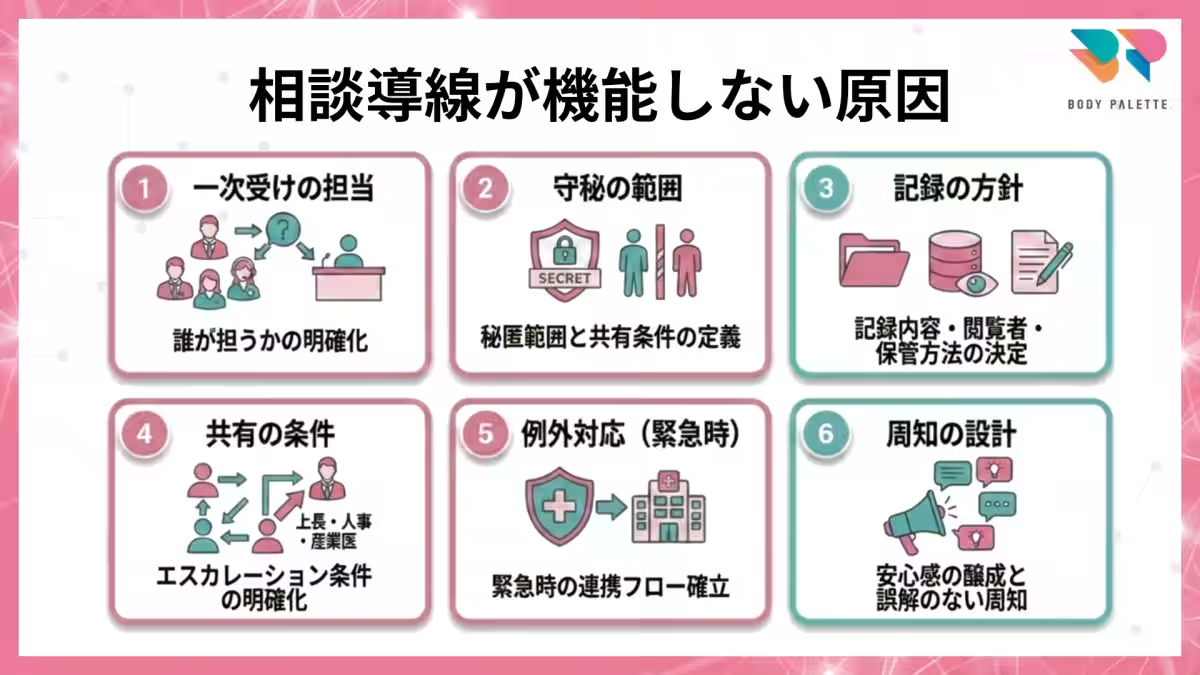
When establishing consultation pathways, the critical breakdown often lies not in the visual aspect of the process but rather in setting the foundational guidelines for operations. If the following points remain unaddressed, consultations may struggle to occur:
- - Who will be the primary point of contact (management, HR, occupational health teams, external sources)?
- - What confidentiality measures will be established, and under what conditions can information be shared?
- - What will be documented, who can access these records, and how will they be stored?
- - What will be the criteria for escalating cases to senior management, HR, or occupational doctors?
- - What will the response be for urgent situations that require immediate collaboration?
- - How will communication about the consultation pathways be structured to encourage open dialogue and prevent misunderstandings?
Scope of This Article: No Step-by-Step Guide Provided
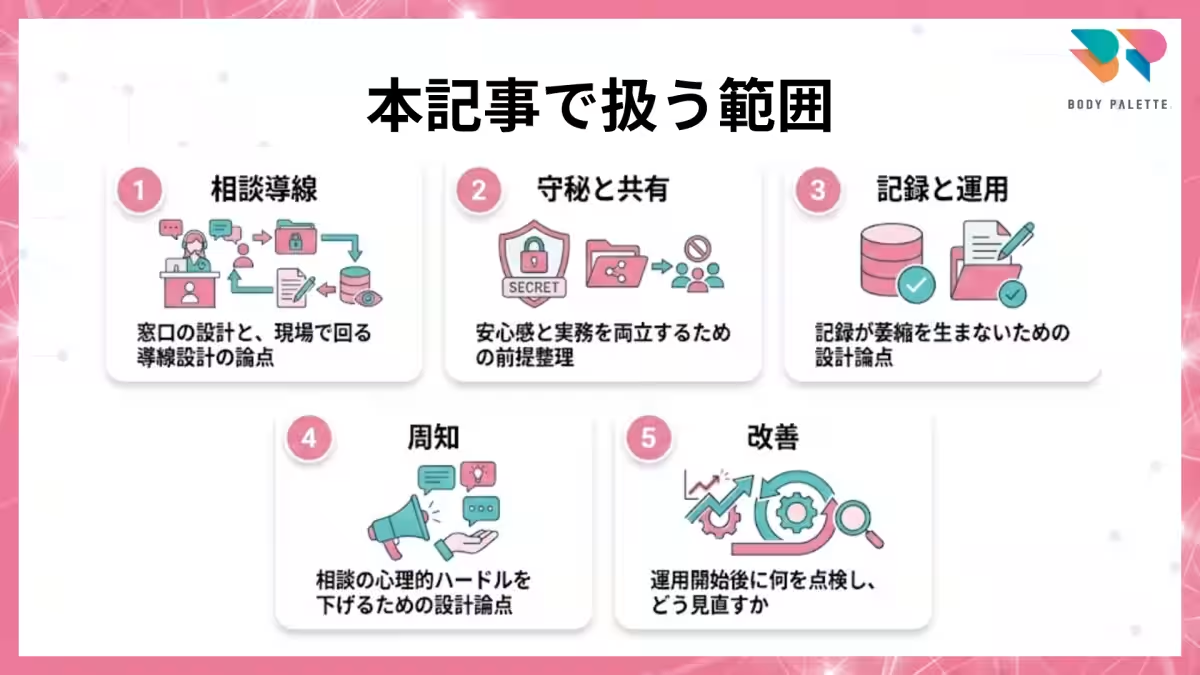
The intent of this article is to present a framework for organizing consultation pathways and operational protocols rather than providing specific procedural steps. We’ll focus on vital points for companies to consider, including:
- - Consultation Pathway Design: Crafting a point of contact and designing well-functioning routes that can be effectively navigated in practice.
- - Confidentiality and Sharing Policies: Establishing a balance that allows ease of access while ensuring confidentiality.
- - Documentation and Operational Standards: Preventing the risk of hindering operations through proper design mechanisms.
- - Awareness Strategies: Developing communication strategies that lower psychological barriers to seeking consultation.
- - Improvements: Determining key areas to continuously evaluate and refine post-implementation.
Positioning the
Topics Other)

【About Using Articles】
You can freely use the title and article content by linking to the page where the article is posted.
※ Images cannot be used.
【About Links】
Links are free to use.