



Young Employees in Manufacturing Industry Demand Digital Transformation to Stay with Their Companies
Young Employees Voice Digital Transformation Needs in Manufacturing Industry
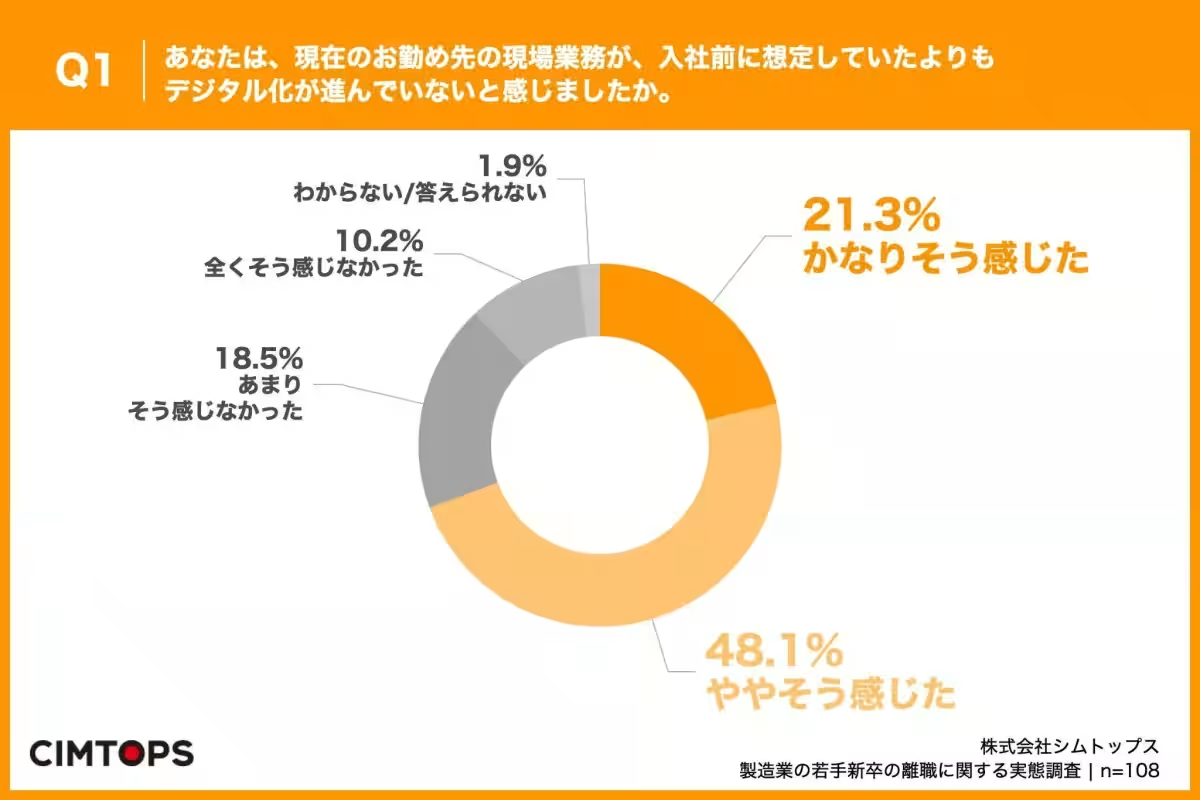
A recent survey conducted by Simtops Co., Ltd., revealed significant insights into the mindset of young professionals in the manufacturing sector. Over 108 young employees, who joined the industry in the last three years, were surveyed regarding their experiences and expectations related to workplace digitalization.
Key Findings of the Survey
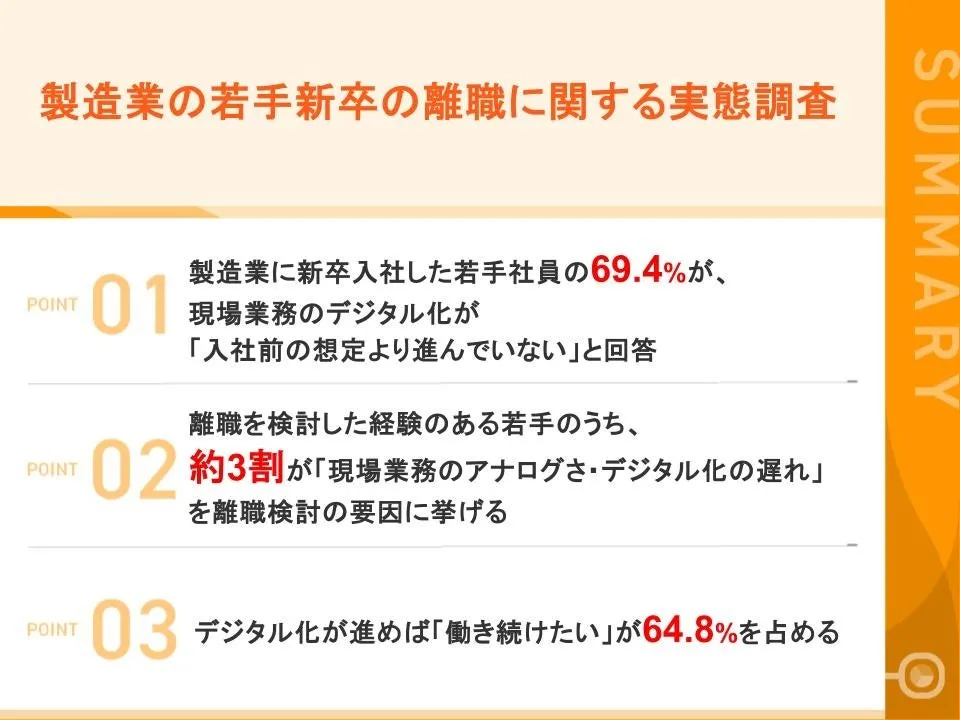
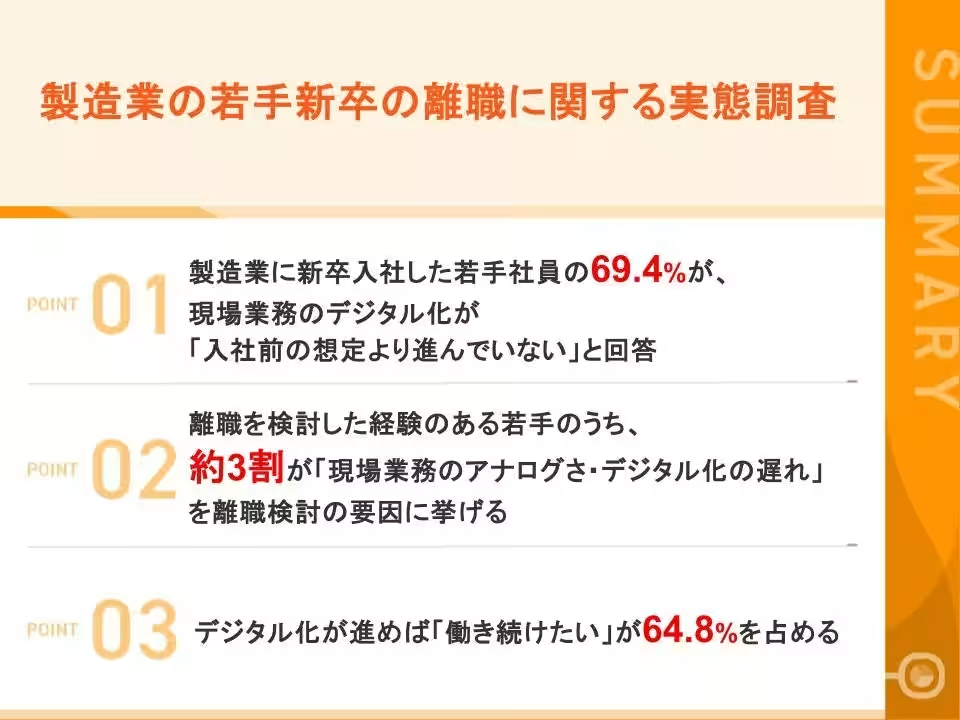
The results were striking, showcasing a stark contrast between expectations and reality regarding digital transformation in manufacturing. A notable 69.4% of respondents indicated that the level of digitalization in their workplace was less advanced than they had anticipated before joining the company.
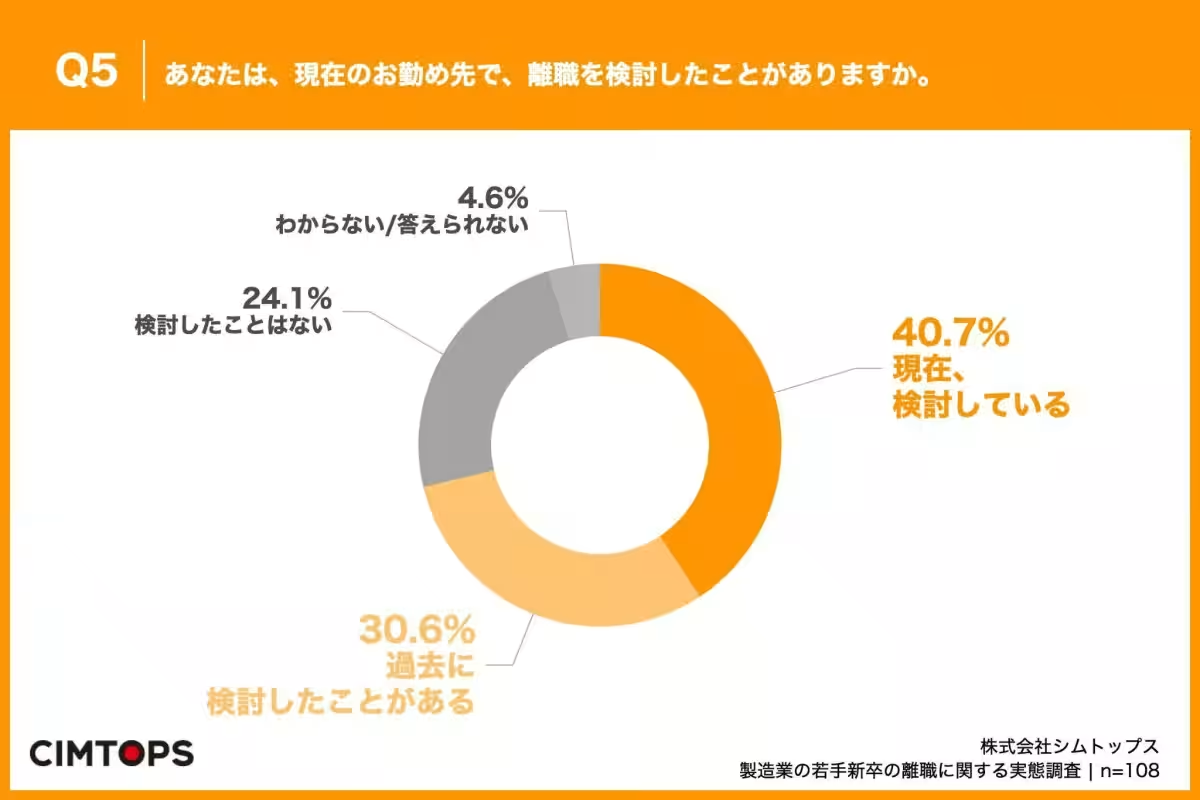
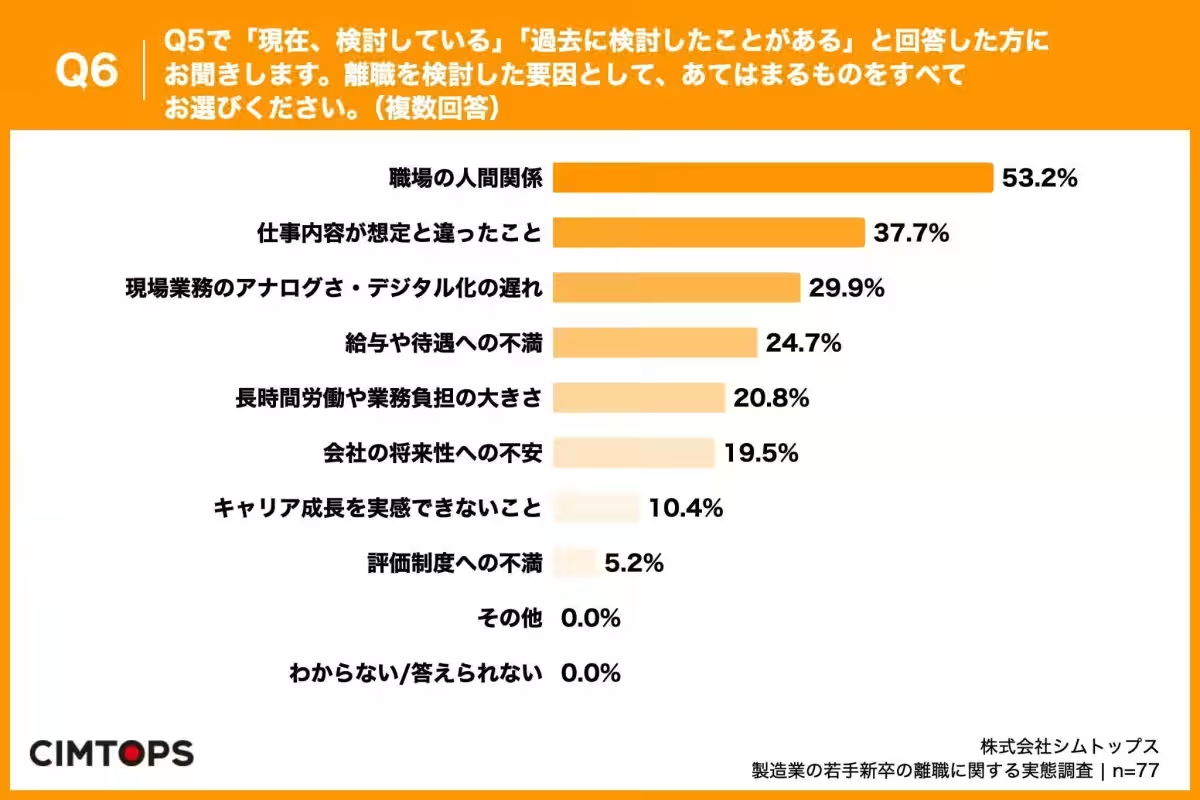
This sentiment is resonant in the queries about potential job changes. Approximately 71.3% of the surveyed young employees have considered leaving their current jobs. Among these, around 30% cited the analog nature of workplace processes and the slow pace of digitalization as significant factors influencing their decision to contemplate leaving.
Digitalization's Role in Retention
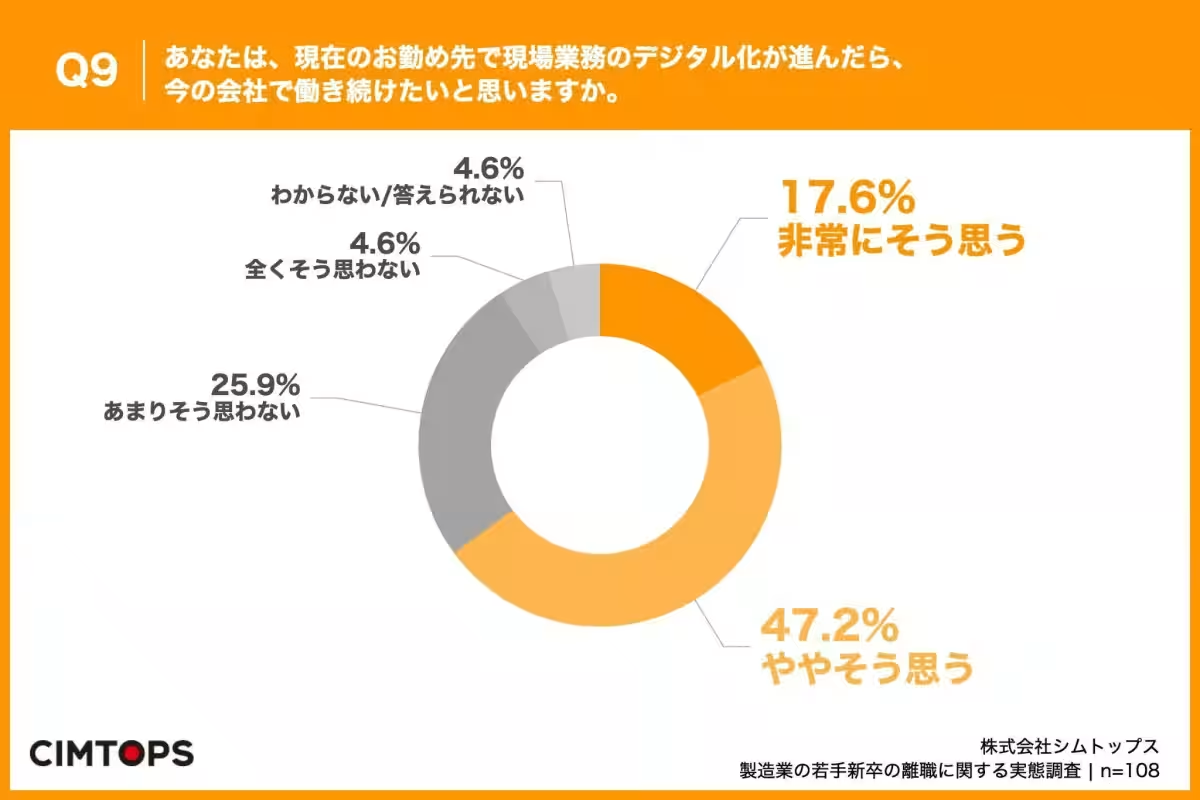
The hope for a more digitally advanced workplace significantly affects retention rates. Around 64.8% of respondents expressed a desire to remain with their current employer if there were substantial improvements in workplace digitalization. This strong correlation highlights the critical role that modern technology plays in job satisfaction and retention.
Challenges to Digitalization
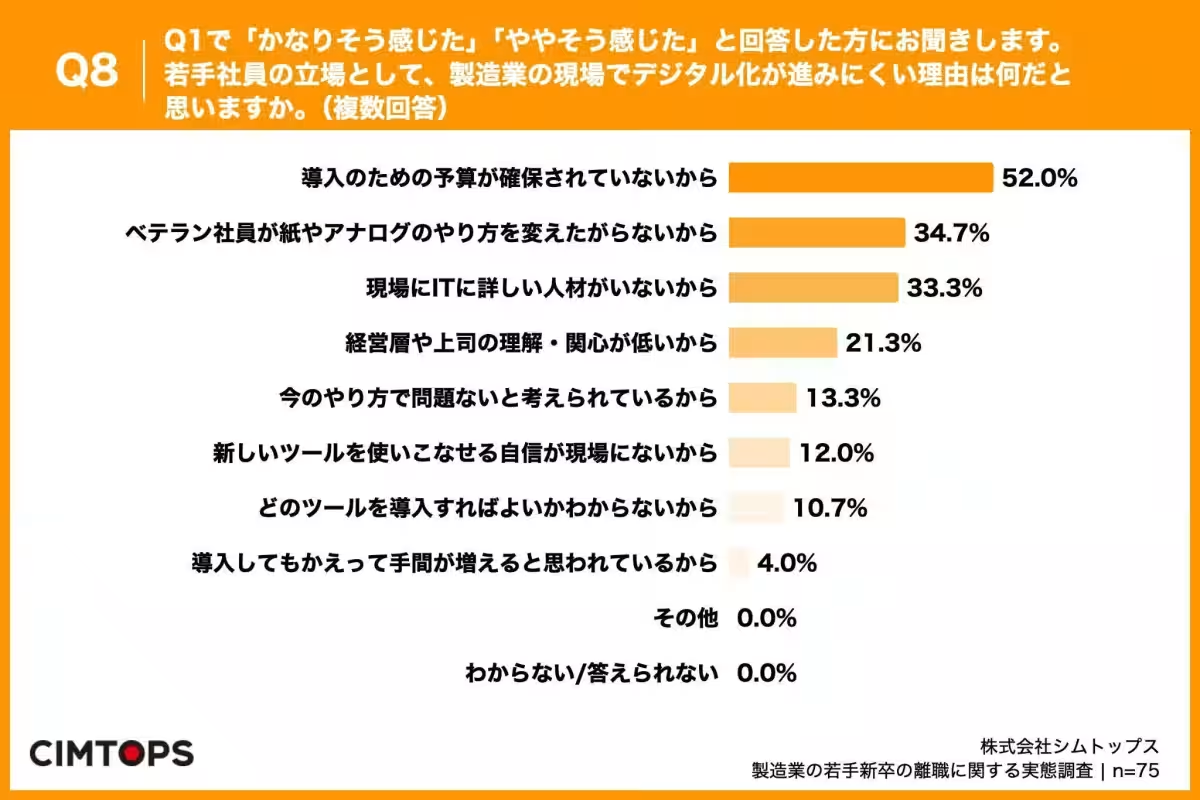
The survey also pinpointed challenges hindering the progression of workplace digitalization. 52% of respondents attributed the slow pace of transformation to the lack of secured budgets for implementing digital solutions. Further identified obstacles included a resistance to change from veteran employees, who preferred sticking to traditional methods, and a shortage of skilled IT professionals in the workplace.
Employee Sentiments on Future Job Choices
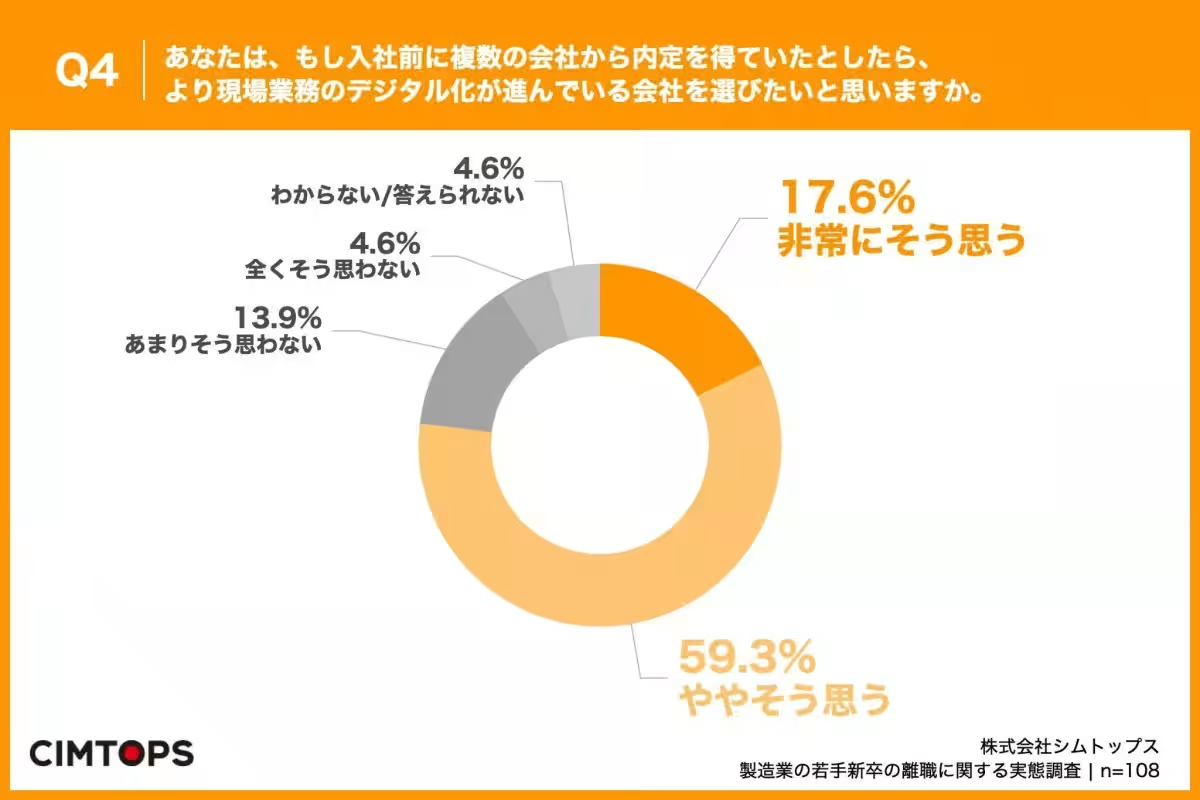
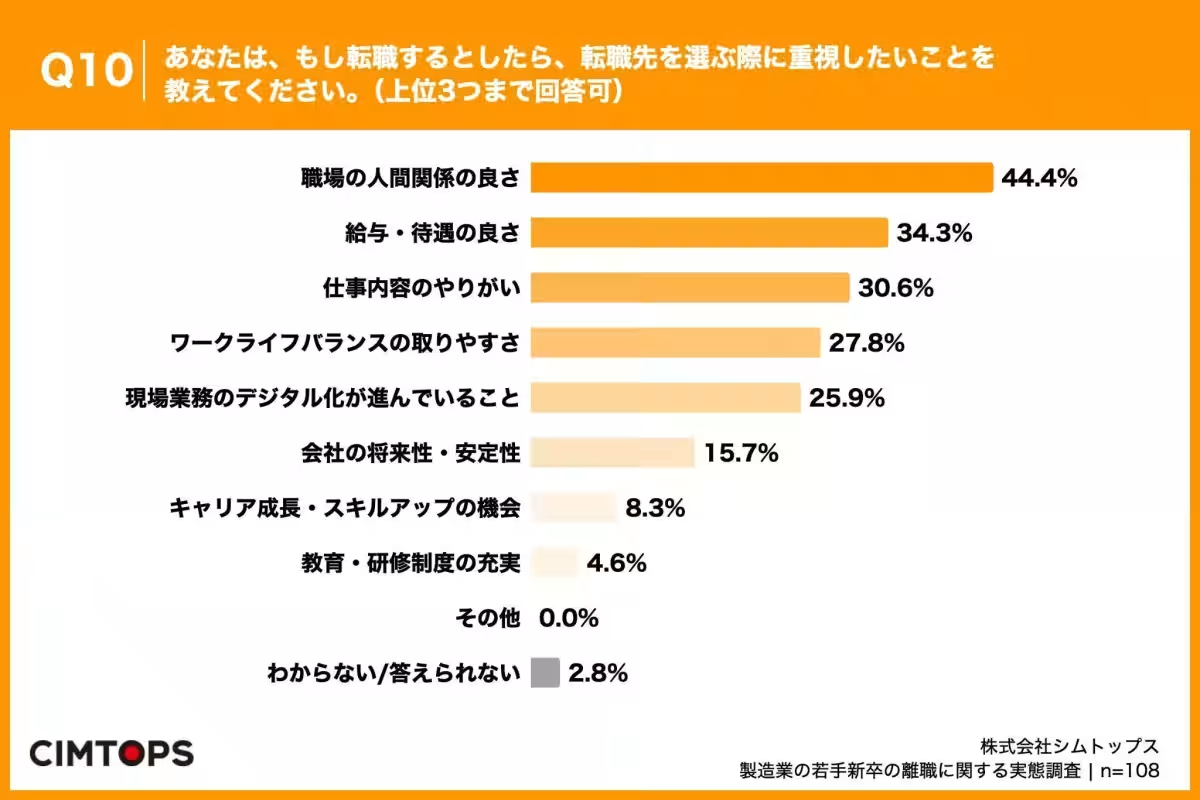
When it comes to choosing between job offers, the trend is clear: 76.9% of young employees indicated a preference for organizations that are further along in their digital transformation journey. This trend underscores the current job market dynamics, where technological adaptability becomes a critical metric for prospective employees.
Comments from the Workforce
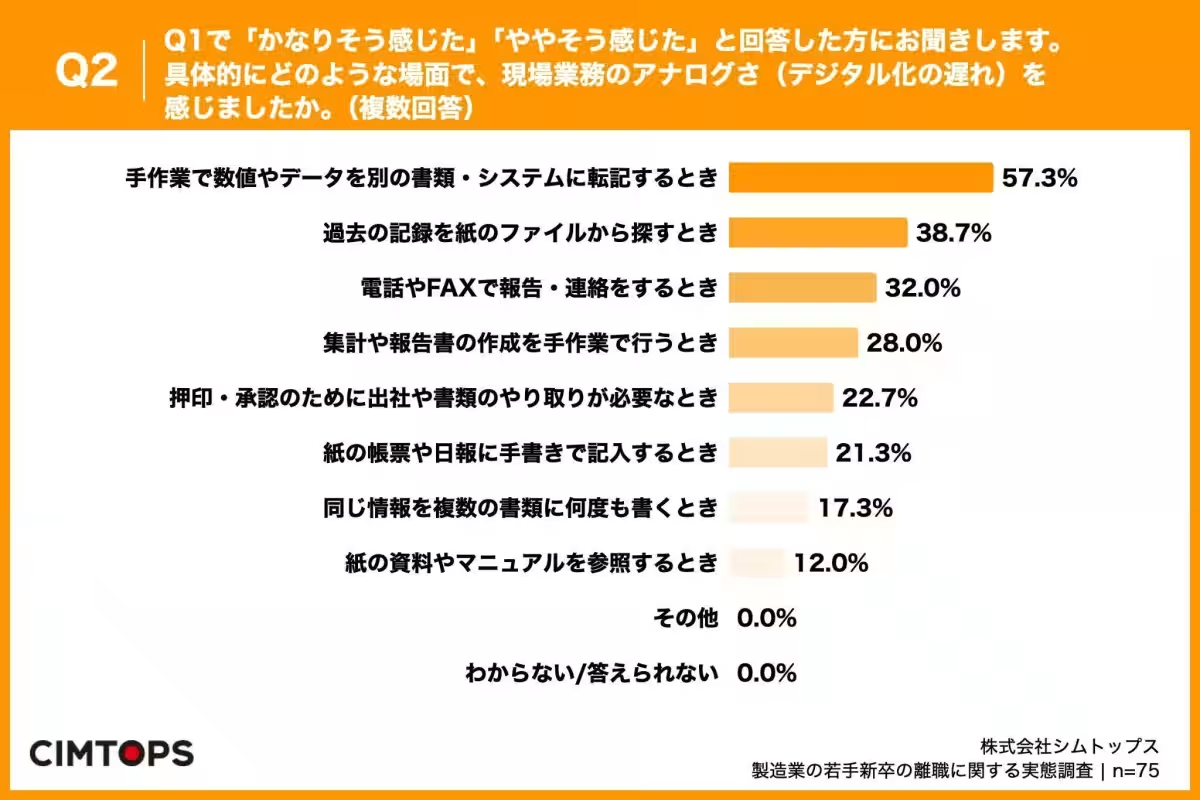
Regarding practical scenarios leading to their feelings about digitalization, respondents pointed out several areas where they felt the effects of analog processes:
- - 57.3% felt overwhelmed when required to manually enter data or transfer it to other systems.
- - 38.7% highlighted difficulties in retrieving past records from paper files.
- - Other concerns included reliance on phone or fax communication (32.0%) and the manual preparation of reports (28.0%), revealing the archaic methodologies still prevalent in many sectors.
Vision for the Future
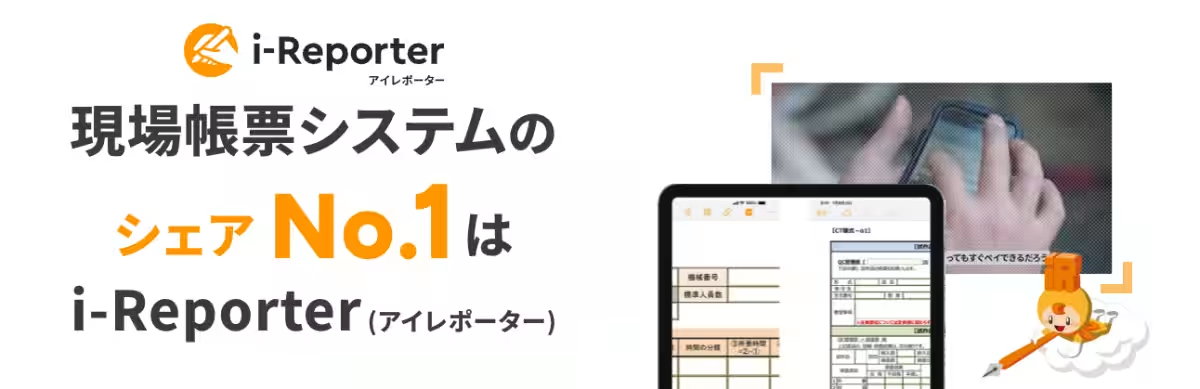
The company, Simtops, is advancing solutions aimed at mitigating these challenges, such as i-Reporter, a platform that assists in transitioning from paper-based processes to digital workflows without requiring extensive IT training. The tool enables employees to replicate familiar document formats digitally, thus addressing their frustrations with manual tasks and data handling.
In light of this survey, the message from young associates in the manufacturing field is clear: Incorporating digital solutions is not merely a trend; it is a necessity for retention and job satisfaction. As these professionals voice their concerns, companies that prioritize digital transformation will likely emerge as leaders in attracting and retaining top talent.
For more comprehensive insights and specific data from the survey, you can download the full report here.
About Simtops Co., Ltd.
Founded in 1991, Simtops has established itself as a pioneer in manufacturing software solutions. The company's flagship product, i-Reporter, is widely recognized for its ability to streamline workplace productivity through digital transformation. Simtops continues to support organizations in enhancing their operational efficiency, ensuring that they meet the evolving expectations of today’s workforce.
Additional Resources
- - Simtops Corporate Website
- - Follow us on X (Formerly Twitter)
- - Like us on Facebook
Topics Consumer Products & Retail)


【About Using Articles】
You can freely use the title and article content by linking to the page where the article is posted.
※ Images cannot be used.
【About Links】
Links are free to use.