



Collaborative Development with Itochu for Ammonia Bunkering Demonstration Project
Introduction
Mitsui O.S.K. Lines, Ltd. (MOL), under the leadership of President Tsuyoshi Hashimoto, has recently entered into a Memorandum of Understanding (MOU) with Itochu Corporation, led by CEO Keita Ishii, to collaborate on ammonia bunkering demonstration projects. This partnership marks a significant step towards the supply of ammonia as a marine fuel, which is gaining recognition as a zero-emission alternative among maritime stakeholders. The focus will be on real ship-based operations to carry out bunkering demonstrations offshore Singapore and other locations, with plans set for full implementation by the second half of 2027.
Global Maritime Decarbonization Goals
The International Maritime Organization (IMO) has set an international goal towards achieving net-zero greenhouse gas (GHG) emissions from international shipping by around 2050. In April this year, a mid-term policy including amendments to treaties aimed at reducing GHG emissions was approved. The new regulations would facilitate a gradual shift from traditional marine fuels to less carbon-intensive alternatives and provide economic incentives for adopting zero-emission fuel vessels. Among the alternative fuels, ammonia stands out as a promising zero-emission option, with many maritime entities exploring the development of ammonia-fueled vessels. The ammonia bunkering business serves as a crucial intersection between maritime and fuel industries, with bunkering vessels playing a vital role in the last mile of fuel supply.
Innovations in Ammonia Fuel Supply
MOL plans to co-own three Cape-size bulk carriers equipped with ammonia dual-fuel capabilities, which will be the first of their kind globally, anticipated to be completed between 2026 and 2027. This project is in collaboration with CMB.TECH NV based in Belgium, and MOL will operate these vessels under long-term charter agreements.
Meanwhile, Itochu has ordered the construction of the world’s first newbuild ammonia bunkering vessel, with a capacity of 5,000 m3, which is expected to be built by Sasaki Shipbuilding Co., Ltd. by the year 2027. The demonstration projects utilizing this vessel aim to establish safe operational procedures for supplying marine ammonia fuel at sea, particularly focusing on major maritime hubs like Singapore.
Rising Interest in Ammonia as a Clean Energy Source
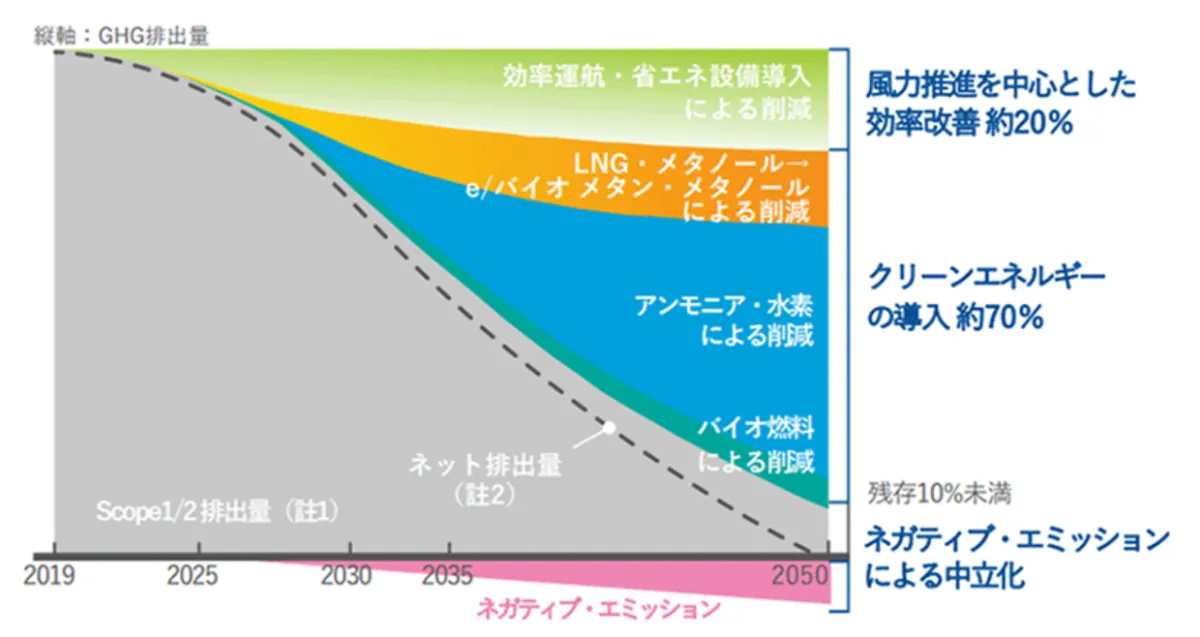
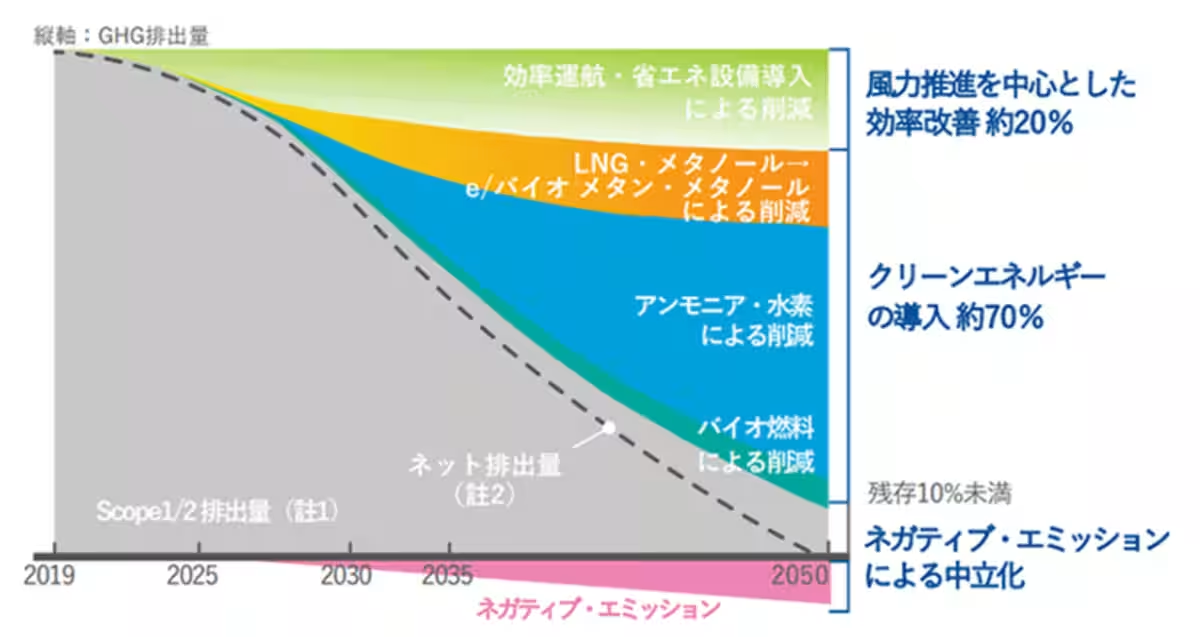
As global attention shifts towards decarbonization, ammonia is increasingly being recognized as a next-generation clean energy source. In the maritime industry, the strategic use of ammonia as a fuel is rapidly progressing. The MOL Group has aligned its environmental vision with these trends, reflecting its commitment to achieving net-zero emissions by 2050, as detailed in its "Mitsui O.S.K. Lines Group Environmental Vision 2.2". The company plans to incorporate ammonia as one of its key strategies in this vision, reinforcing its commitment to contribute to a decarbonized society.
Conclusion
As MOL and Itochu take significant steps towards establishing ammonia as a reliable marine fuel, their initiatives represent a broader commitment to sustainable practices in the maritime sector. The advancements in ammonia bunkering not only highlight the innovative approaches being employed to tackle climate change but also reaffirm the potential of ammonia in redefining shipping fuel paradigms for a cleaner future. Further developments in this domain will be critical as the industry navigates its path toward sustainable shipping, ensuring compliance with global decarbonization targets while fostering energy security for the future.
Topics Other)
【About Using Articles】
You can freely use the title and article content by linking to the page where the article is posted.
※ Images cannot be used.
【About Links】
Links are free to use.