



Understanding the Fine Line Between Guidance and Power Harassment in the Workplace: Survey Insights
Introduction
In recent years, the awareness surrounding harassment in the workplace has significantly increased. A growing number of individuals find themselves perplexed by the line that separates mentorship from power harassment. Many are worried that their casual remarks could unintentionally hurt their colleagues. To better understand how employees in Japan perceive the boundary between guidance and harassment, Asano Law Office conducted a survey with 300 participants aged between their 20s and 60s across the nation.
Survey Overview
Conducted from June 12 to June 19, 2026, this survey aimed to paint a comprehensive picture of employees' experiences and perceptions regarding power harassment. The participants consisted of 300 individuals (158 women and 138 men), distributed across various age groups: 9.3% in their 20s, 26.3% in their 30s, 29.3% in their 40s, 21.7% in their 50s, and 13.3% aged 60 or older.
Key Findings
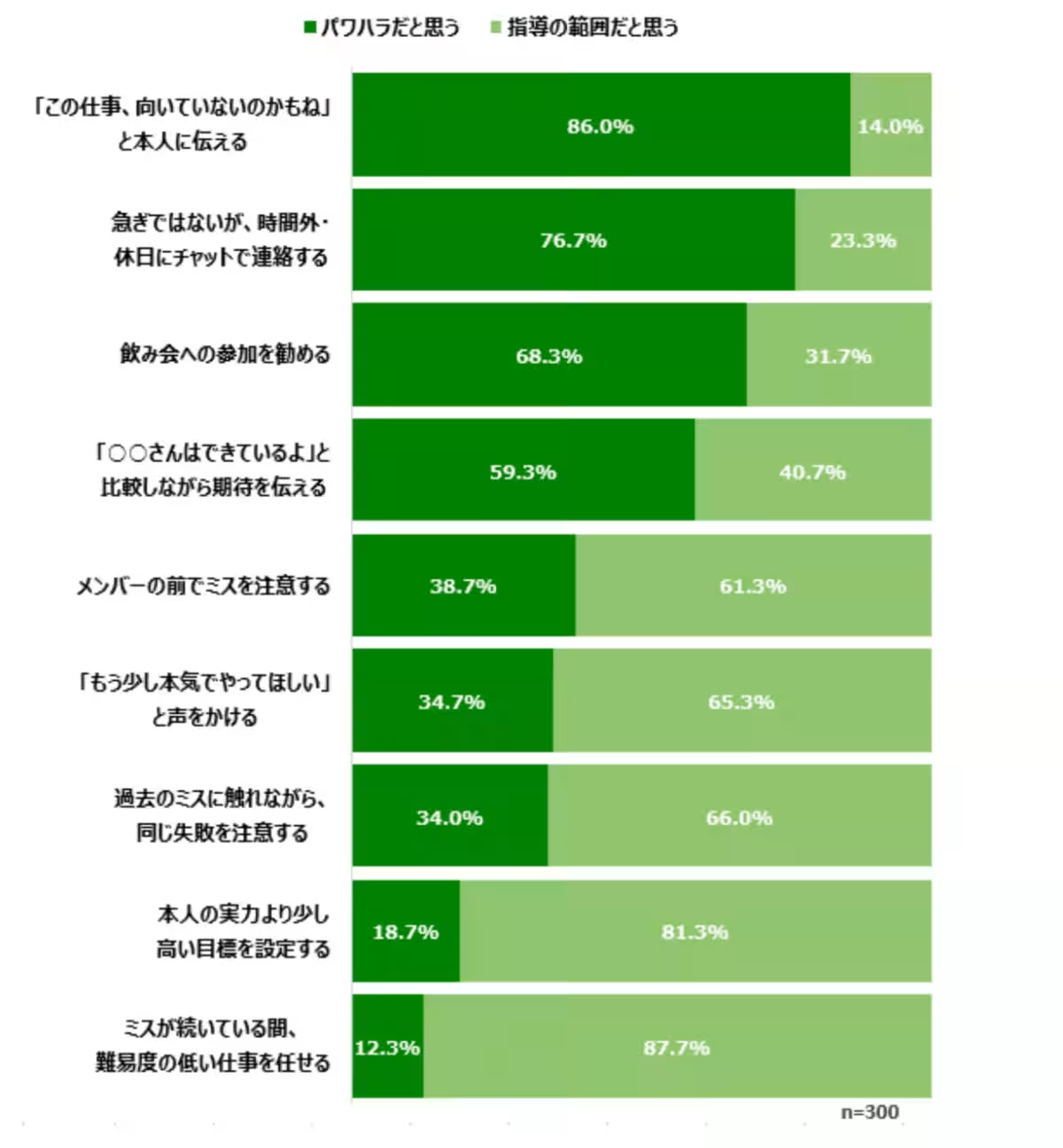
The results of the survey were striking. Approximately 82.7% of respondents indicated they had either personally experienced power harassment or had witnessed it in their workplace. Notably, the perception of whether an action constitutes harassment or guidance varies greatly among participants. For instance, a staggering 86.0% believed that telling someone, "You may not be suited for this job," fell under power harassment.
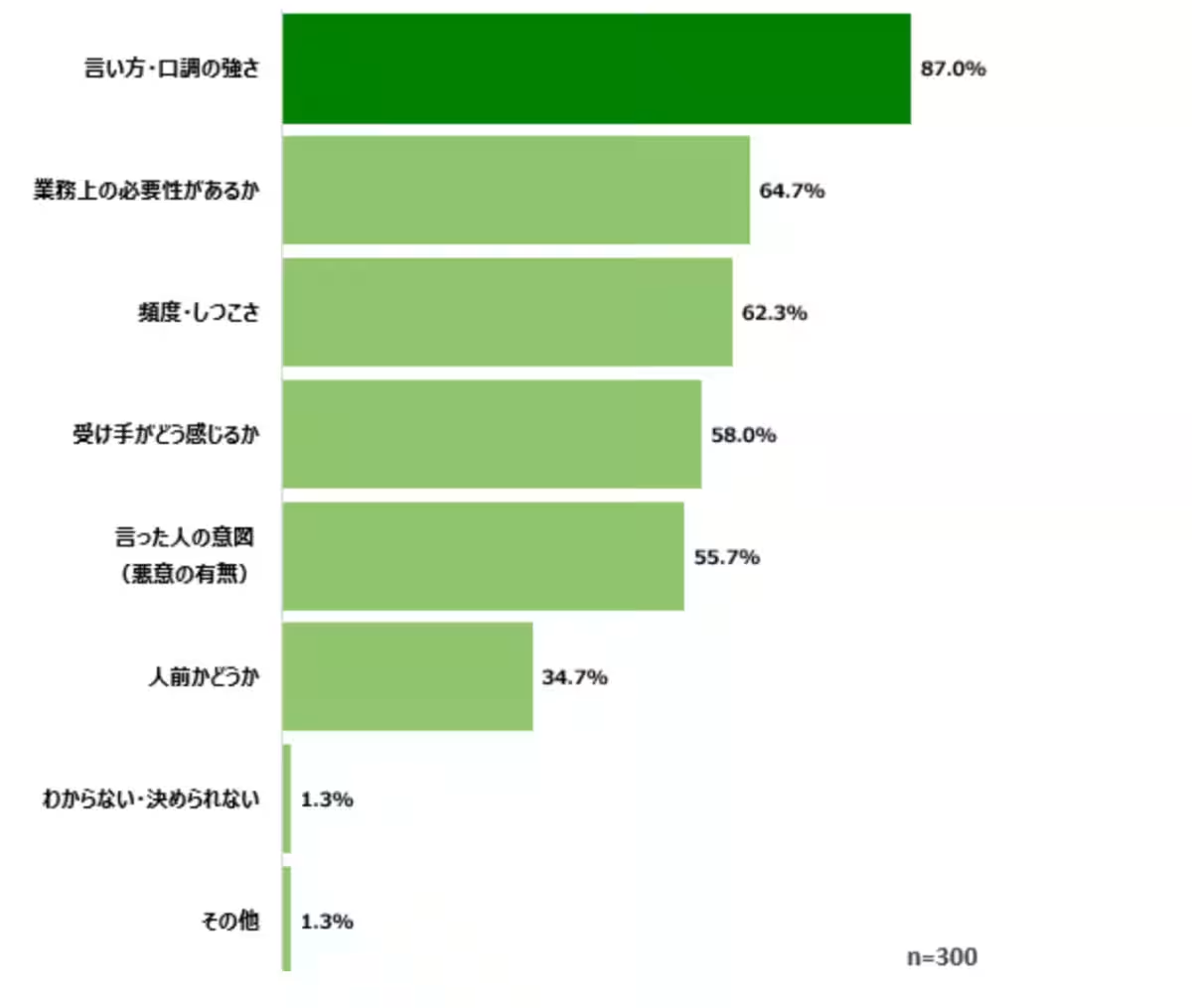
The leading factor distinguishing guidance from harassment was identified as the "tone and manner of speech," with 87.0% of respondents emphasizing its importance. Additionally, over half (51.6%) expressed concerns that their behavior could be perceived as harassment.
Experiences of Power Harassment
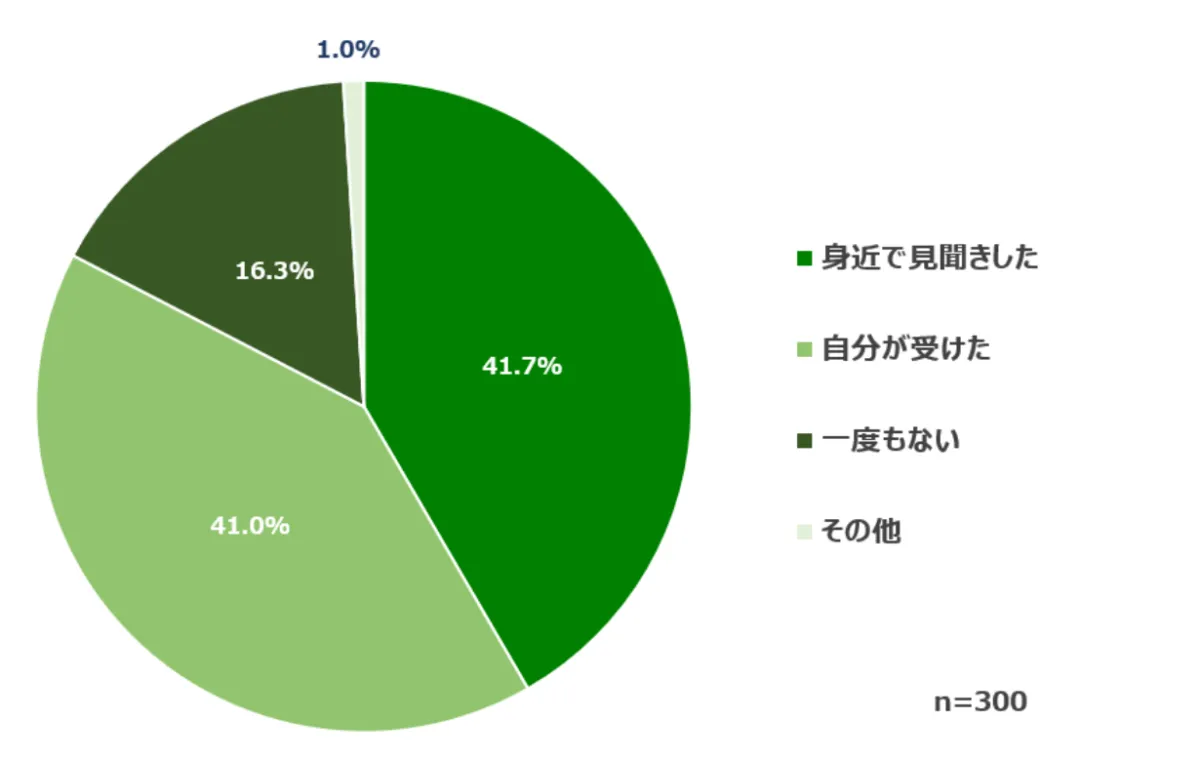
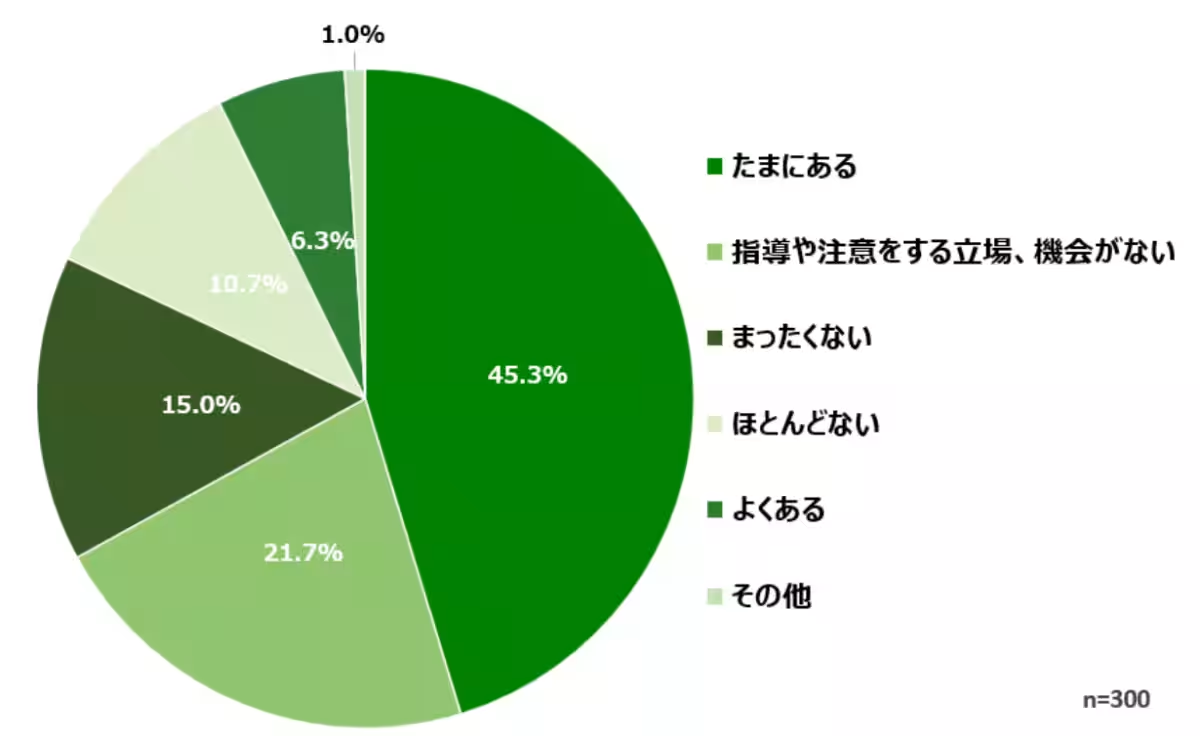
When asked about their experiences, roughly 80% confirmed they had either witnessed or personally faced power harassment. The most common response was witnessing it (41.7%), closely followed by personal experience (41.0%). Only 16.3% claimed to have never encountered such issues, indicating power harassment is a prevalent concern affecting a significant portion of the workforce. This suggests a pressing need for organizations to implement comprehensive measures to address such behavior.
Differentiating Between Guidance and Harassment
The survey highlighted how perceptions of specific actions can vary widely. For example, while 86.0% viewed expressing doubt about someone's suitability for a role as harassment, actions like assigning easier tasks to employees consistently struggling received differing evaluations — with many seeing them as valid guidance. Understanding the nuances in these perceptions is critical, especially since various factors, including the intention behind words and their delivery, play a role in how they're interpreted.
Moreover, over half of the respondents felt anxious about their actions being misinterpreted, a clear indication that the fear of being accused of power harassment is deeply ingrained. This reflects the complexity of workplace dynamics where the line between encouragement and pressure can easily blur, necessitating greater sensitivity in communication.
Coping with Power Harassment
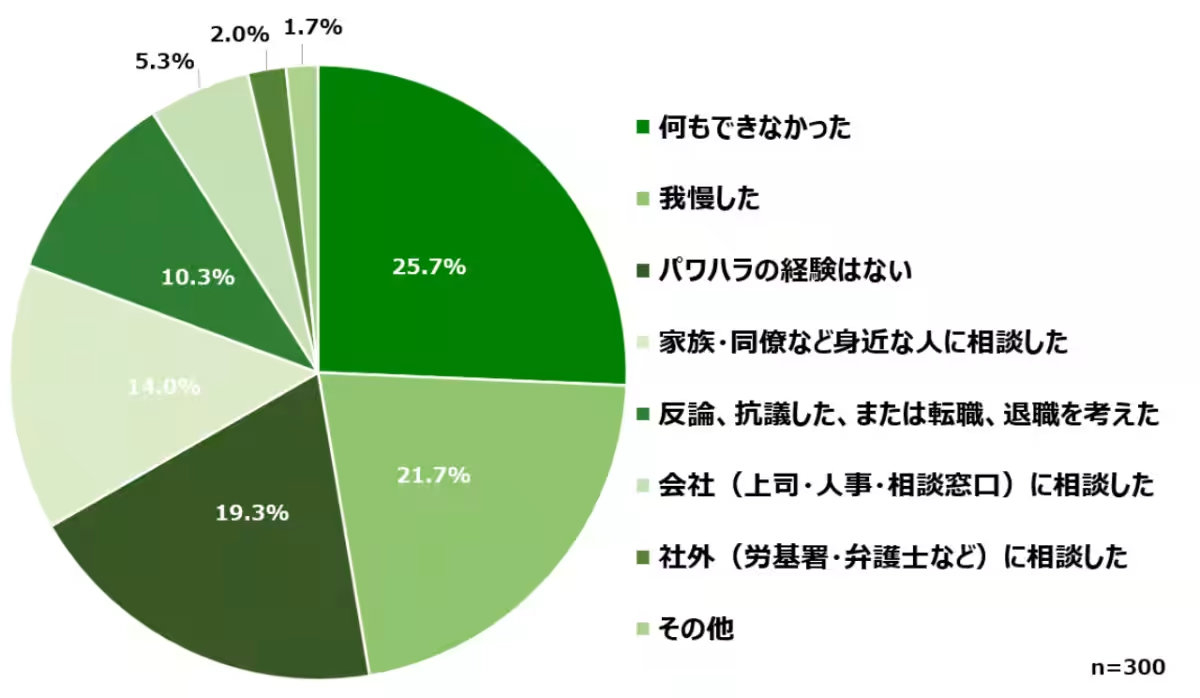
Concerning how individuals respond when faced with power harassment, the survey revealed alarming trends. About 47.4% admitted they either did nothing to intervene or chose to endure it quietly. Furthermore, few individuals sought help through official channels, reflecting a troubling gap in support systems. This suggests that even when employees are aware of power harassment, they might feel compelled to remain silent, highlighting the need for effective reporting mechanisms that encourage openness.
Conclusion
This survey sheds light on how pervasive power harassment is within workplaces. It underscores the importance of creating an environment where employees feel safe to voice their concerns and illustrates the need for organizations to establish clear protocols for guidance and support. As workplaces evolve, fostering a culture of respectful communication and understanding will be vital in preventing power harassment.
About Asano Law Office
Asano Law Office is dedicated to resolving labor issues through balanced cooperation between employers and employees. Our mission is to contribute to a better society by being the Best Partner in navigating legal complexities. For further inquiries or assistance with labor-related legal matters, please contact us at:
- - Address: 7-4-15 Ginza, Chuo Ward, Tokyo, 104-0061
- - Phone: 03-6274-8370
- - Email: [email protected]
- - Website: Asano Law Office
Topics People & Culture)
【About Using Articles】
You can freely use the title and article content by linking to the page where the article is posted.
※ Images cannot be used.
【About Links】
Links are free to use.