




Work Style and Motivation Survey Reveals Insights on Japanese Workforce Dynamics
Understanding Work Styles and Employee Motivation in Japan
In a recent survey conducted by Loyalty Marketing Co., Ltd., the operator of the common point service 'Ponta,' in collaboration with the TOKYO FM radio program 'Mabuchi and Watanabe's #BizTopic,' insights into the work styles and aspirations of Japanese workers aged 20 to 50 have been highlighted. The study, titled 'Work Style and Motivation Survey,' gathered over the weekend from November 28 to December 1, 2025, showcases evolving trends in the workforce.
Key Findings from the Survey
Topic 1: Predominance of Office-Centric Work Culture
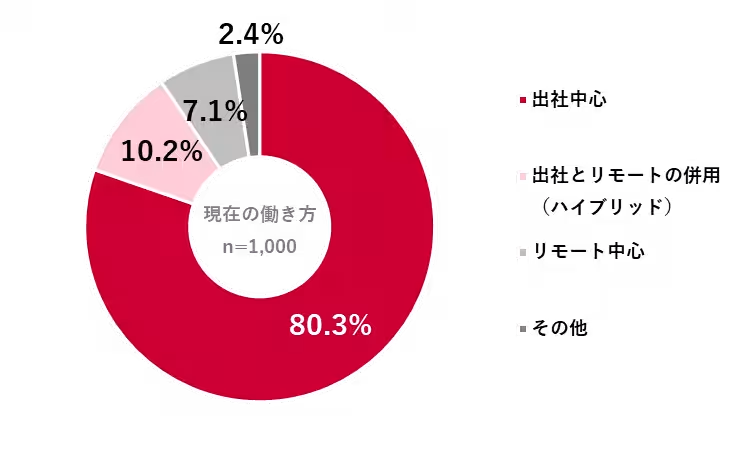
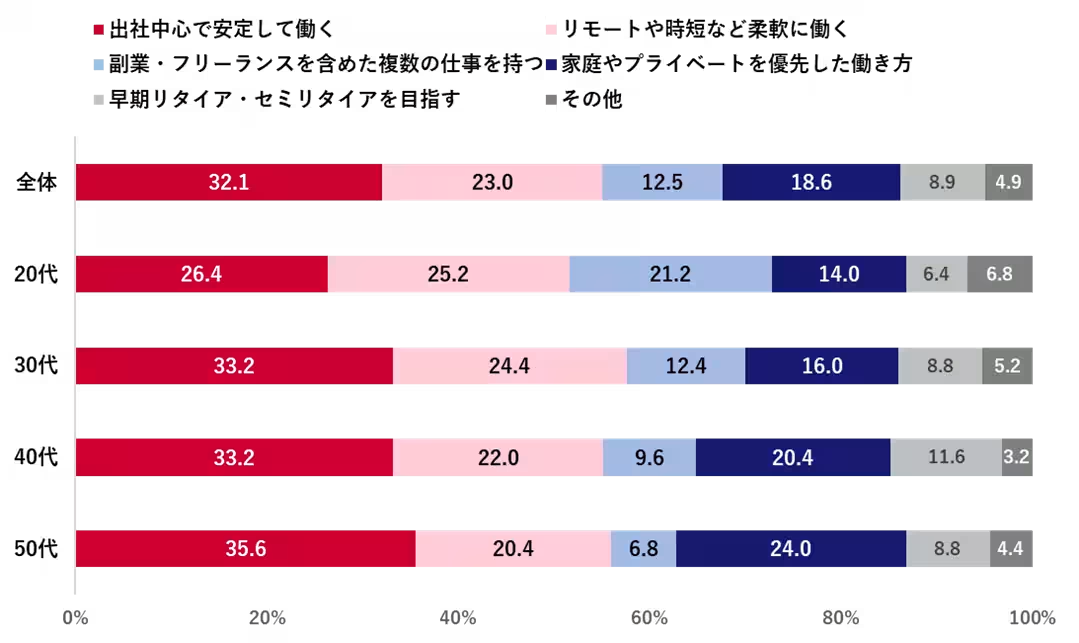
Almost 80% of respondents indicated that their work style is centered around going to the office. The desire for a flexible work arrangement, such as a hybrid model combining remote and office work, accounted for only 10.2%, while those preferring a predominantly remote style stood at 7.1%. Respondents expressed varied ideal work preferences, with majorities favoring office-centric roles (32.1%) and flexible working options (23.0%). Interestingly, while older age groups leaned towards traditional methods, the younger cohort (20s) showed diverse preferences, hinting at a wider acceptance of various work styles.
Topic 2: Attitudes Towards Overtime
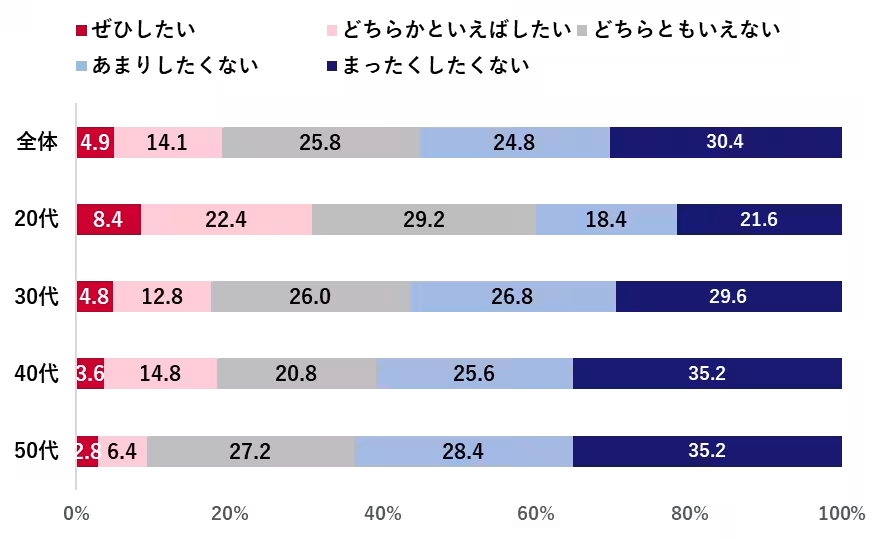
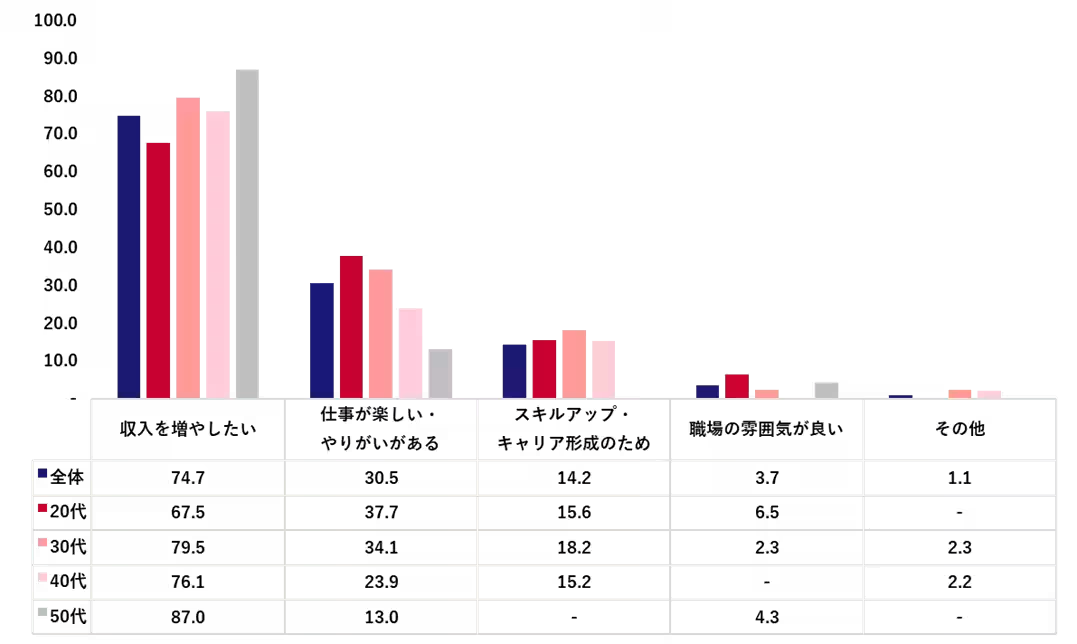
The survey revealed a strong aversion to overtime work, with 30.4% stating they would not want to work extra hours at all. This sentiment grew stronger among older age groups. However, in a notable contrast, around 30% of respondents in their 20s were somewhat open to working overtime, revealing a generational gap in perceptions about work-life balance against compensation goals. The primary motivations for wanting overtime were to increase income (74.7%) or derive satisfaction from engaging in enjoyable tasks (37.7%).
Topic 3: Perceptions of Work Style Reform
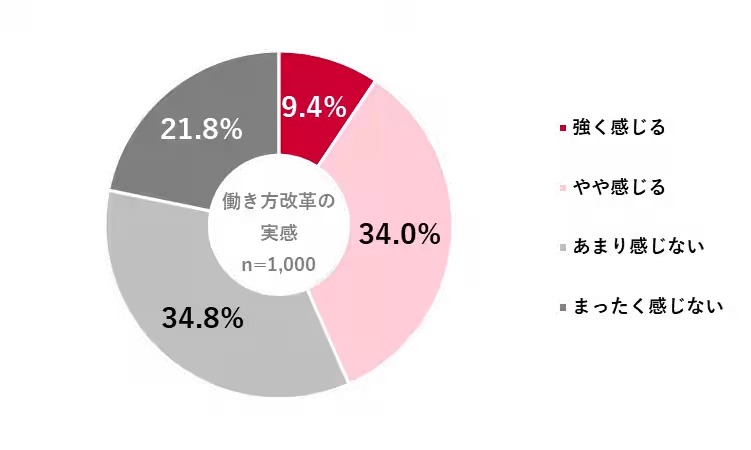
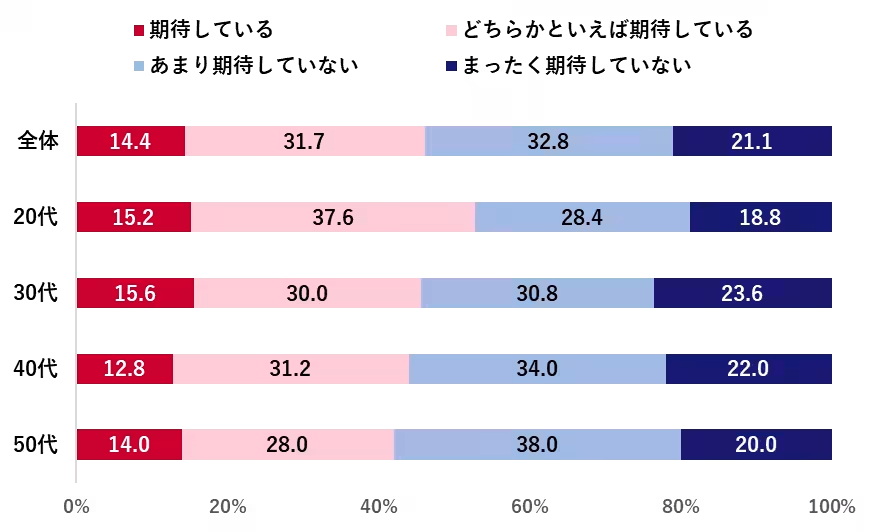
More than 40% of respondents felt positive about the progress of the work style reform initiatives. However, skepticism remained high in understanding political reforms, particularly among older generations. Conversely, younger employees expressed a greater expectation for effective changes, underlining their desire for tangible enhancements in workplace conditions.
Topic 4: Interest in Side Jobs
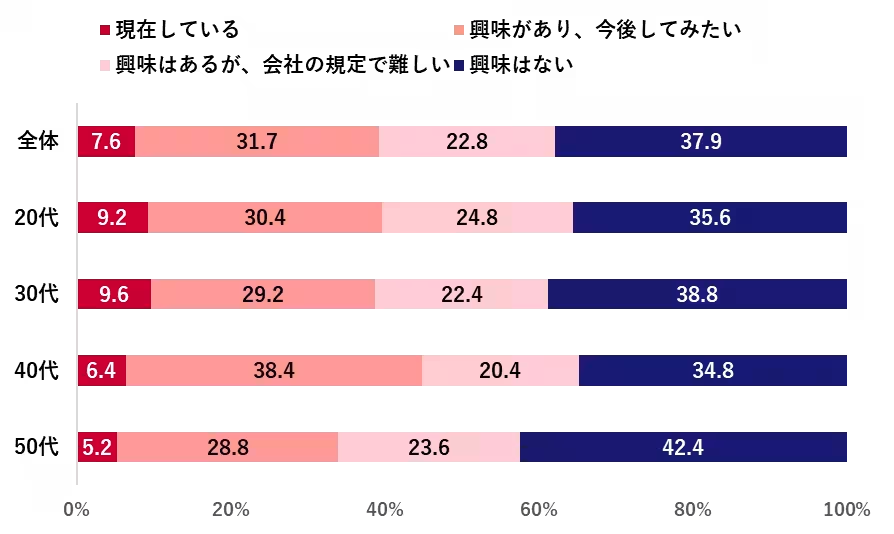
The acceptance of side jobs appears to be on the rise, with over 62% of respondents showing interest, especially in the 40s demographic. Many indicated they would like to pursue side gigs as a means to broaden their career choices, suggesting a shift in traditional employment perceptions.
Topic 5: Reskilling efforts on the rise
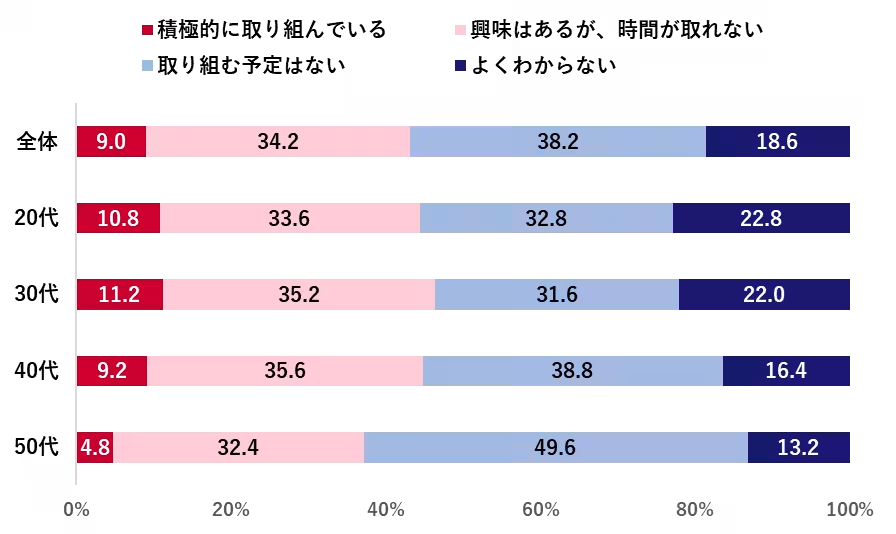
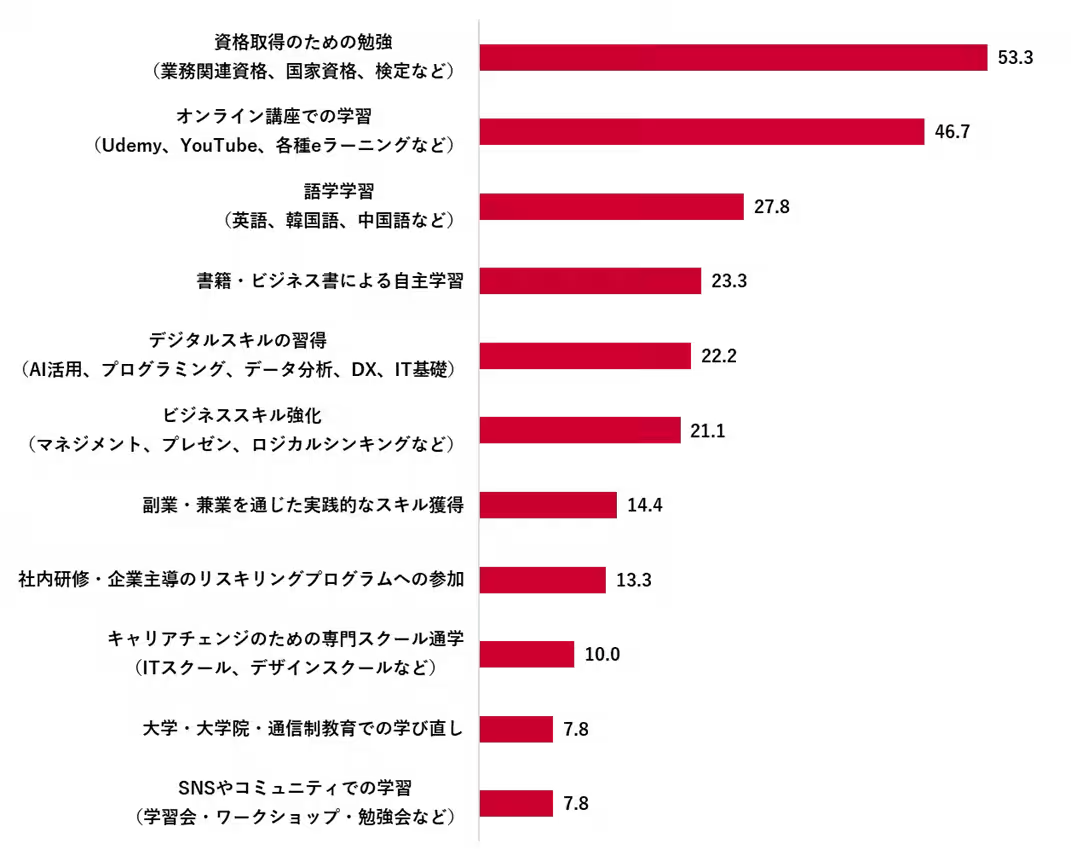
An impressive 43.2% of respondents expressed interest in reskilling, particularly in obtaining certifications, engaging in online courses, and language learning, showcasing a proactive approach to professional development. This inclination correlates with the trend of investing in skills for the future, especially among younger workers.
Expert Opinions
Miki Mabuchi, Economic Analyst:
The notion of 'Yuru-black' workplaces, which refers to companies that appear easygoing yet pay low wages with scarce growth opportunities, is pushing young workers to leave. It shows a crucial need for companies to enhance potential growth avenues to retain talent.
Hiroaki Watanabe, Consumer Economic Analyst:
The lack of side job personnel leads to difficulties in our company operation. The real challenge lies in ensuring that side jobs contribute positively to employees without overwhelming their schedules, as many aspire for more enjoyable, rewarding work without stretching themselves too thin.
Conclusion
The survey illustrates clear trends in work motivations and styles, emphasizing the need for both employers and policymakers to reassess work structures to meet the expectations of a diverse workforce. As employees seek fulfillment, financial stability, and professional growth, the challenge remains in crafting environments conducive to both happiness and productivity.
Survey Methodology
The survey was conducted online during the period of November 28 to December 1, 2025, targeting dual-income males and females across various employment types except for self-employed, freelancers, and part-time workers, resulting in 1,000 valid responses.

Topics Business Technology)
【About Using Articles】
You can freely use the title and article content by linking to the page where the article is posted.
※ Images cannot be used.
【About Links】
Links are free to use.