



The Mismatch of Expectations in the Age of AI for IT Engineers: A Study Reveals Rising Stress
Understanding the Expectations Gap for IT Engineers in the AI Era
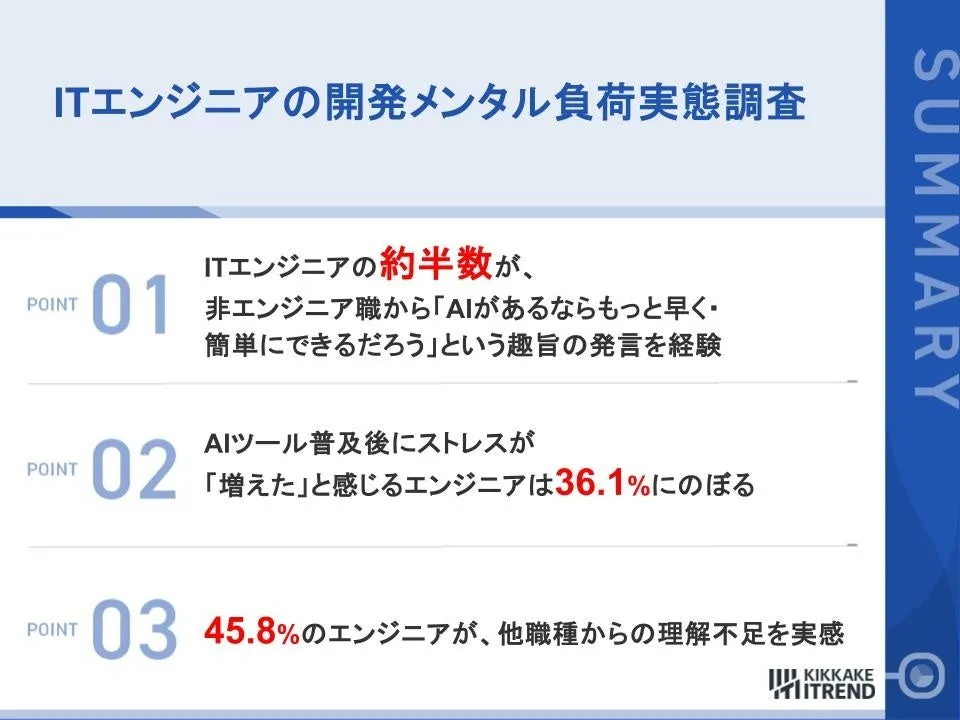
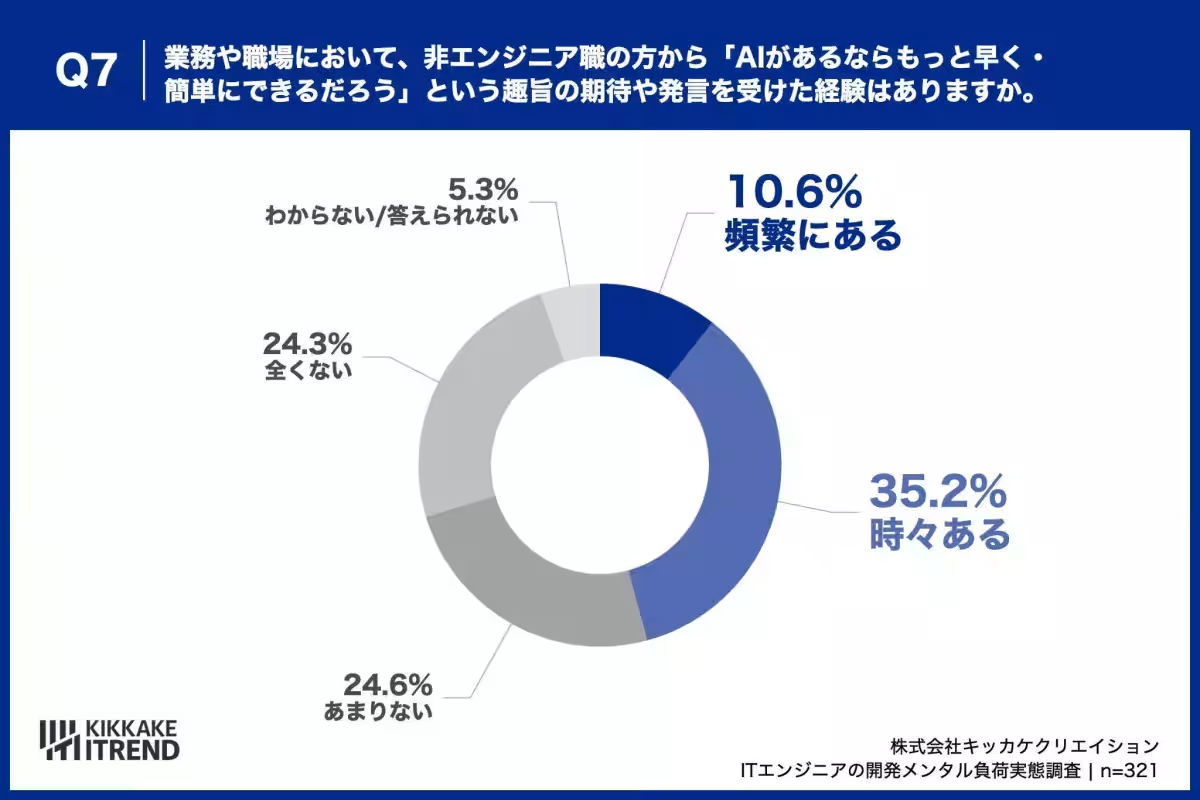
In an age increasingly dominated by technology, IT engineers are finding themselves at the crossroads of innovation and expectation. A recent study conducted by KIKKAKE CREATION, surveying 321 IT engineers, sheds light on the mental load these professionals are facing today. Notably, the study reveals significant discrepancies in the expectations surrounding AI tools, with almost half of the participants reporting experiences where non-engineering roles believed tasks should be executed more swiftly and easily thanks to AI technologies.
Key Findings
Stress from Misunderstood Expectations
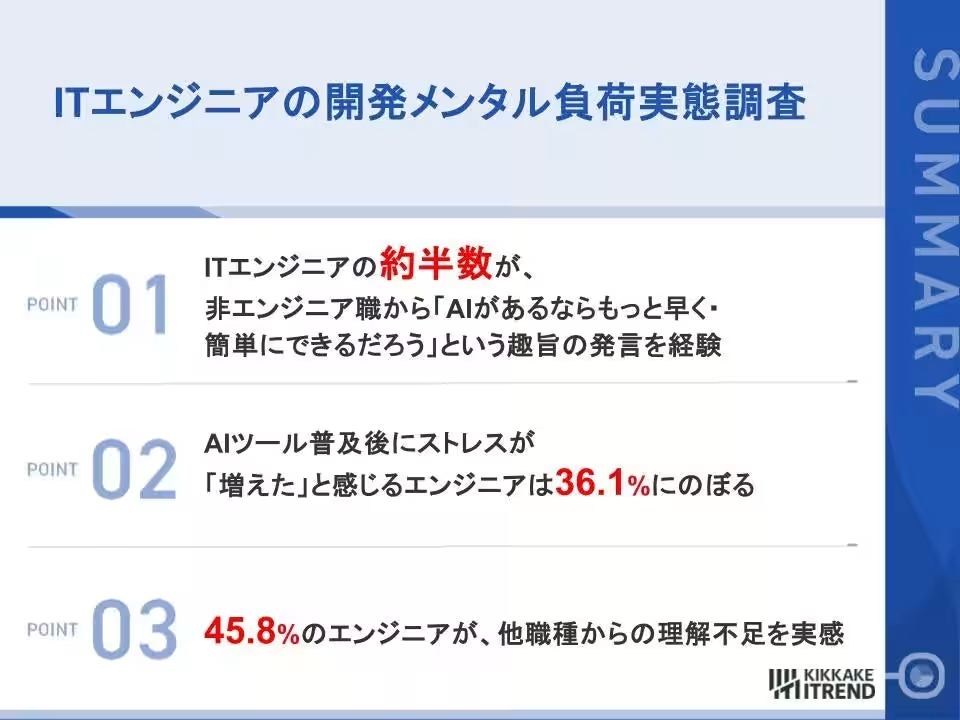
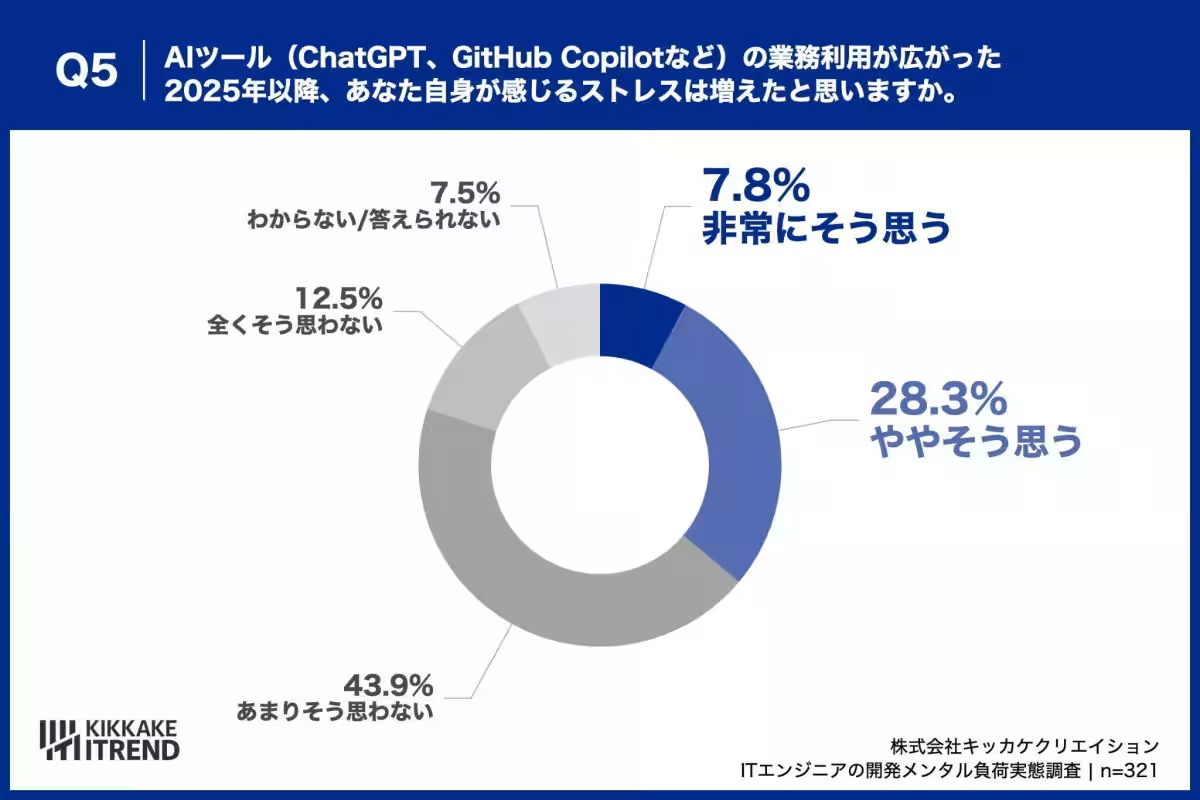
Out of the engineers surveyed, about 50% reported having encountered statements from non-engineering colleagues such as, “If AI exists, then it should be quicker and easier.” This expectation appears to drive additional stress, leading to a staggering 36.1% of respondents indicating that their stress levels have actually increased since the introduction of AI tools into their workplace.
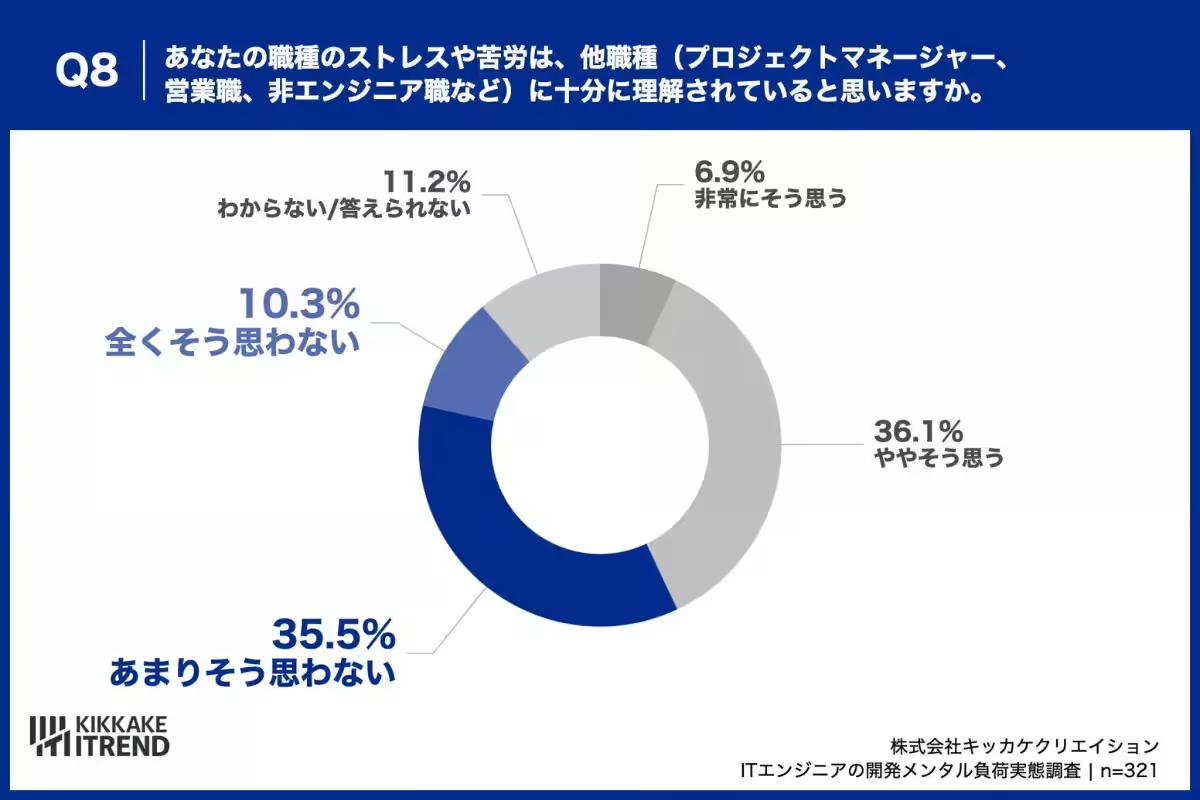
This phenomenon is alarming, especially considering that almost 45.8% of the engineers felt inadequately understood by their non-engineering peers. Such sentiments affirm the need for better communication and alignment across roles within technical teams.
The Most Stressful Development Phases
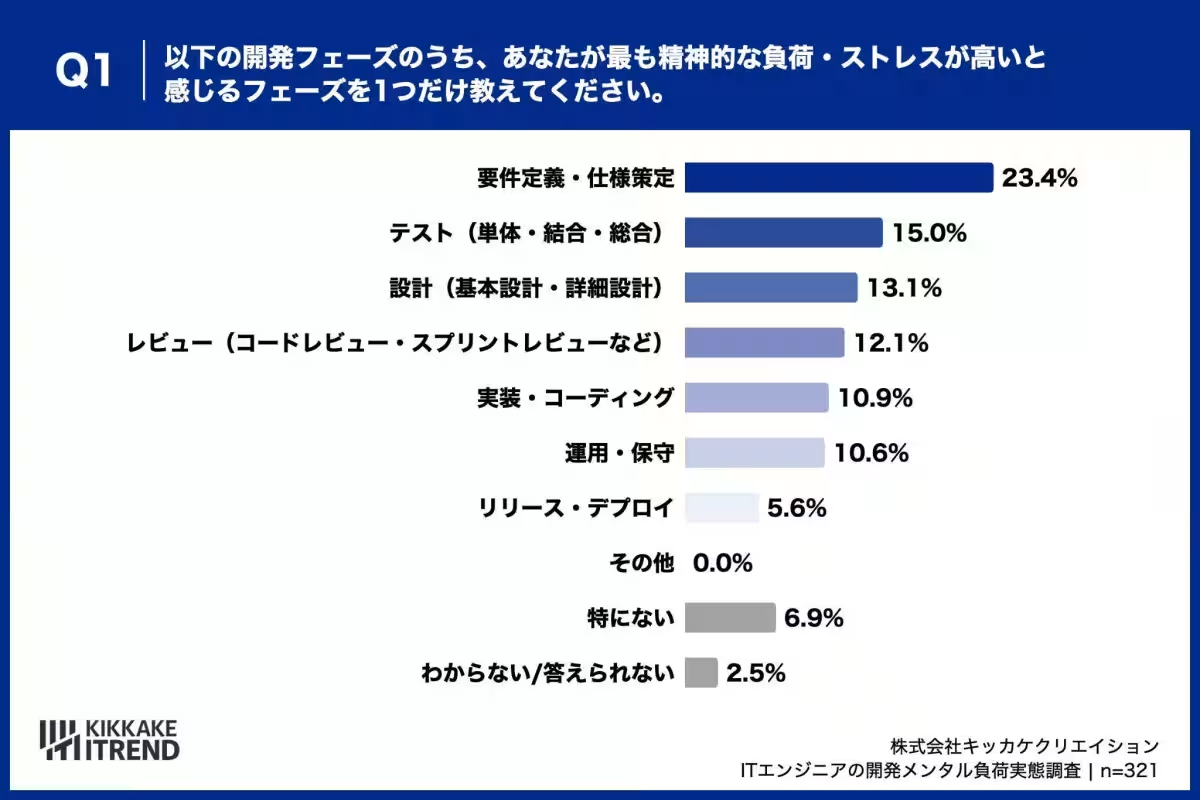
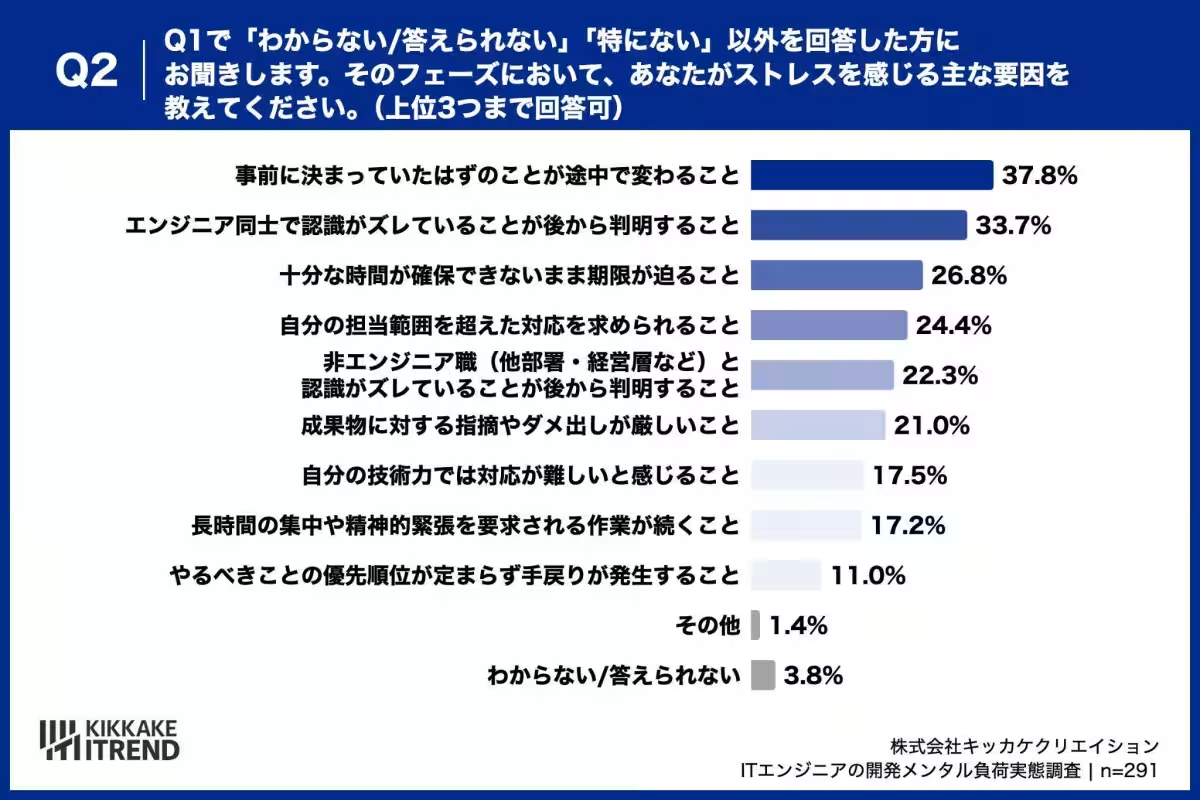
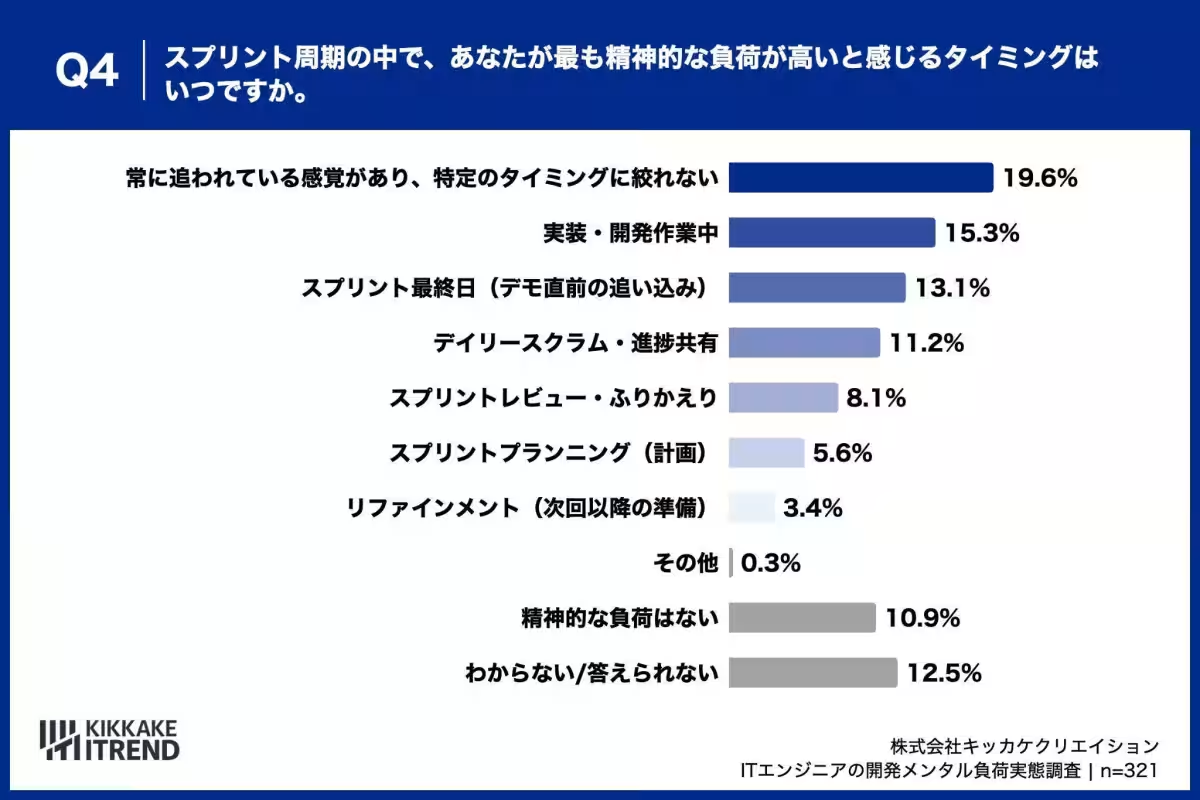
When considering the various stages of software development, the most mentally taxing phase identified by the engineers was the requirement definition and specification phase, cited by 23.4% of respondents. In stark contrast, coding and deployment showed significantly lower stress levels, with only 5.6% noting these phases as particularly burdensome. The changing circumstances during these phases, as reported by 37.8% of engineers, serve as a chief stress catalyst, highlighting the troubles caused by shifting parameters amidst project timelines.
New Stressors in AI Integration
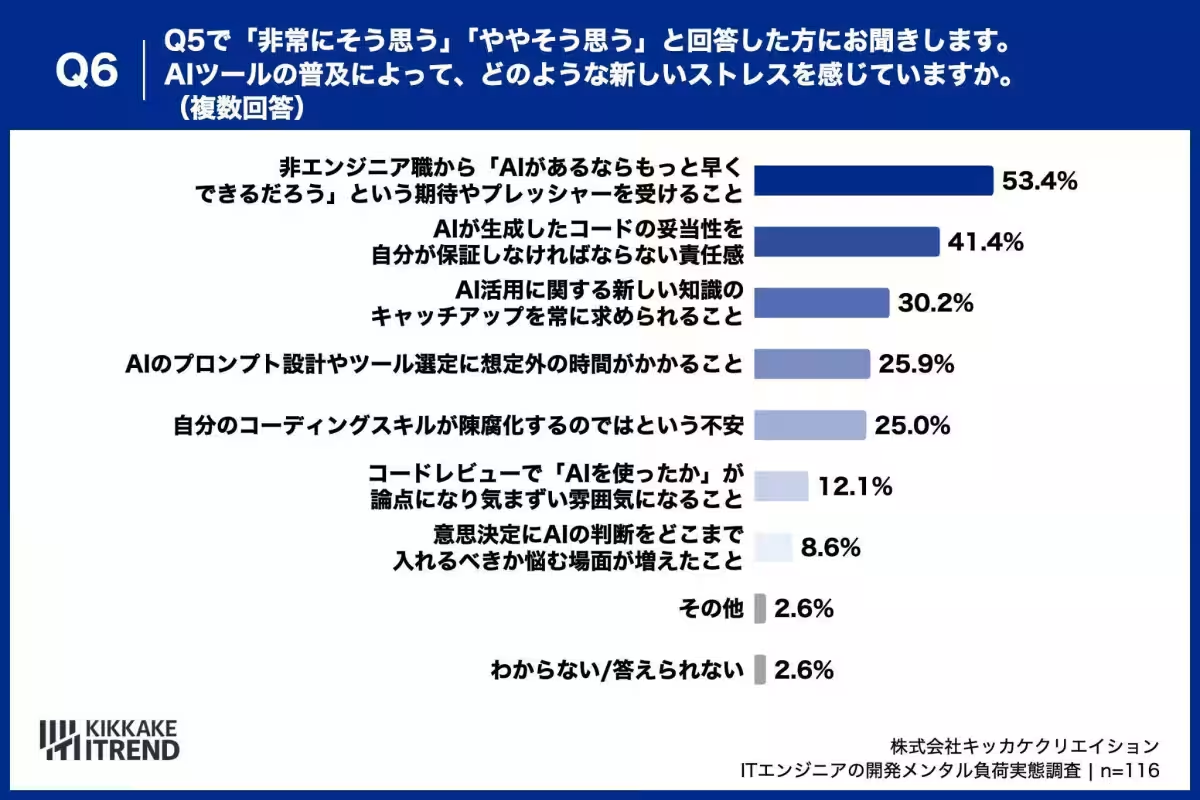
Identifying unique stressors attributed specifically to AI integration, 53.4% of engineers reported feeling pressure from non-engineers who expected quick results due to AI functionalities. Furthermore, a considerable 41.4% felt obligated to validate the code generated by AI, thus taking on added responsibilities that heighten their existing workload and mental strain.
Perspectives on Job Satisfaction
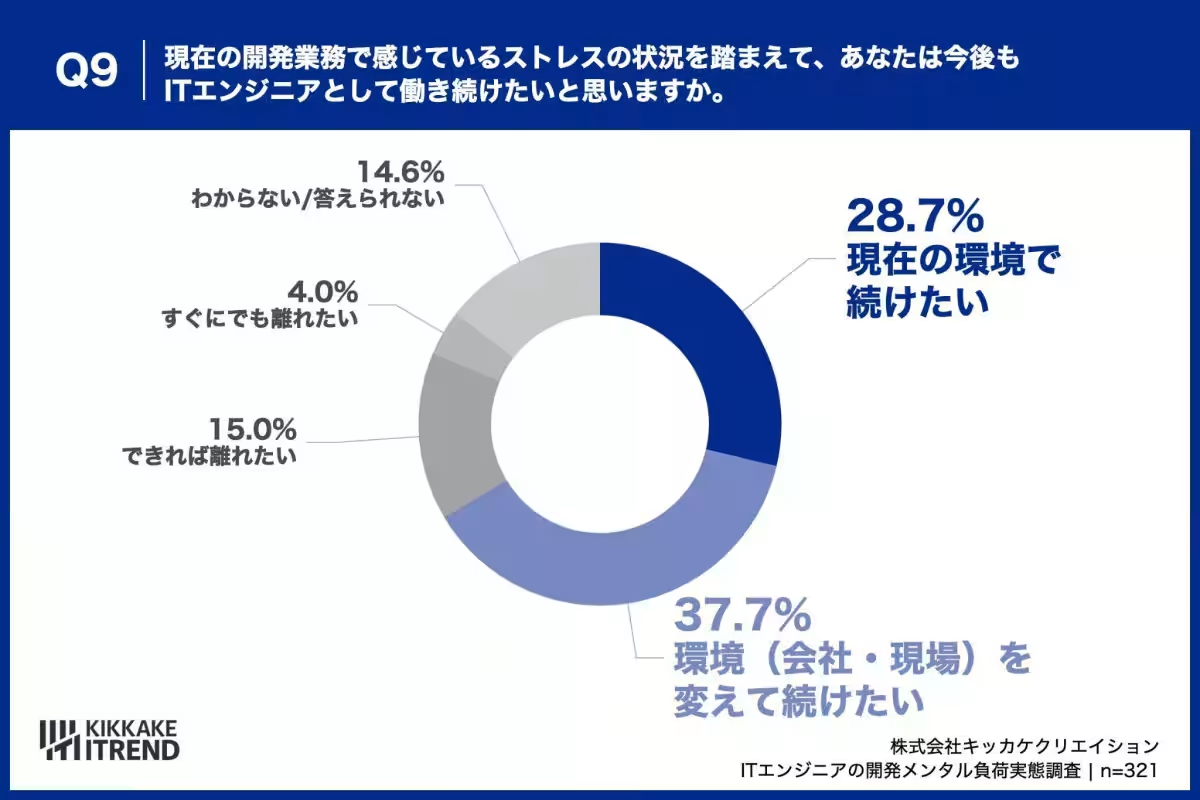
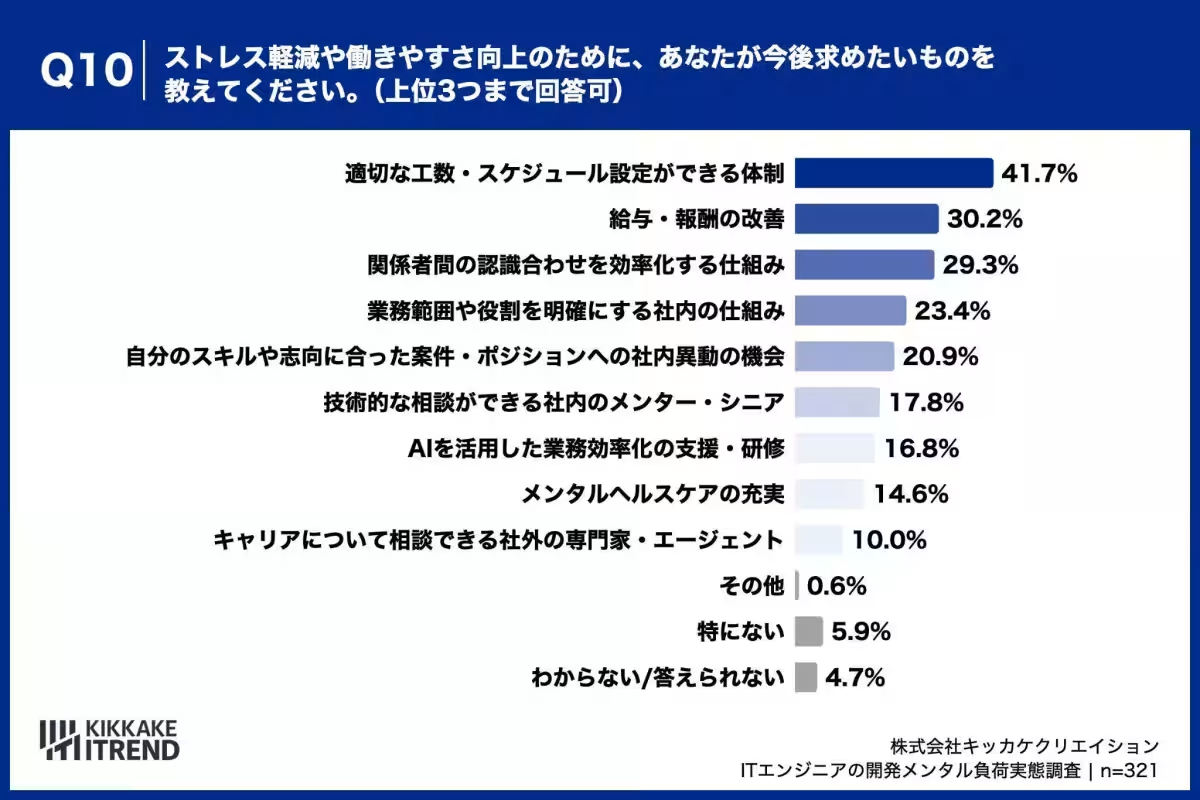
Despite the challenges, only 28.7% of engineers expressed a desire to stay in their current roles, while a significant 37.7% were looking for opportunities that might better align with their work-life balance. The survey revealed that appropriate scheduling and clearer communication among team members were greatly desired, with these factors contributing to a healthier work environment.
The Disconnect between Roles
The study emphasizes not just individual stress but signals deeper organizational issues regarding communication between technical and non-technical roles. Engineers feel pressure from distinct fields unknowingly imposing unrealistic expectations fueled by a lack of understanding of AI's current limitations and capabilities.
Conclusion
The evolving workspace driven by new technologies such as AI brings challenges that are difficult to navigate without clear communication. Emphasizing the need for efforts towards bridging the knowledge gap between roles in IT, organizations are called to foster environments where expectations can be properly aligned and addressed. As businesses continue to adopt advanced tech, ensuring that engineers receive the understanding and support they need will be crucial to maintaining morale and performance in the face of technological evolution.
In the end, realizing the potential and limits of AI tools in software development lays a foundation for better collaborative practices among all involved disciplines, ensuring a smoother production pipeline and enhanced job satisfaction for IT engineers. This is imperative for the long-term success and retention of technical talent in the industry.
Topics Business Technology)
【About Using Articles】
You can freely use the title and article content by linking to the page where the article is posted.
※ Images cannot be used.
【About Links】
Links are free to use.