



Tokyo's Population Surge: A Recovery Exceeding Pre-Pandemic Levels
Tokyo's Population Surge: A Recovery Exceeding Pre-Pandemic Levels
In recent decades, Tokyo has experienced a remarkable demographic shift, not only recovering from the COVID-19 pandemic but also surpassing its pre-pandemic population figures. This article delves into the factors driving this growth, focusing particularly on the significant role played by foreign residents in the city's demographic landscape.
Population Growth in Tokyo
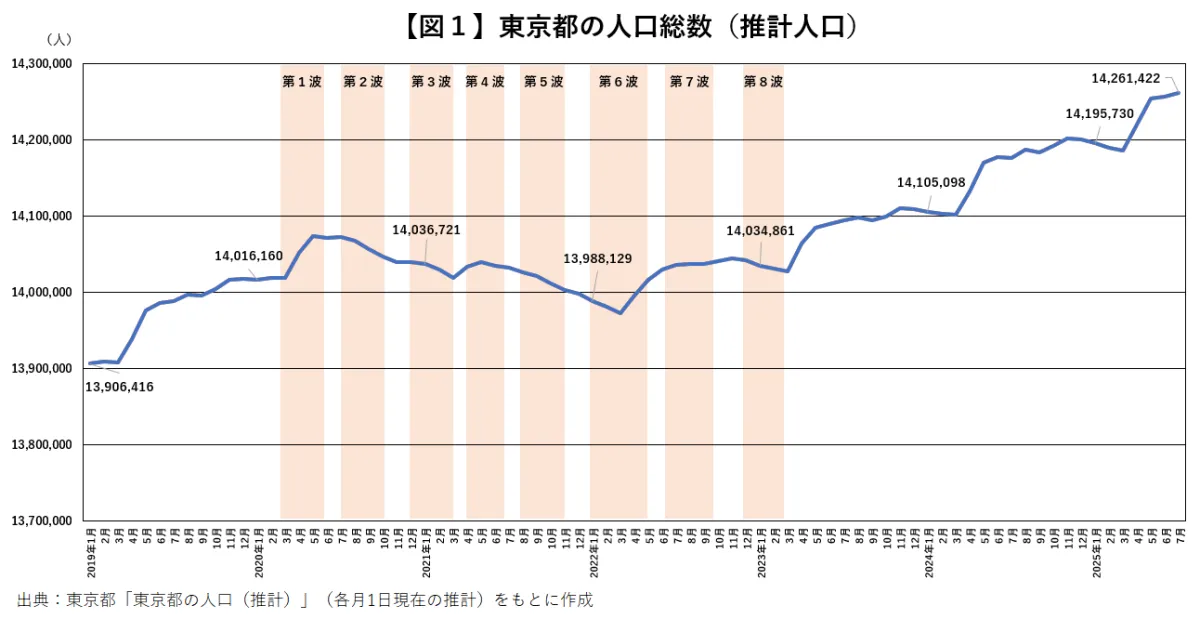
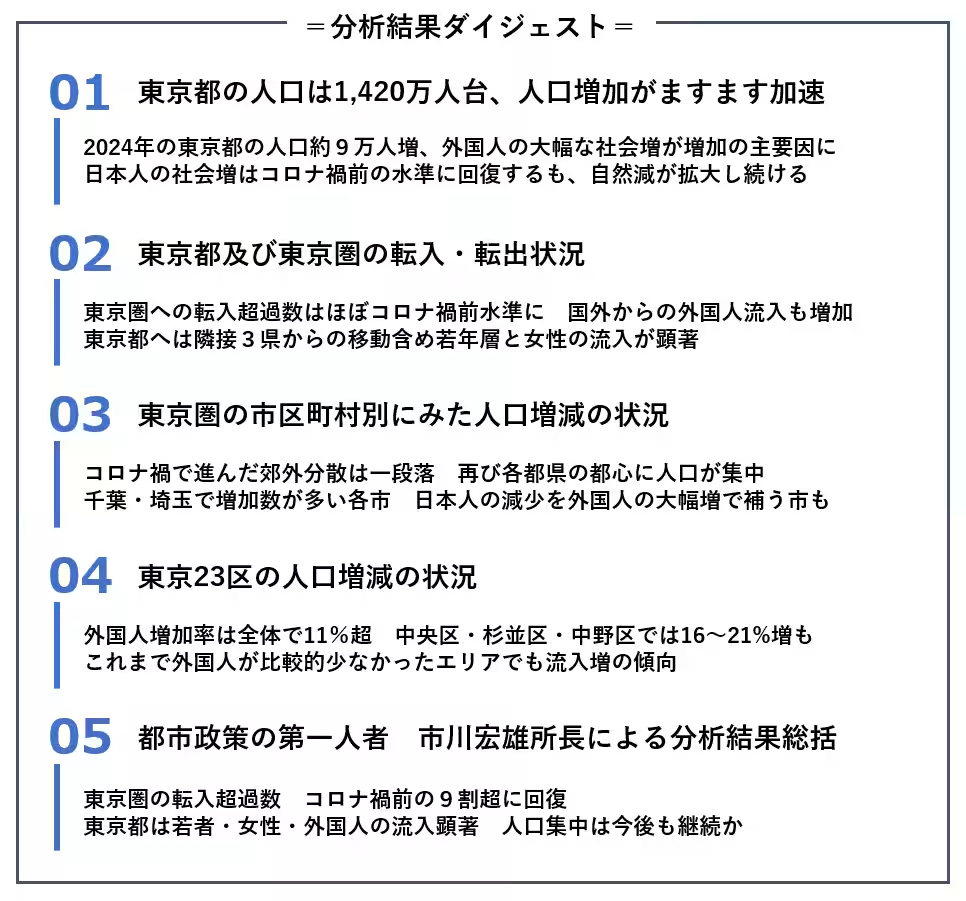
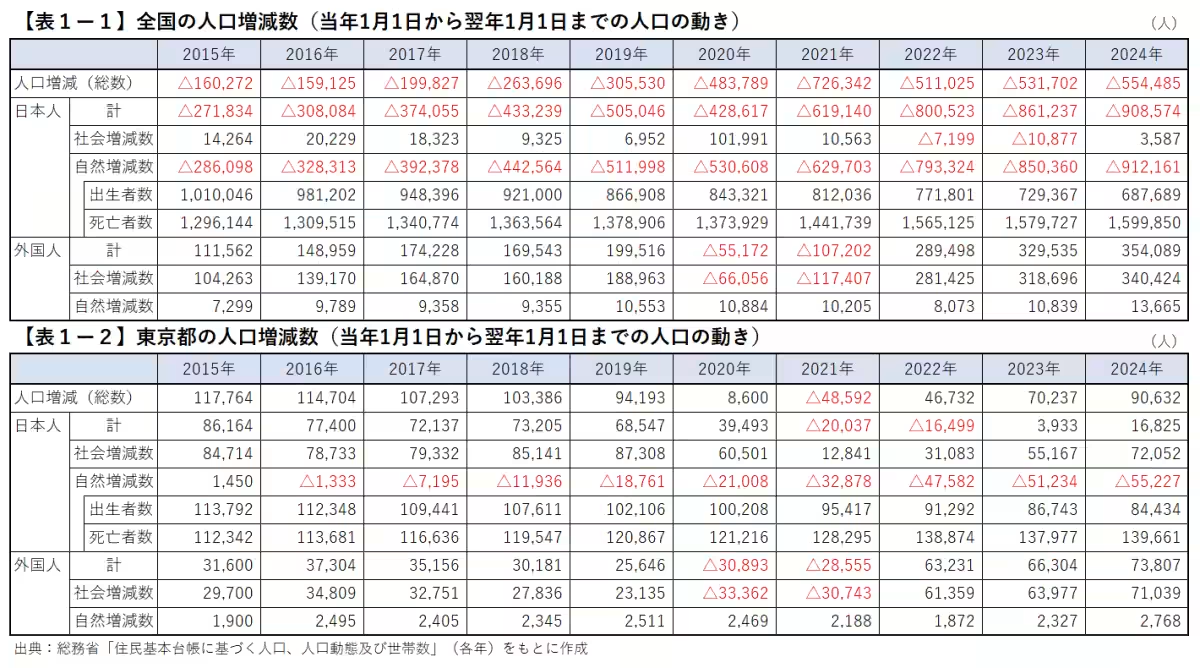
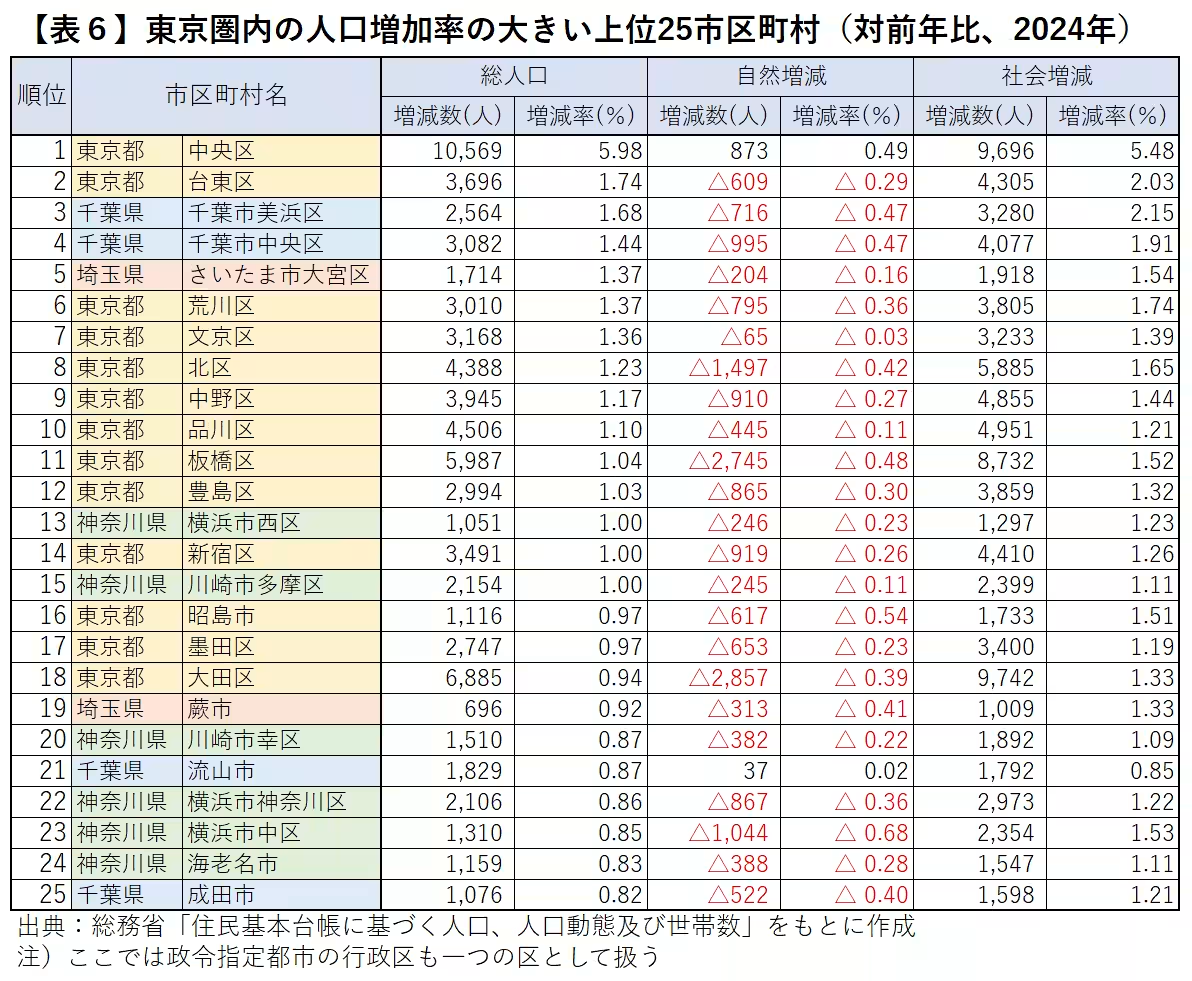
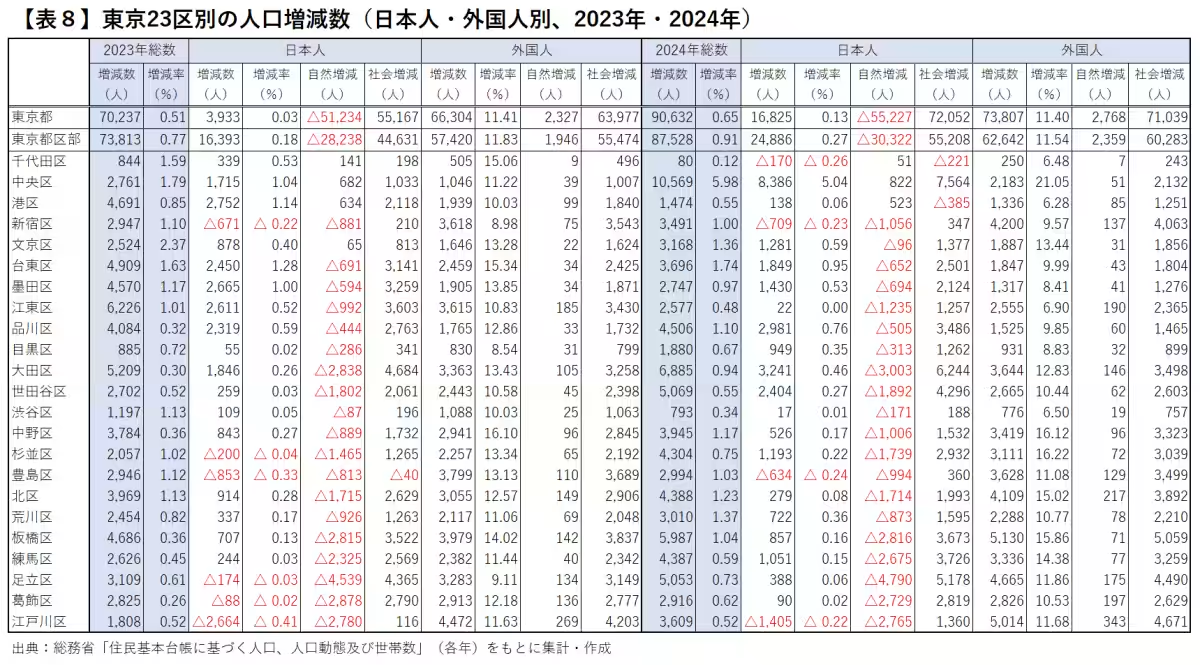
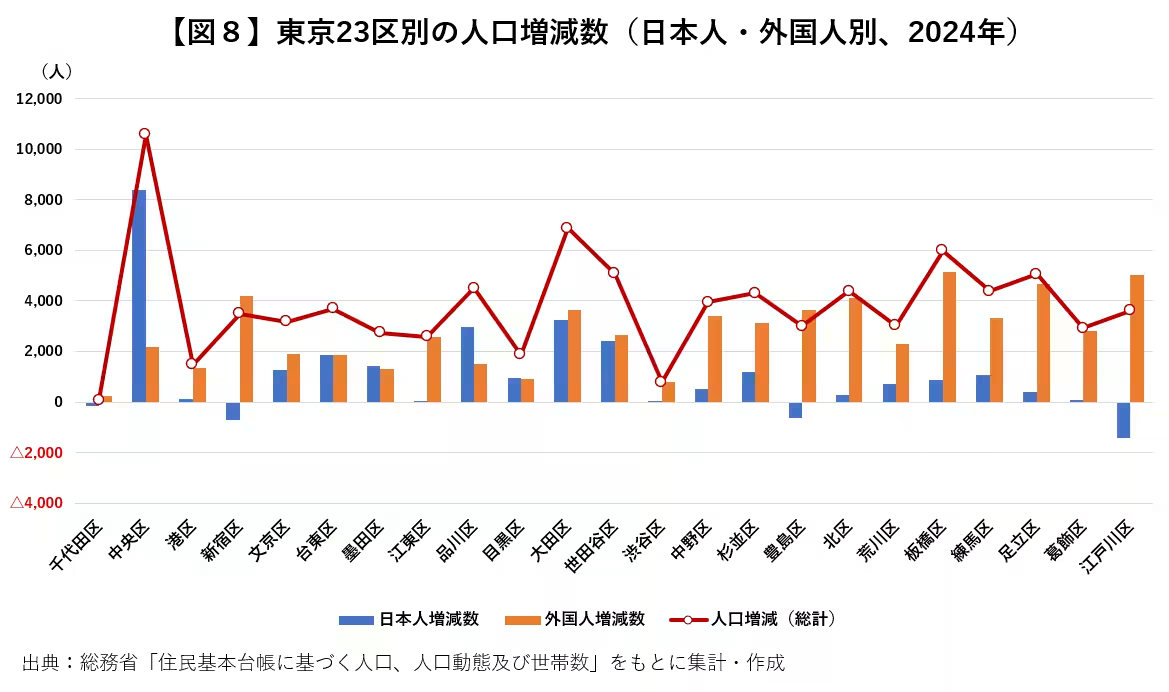
According to the reports by the Ministry of Internal Affairs and Communications, as of January 1, 2025, Tokyo's population reached approximately 14.2 million, with a notable increase of over 90,000 residents in 2024 alone. This growth can be attributed primarily to a significant influx of foreign residents, alongside a recovery in the number of Japanese residents returning to the metro area. Despite a natural decrease in the Japanese population due to declining birth rates and increasing mortality, the social increase primarily from foreign residents has maintained Tokyo's status as a global city.
From 2015 onward, statistical analysis reveals a stark contrast in population dynamics: the Japanese population has seen a decreasing trend, while the foreign population has substantially increased. In 2024, foreign nationals contributed positively to the demographic picture, with an increase of about 340,000 individuals compared to the previous year. In stark contrast, the Japanese demographic reported a loss of about 908,574 individuals.
Contributions of Foreign Residents
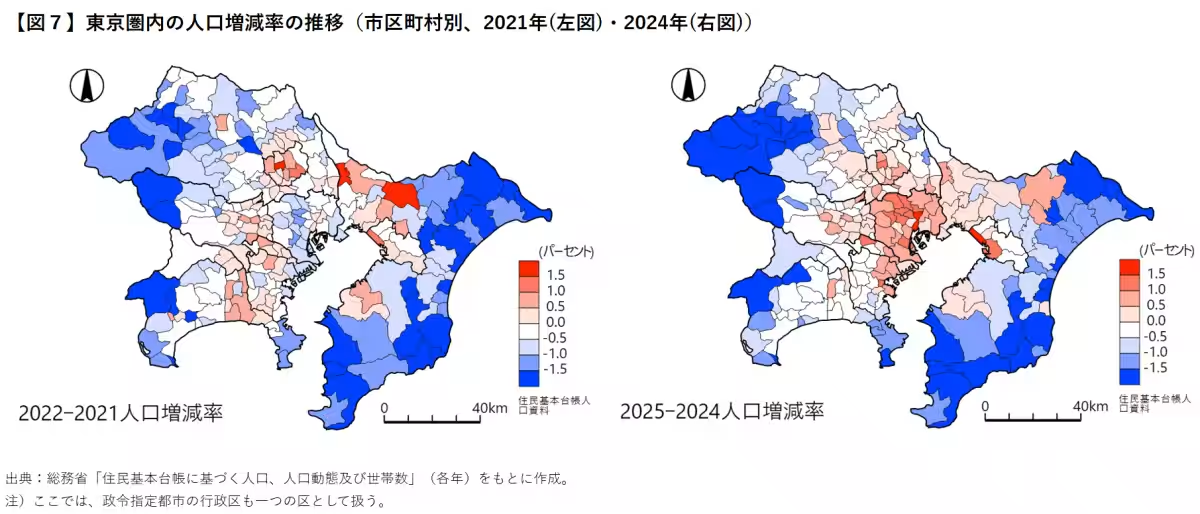
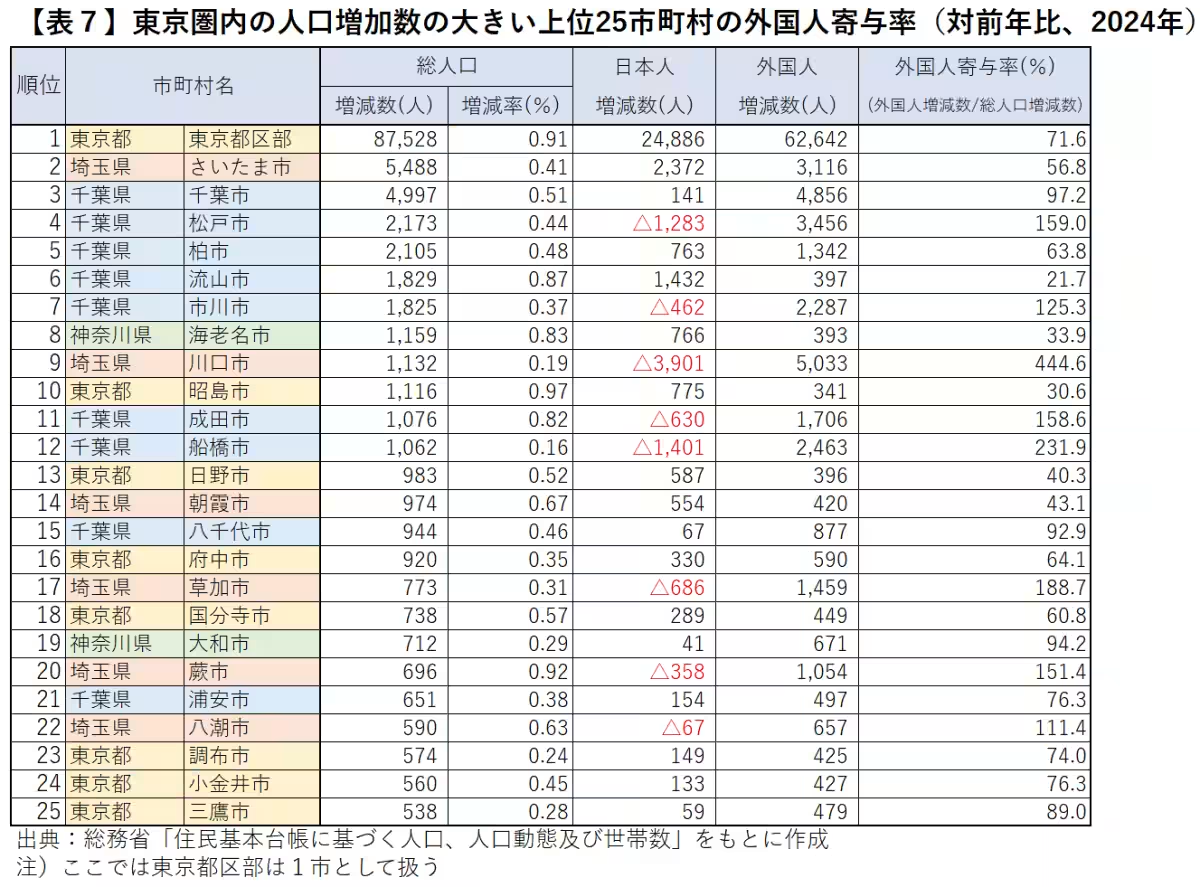
The upward trajectory of the foreign population in Tokyo has been a remarkable development. Between 2022 and 2024, the number of foreign residents surged, reversing the declines seen during the pandemic. In particular, the proportion of foreign residents in certain neighborhoods has dramatically increased. For instance, in areas like Chiba and Saitama, foreign residents accounted for an astonishing percentage of the total population growth.
Moreover, reports indicate that foreign residents' natural increase (meaning births over deaths) is also on the rise, reflecting a familial trend among these communities. This shift is crucial in offsetting the trend of natural decrease among Japanese citizens and highlights the important contributions of foreign residents to the city’s demographics.
Demographics by Age and Gender
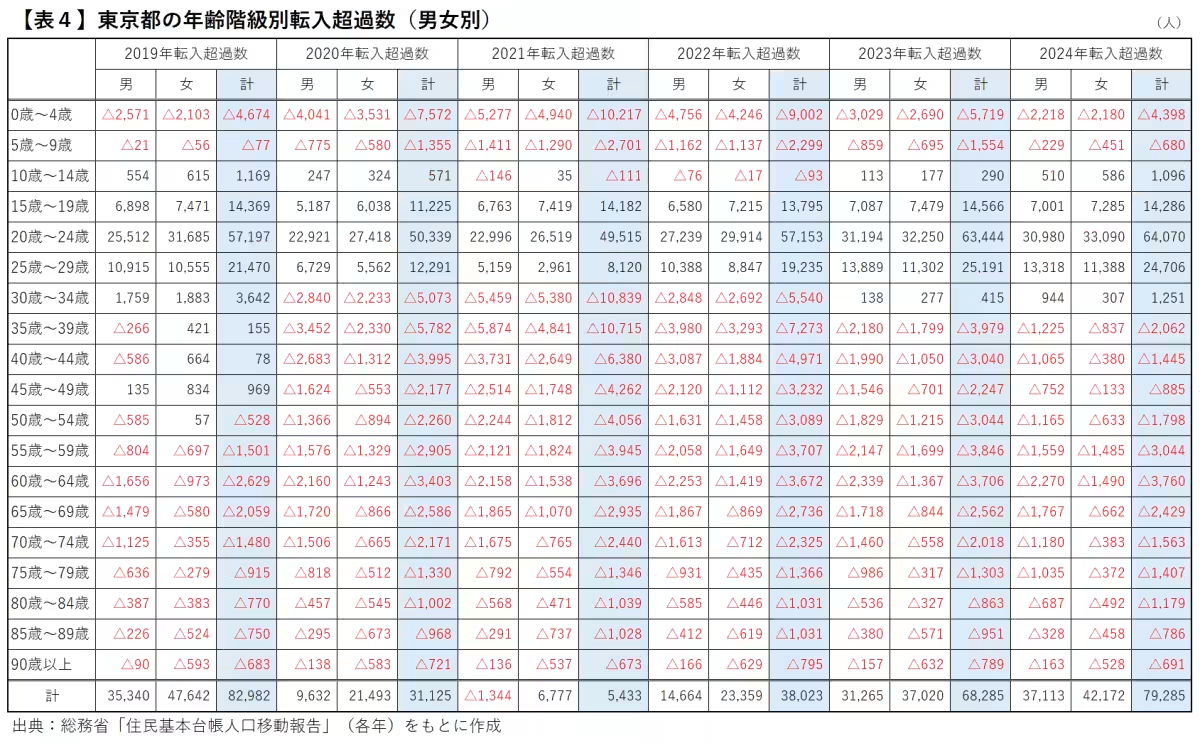
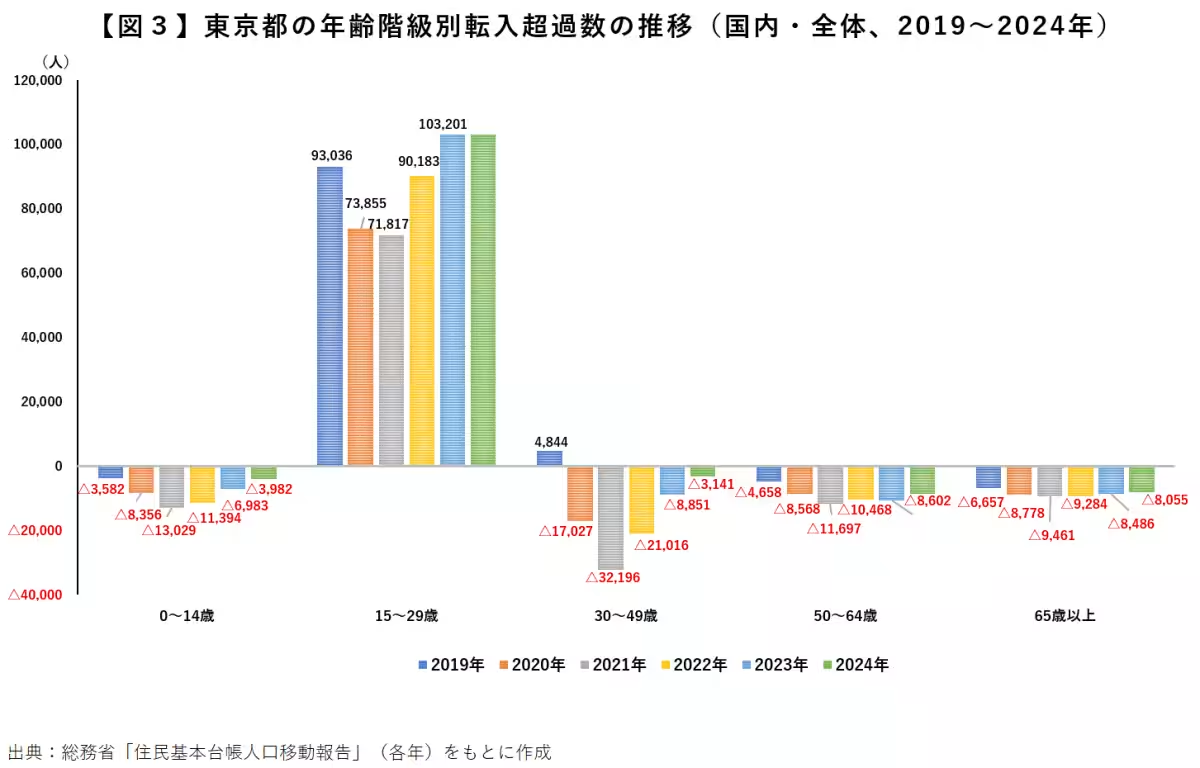
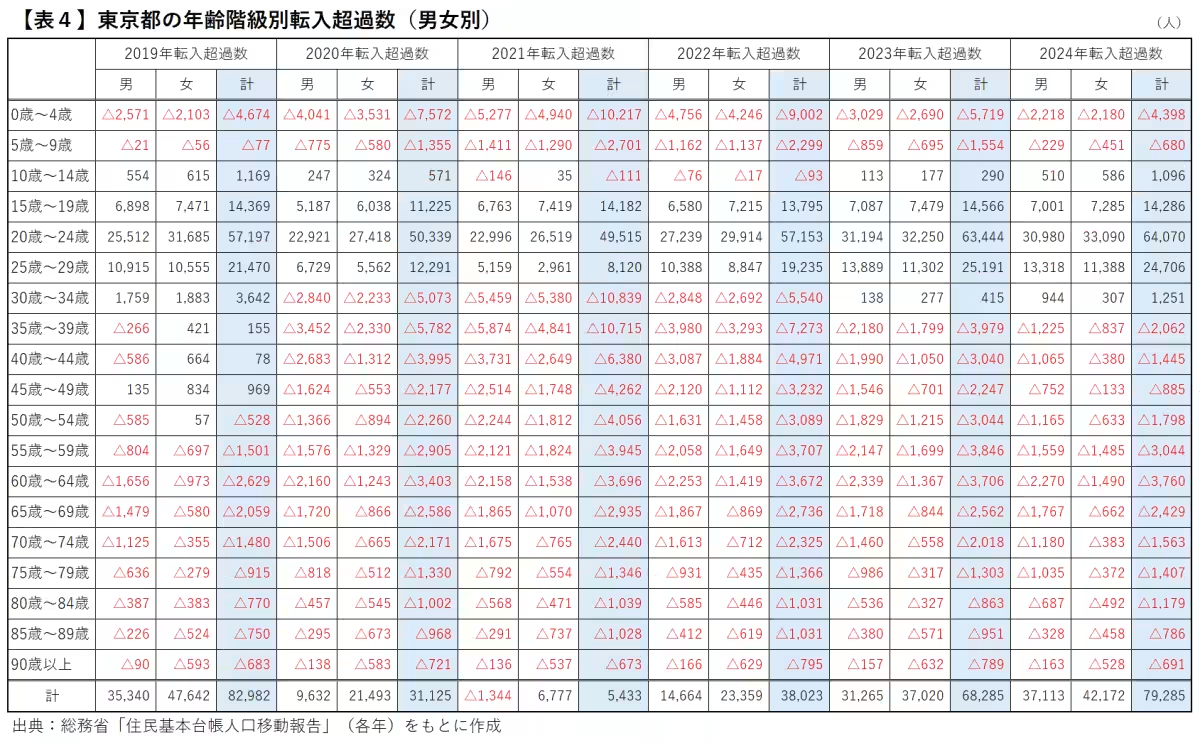
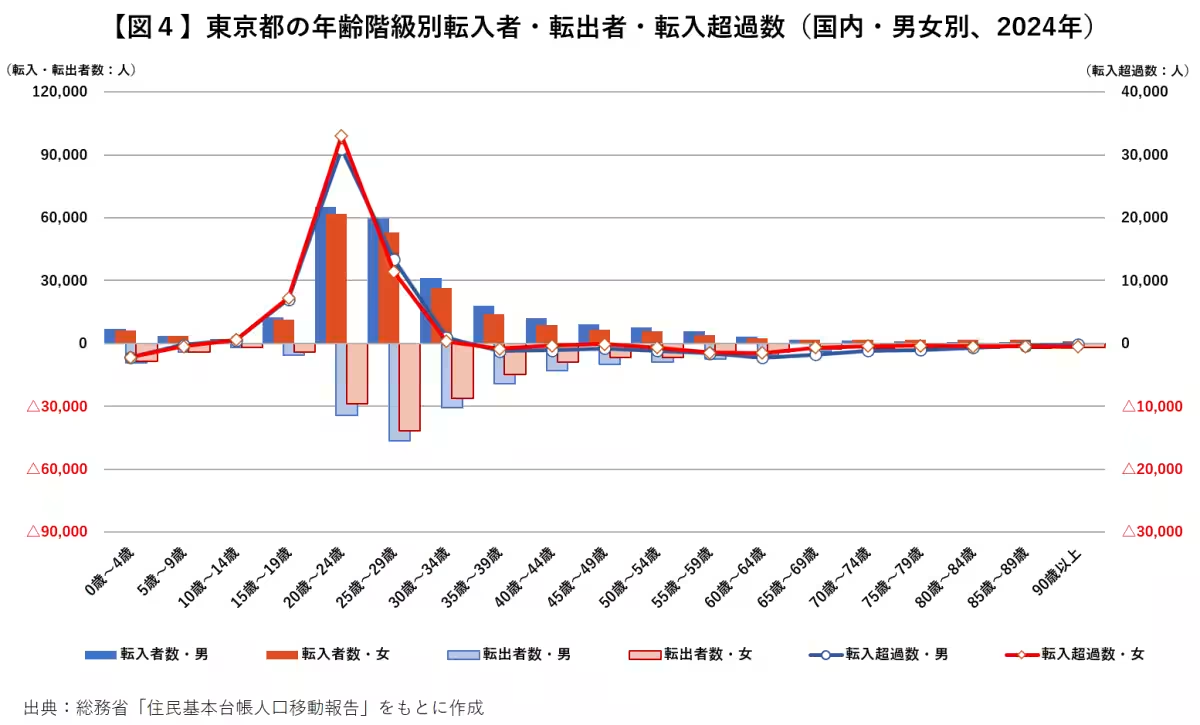
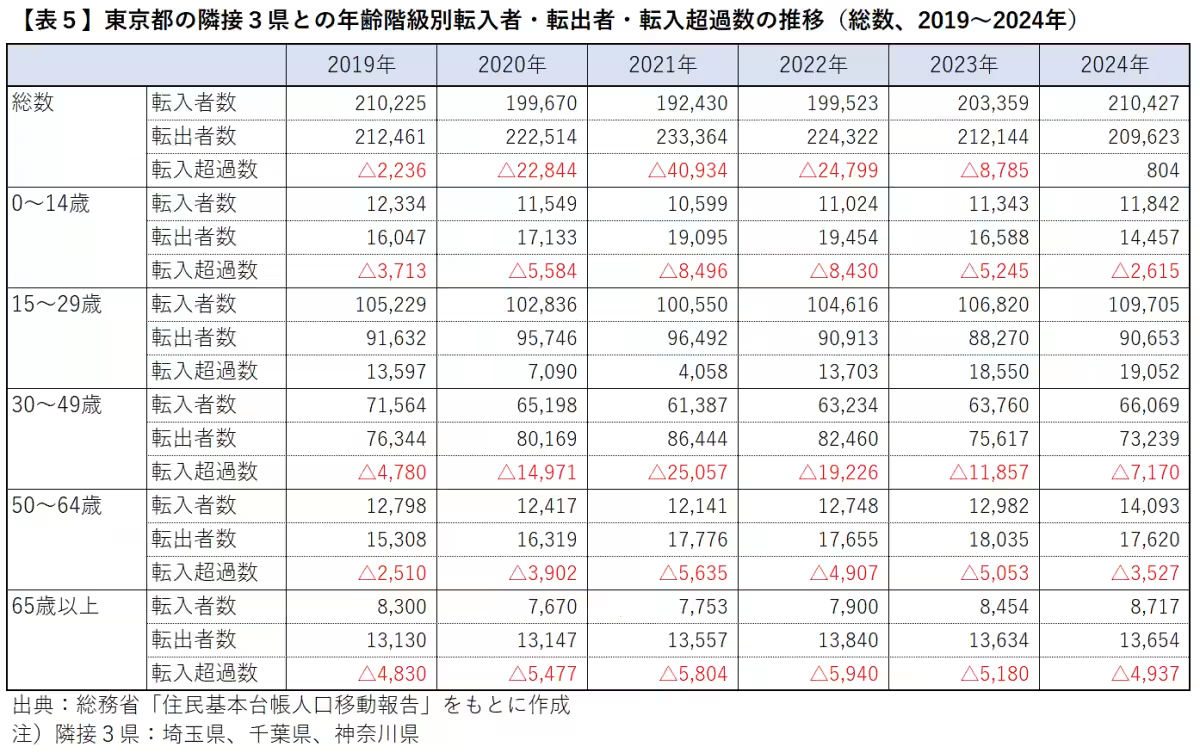
When examining the age distribution of individuals moving to Tokyo, notably, there’s a significant pattern: the younger population (ages 15 to 29) has shown the highest immigration rates. This trend is particularly significant among women, with an influx of about 42,172 women compared to only 37,113 men, reflecting ongoing gender dynamics in migration patterns. A marked influx of young adults seeking educational and employment opportunities indicates a brighter outlook for the city’s future.
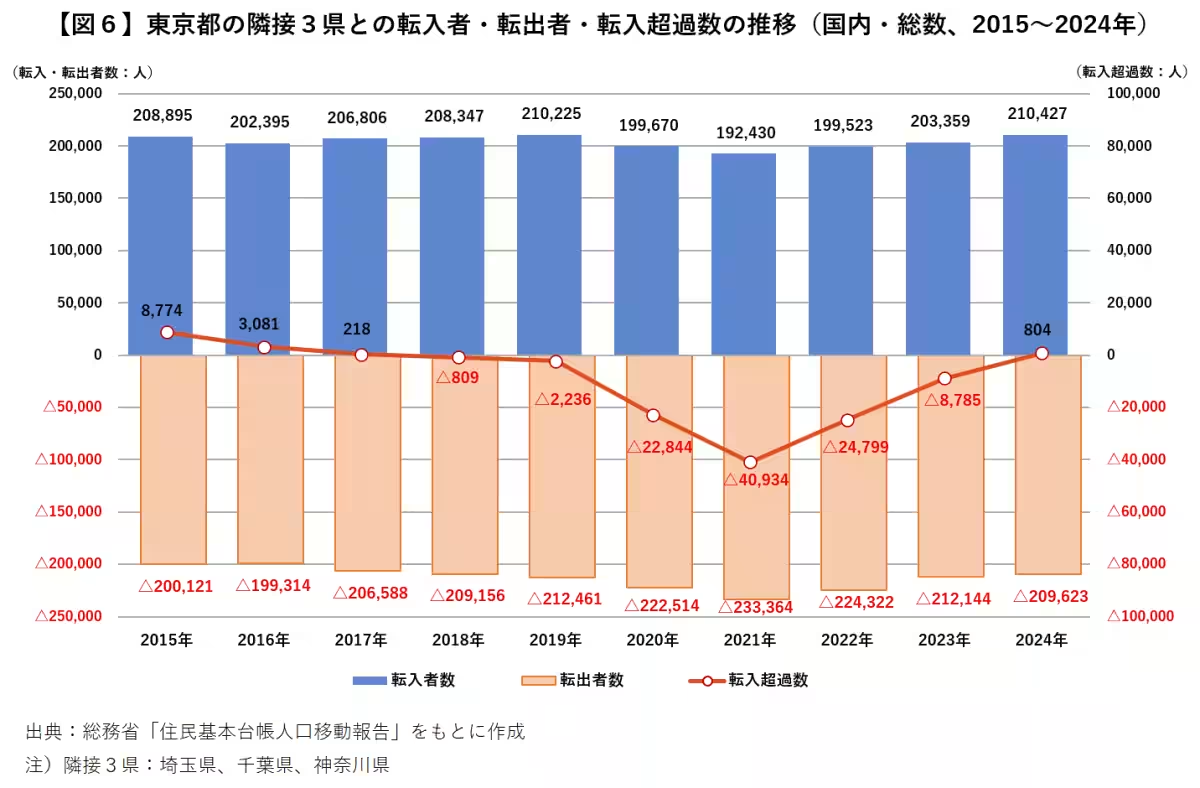
Beyond the migration trends of younger demographics, there’s also an observable shift in family structures, with younger families and professionals gravitating towards urban centers for better opportunities. This can be seen in the decreasing outflow of child-rearing age individuals (ages 30-49), revealing a stabilizing trend in the family demographic within Tokyo.
Shifting Migration Patterns
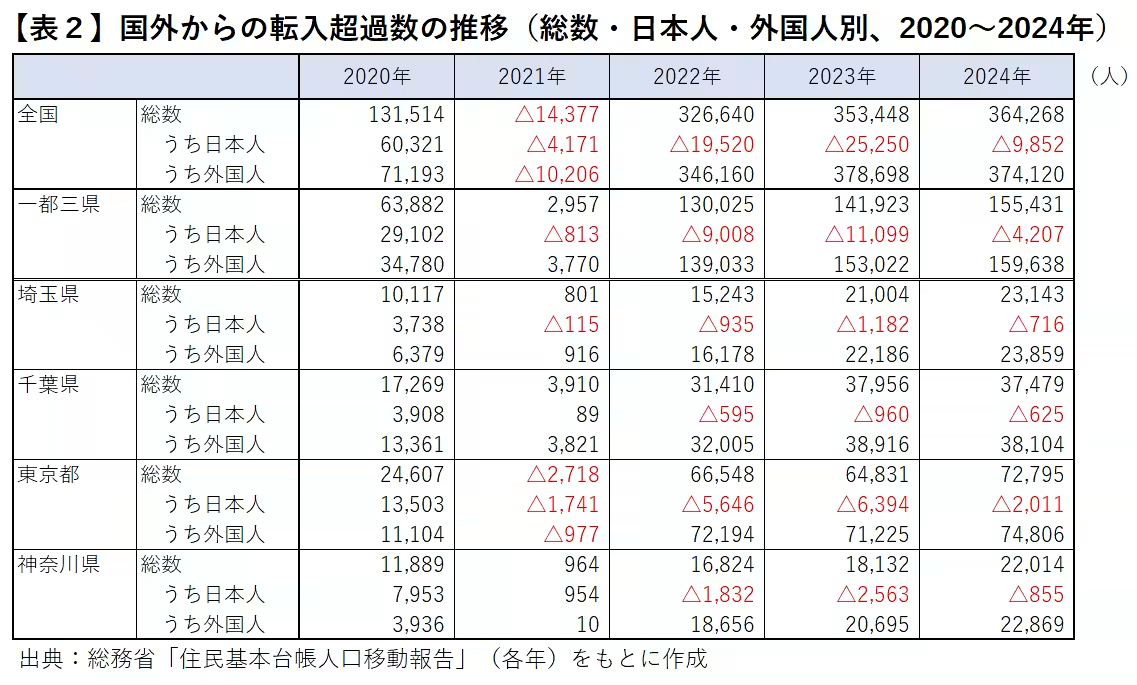
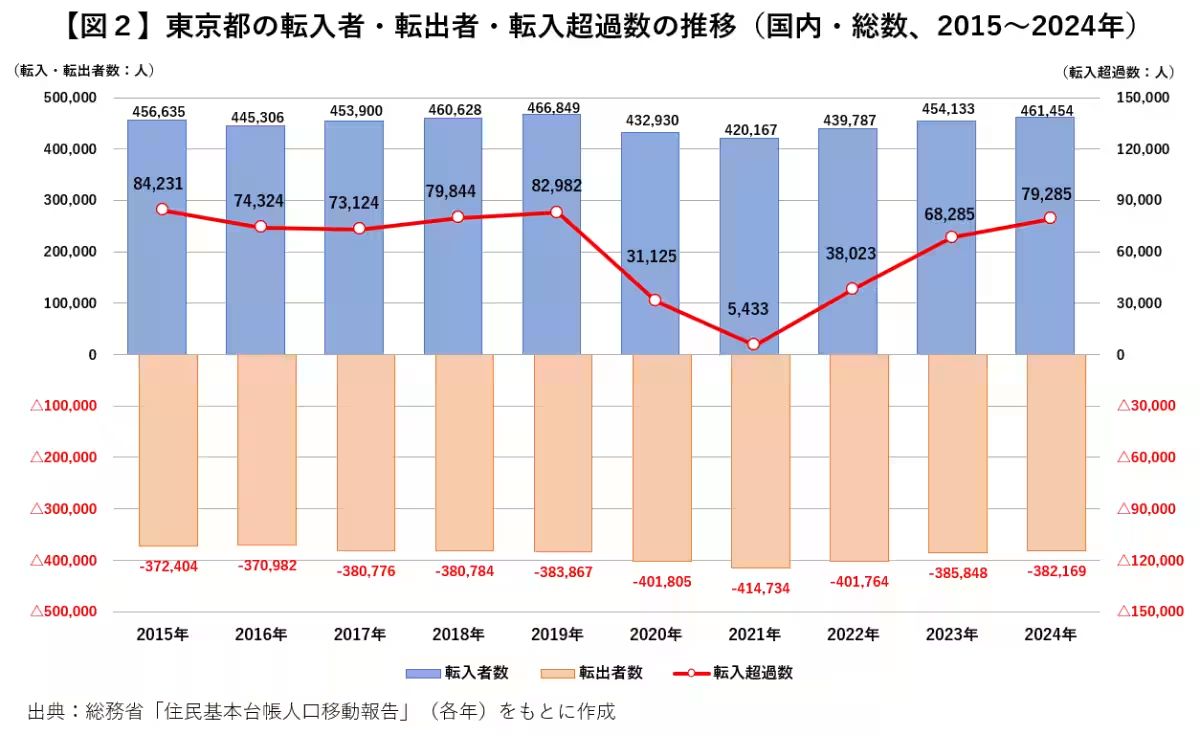
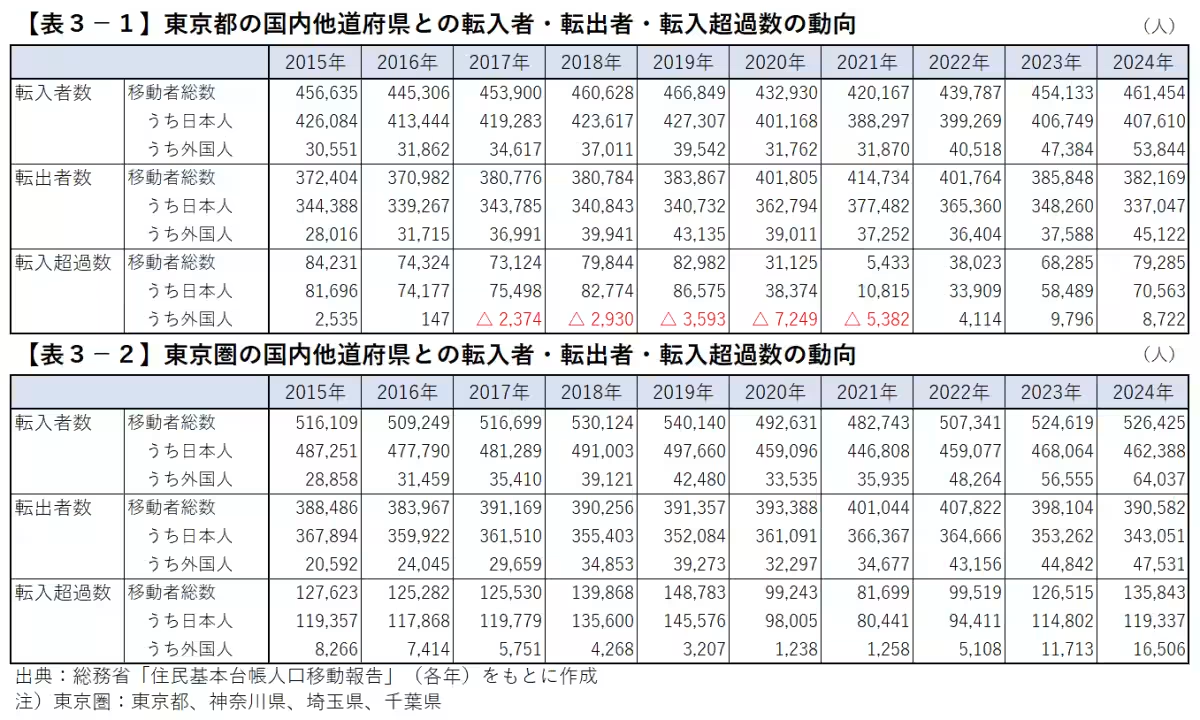
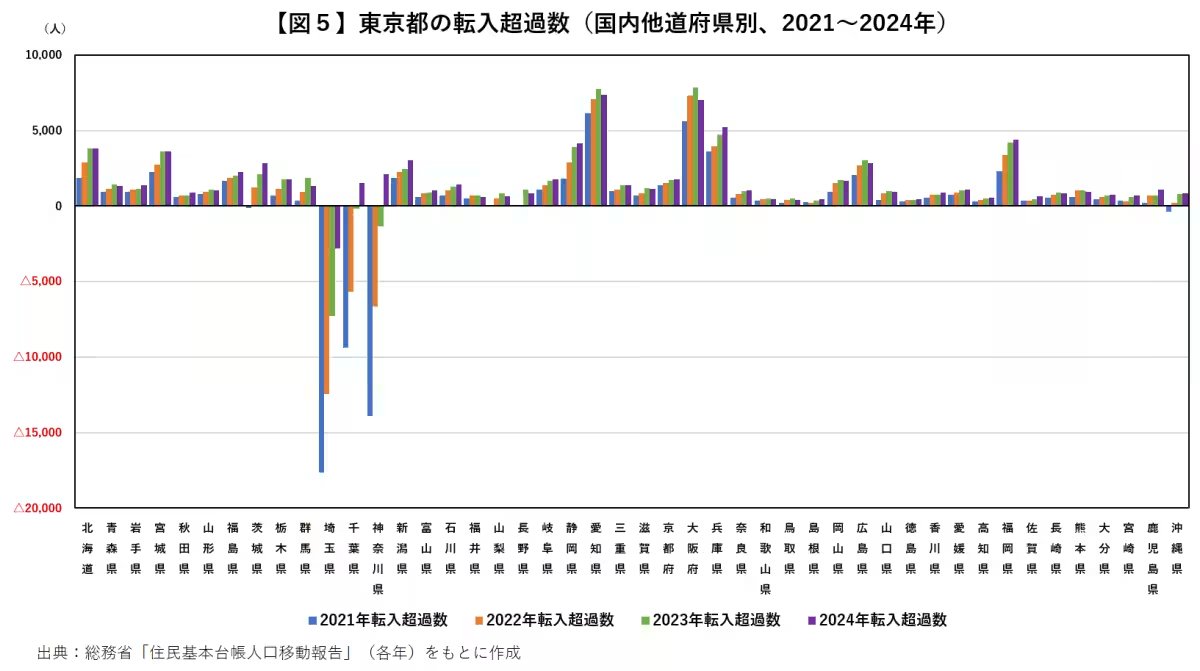
Tokyo's migration landscape showcases distinct movements both domestically and internationally. The inter-regional migration data reflects a resurgence in Tokyo's appeal as a destination for both Japanese nationals and foreign residents. Particularly, in 2024, approximately 16,000 foreign nationals entered the Tokyo metropolitan area, with a significant number migrating from neighboring prefectures like Kanagawa and Chiba.
The observations also reveal that the migration dynamics have evolved post-pandemic, with foreigners representing an increasingly significant share of all newcomers. In sectors previously dominated by local residents, the new mixed demographic is shifting the cultural and social fabric of the neighborhoods.
Conclusion: A Future Focused on Diversity
As Tokyo continues to evolve and adapt to these population dynamics, it’s clear that the role played by foreign residents is invaluable. With Tokyo's population predicted to continue growing, the diversity brought by foreigners not only promises to enrich the city’s cultural landscape but also sustains its economic vitality amidst the backdrop of an aging domestic population.
Reference Data
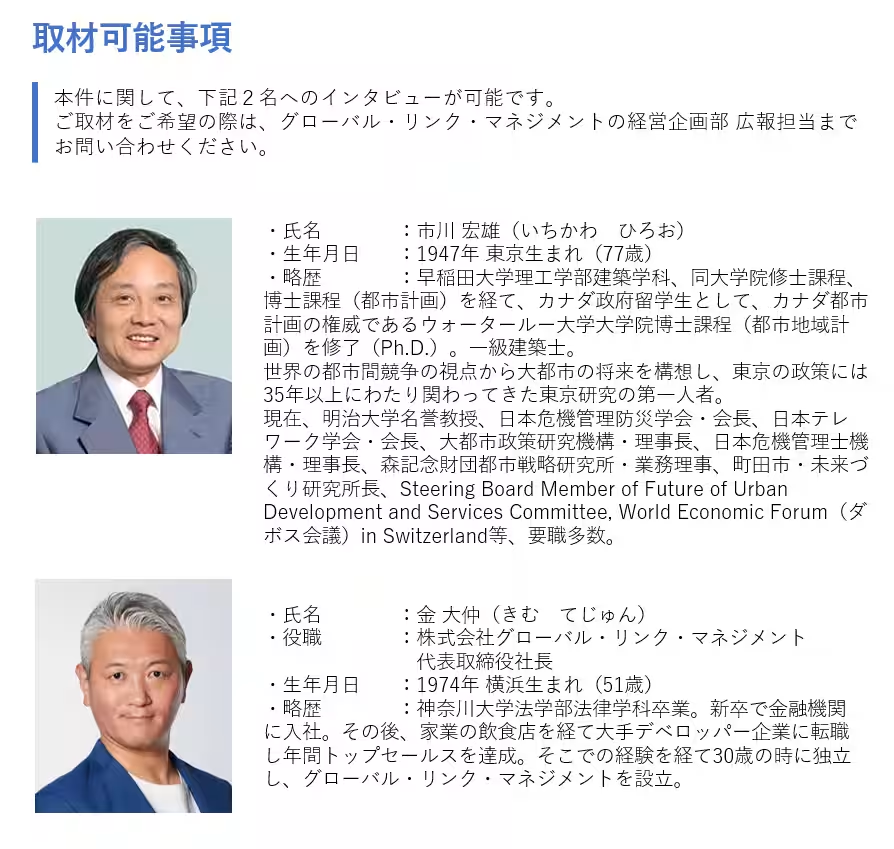
The analysis is based on comprehensive reports and studies conducted by the Global Urban Real Estate Research Institute, founded by Global Link Management, which aims to explore and convey the allure of Tokyo as a global metropolis. This ongoing research continues to inform stakeholders about the city's demographic evolution and policy implications.
For those interested in a deeper examination of this data, please find previous reports and resources available on the Global Link Management website.
Topics General Business)
【About Using Articles】
You can freely use the title and article content by linking to the page where the article is posted.
※ Images cannot be used.
【About Links】
Links are free to use.