



The Rise of Health Supplements: Women's Pursuit of Nutrition and Beauty
The Rise of Health Supplements: Women's Pursuit of Nutrition and Beauty
In a recent survey conducted by Cross Marketing Co., Ltd., it was discovered that approximately 40% of women in Japan consume health supplements. These products are increasingly popular as they not only provide essential nutrients but also cater to beauty enhancements for skin and hair. Given the expanding market and the growing variety of health products available, the survey sheds light on how Japanese women view health supplements and what drives their consumption.
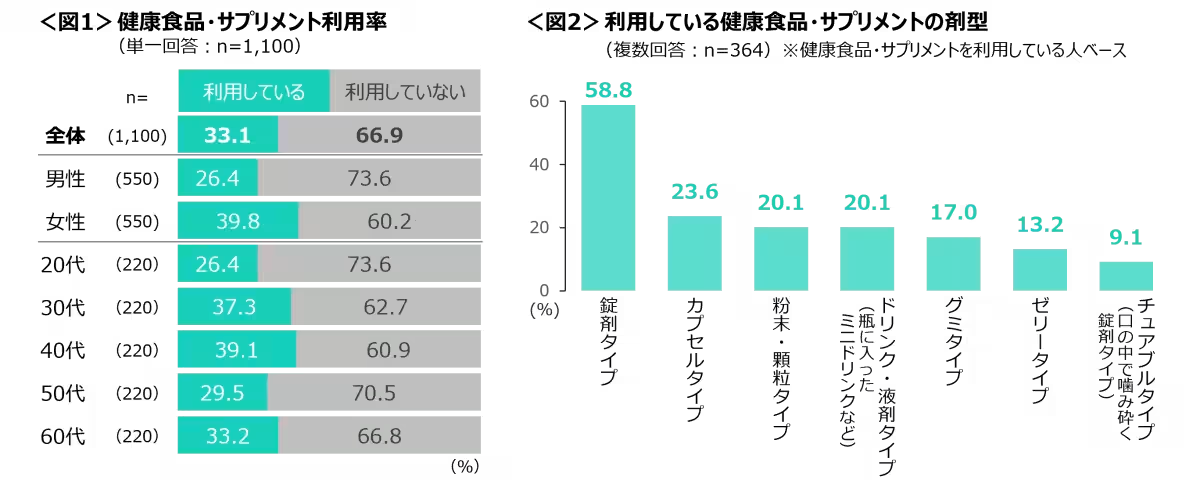
The survey sampled 1,100 individuals aged 20 to 69 across Japan, revealing that about one in three respondents use health supplements. A stark gender difference emerged: 39.8% of women reported supplement usage compared to 26.4% of men, showcasing a significant 13.4 point gap. Additionally, the data indicated that the highest consumption rates were found among those in their 30s and 40s, while individuals in their 20s showed the least interest in these products.
Among those who actively consume health supplements, 58.8% opted for tablet forms, making them the most popular choice. Other formats like gummies and jellies captured only around a tenth of the market each. This indicates a growing trend towards more convenient, palatable forms of supplements, demonstrating a shift in consumer preference.
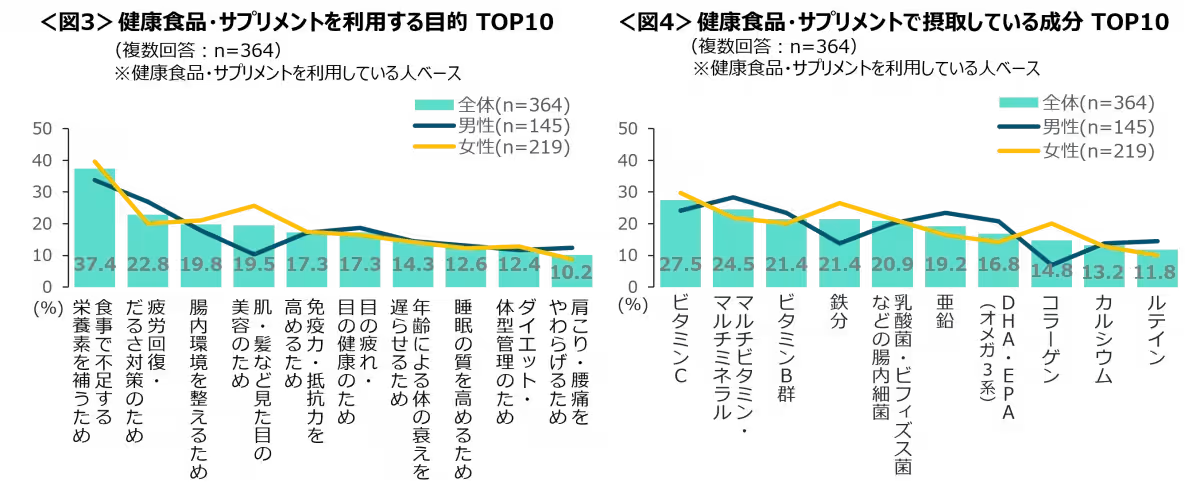
The motivations behind supplement consumption reveal critical insights. The primary reason for usage was to compensate for nutrients that are lacking in daily meals, with 37.4% of respondents citing this as their primary goal. Following this, a considerable number also reported taking supplements for fatigue recovery and improving digestive health. Notably, beauty-oriented reasons were highlighted especially among women, with many citing skin and hair health as a significant part of their supplement intake.
When examining which vitamins are most commonly consumed, vitamin C, multivitamins, and B vitamins topped the list. Interestingly, there is a clear distinction between male and female consumers: men favored multivitamins, zinc, and DHA/EPA, while women leaned towards vitamin C, iron, and collagen, indicating notable gender-specific differences in health priorities.
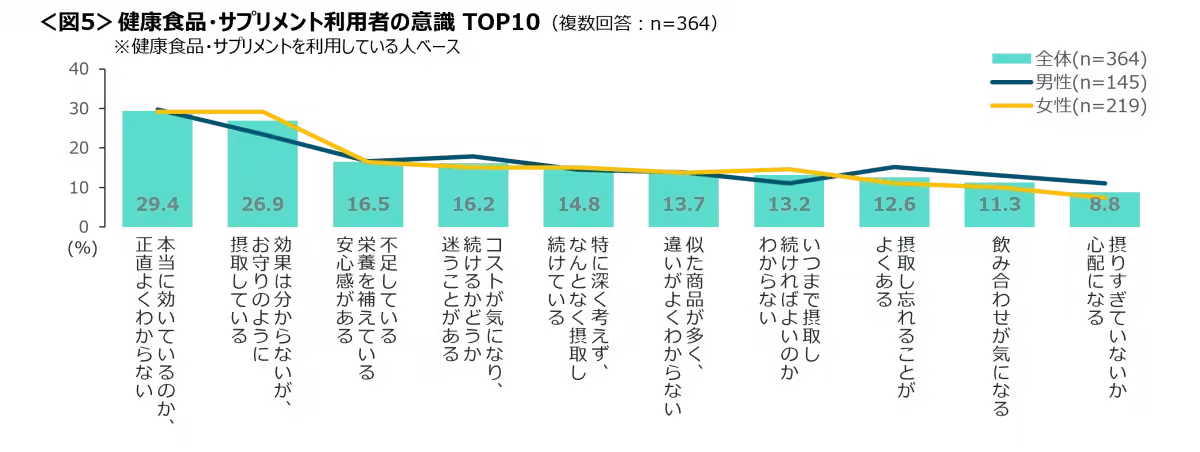
Despite the growing trend towards supplement consumption, a significant portion of users—29.4%—expressed uncertainty regarding the efficacy of the products they consume. Moreover, 26.9% of users admitted to taking supplements more out of habit or as a precaution than due to a strong belief in their effectiveness. This underscores how psychological comfort plays a crucial role in the adherence to supplement regimens for many consumers.
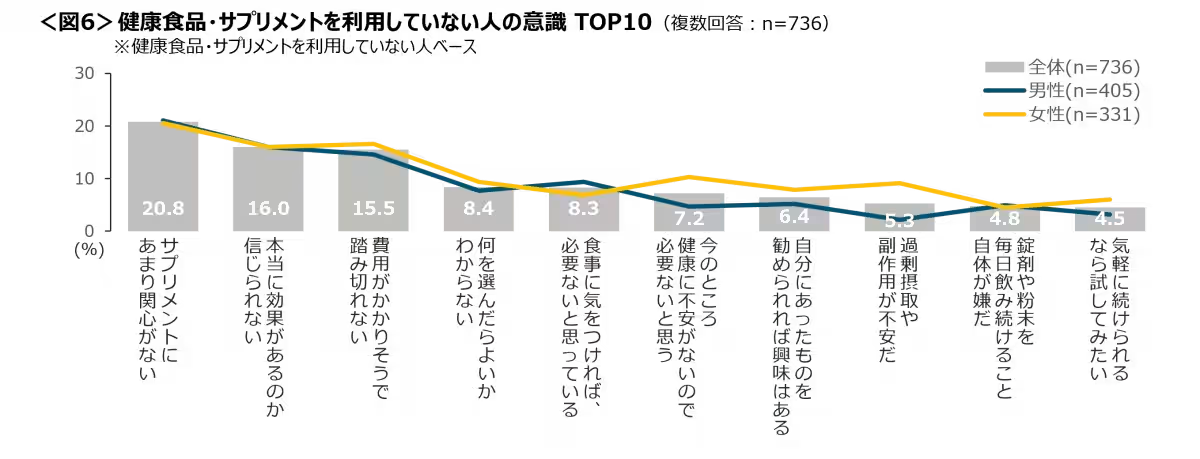
On the other hand, non-users exhibited skepticism towards health supplements—20.8% had little interest, and 16.0% questioned their effectiveness. This skepticism highlights a considerable gap in the market, emphasizing the need for more education and marketing efforts to address these concerns.
Conclusion
The recent findings from Cross Marketing’s in-depth survey provide valuable insights into the current landscape of health supplement consumption in Japan, particularly among women. As preferences evolve and convenience becomes paramount, manufacturers and marketers have opportunities to design products that resonate more deeply with the changing needs and desires of their consumers. With the dual emphasis on nutrition and beauty, the health supplement market is poised for significant growth, catering to an increasingly health-conscious demographic seeking both wellness and aesthetic improvement.

Topics Consumer Products & Retail)


【About Using Articles】
You can freely use the title and article content by linking to the page where the article is posted.
※ Images cannot be used.
【About Links】
Links are free to use.