




Exploring Young Readers' Preferences: Books, E-books, and Audiobooks in a Digital Age
Exploring Young Readers' Preferences: Books, E-books, and Audiobooks in a Digital Age
In the digital era, reading preferences among young adults have evolved significantly, as revealed by a recent survey conducted by ASMARQ, a marketing research firm based in Tokyo. This study, which focused on individuals aged 18 to 34 who had read various genres such as novels, academic books, essays, and children's literature in the past six months, was published on January 20, 2025. The findings reflect how the rise of e-books and audiobooks is changing the reading landscape for this demographic.
Survey Overview
The survey sought to understand the reading behaviors and preferences of young adults in light of increasing digitalization and exposure to social media. With more people engaging in 'reading-on-the-go' practices during commutes or while multitasking, the ways in which books are consumed have diversified.
Interestingly, the phenomenon known as 'social media fatigue', which is prevalent among the digital-native Generation Z, suggests a shift in consciousness towards reading habits. As this demographic grapples with the overwhelming nature of social media interactions, the desire for meaningful solitary time and a break from screens has become more pronounced.
Key Findings
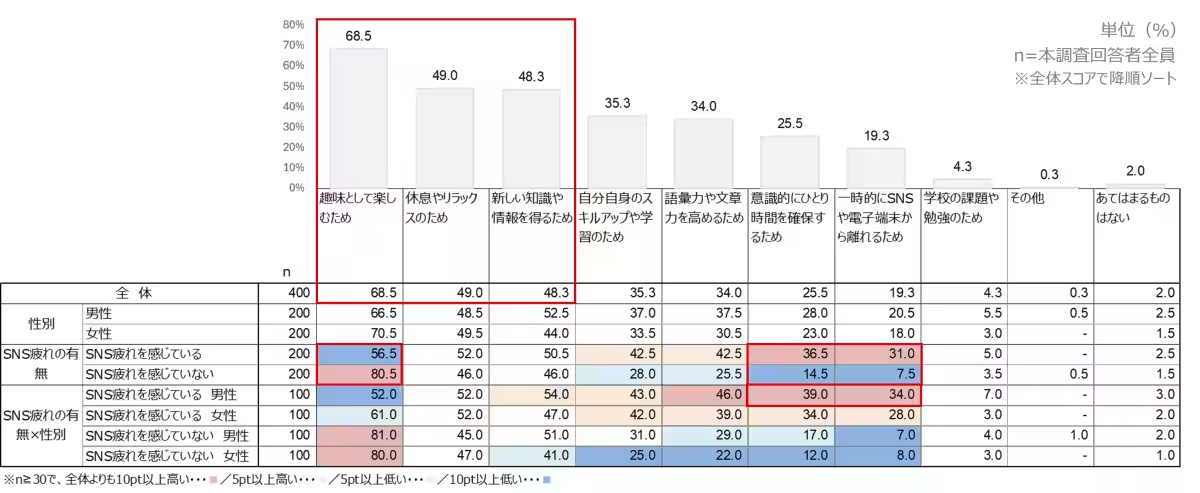
One striking finding was that, among those experiencing social media fatigue, over 30% indicated that their reading was motivated by a need to secure personal time or disconnect from digital devices. Furthermore, comparisons across preferred reading mediums revealed distinct patterns:
1. Reasons for Reading: The survey found that 68.5% of respondents read for enjoyment as a hobby, followed by 49.0% who read to relax, and 48.3% seeking new knowledge.
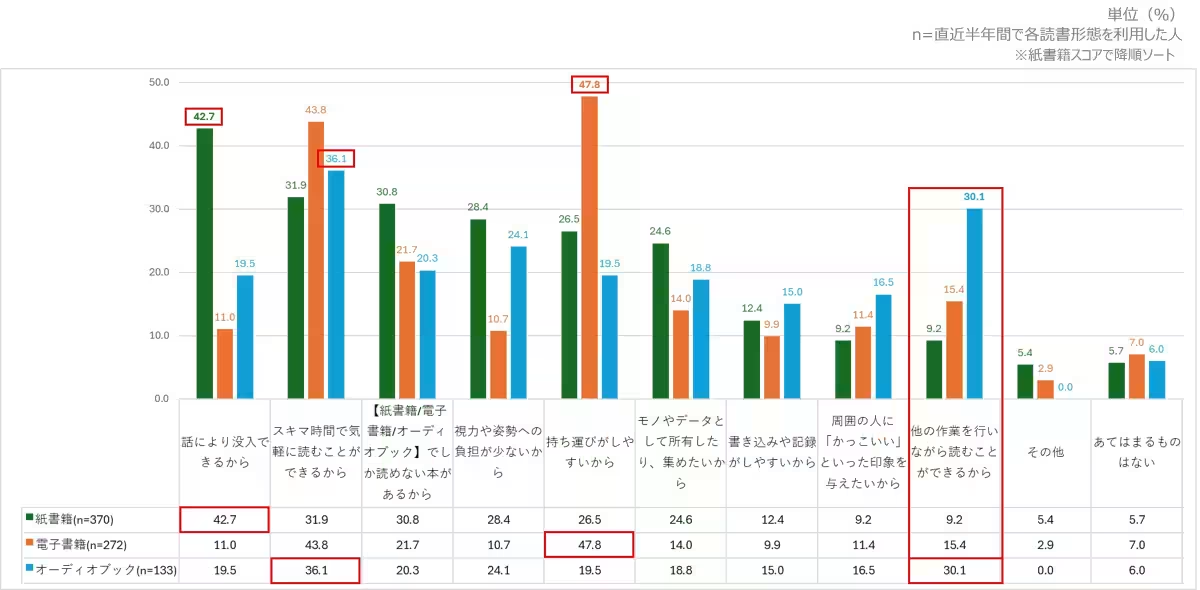
2. Preference for Medium: According to the survey, paper books were favored for their ability to provide immersive storytelling (42.7%), while e-books won their audience for portability (47.8%). Audiobooks appealed to young readers for their convenience during busy schedules, with 36.1% choosing them for 'reading on the go'.
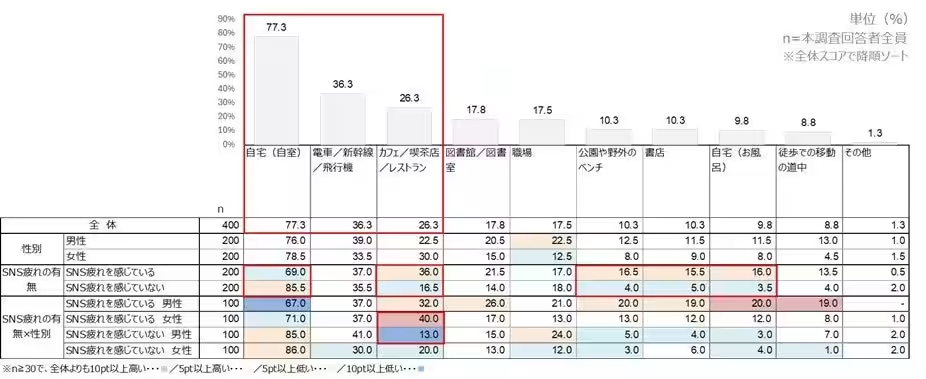
3. Reading Environment: The top location for reading was home (77.3%), with transportation options such as trains and planes being the second choice (36.3%). Notably, those feeling social media fatigue preferred to read in cafes or outdoors compared to their peers who didn’t experience this fatigue.
Reading Behavior
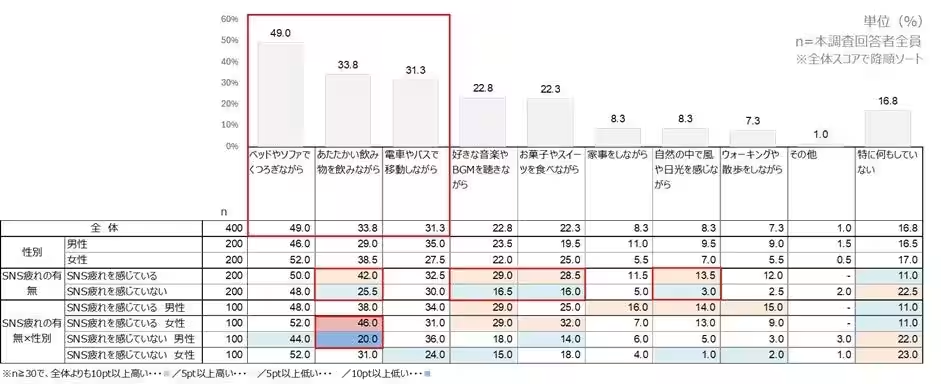
The data illustrated that behaviors accompanying reading also varied significantly between those feeling fatigued by social media and those who did not. For instance, 42.0% of the former group reported enjoying a warm drink while reading, while 29.0% favored listening to music or background sound. This suggests that young adults seeking comfort while reading often incorporate soothing elements into their routines.
Conclusion
The study conducted by ASMARQ sheds light on the detailed motivations behind young people's reading habits today. It emphasizes a growing trend toward using reading as a strategy to cope with digital fatigue, leading to a deeper engagement with the material through traditional book formats. On the other hand, the convenience of e-books and audiobooks complements the fast-paced lifestyles of young adults, providing a balanced approach to literature consumption in a rapidly changing media landscape.
This evolving landscape raises further questions about how digital engagement can be harmoniously integrated with traditional reading practices, especially as future generations continue to navigate the complexities of modern life.
For further details and to download the full report, please visit ASMARQ's website!

Topics Entertainment & Media)
【About Using Articles】
You can freely use the title and article content by linking to the page where the article is posted.
※ Images cannot be used.
【About Links】
Links are free to use.