



Exploring the New AI for Science Initiative by Japan's Ministry of Education
In a groundbreaking initiative, the Ministry of Education, Culture, Sports, Science and Technology (MEXT) of Japan announced the start of a vast funding opportunity under the program titled 'AI for Science: Emerging Challenge Research Initiative (SPReAD 1000)'. Set to commence on April 17, 2026, this program aims to provide financial support for researchers across various fields, distributing funds of up to 5 million yen for each selected proposal. MEXT has published an instructive video to aid researchers interested in applying, alongside offering 30-minute free consultations to discuss their research ideas and the integration of AI into their work.
The concept behind AI for Science is rooted in what MEXT describes as the fifth paradigm of science. This paradigm represents a significant shift in how research is conducted, emphasizing the importance of AI in scientific processes. The SPReAD 1000 program is particularly noteworthy for its bottom-up approach, focusing on a wide range of disciplines from humanities and social sciences to natural sciences, thereby inviting researchers who may not have previously engaged with AI technology.
In the informative video released by Humanome Research Institute, a Tokyo-based research development firm, the various aspects and objectives of the initiative are explored. Within roughly 20 minutes, the video delves into critical points that researchers should be aware of when preparing their proposals. Topics covered include:
The video aims to serve as a practical resource, particularly for researchers who are new to AI or have limited experience in incorporating it into their work. Additionally, the Humanome Research Institute recognizes the practical challenges involved in applying for funding, such as determining how to effectively integrate AI into research processes, securing computational resources, and crafting compelling proposals.
The SPReAD 1000 program's first application window will be open from April 17, 2026, until noon on May 18, 2026, while a second application period is planned for June 2026. Each project will not only receive direct funding but will also include additional financial support for indirect costs, established at 30% of the direct expenses. This approach aims to alleviate the financial burden on researchers and enhance the feasibility of their proposed projects.
Researchers considering applying will find the video and free consultations particularly beneficial, especially as the consultations will incorporate fresh insights from updates about the initiative, published after the video was created. These updates detail eligible expenses, examples of budget planning, and considerations regarding the allocation of computational resources.
In the realm of support, the Humanome Research Institute is well positioned to assist researchers. The institute has extensive experience in AI development, particularly in the life sciences, and aims to provide guidance to those looking to take their first steps into the AI landscape. During the consultations, researchers can explore various aspects of their potential projects, including how to utilize AI effectively, structuring their applications, and formulating robust budget plans that meet the program's expectations.
For researchers interested in learning more about how AI can be integrated into their work, or who need guidance on navigating the application process, a registration form for the free 30-minute consultation is available online. Interested participants must apply before May 15, 2026, which is three days before the first application deadline.
The Humanome Research Institute is a prominent research and development company that focuses on AI and data analysis technologies through the lens of human understanding. Founded in October 2017, the institute has developed various AI tools, such as the 'CellScribe' model for analyzing gene expression, and provides educational support and collaborative development services to researchers and enterprises alike.
Overall, the AI for Science initiative presents an exciting opportunity for researchers in Japan to engage with AI at unprecedented levels, with the potential to significantly transform the landscape of scientific research. By providing financial backing and personalized consultations, this program not only opens doors to innovative research projects but also cultivates a community that fosters advancement in the application of AI across various scientific disciplines.
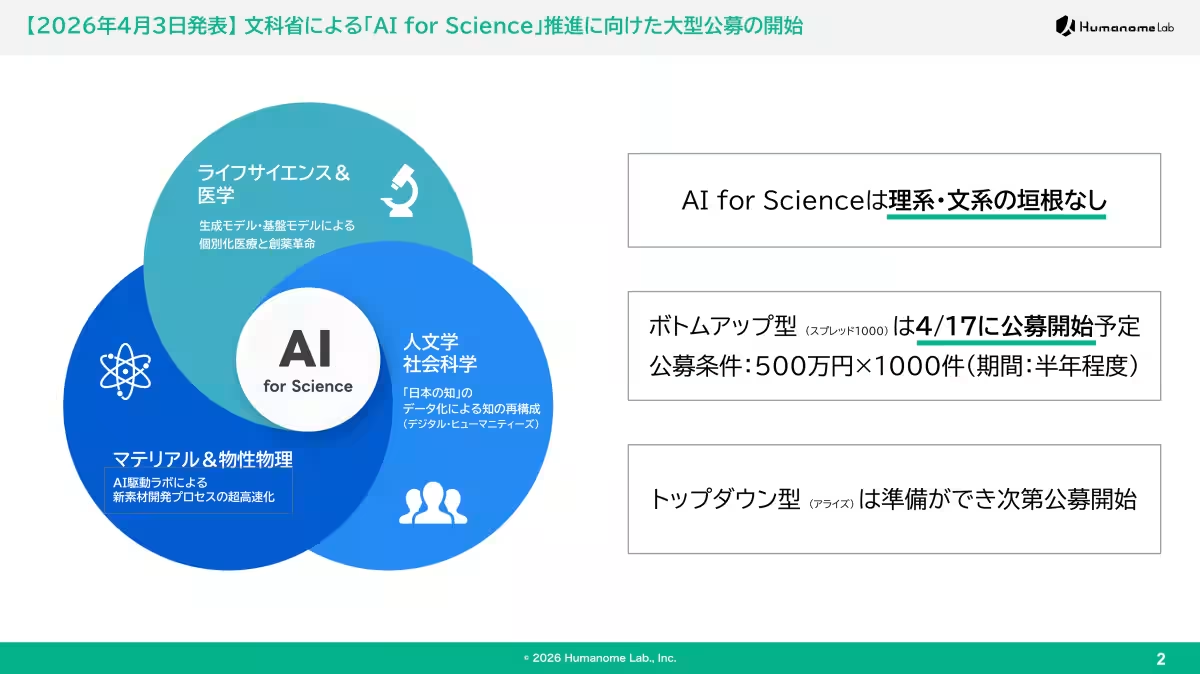
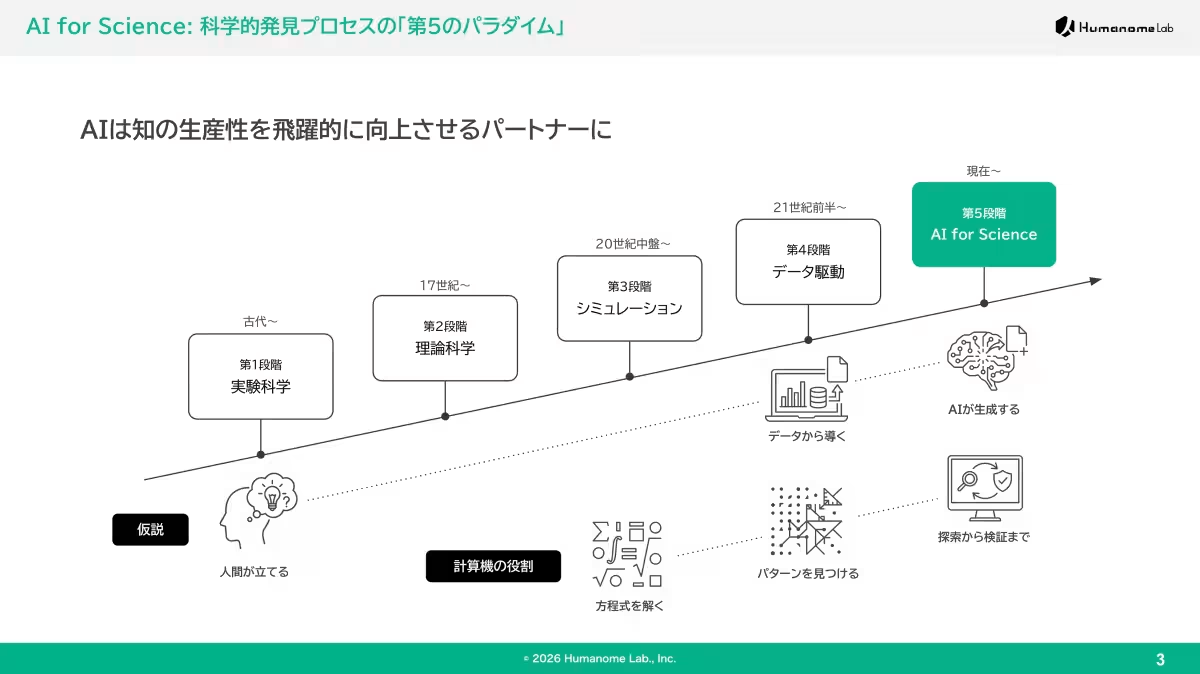
The concept behind AI for Science is rooted in what MEXT describes as the fifth paradigm of science. This paradigm represents a significant shift in how research is conducted, emphasizing the importance of AI in scientific processes. The SPReAD 1000 program is particularly noteworthy for its bottom-up approach, focusing on a wide range of disciplines from humanities and social sciences to natural sciences, thereby inviting researchers who may not have previously engaged with AI technology.
In the informative video released by Humanome Research Institute, a Tokyo-based research development firm, the various aspects and objectives of the initiative are explored. Within roughly 20 minutes, the video delves into critical points that researchers should be aware of when preparing their proposals. Topics covered include:
- - An introduction to the AI for Science initiative.
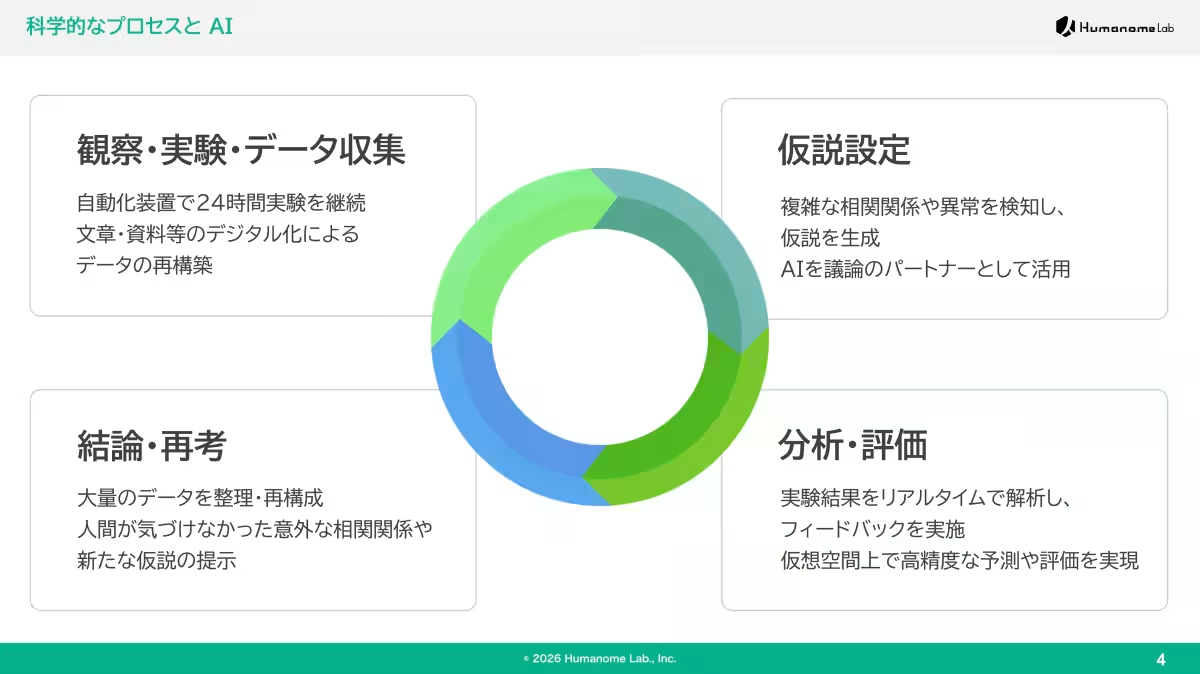
- - Examples of AI utilization at different stages of the scientific process.
- - A necessary mindset shift for applicants.
- - Key considerations and potential pitfalls during the application process.
The video aims to serve as a practical resource, particularly for researchers who are new to AI or have limited experience in incorporating it into their work. Additionally, the Humanome Research Institute recognizes the practical challenges involved in applying for funding, such as determining how to effectively integrate AI into research processes, securing computational resources, and crafting compelling proposals.
The SPReAD 1000 program's first application window will be open from April 17, 2026, until noon on May 18, 2026, while a second application period is planned for June 2026. Each project will not only receive direct funding but will also include additional financial support for indirect costs, established at 30% of the direct expenses. This approach aims to alleviate the financial burden on researchers and enhance the feasibility of their proposed projects.
Researchers considering applying will find the video and free consultations particularly beneficial, especially as the consultations will incorporate fresh insights from updates about the initiative, published after the video was created. These updates detail eligible expenses, examples of budget planning, and considerations regarding the allocation of computational resources.
In the realm of support, the Humanome Research Institute is well positioned to assist researchers. The institute has extensive experience in AI development, particularly in the life sciences, and aims to provide guidance to those looking to take their first steps into the AI landscape. During the consultations, researchers can explore various aspects of their potential projects, including how to utilize AI effectively, structuring their applications, and formulating robust budget plans that meet the program's expectations.
For researchers interested in learning more about how AI can be integrated into their work, or who need guidance on navigating the application process, a registration form for the free 30-minute consultation is available online. Interested participants must apply before May 15, 2026, which is three days before the first application deadline.
The Humanome Research Institute is a prominent research and development company that focuses on AI and data analysis technologies through the lens of human understanding. Founded in October 2017, the institute has developed various AI tools, such as the 'CellScribe' model for analyzing gene expression, and provides educational support and collaborative development services to researchers and enterprises alike.
Overall, the AI for Science initiative presents an exciting opportunity for researchers in Japan to engage with AI at unprecedented levels, with the potential to significantly transform the landscape of scientific research. By providing financial backing and personalized consultations, this program not only opens doors to innovative research projects but also cultivates a community that fosters advancement in the application of AI across various scientific disciplines.
Topics Other)
【About Using Articles】
You can freely use the title and article content by linking to the page where the article is posted.
※ Images cannot be used.
【About Links】
Links are free to use.