



Exploring the HR Challenges in Japan's Manufacturing Industry: Retention as a Priority
Exploring Retention in Japan's Manufacturing Industry
Introduction
Japan's manufacturing sector is facing an acute shortage of personnel, and recent findings from a seminar jointly hosted by Brain Lab, Inc. and Fuzialte, Inc. shed light on the pressing challenges within it. Attendees were surveyed, revealing a notable shift in company focus from simply recruiting new employees to ensuring their retention. As labor shortages become chronic and the trend of frequent job changes becomes the norm, understanding how to keep employees engaged is critical.
Background of the Seminar
The seminar, titled “Preventing Unexpected Resignations: Essential Strategies for Retention,” was organized in recognition of the serious issues faced by HR managers in the manufacturing industry. With ongoing high job availability ratios and a significant shortage of young talent, businesses are increasingly plagued by sudden employee turnover. The discussions highlighted the importance of preventative management techniques and better communication channels to engage younger employees effectively.
Survey Insights: Real Issues Facing the Workforce
Following the seminar, participants provided insights through a survey that revealed significant concerns:
1. Shifting Focus from Recruitment to Retention:
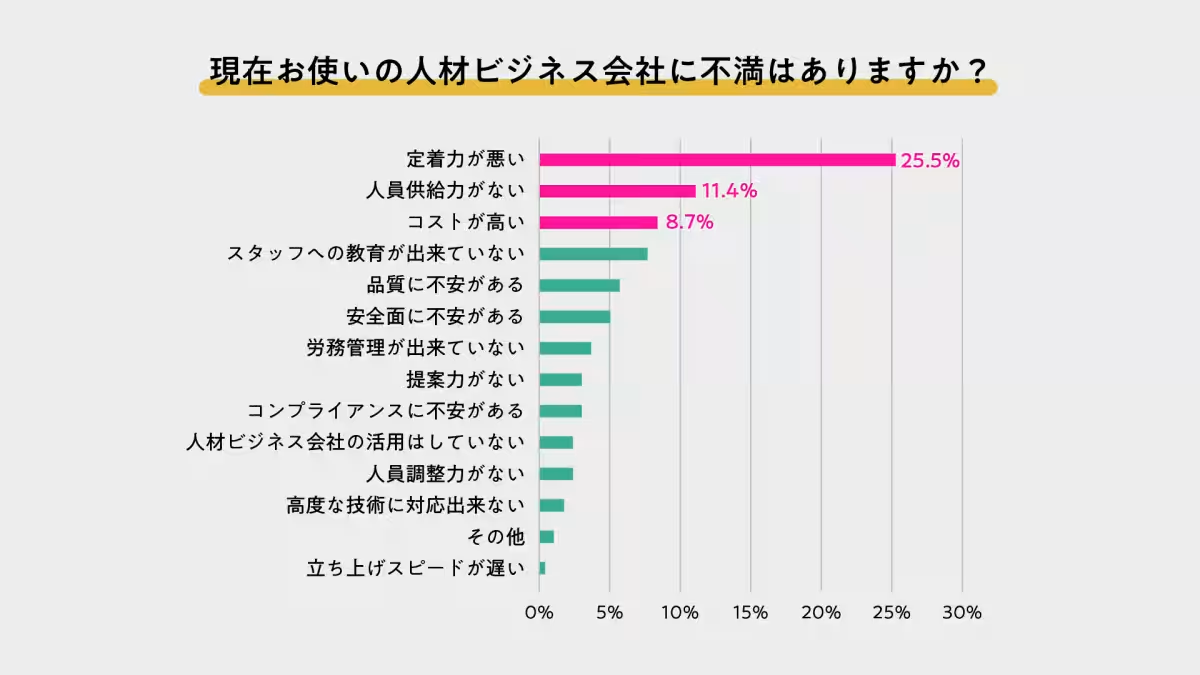
When asked about their greatest challenges with existing HR service providers, a striking 25.5% indicated that employee retention was poor. This response outstripped concerns about labor supply capacity (11.4%) and costs (8.7%). Clearly, companies want external partners to assist not just in staffing but also in keeping their employees long-term.
2. Desire for Future Seminar Topics:
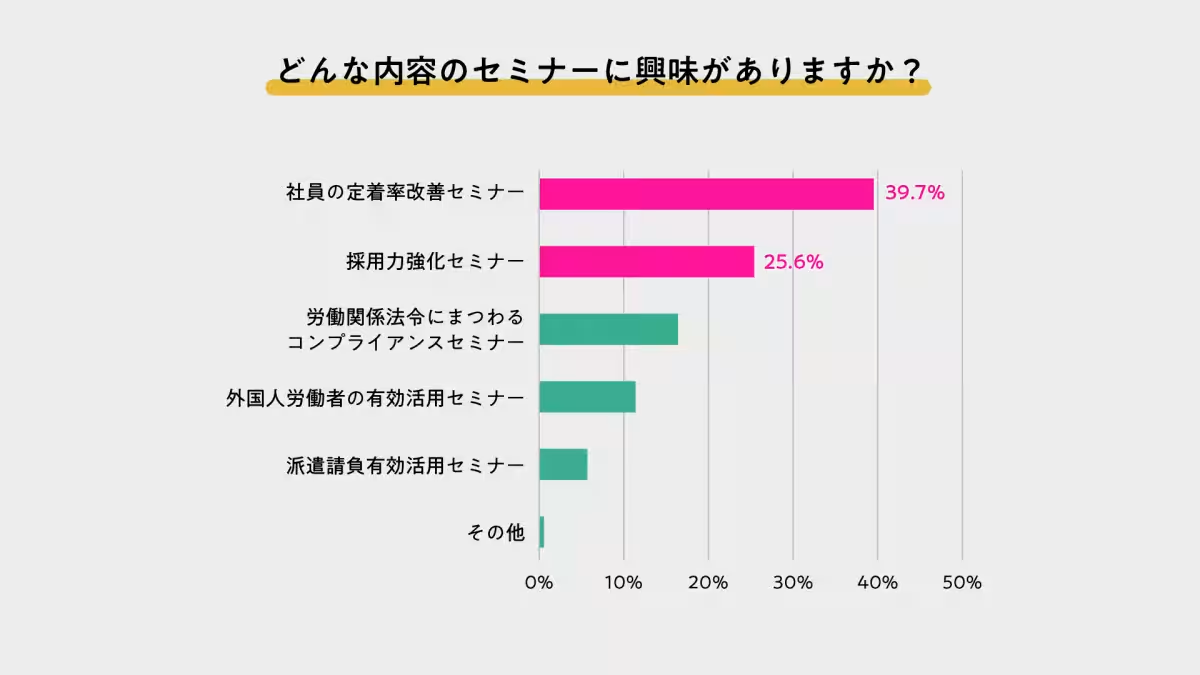
When solicited for future seminar themes, 39.7% of participants expressed a need for topics focused on improving employee retention rates, far exceeding the need for recruitment strategies (25.6%). This signals a crucial shift in business priorities from acquiring new talent to preserving their existing workforce.
Common Concerns from Participants
During the Q&A session of the seminar, over 60% of questions revolved around young employees, demonstrating a clear concern for this demographic. Key issues raised included:
- - Difficulty in connecting with young workers and focusing on their negative traits.
- - Reduced opportunities for casual conversations with younger staff, hampering rapport.
- - Uncertainty about how to cultivate an attractive workplace culture for younger employees.
- - Challenges in motivating youth and addressing their values through constructive feedback.
Voices from the Field
Feedback from attendees also indicated a consensus on the importance of improving communication within teams. One participant remarked, “Regardless of age, regular communication is vital. We must create a structure that allows employee thoughts to be heard and shared.” Another mentioned that insights from the seminar were applicable not only to young hires but also to mid-career employees, suggesting immediate implementation of learned practices to reduce turnover.
There's a clear recognition that better monitoring of employee engagement levels can preempt signs of resignation.
Future Directions
The seminar’s results underscore an urgent need for companies, especially those in manufacturing, to rethink their approach to talent management. Rather than merely enhancing recruitment, an integrated strategy that emphasizes employee retention is paramount. Brain Lab, Inc. pledges to continue sharing knowledge on preventative management practices and enhancing HR marketing tools like Myric, aimed at supporting organizations in boosting hiring while simultaneously reducing turnover.
Conclusion
As Japan's employment landscape evolves, the manufacturing sector must adapt to meet the challenges of workforce retention effectively. This seminar marked a pivotal moment in acknowledging the struggles faced in maintaining staff loyalty and engagement, setting the stage for greater focus on retention practices moving forward. Manufacturers must view retention as integral to their long-term strategy rather than a series of isolated initiatives.


Topics People & Culture)
【About Using Articles】
You can freely use the title and article content by linking to the page where the article is posted.
※ Images cannot be used.
【About Links】
Links are free to use.