



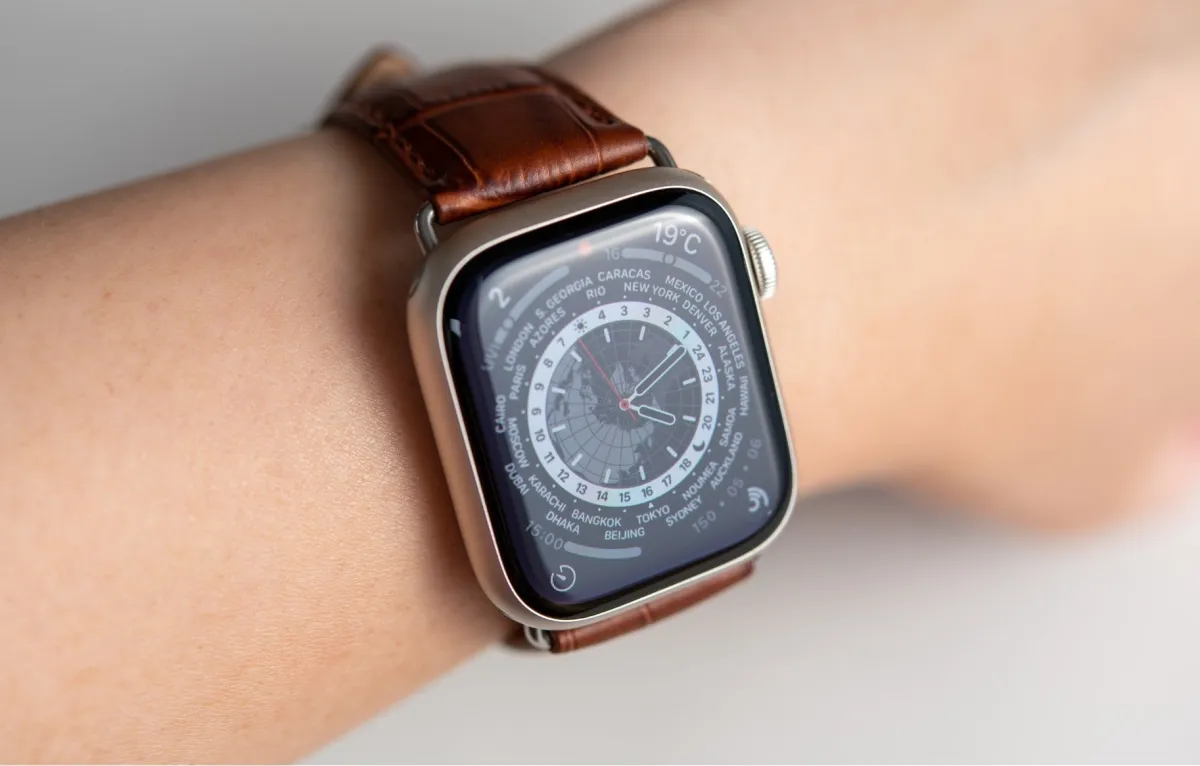
Over a Decade of Decrease: The Growing Trend of Watch Disuse Among Japanese Youth
Decline in Wristwatch Ownership in Japan
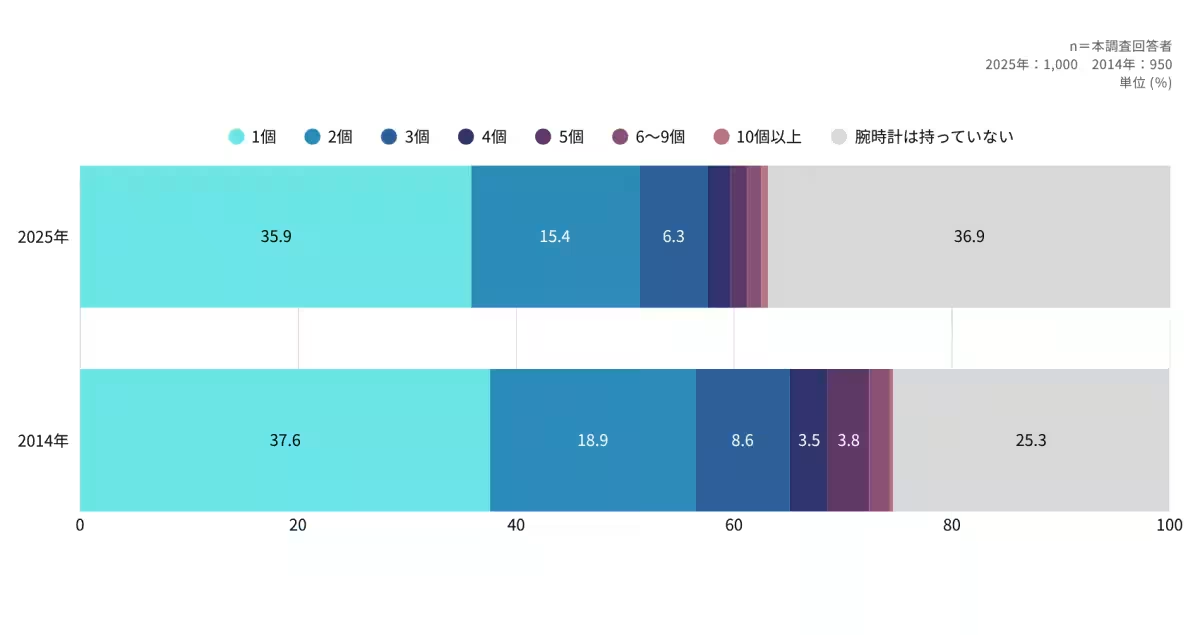
A recent survey conducted by Asmark Co., Ltd. highlights a substantial change in wristwatch ownership across Japan. The research, part of a nationwide study focused on individuals aged 10 to 50, reveals that nearly 40% of respondents do not own any wristwatches. This marks a significant increase from the 25.3% recorded in 2014, demonstrating a clear trend away from traditional timepieces over the past decade.
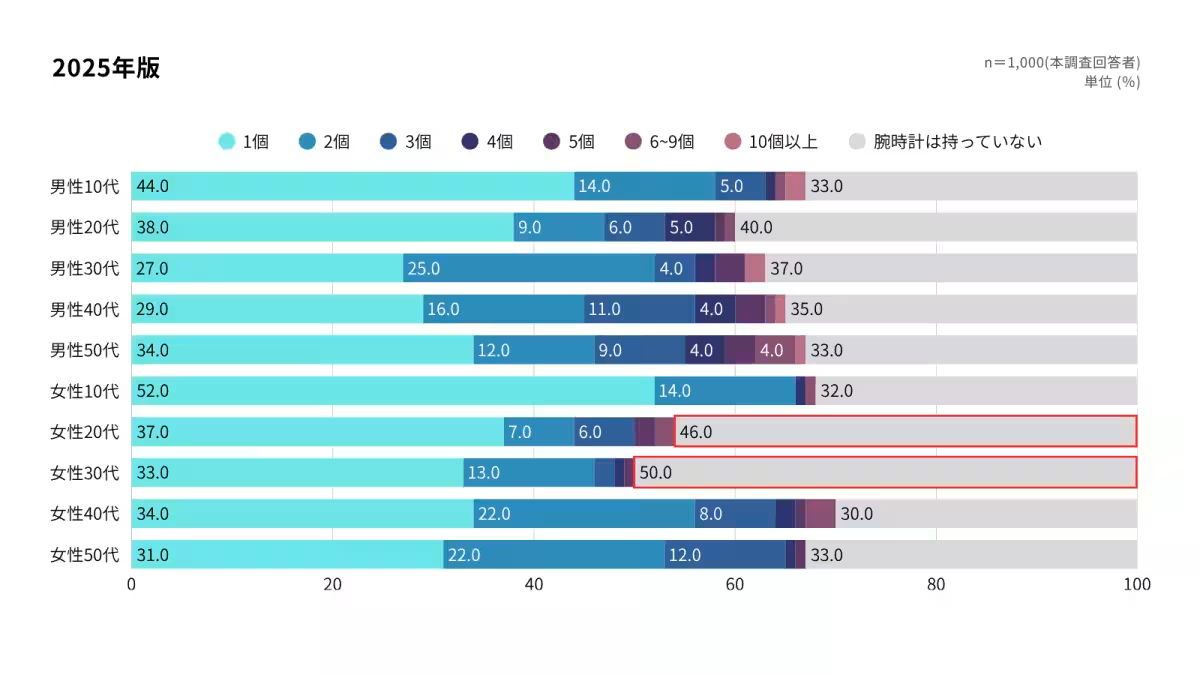
The survey was conducted from October 15 to October 20, 2025, encompassing a wide demographic of 1,000 individuals. Notably, over half (50%) of women in their 30s reported not owning a wristwatch, indicating a shift in preferences among younger demographics.
Smartwatch Popularity Surging
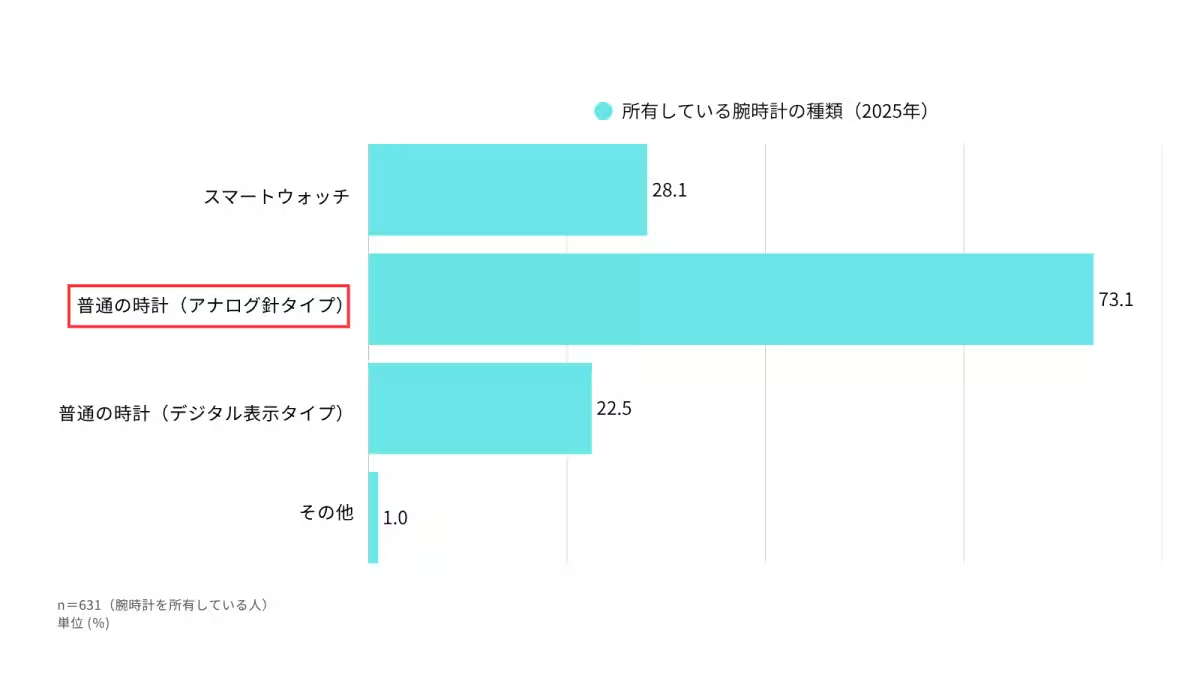
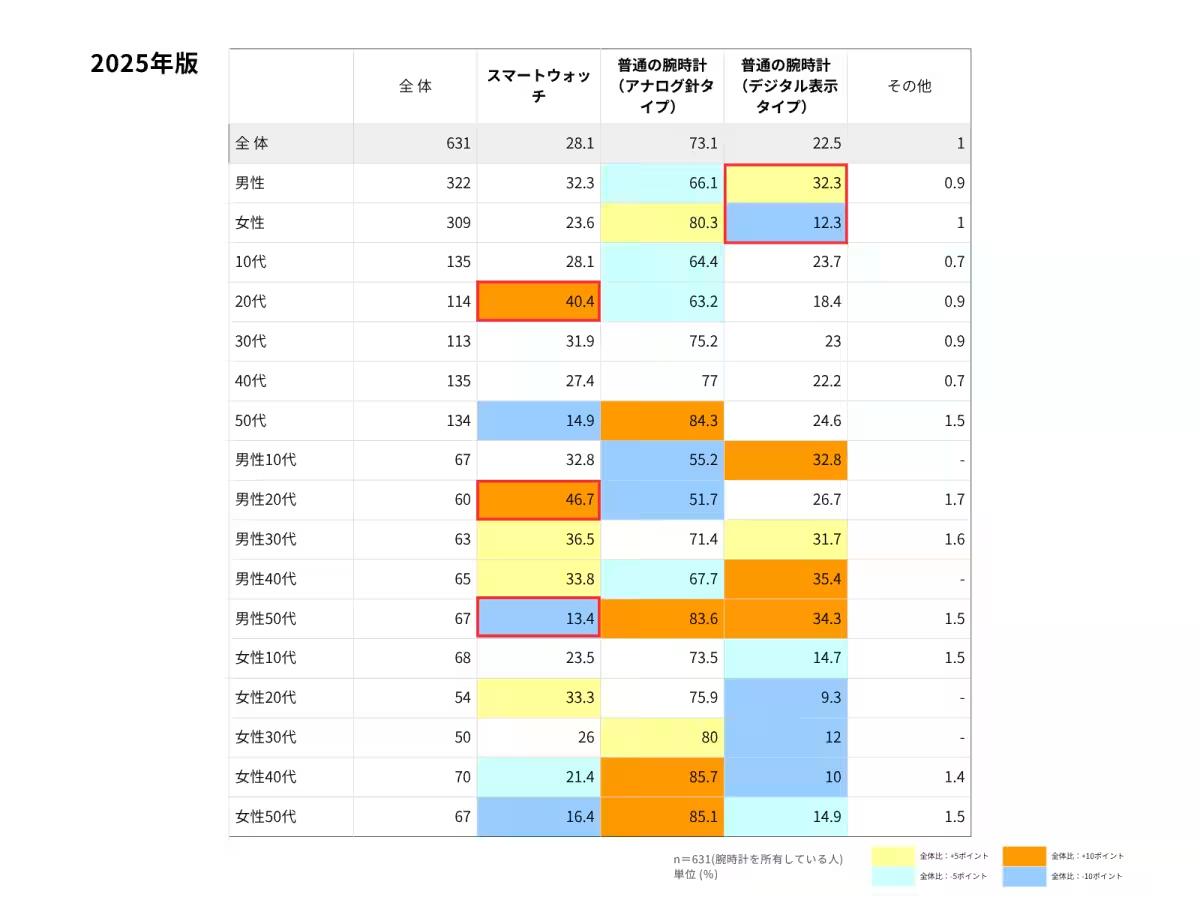
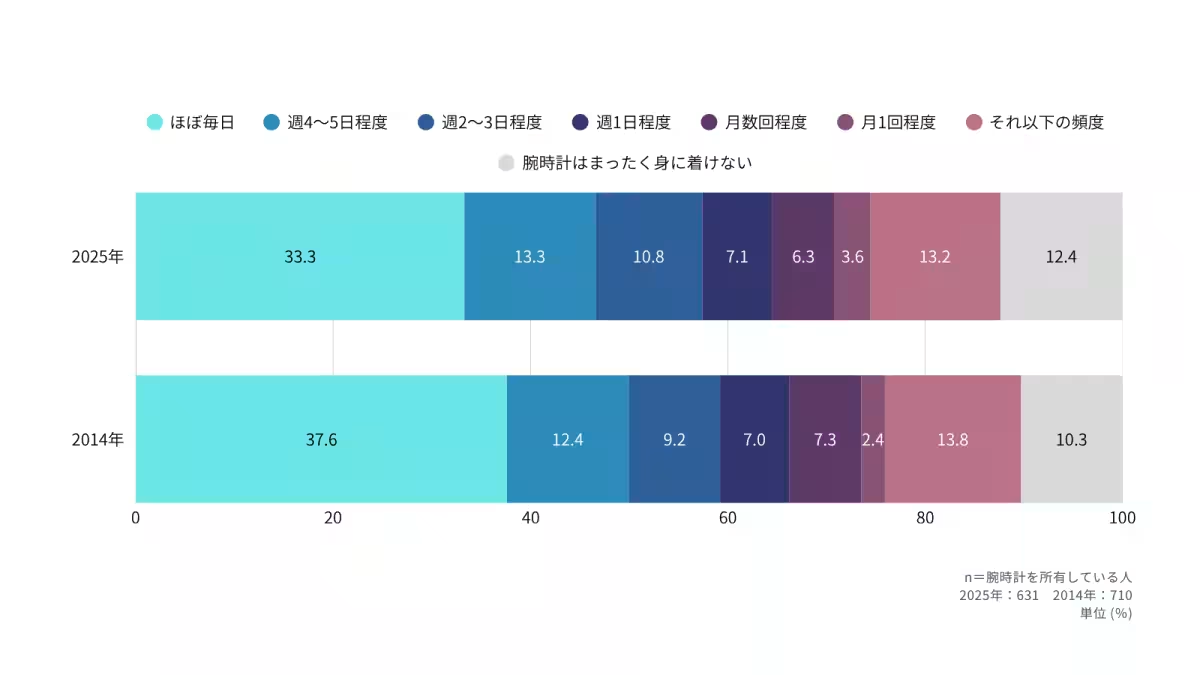
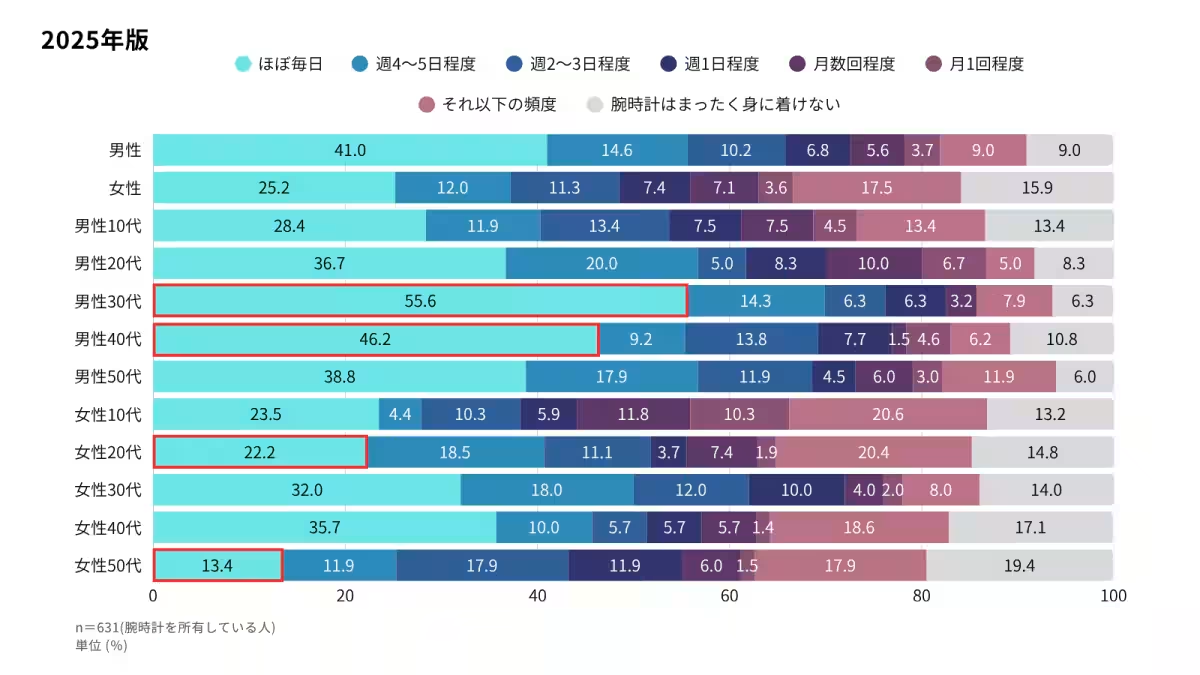
Despite traditional analog watches remaining popular, the data suggests a rising preference for smartwatches, particularly among younger generations. Approximately 40% of individuals in their 20s own a smartwatch, with 46.7% ownership among young men in that age bracket. This surge is accompanied by a slight decline in the frequency of wearing traditional watches, with many responses indicating that the existence of smartphones has diminished the perceived need for wristwatches as essential accessories.
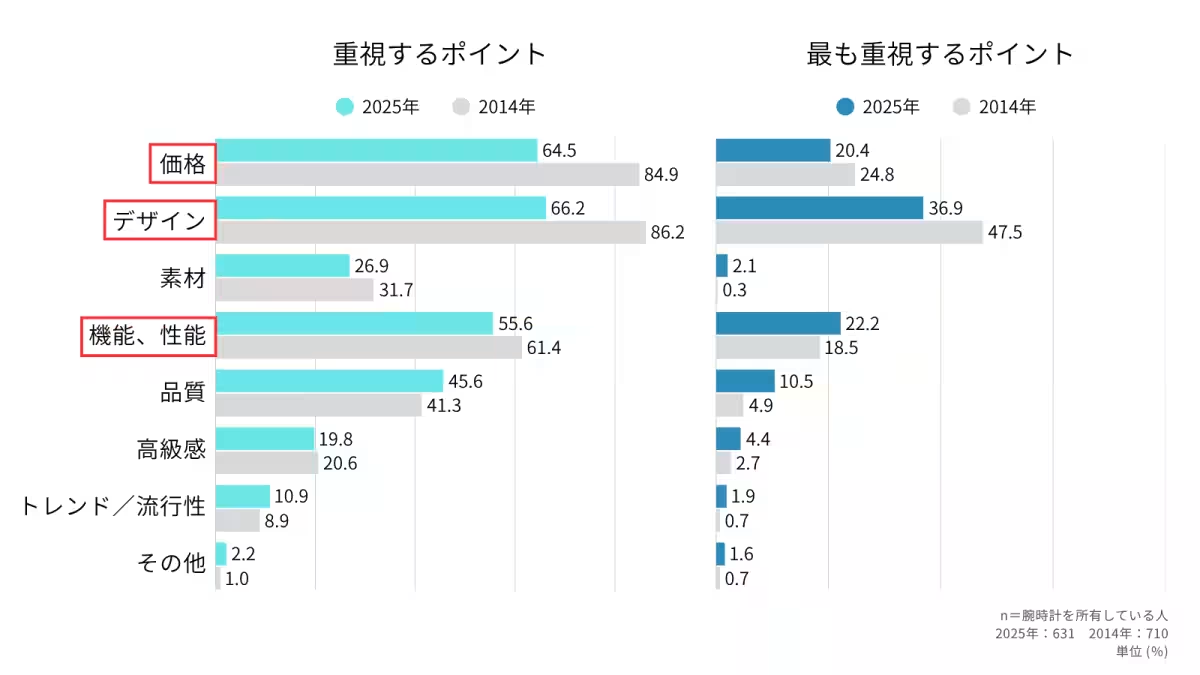
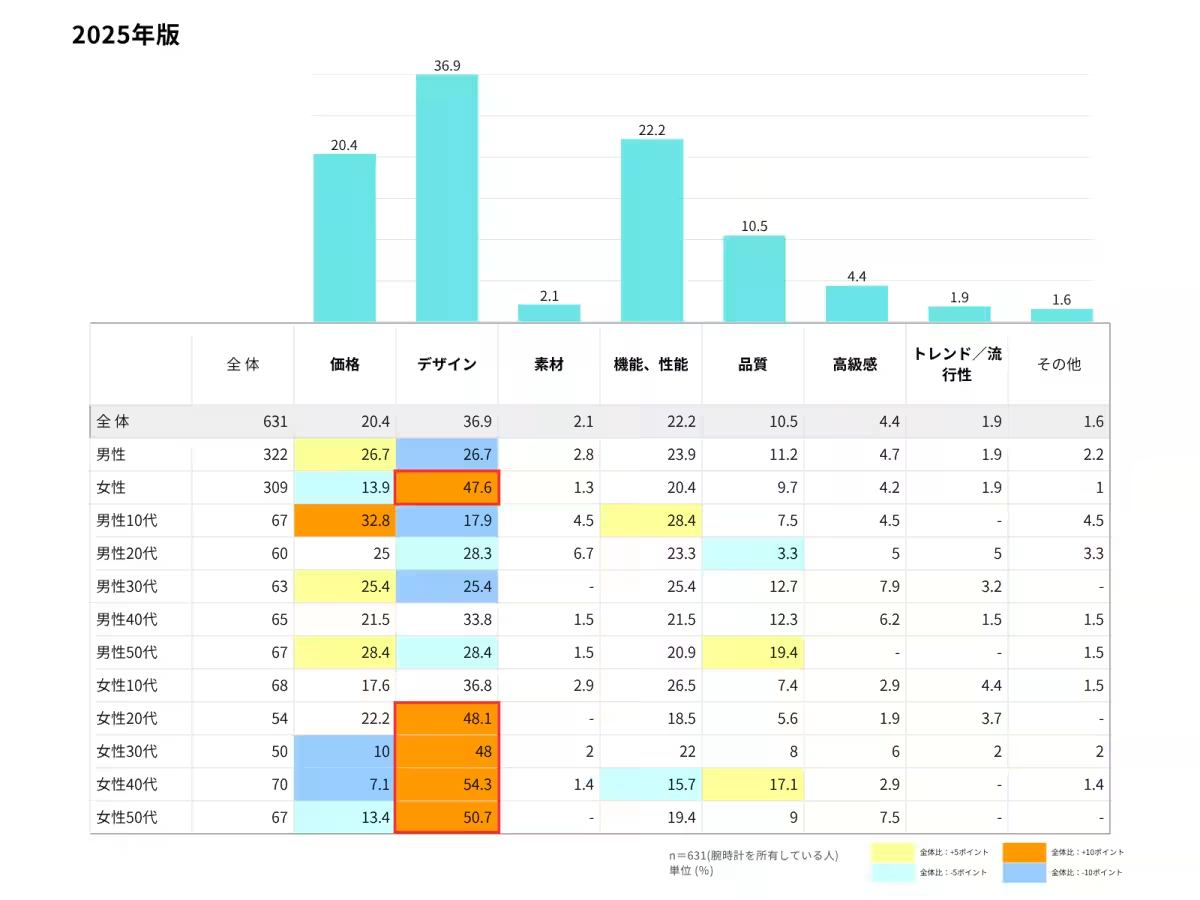
The survey also revealed that when choosing a watch, the predominant factor is design, a sentiment echoed by 66.2% of respondents. In a noteworthy shift, functionality and performance have also gained importance, reflecting the influence of smartwatches on consumer expectations. This growing tech-savvy culture has led to consumers prioritizing their watches not just as fashion statements but also as versatile gadgets.
Reasons Behind the Shift
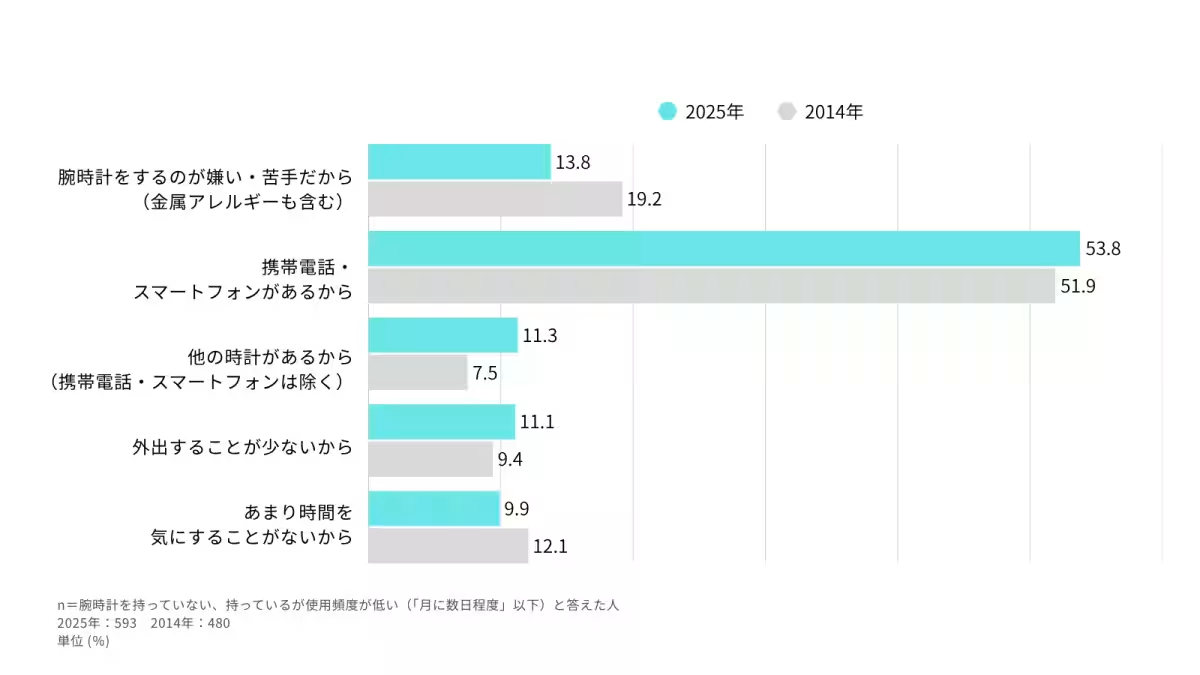
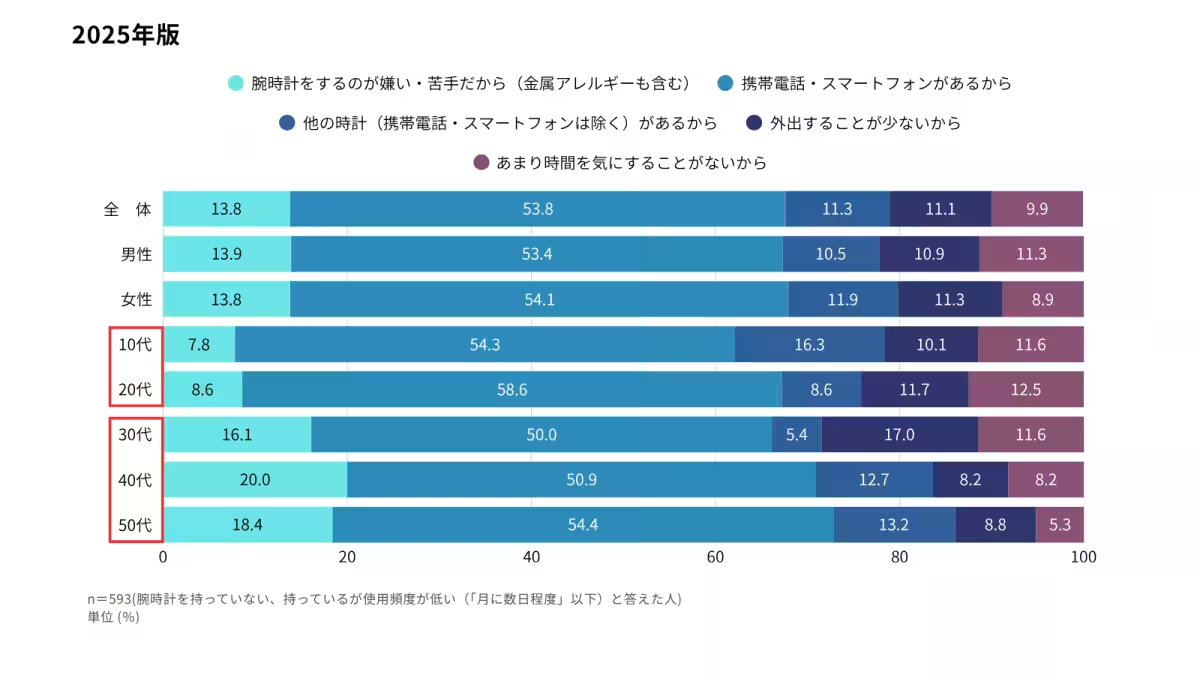
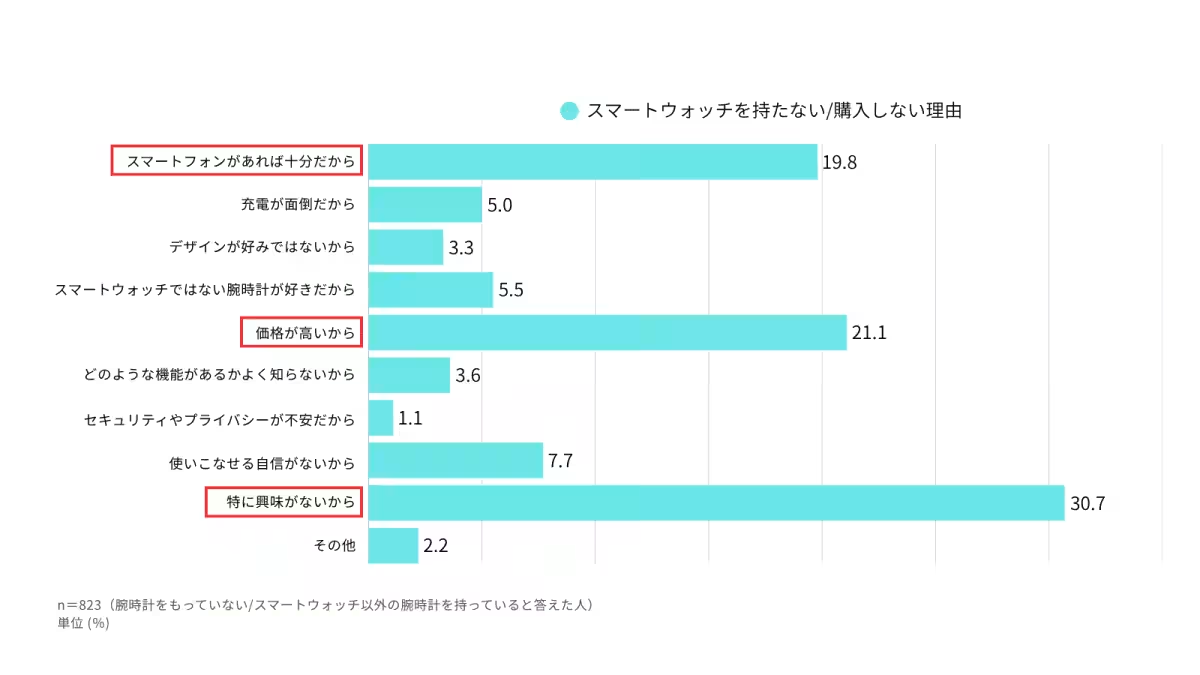
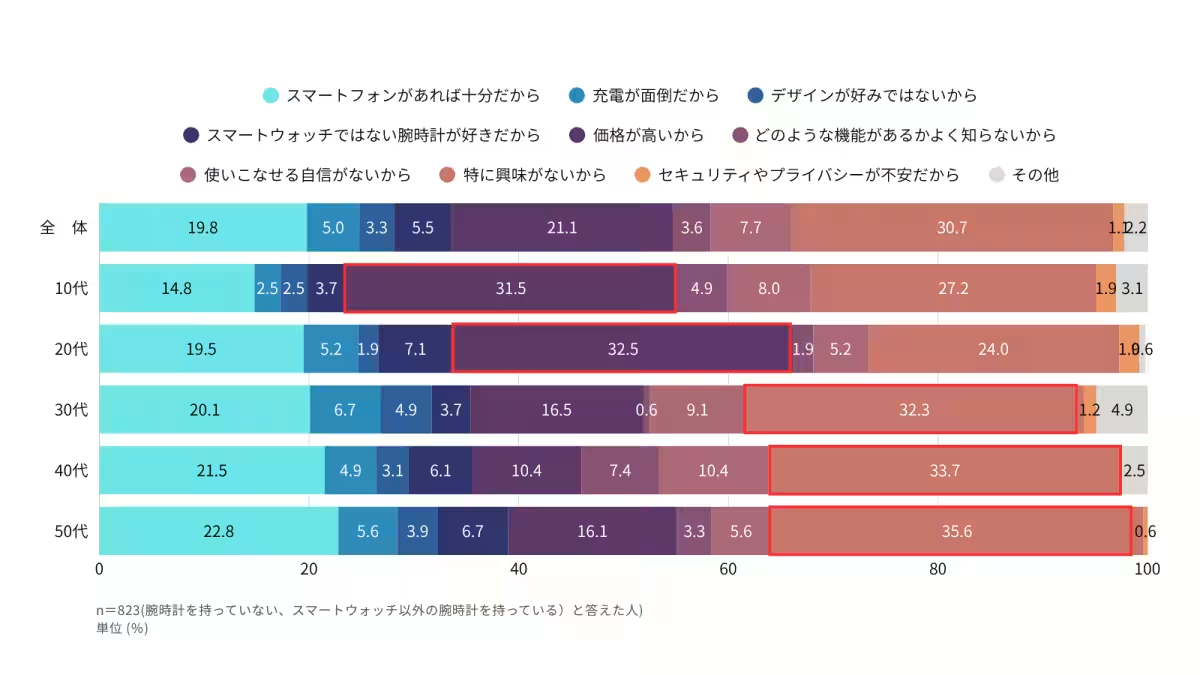
The primary reason cited by over half (53.8%) of non-watch owners for their decision stems from the convenience of readily available smartphones. This transition indicates a behavioral change rooted in technological dependence and lifestyle efficiency. Interestingly, those who expressed a general dislike for wearing watches were often older, showing that sentiments toward wristwatches may vary significantly across generational lines.
As the watch industry navigates these changes, the need for brands to adapt their marketing strategies becomes evident. There’s a noticeable generational divide, with older consumers often favoring analog watches while younger demographics lean towards digital alternatives.
Gender Differences in Usage
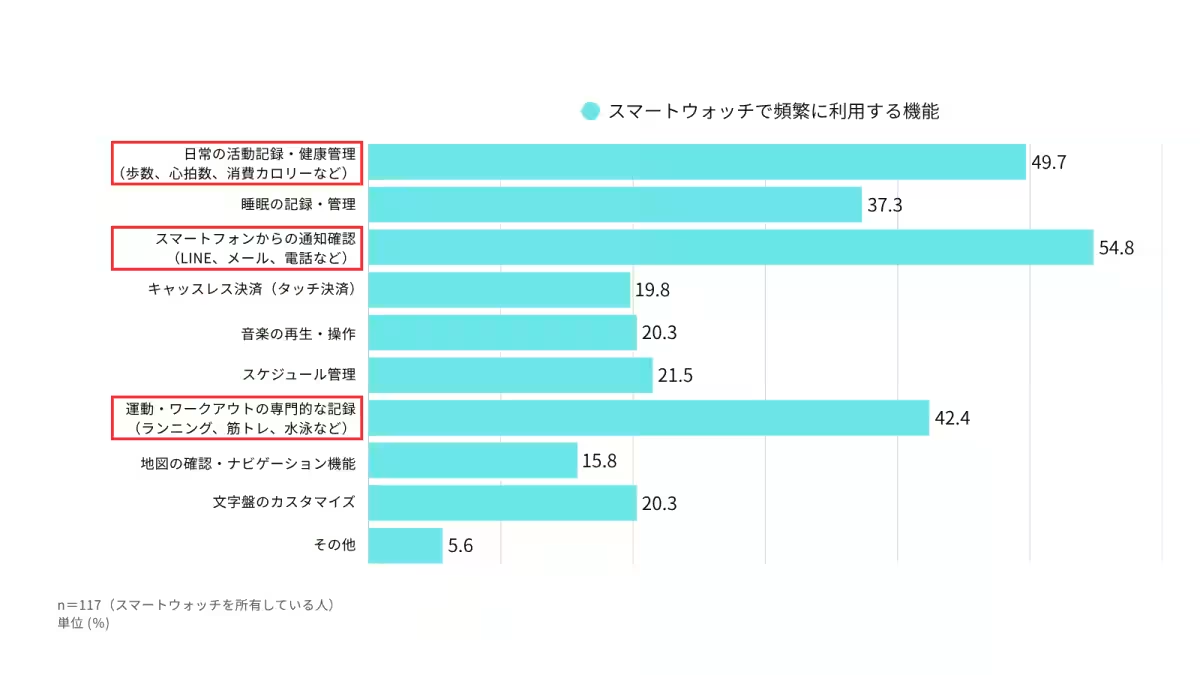
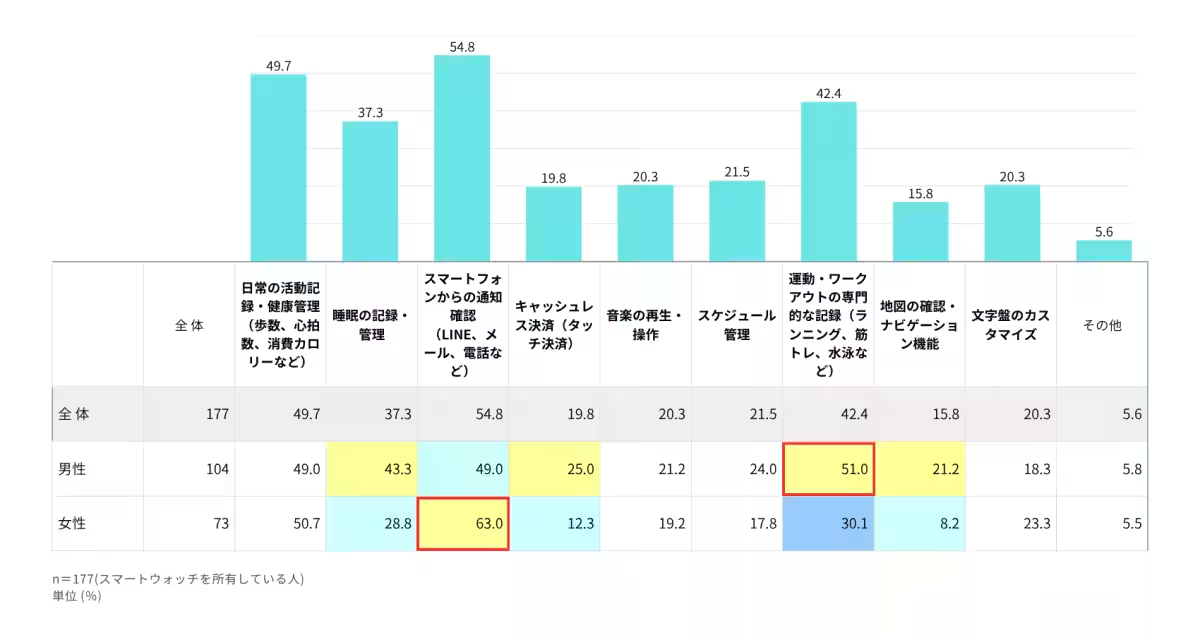
The survey further explored gender differences regarding smartwatch utilities. Women's most frequent smartwatch use is for notifications (63%), while men utilize theirs for fitness tracking (51%). This distinction underscores the varying motivations behind tech adoption in the context of fitness and lifestyle management amongst genders.
Market Trends Moving Forward
According to market research data from Yano Economic Research Institute, Japan's watch market is split more than ever, driven by high-value luxury brands and innovative mid-tier options, with an anticipated growth rate of 10.2% for 2024.
As smartphone ownership continues to rise—projected to reach 97% by 2024—the relevance of traditional wristwatches faces a paradigm shift. The question now looms: how will the traditional watch market respond to this technological evolution?
In conclusion, Asmark's 2025 survey illustrates the evolving relationship between wristwatches and consumers, driven by technology and shifting lifestyle priorities. As we delve into the future, the integration of smart technology with wristwatches may well define the next era of personal accessories in Japan's fashion sphere.
Topics Consumer Products & Retail)
【About Using Articles】
You can freely use the title and article content by linking to the page where the article is posted.
※ Images cannot be used.
【About Links】
Links are free to use.