




Insightful Survey Reveals Seniors' Fears of Losing Mobility in the Future
Seniors' Mobility Concerns: A Deep Dive into Recent Survey Findings
A recent survey conducted by Cosmo Lab, a marketing platform specializing in senior citizens, sheds light on the mobility concerns of individuals aged 50 and older. With a sample size of 1,524 seniors, the study delves into various aspects of walking, including daily walking duration, changes experienced while walking, frequency of outings, and concerns about future mobility loss. The findings reveal a strong anxiety about becoming unable to walk in the future, highlighting the significance of everyday small adjustments and preparedness to maintain active lifestyles.
Survey Highlights
Regular Walkers, Yet Increasing Concerns
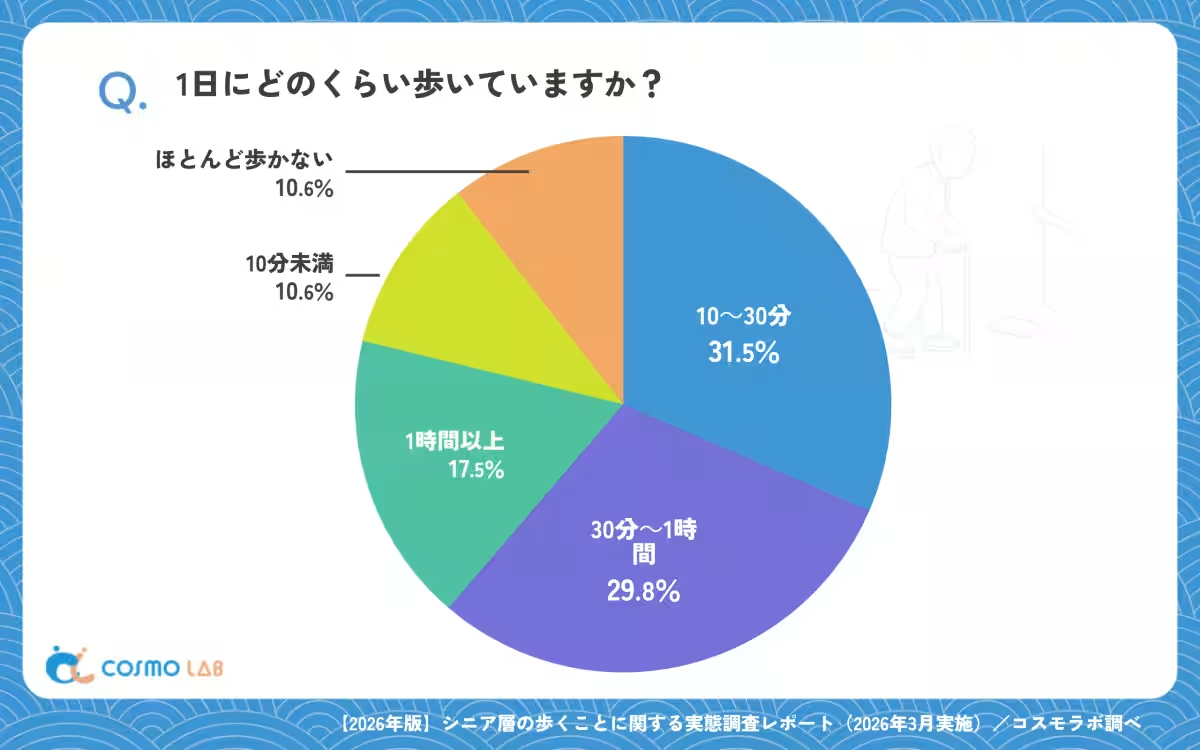
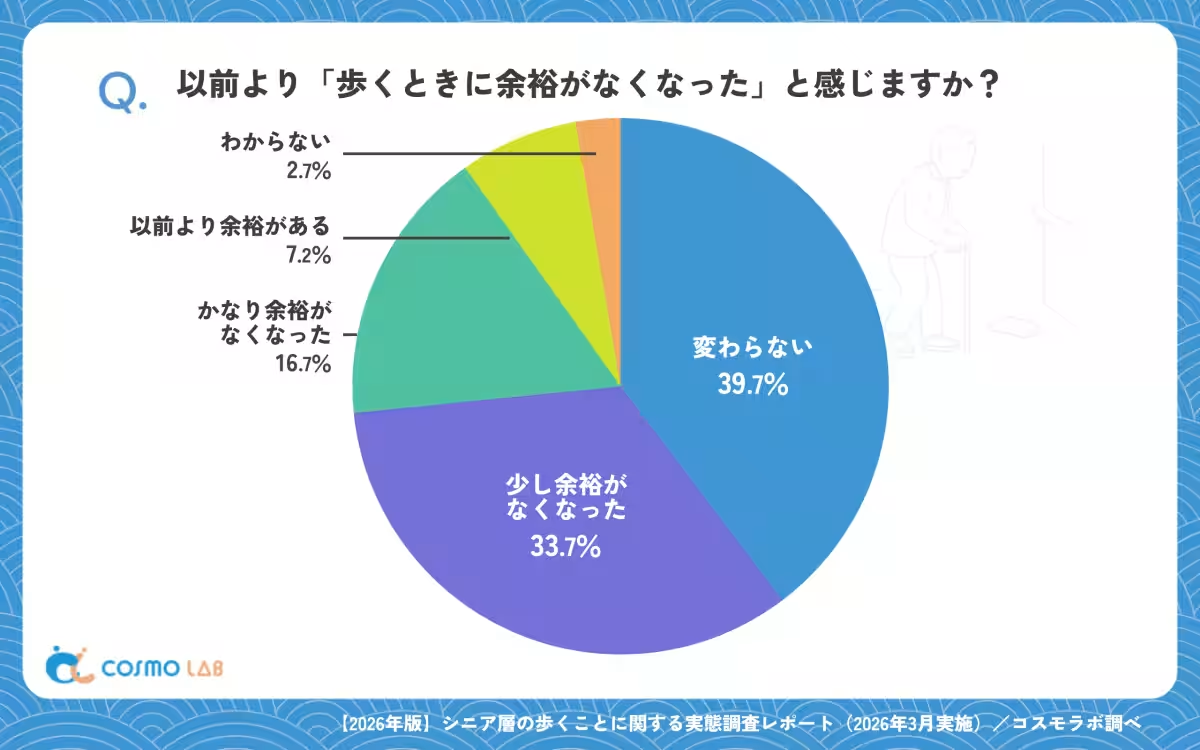
While a significant portion of respondents reported walking regularly, feelings of reduced ease during walking are prevalent. The most common walking durations reported were between 10 to 30 minutes (31.5%) and 30 minutes to an hour (29.8%). However, over half the respondents indicated they felt either a slight (33.7%) or significant (16.7%) reduction in their ease of walking, underscoring a growing concern about their physical capabilities.
Fear of Falls and Decreasing Walking Ability
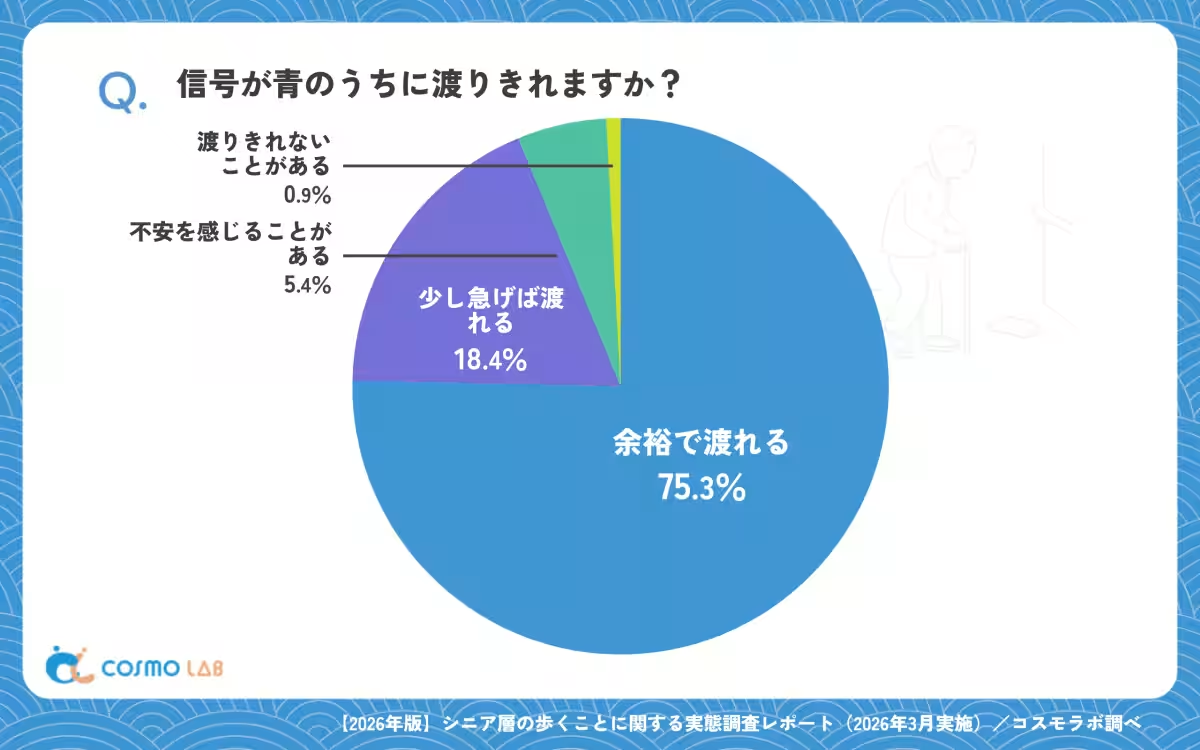
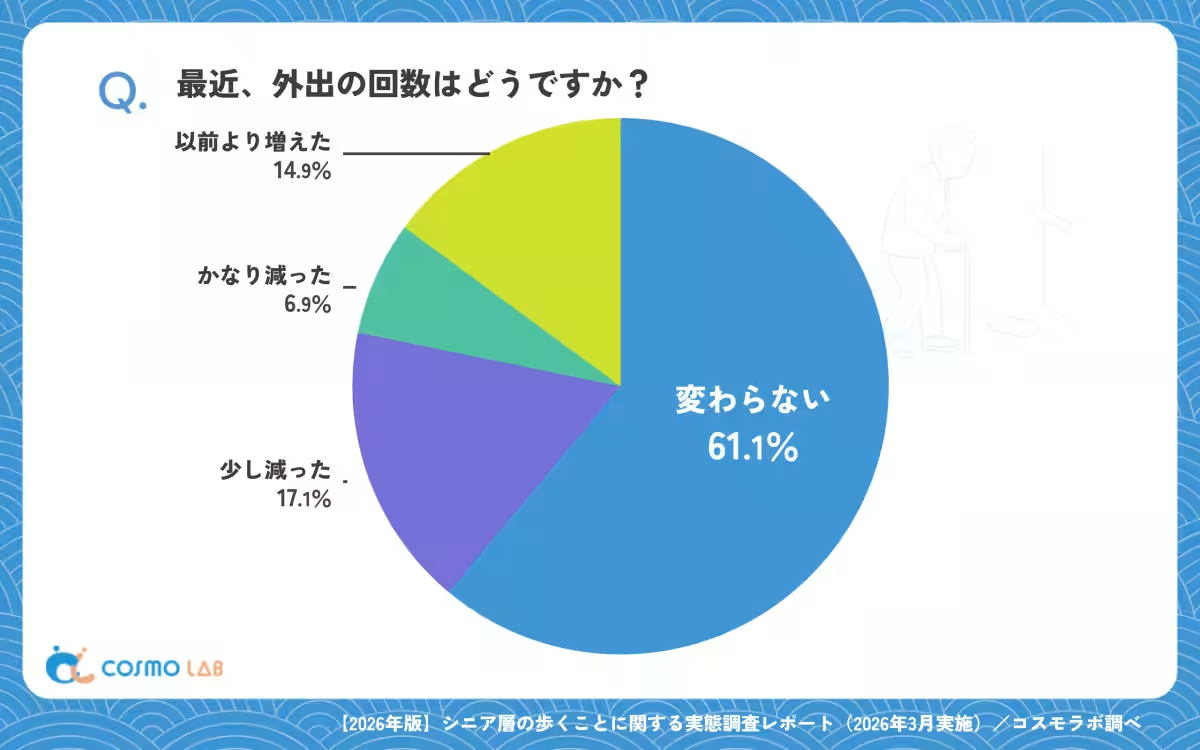
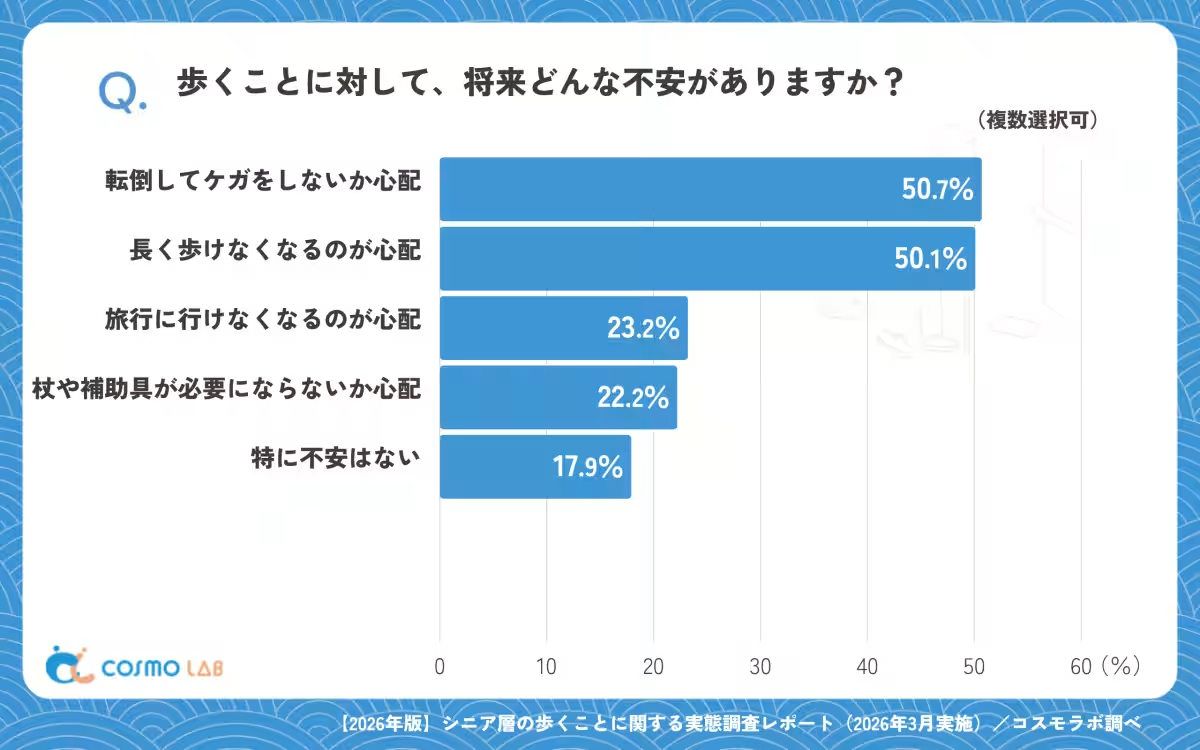
Despite many reporting that they can cross traffic signals comfortably (75.3%) and maintain their current levels of outdoor activity (61.1%), a troubling statistic emerged: 50.7% of seniors worry about falling and sustaining injuries, while 50.1% are anxious about not being able to walk for extended periods. Such fears highlight a pervasive anxiety about losing current functional abilities rather than any immediate health issues.
Commitment to Maintain Mobility
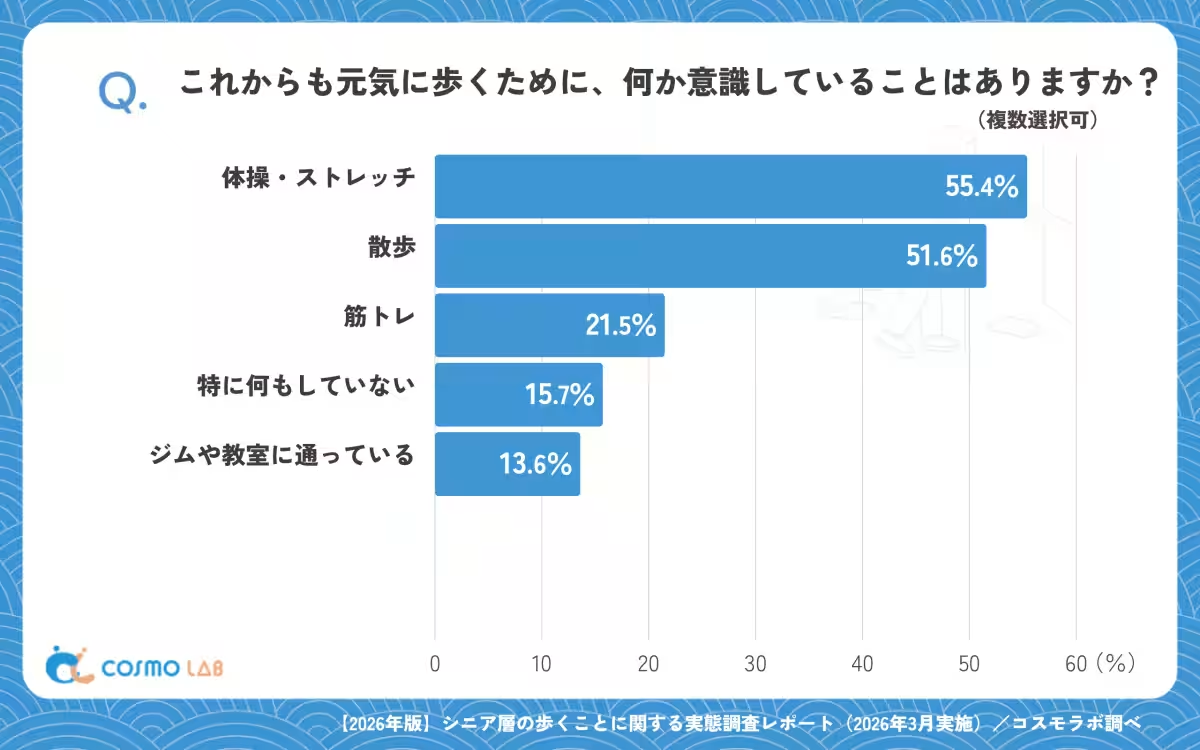
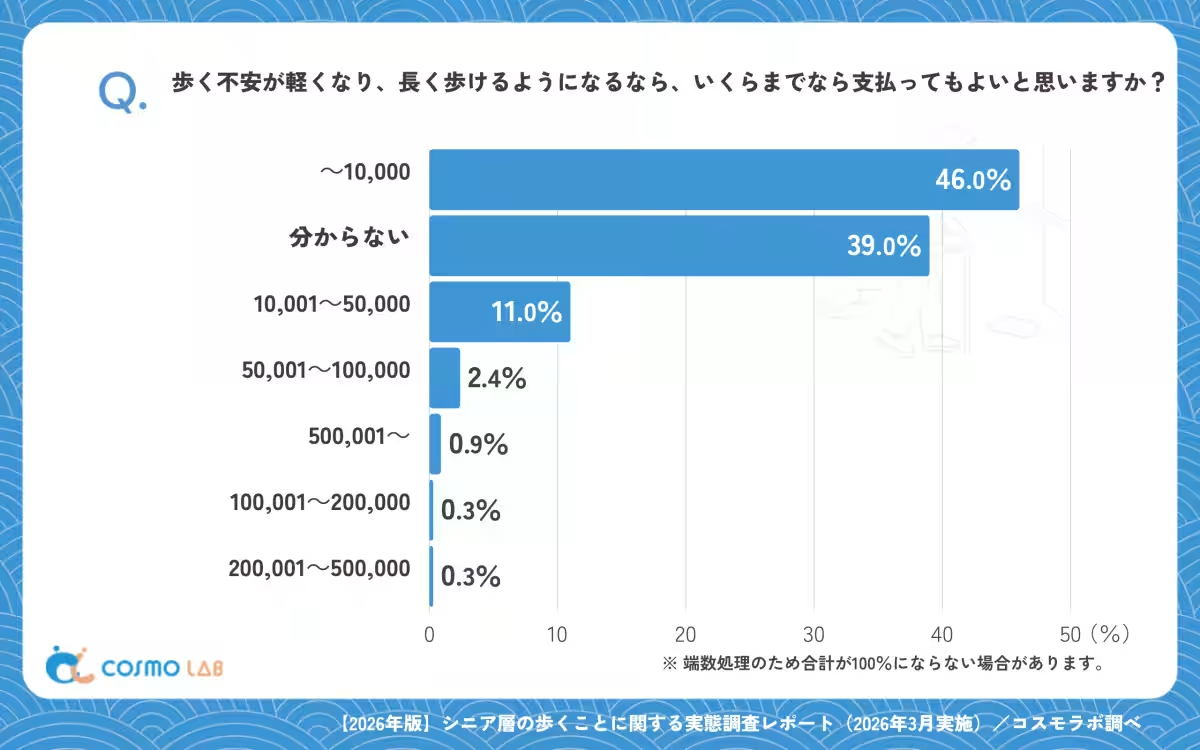
When it comes to maintaining their ability to walk, 55.4% of participants engage in exercises and stretching, and 51.6% make a point to go for walks. Interestingly, a substantial portion of respondents expressed a willingness to invest in maintaining their walking ability, with nearly half (46.0%) willing to spend up to 10,000 yen to alleviate their mobility concerns. This reflects a proactive attitude among seniors regarding their physical health and well-being.
Evolving Perceptions of Walking
Responses to whether participants have noticed any changes in their walking experience revealed a heightened awareness of mobility changes. While 39.7% reported no change, 50% felt a decrease in ease, indicating a gradual decline rather than an abrupt shift. This awareness could lead to a proactive approach for many seniors, igniting an interest in preventative actions.
Attention to Walking Safety
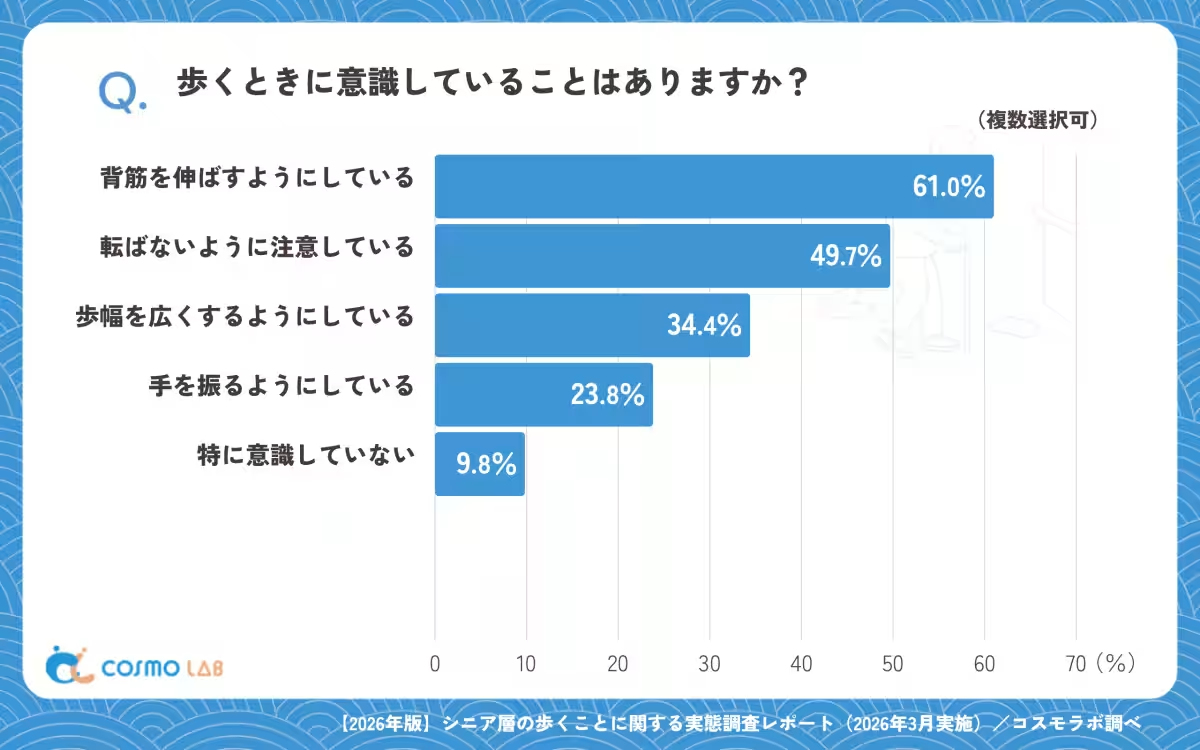
The awareness of safety during walking is apparent, as 61.0% reported consciously trying to maintain good posture, and 49.7% expressed caution against falling. This suggests that walking is not merely an unconscious act for this demographic but one that is carefully monitored for health and safety.
Justifying Mobility-Related Expenses
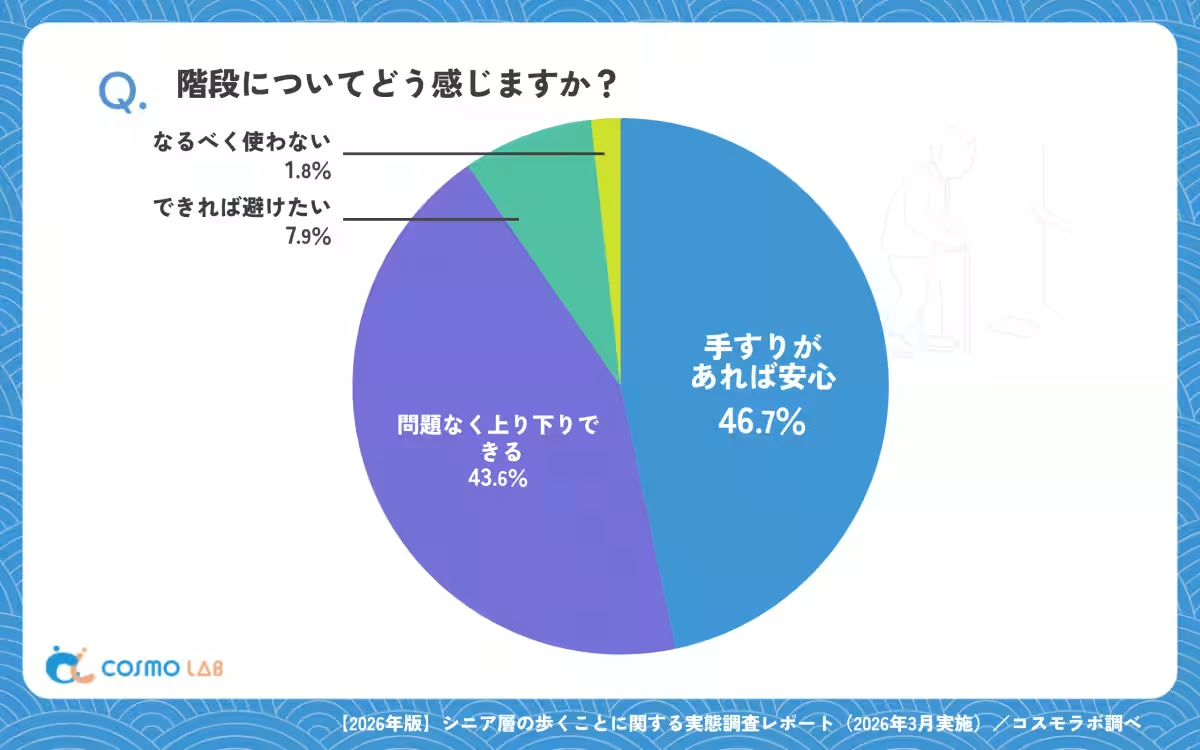
Expanding on the topic of mobility-related concerns, issues like climbing stairs elicited varied responses. While 46.7% felt reassured with handrails, only 43.6% claimed they could navigate stairs without issues. Fewer respondents expressed a desire to avoid stairs altogether, indicating a nuanced balance between comfort and capability.
Emphasizing Future Concerns
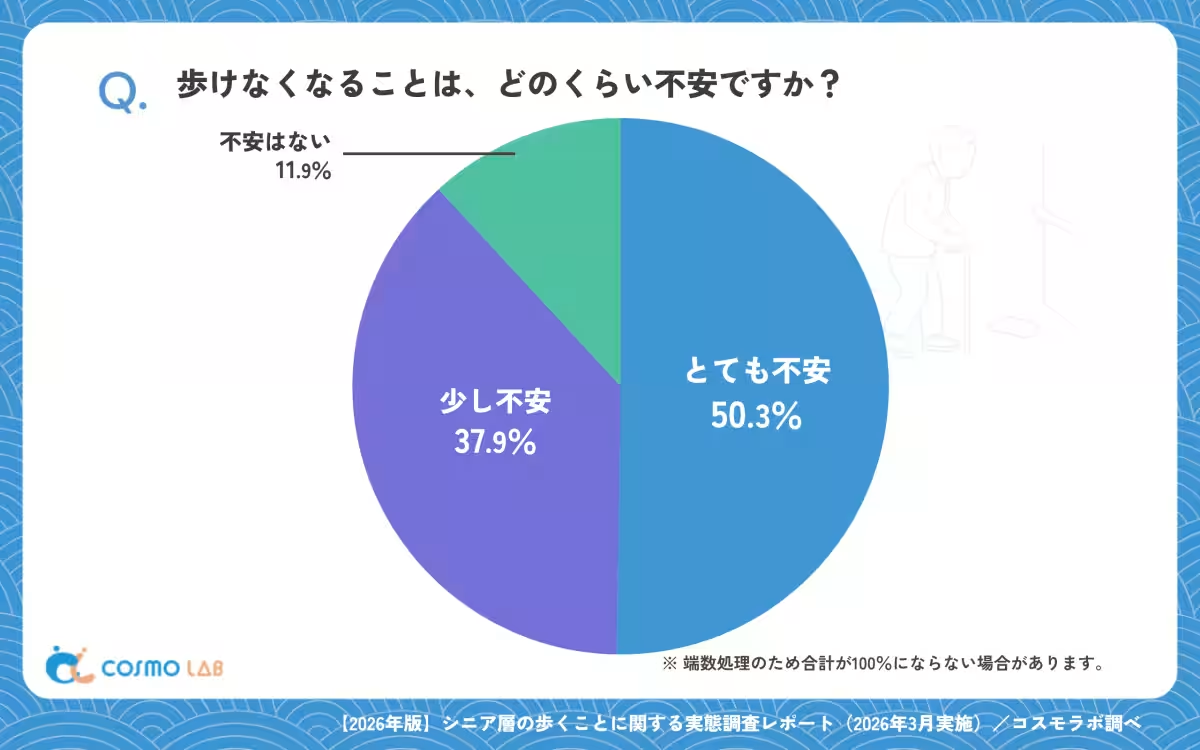
When asked about their apprehensions regarding future mobility, concerns about falling and sustaining injuries were at the forefront. Additionally, 50.3% expressed significant anxiety about the possibility of not being able to walk at all, linking mobility to overall independence and quality of life for many seniors. This highlights a critical area of focus for both health service providers and families supporting the elderly.
Behavioral Adaptations to Ensure Longevity of Mobility
Notably, the actions seniors are undertaking to maintain their mobility reflect practicality and ease. Many participants engage in yoga, stretching, and walking as part of their daily routines, emphasizing habits that are sustainable rather than intensive workouts. The emphasis on maintaining these smaller, manageable practices reveals a collective understanding that aging should not mean an end to physical activity.
Conclusion
The findings of this survey highlight that while seniors are currently managing to maintain their mobility, there exists a significant undercurrent of anxiety regarding their future capabilities. With many aware of subtle changes in their walking abilities, these insights reveal the need for targeted strategies to boost seniors' confidence and ability to walk seamlessly into the future. By focusing on reducing falls and providing avenues for sustained mobility, society can offer invaluable support to the aging population.
For additional insights into the state of the aging demographic, including health trends and consumer behaviors, check out Cosmo Lab's comprehensive reports on various issues concerning seniors.
About Cosmo Lab
Cosmo Lab is dedicated to offering specialized marketing services for senior citizens, utilizing a wide array of research methods to assist businesses in reaching this demographic effectively. For further inquiries, feel free to visit the webpage or reach out for a consultation.

Topics People & Culture)
【About Using Articles】
You can freely use the title and article content by linking to the page where the article is posted.
※ Images cannot be used.
【About Links】
Links are free to use.